Women Printed Voile Scarf Hijab

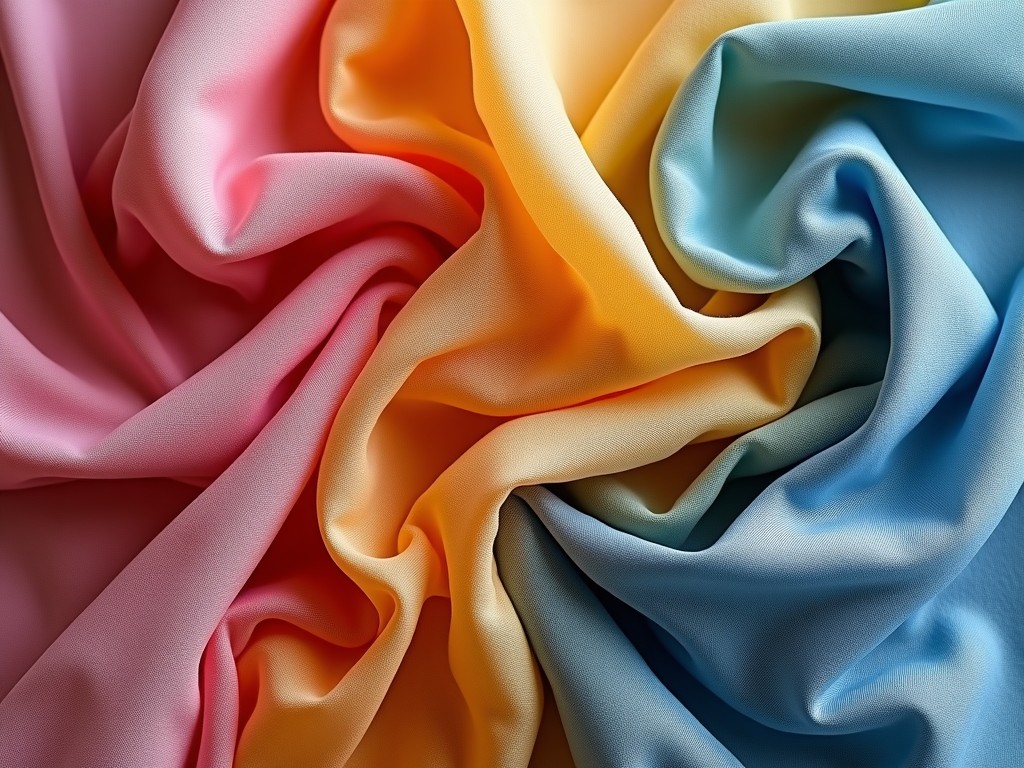
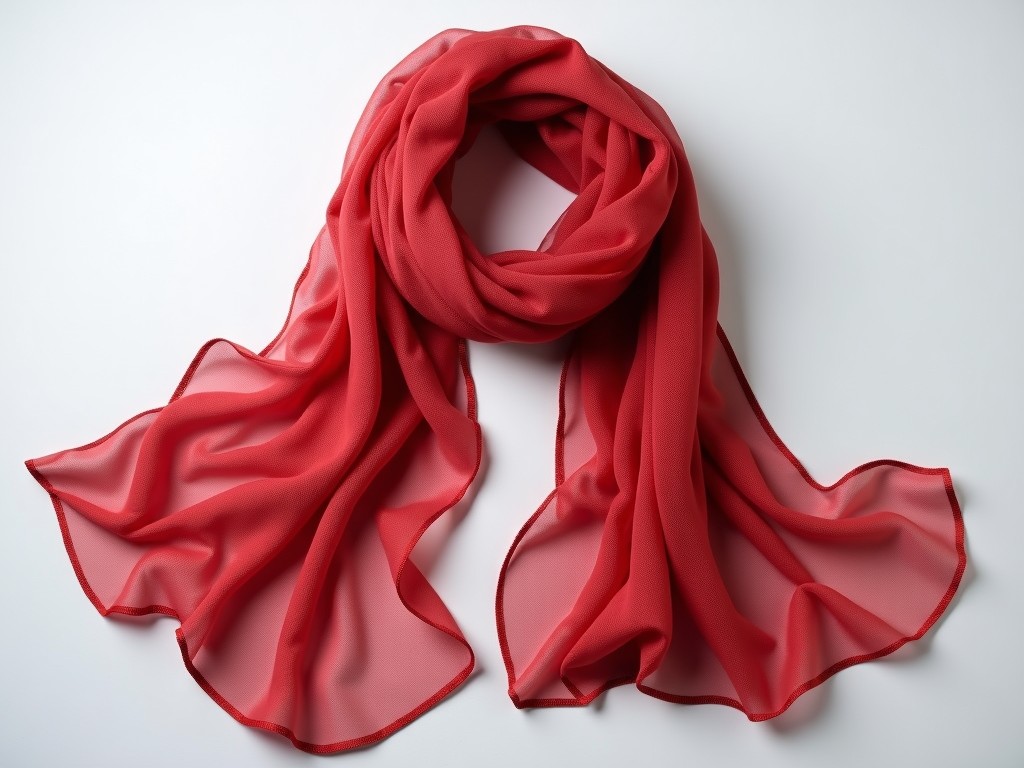
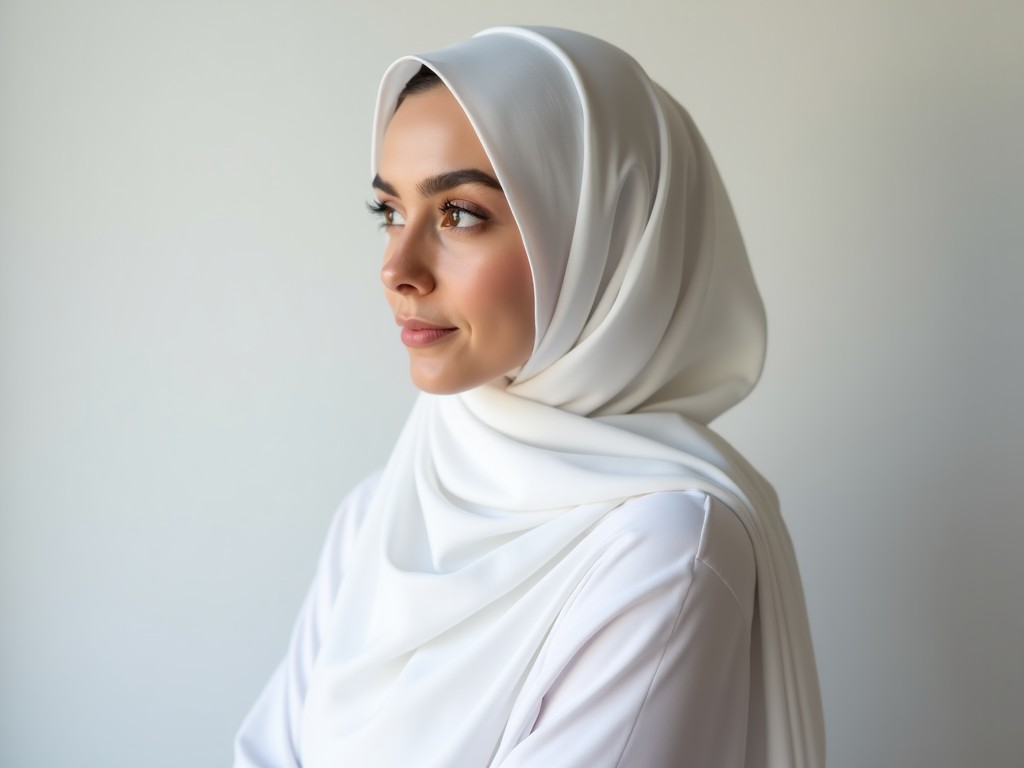
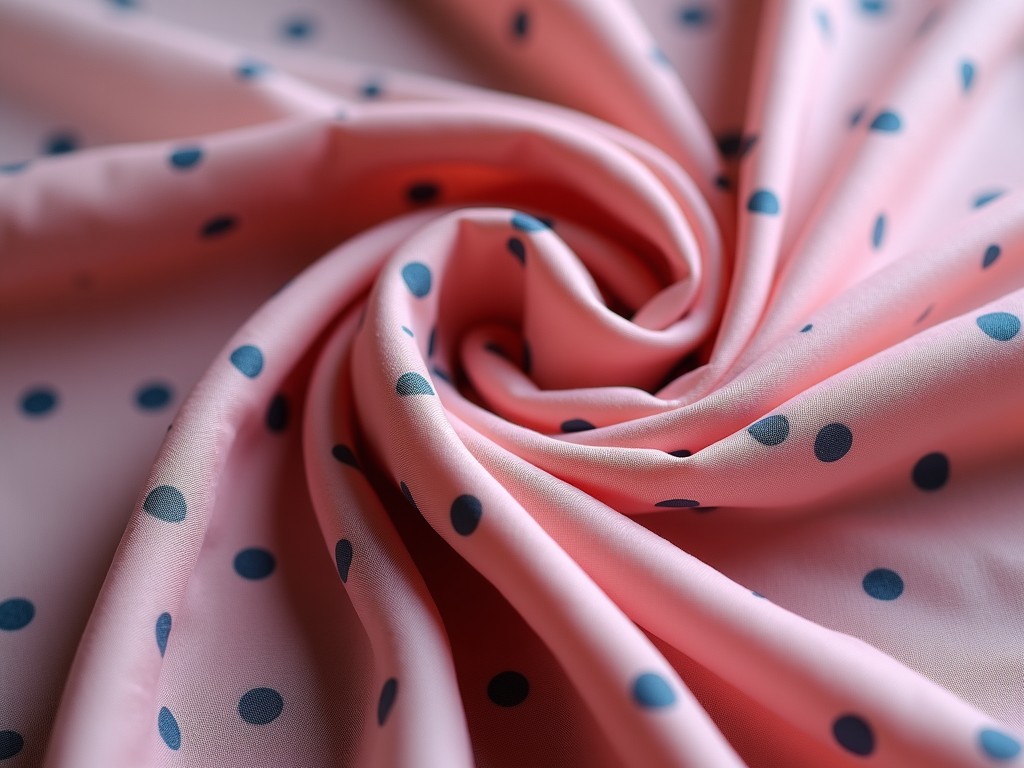
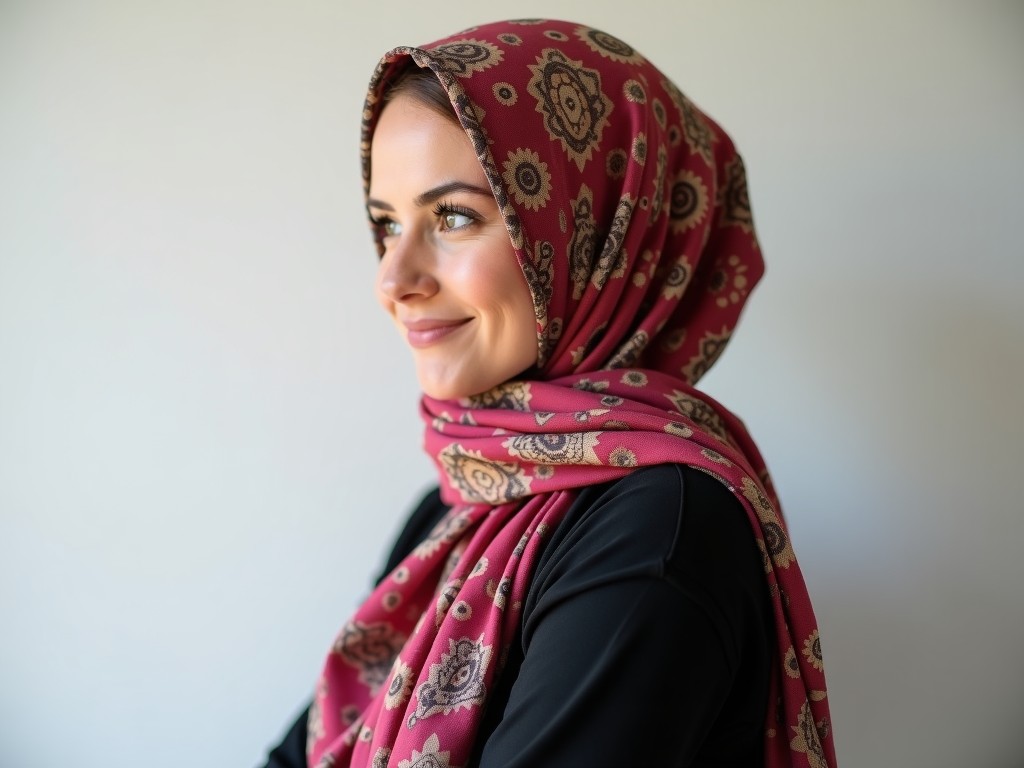
Women Printed Voile Scarf Hijab
This product page details the technical specifications, material properties, and manufacturing considerations for women's printed voile scarves designed for hijab use. The information is intended for
Women Printed Voile Scarf Hijab
This product page details the technical specifications, material properties, and manufacturing considerations for women's printed voile scarves designed for hijab use. The information is intended for procurement managers, textile engineers, and wholesale buyers evaluating fabric performance, print durability, and end-use suitability in modest apparel applications.
Material Construction and Fabric Properties
The base fabric is 100% polyester voile, selected for its lightweight drape, semi-sheer appearance, and dimensional stability under normal wear conditions. Voile construction uses a plain weave with yarn counts typically ranging from 60s to 80s Ne in both warp and weft directions, resulting in a fabric weight between 45–55 GSM. This weight range ensures sufficient opacity for modest coverage while maintaining breathability and ease of folding.
Polyester voile offers inherent resistance to wrinkling and shrinkage compared to natural fibers like cotton or silk. The synthetic polymer structure provides stable dimensional properties after repeated washing cycles, with typical dimensional change less than 2% in both length and width when washed at 30°C and line-dried. Colorfastness to washing and light is evaluated using ISO 105-B02 and ISO 105-C06 standards, with target ratings of 4 or higher on the gray scale for acceptable commercial performance.
Printing Process and Design Durability
Designs are applied using reactive dye sublimation printing, a process where solid dyes transition directly to gas under heat and pressure, bonding with polyester fibers at the molecular level. This method ensures prints become part of the fiber structure rather than sitting on the surface, reducing risks of cracking, peeling, or flaking during flexing or abrasion. Sublimation printing allows for full-color, high-resolution patterns with no limitation on color count or gradient complexity.
Print durability is validated through standardized tests: crocking resistance (ISO 105-X12) targets a minimum rating of 4 for both wet and dry conditions, indicating minimal color transfer during rubbing. Lightfastness (ISO 105-B02) aims for a rating of 4 or better after 20 hours of xenon arc exposure, ensuring designs resist fading under indoor lighting and intermittent sunlight. These benchmarks support long-term visual integrity in regular use.
Dimensional Specifications and Design Variants
Standard dimensions for the finished scarf are 180 cm in length and 70 cm in width, providing adequate coverage for various hijab styling techniques while remaining manageable for storage and packaging. Tolerances are maintained within ±2% for length and width during cutting and hemming operations, ensuring consistency across production batches. The edges are finished with a narrow rolled hem, approximately 3 mm wide, using a lockstitch seam to prevent fraying without adding stiffness.
While standard sizing meets common market demand, custom dimensions are available upon request for OEM or private label projects. Adjustments to length (e.g., 160 cm or 200 cm) or width (e.g., 60 cm or 80 cm) can be accommodated, though changes may affect yarn consumption, printing plate setup, and minimum order quantities. Hem width and stitch density can also be modified based on end-use requirements, such as increased durability for activewear applications.
Quality Control and Inspection Criteria
Each production lot undergoes inline and final inspection based on AQL (Acceptable Quality Level) standards. Critical defects include holes, runs, or misprints exceeding 2 mm in diameter, with an AQL of 0.65%. Major defects such as color variation beyond Pantone tolerance, uneven hem width, or incorrect dimensions carry an AQL of 1.5%. Minor defects like slight shade variation within lot or minor thread pulls are permitted at an AQL of 4.0%.
Color consistency is monitored using a spectrophotometer under D65 lighting, with ΔE values kept below 2.0 for approval and below 3.0 for acceptance. Fabric width is verified at three points along the roll length, and length is measured under relaxed tension to avoid distortion. Print alignment is checked for skew and repetition accuracy, particularly for directional or patterned designs, to ensure visual consistency across individual pieces.
Packaging and Logistics Considerations
Finished scarves are folded to a uniform size of approximately 25 cm × 15 cm × 2 cm and packed in polyethylene bags to protect against moisture and particulate contamination during transit. Standard inner packaging holds 12 pieces per bag, with master cartons configured for 24 bags (288 pieces total), optimizing pallet utilization and reducing handling time. Carton dimensions are typically 40 cm × 30 cm × 25 cm, with a gross weight of approximately 8–10 kg depending on exact fabric weight and packaging materials.
For export shipments, cartons are sealed with pressure-sensitive tape and strapped using polypropylene bands to resist shifting during handling. Each carton includes a label with PO number, SKU, size, color code, quantity, and country of origin. Optional packaging enhancements such as individual tissue wrapping, custom hang tags, or branded boxes are available upon request and may affect unit pricing and lead time. All packaging materials comply with REACH and OEKO-TEX® Standard 100 requirements for textile safety.
Applications and End-Use Suitability
This product is specifically engineered for hijab wear in daily, professional, and social settings where lightweight coverage, comfort, and aesthetic presentation are prioritized. The semi-sheer voile construction allows for layering without excessive bulk, while the polyester base ensures resistance to deformation from prolonged wear or pinning. Common use cases include office environments, educational institutions, and travel, where ease of care and resistance to wrinkling reduce maintenance burden.
Beyond traditional hijab styling, the scarf’s dimensions and drape make it suitable for alternative applications such as shoulder wraps, lightweight scarves for cooler indoor environments, or decorative elements in modest fashion ensembles. The print durability and colorfastness properties support repeated use in institutional settings like uniform programs or hospitality dress codes, where consistent appearance over time is a procurement consideration. These functional attributes align with the performance expectations of institutional buyers and uniform suppliers.
| Property | Typical Value | Test Standard |
|---|---|---|
| Fabric Weight | 45–55 GSM | ISO 3801 |
| Width Tolerance | ±2% | Internal |
| Length Tolerance | ±2% | Internal |
| Washing Dimensional Change | < 2% | ISO 6330 |
| Lightfastness | ≥ 4 (Gray Scale) | ISO 105-B02 |
| Washing Colorfastness | ≥ 4 (Gray Scale) | ISO 105-C06 |
| Crocking (Wet/Dry) | ≥ 4 (Gray Scale) | ISO 105-X12 |
| Color Difference (ΔE) | < 2.0 (Approval) | ISO 105-J03 |
For technical inquiries, sample requests, or quotation support regarding custom dimensions, print designs, or packaging configurations, please contact our technical sales team. Provide your project requirements including target quantity, intended use case, and any specific compliance needs to receive accurate lead times and pricing.
Request Technical ConsultationProducts
Related Products
News
Related News
2026-11-02
Cotton Voile Scarf Manufacturing and Performance Analysis how to make a cotton voile scarfCreating a professional-grade cotton voile scarf requires a precise balance of textile engineering and artisanal finishing. Unlike standard cotton weaves, voile is defined by its p···
2026-10-28
chiffon hijab Technical Production and Performance AnalysisSelecting the right fabric for a hijab involves a delicate balance between modesty, breathability, and aesthetic drape. For many women in Southeast Asia and the Middle East, the ma···
2026-10-26
custom silk scarf textile manufacturing and performance analysisSelecting a high-quality scarf is no longer just about color matching; it is an exercise in understanding how textile weight, drape, and print scale interact with individual facial···