Cotton Voile Scarf Manufacturing and Performance Analysis how to make a cotton voile scarf
Latest Articles
Cotton Voile Scarf Manufacturing and Performance Analysis how to make a cotton voile scarf
2026-11-02
chiffon hijab Technical Production and Performance Analysis
2026-10-28
custom silk scarf textile manufacturing and performance analysis
2026-10-26
Scarf Manufacturers Technical Production Analysis
2026-10-22
Voile Valance how to hang valance scarf swag voile Installation Analysis
2026-10-20
Voile Window Scarf Technical Manufacturing and how to make a voile window scarf
2026-09-21
2026-11-02
Cotton Voile Scarf Manufacturing and Performance Analysis how to make a cotton voile scarf
Creating a professional-grade cotton voile scarf requires a precise balance of textile engineering and artisanal finishing. Unlike standard cotton weaves, voile is defined by its plain weave and high twist yarns, resulting in a fabric that is semi-sheer, lightweight, and exceptionally breathable.
For manufacturers and designers, the challenge lies in maintaining the fabric's delicate drape while ensuring structural durability. This process involves specific selection of long-staple cotton, rigorous tension control during weaving, and specialized finishing techniques to achieve that characteristic "soft-touch" feel essential for high-end modesty wear.
Whether you are developing a new collection or looking to understand the industrial standards of how to make a cotton voile scarf, focusing on the interaction between yarn count and finishing agents is critical for a premium result.
Material Fundamentals and Yarn Selection
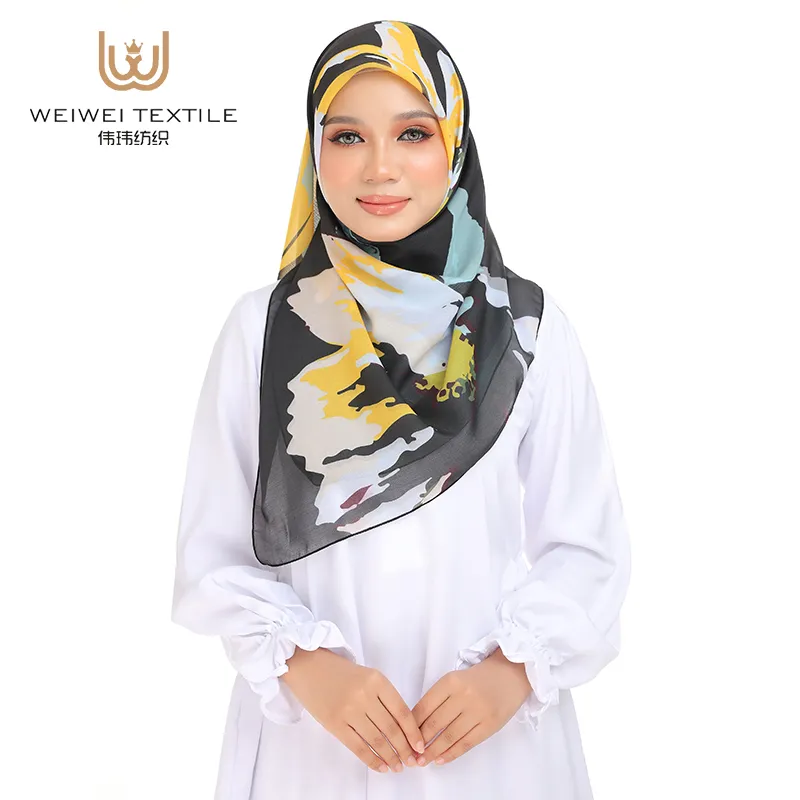
The foundation of a high-quality cotton voile scarf is the use of fine, high-twist cotton yarns. The high twist is what gives the fabric its characteristic stability and slight crispness despite its extreme lightness. Manufacturers typically select long-staple cotton to minimize pilling and ensure a smoother surface.
The yarn count must be carefully calibrated to achieve the desired opacity. Too low a count results in a fabric that feels coarse; too high may lead to fragility and breakage during the weaving process. The goal is a consistent, airy weave that maintains its shape without being overly stiff.
The Weaving Process and Tension Logic
Voile is produced using a simple plain weave, where the weft thread passes over and under each warp thread. However, the "secret" to industrial-grade voile lies in the tension control. Because the yarns are so fine, any unevenness in tension across the loom can lead to visible streaks or "barring," which ruins the visual uniformity of the scarf.
Modern weaving workshops utilize automated tensioning systems to ensure that the fabric remains lightweight and breathable while avoiding structural weaknesses. The result is a fabric that allows maximum airflow—a critical requirement for items like the Malaysian Bawal hijab, which must be comfortable in tropical, humid climates.
Post-weaving, the fabric undergoes a process called "singeing" to remove protruding fibers. This step is essential for creating the clean, smooth surface that allows for sharp digital prints and precise embroidery, ensuring that the final product looks polished and professional.
Finishing Techniques for Softness and Drape
The transition from raw woven fabric to a luxurious scarf happens in the finishing stage. Mercerization is often employed to increase the cotton's affinity for dyes and to add a subtle luster. This process alters the chemical structure of the cellulose, making the fabric stronger and more receptive to vibrant colors.
The ultimate quality of a cotton voile scarf is determined not by the weave alone, but by the synergy between the mechanical finish and the chemical softeners used to ensure a breathable, non-irritating sensation against the skin.
Beyond chemical treatments, mechanical calendering is used to flatten the fabric and create a smooth, consistent sheen. For customized products, the application of eco-friendly dyes and specialized printing methods allows for intricate patterns, such as Modern Batik or geometric Islamic art, without compromising the fabric's inherent breathability.
Quality Assessment Metrics for Voile
Evaluating the quality of cotton voile requires a multi-dimensional approach. Breathability is the primary metric, usually measured by the air permeability index. A high-quality voile must allow heat to escape quickly, making it suitable for spring and summer use.
Additionally, shrinkage and colorfastness are critical for consumer trust. Professional manufacturers implement rigorous testing for wash-shrinkage and rub-fastness to ensure the scarf retains its dimensions and hue after repeated cleaning, particularly for high-contrast printed designs.
Figure 2. Comparative Performance Index of Lightweight Fabrics
Application in Modern Modest Fashion
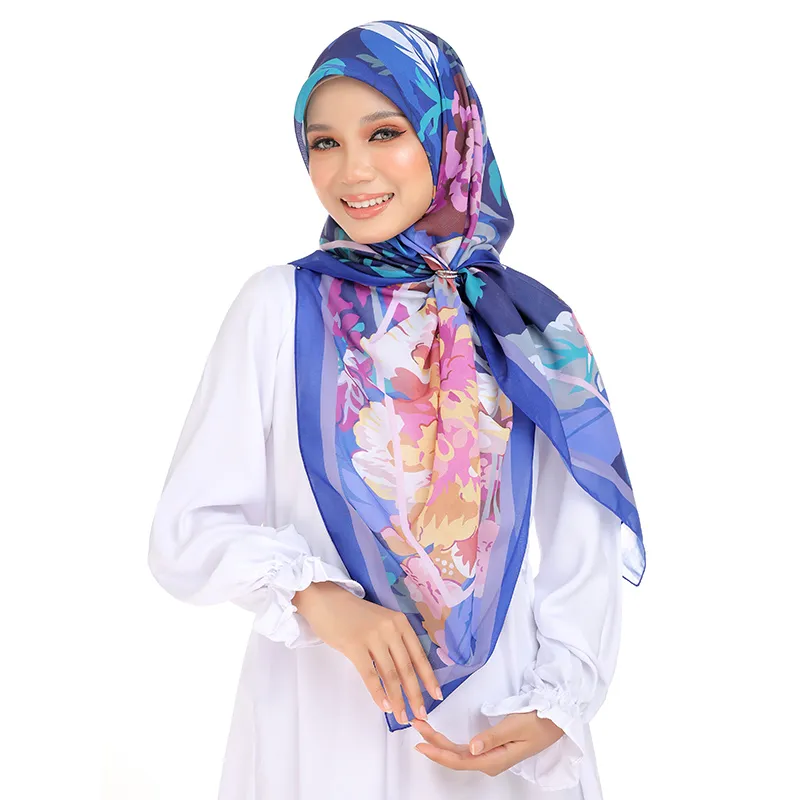
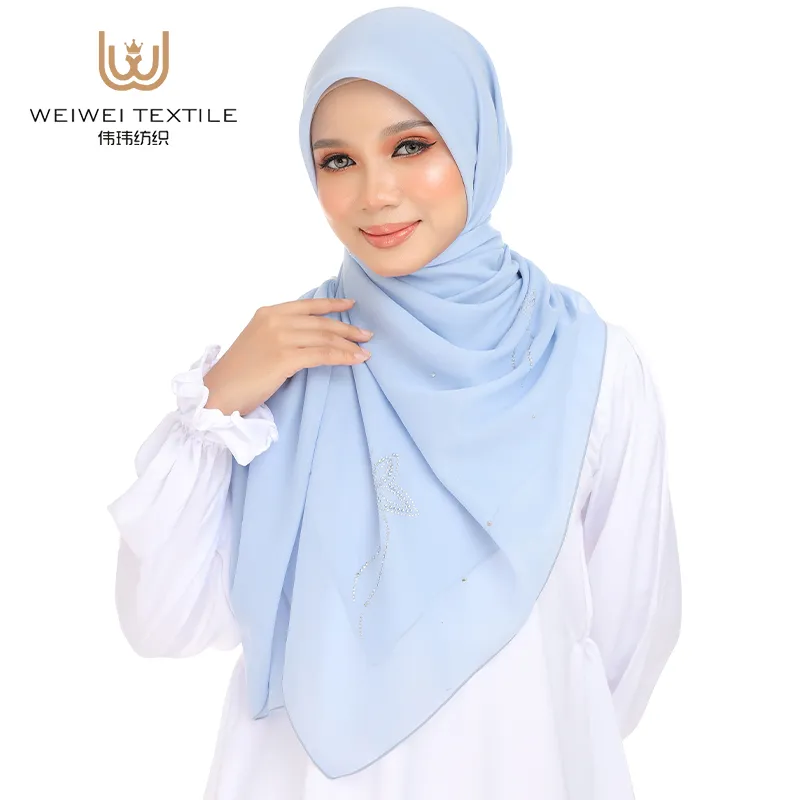
In the Malaysian market, cotton voile is the gold standard for the "Bawal" style hijab. Its ability to be folded into a precise triangle and pinned under the chin without losing its structure makes it a favorite for both professional and casual settings. The fabric's lightweight nature allows for voluminous styling—such as the draped confection—without adding excessive heat to the wearer.
Beyond the Bawal, voile is increasingly used in "instant" hijabs and layered styles. Because it is so thin, multiple layers can be wrapped to create depth and texture without the scarf becoming bulky or uncomfortable. This versatility is why manufacturers, such as those described in [Company Information], focus on producing standardized 115cm x 115cm sizes that provide the optimal balance of coverage and flexibility.
Sustainable Trends in Cotton Finishing
The textile industry is shifting toward "green chemistry" in the finishing of voile. Traditional mercerization and dyeing processes are being replaced by closed-loop systems that recycle water and minimize chemical runoff. The use of organic long-staple cotton is also becoming more prevalent to meet the demand for eco-conscious modesty wear.
Digital printing has further reduced the environmental footprint by eliminating the need for large amounts of screen-printing paste and water. This technology allows for "on-demand" production, reducing waste and enabling highly customized designs, logos, and ethnic patterns that can be updated in real-time based on social media trends.
Looking ahead, the integration of antimicrobial finishes—which inhibit odor-causing bacteria—is a growing trend for voile scarves. This is particularly valuable for consumers in hot climates who wear their scarves for extended periods, ensuring the garment remains fresh and hygienic throughout the day.
Selection Framework: Voile vs. Other Fabrics
Choosing the right material for a head scarf depends on the intended use case, climate, and desired aesthetic. While cotton voile is unrivaled for breathability and structure, other fabrics like chiffon or satin offer different functional advantages.
For example, satin is preferred for formal evening events due to its high luster and smooth glide, though it lacks the air permeability of voile. Chiffon provides a more ethereal, flowing drape but can be more difficult to pin and secure in place compared to the slightly crisper texture of a voile weave.
The following framework provides a relative assessment of how these materials perform across key quality indicators, assisting designers and buyers in making an informed selection based on their specific regional requirements.
| Fabric Type | Breathability | Structure/Shape | Occasion Suitability | Drape Quality |
|---|---|---|---|---|
| Cotton Voile | Very High | High (Stays in place) | Daily / Casual | Light / Airy |
| Chiffon | High | Low (Flowy) | Semi-Formal | Fluid / Soft |
| Satin | Low | Medium | Formal / Evening | Heavy / Lustrous |
| Jersey | Medium | Medium (Stretchy) | Sport / Active | Clinging / Casual |
| Viscose | Medium-High | Medium | Daily / Work | Medium / Soft |
| Linen Blend | High | Very High (Stiff) | Summer / Rustic | Crisp / Heavy |
Questions & Answers
Voile is a lightweight, semi-sheer fabric made from 100% cotton or cotton blends. Its defining characteristic is a plain weave combined with high-twist yarns. This high twist gives the fabric a distinct stability and a slight crispness, preventing it from collapsing like chiffon, while remaining far more breathable than standard cotton lawns or poplins. This makes it the ideal choice for headscarves in humid regions.
The preference stems from the fabric's ability to hold a structured shape. Bawal hijabs are typically folded into a triangle and pinned; cotton voile provides enough "body" to maintain this structure without slipping, yet it is light enough to remain cool in the tropical heat. Its breathable nature prevents overheating, which is a critical requirement for daily modesty wear in Southeast Asia.
Premium voile is characterized by a consistent weave without visible knots or "slubs" (thick spots in the yarn). When held to the light, the transparency should be uniform. Additionally, premium voile has a softer hand-feel due to superior finishing processes like mercerization and high-quality softeners, and it should exhibit minimal shrinkage after the first wash compared to lower-grade alternatives.
Generally, no. Because cotton voile is engineered for maximum breathability and airflow, it provides very little thermal insulation. Using it in winter would not provide the necessary warmth. For colder climates, fabrics with higher densities or blends involving wool or acrylic are recommended. Voile remains specialized for spring, summer, and tropical environments.
Standard dyeing and digital printing have a negligible effect on breathability. However, heavy coatings, thick metallic prints, or excessive resin treatments for "wrinkle-free" effects can clog the pores of the weave, slightly reducing airflow. High-quality manufacturers use breathable dyes and precision printing to ensure that the aesthetic appeal does not compromise the fabric's primary function as a cooling garment.
To preserve the structure and softness, it is recommended to hand wash cotton voile in cool water with a mild detergent. Avoid aggressive scrubbing, which can damage the fine yarns. Air drying in the shade is preferred over machine drying to prevent shrinkage. If ironing is needed, use a low-to-medium heat setting to avoid scorching the delicate fibers and maintain the fabric's natural drape.
Final Thoughts
The production of a professional cotton voile scarf is a sophisticated intersection of raw material quality and technical finishing. By prioritizing high-twist yarns and precise tension control, manufacturers can produce a garment that meets the rigorous demands of both fashion and function, particularly in markets where breathability and modesty are paramount.
As the industry moves toward digital customization and sustainable chemistry, the role of cotton voile remains central to the modest fashion ecosystem. Understanding the technical nuances of this fabric allows brands to deliver products that offer not just aesthetic elegance, but genuine comfort and durability for the end user.
Products
Related Products
News
Related News
2026-11-02
Cotton Voile Scarf Manufacturing and Performance Analysis how to make a cotton voile scarfCreating a professional-grade cotton voile scarf requires a precise balance of textile engineering and artisanal finishing. Unlike standard cotton weaves, voile is defined by its p···
2026-10-28
chiffon hijab Technical Production and Performance AnalysisSelecting the right fabric for a hijab involves a delicate balance between modesty, breathability, and aesthetic drape. For many women in Southeast Asia and the Middle East, the ma···
2026-10-26
custom silk scarf textile manufacturing and performance analysisSelecting a high-quality scarf is no longer just about color matching; it is an exercise in understanding how textile weight, drape, and print scale interact with individual facial···