Wholesale Kain Ultrafine Voile Premium


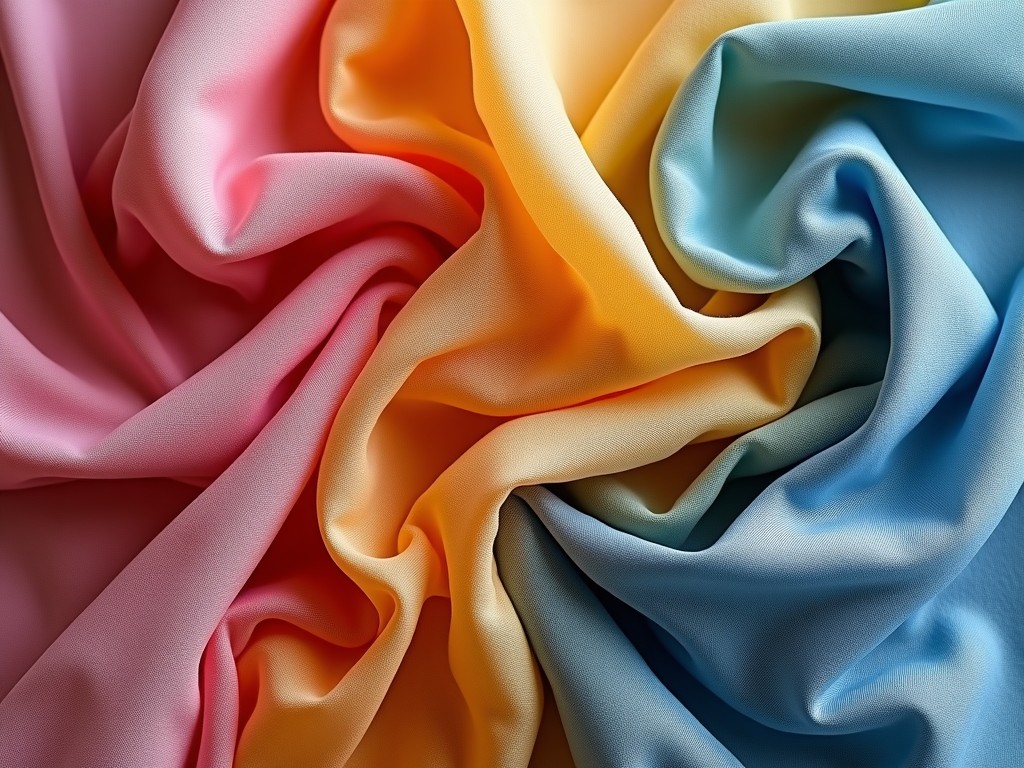

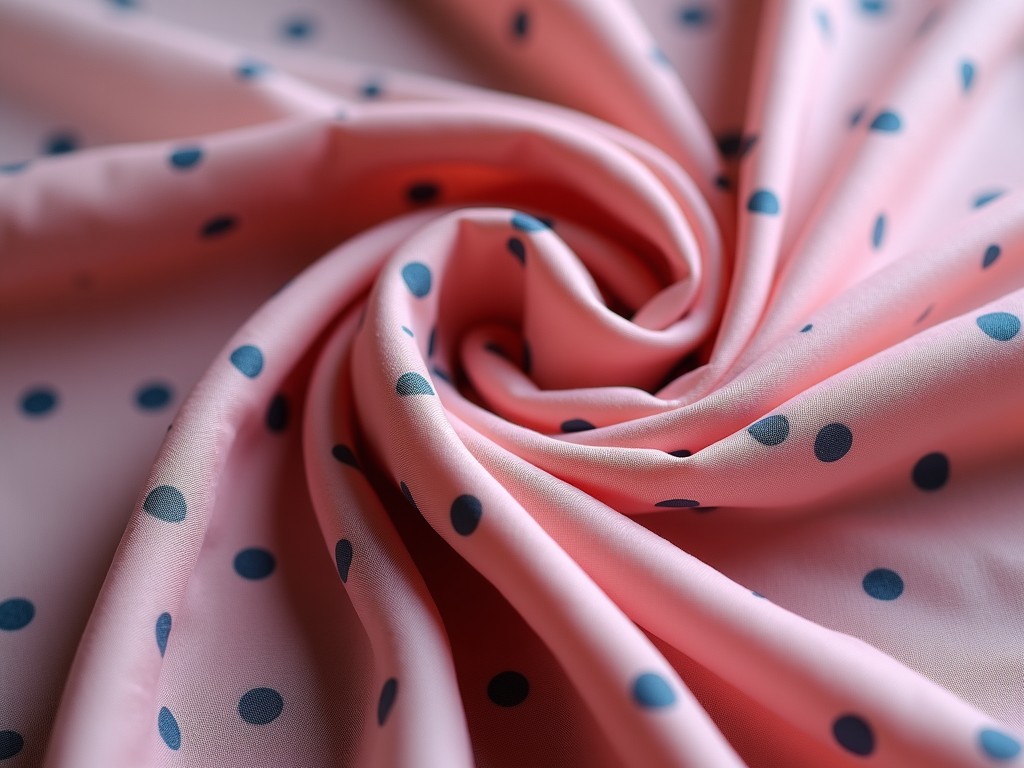
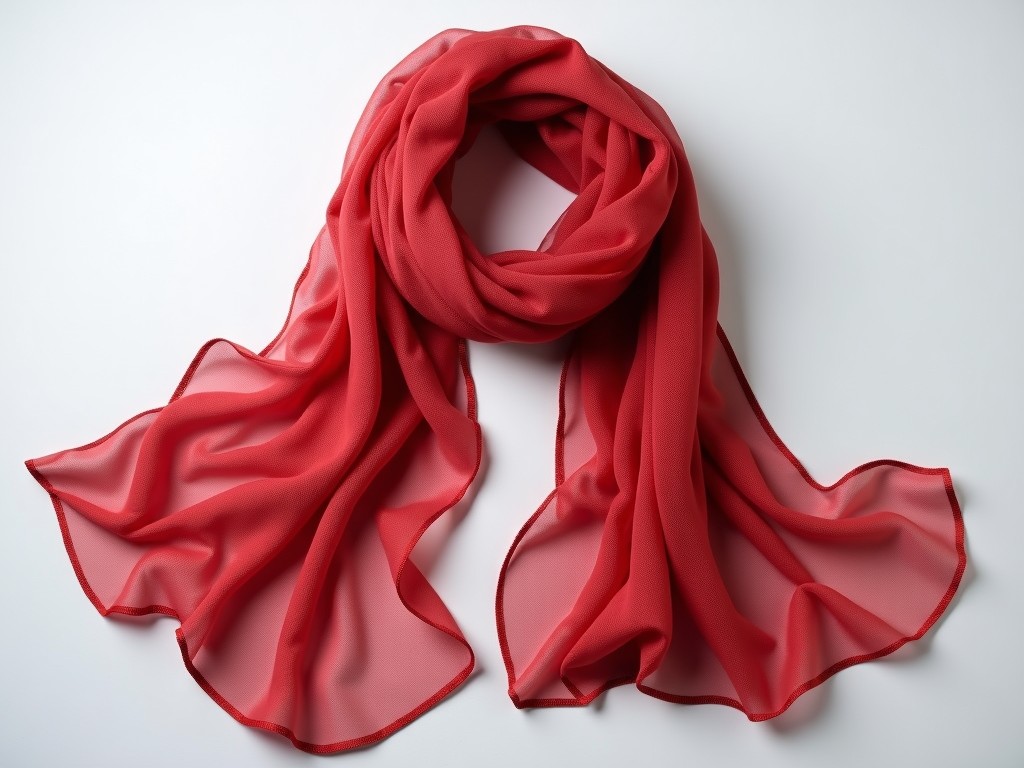
Wholesale Kain Ultrafine Voile Premium
Ultrafine voile fabric, classified as kain in industrial textile terminology, represents a category of lightweight, sheer woven materials engineered for applications requiring precise light
Wholesale Kain Ultrafine Voile Premium
Ultrafine voile fabric, classified as kain in industrial textile terminology, represents a category of lightweight, sheer woven materials engineered for applications requiring precise light diffusion, air permeability, and dimensional stability. The premium variant specified here achieves a thread count exceeding 200 ends per inch in both warp and weft directions, utilizing combed cotton or polyester filaments with a linear density below 1.2 dtex. This construction produces a fabric weight typically between 30 and 45 gsm, with tensile strength maintained above 15 N/cm in the warp direction and 12 N/cm in the weft under standard atmospheric conditions (20°C, 65% RH).
The manufacturing process for this grade involves controlled atmospheric spinning to minimize fiber breakage, followed by precision weaving on projectile looms equipped with electronic let-off and take-up systems to maintain consistent tension. Post-weaving, the fabric undergoes a stabilized bleaching sequence using hydrogen peroxide at pH 10.5–11.0 and 95°C for 45 minutes, ensuring uniform whiteness without degrading fiber integrity. A subsequent heat-setting cycle at 180°C for 90 seconds under zero tension prevents residual shrinkage, critical for applications where dimensional accuracy affects downstream processing such as lamination, coating, or pleating.
Technical Specifications and Performance Parameters
| Parameter | Typical Value | Test Method Reference |
|---|---|---|
| Fabric Weight | 30–45 gsm | ASTM D3776 |
| Thread Count (Warp x Weft) | ≥200 x ≥200 ends/inch | ASTM D3775 |
| Tensile Strength (Warp) | ≥15 N/cm | ASTM D5034 |
| Tensile Strength (Weft) | ≥12 N/cm | ASTM D5034 |
| Air Permeability | 150–250 cm³/cm²/s | ASTM D737 |
| Whiteness Index | ≥85 (CIE) | ASTM E313 |
| Shrinkage (Warp/Weft) | ≤1.5% after 5 wash cycles | AATCC Test Method 135 |
These specifications are maintained through inline monitoring during production, including real-time tension sensors on the warp beam and optical filament diameter monitoring at the loom. Final roll inspection includes 100% visual scanning for defects such as broken picks, neps, or barre, complemented by statistical sampling for mechanical properties. Rolls are typically wound on 76mm diameter cores with a maximum diameter of 300mm, wrapped in polyethylene film, and secured with polyester strapping to prevent moisture ingress and physical deformation during transit.
Industrial Applications and Functional Rationale
In filtration systems, this ultrafine voile serves as a pre-filter media where its controlled pore structure—validated via bubble point testing—captures particles in the 10–50 micron range while maintaining low pressure drop. The high air permeability ensures efficient flow dynamics in HVAC pre-filtration stages, reducing energy consumption compared to denser media. Its chemical resistance to dilute alkaline solutions (pH 8–10) allows use in environments where periodic cleaning with sodium bicarbonate solutions is required, without fiber degradation over 50+ cycles.
For technical textile laminates, the fabric’s low basis weight and high tensile integrity make it suitable as a reinforcement layer in composite membranes used for acoustic damping or vapor barriers. When impregnated with polyurethane or acrylic dispersions, the voile’s open structure allows complete resin penetration, resulting in a uniform coating thickness without delamination risk. The dimensional stability ensures minimal distortion during curing cycles at temperatures up to 120°C, critical for maintaining tight tolerances in multi-layer assemblies.
In industrial packaging, the material functions as a breathable interleaving layer for hygroscopic goods such as powdered pharmaceuticals or agrochemicals. Its permeability prevents condensation buildup inside sealed containers while providing a physical barrier against particulate contamination. The fabric’s low abrasion resistance (Martindale <5,000 cycles) is advantageous here, as it minimizes fiber shedding that could contaminate sensitive products—a trade-off deliberately optimized for this specific use case rather than general apparel.
Customization Options and Ordering Considerations
- Width: Available from 100 cm to 320 cm in 5 cm increments, constrained by loom specifications
- Length: Standard rolls of 50–100 linear meters; longer lengths available upon tension-controlled winding validation
- Fiber Composition: 100% combed cotton, 100% polyester, or 65/35 cotton-polyester blend
- Finish: Greige, bleached, or optically brightened (OB agent concentration ≤0.02% owf)
- Edge Treatment: Cut, heat-sealed, or ultrasonically welded to prevent fraying
- Core Material: Paper, plastic, or reusable metal cores for closed-loop logistics
Quotations require specification of end-use conditions to validate suitability—for example, exposure to UV radiation necessitates discussion of stabilizer additives, while contact with oils or solvents may require surface treatment analysis. Minimum order quantities typically start at 500 kg per width/color variant, with lead times ranging from 3 to 6 weeks depending on greige goods availability and finishing schedule. Sample evaluation includes 1m x 1m swatches with full test reports, allowing buyers to verify air permeability, shrinkage, and tensile properties under their specific environmental conditions before committing to volume.
Products
Related Products
News
Related News
2026-11-02
Cotton Voile Scarf Manufacturing and Performance Analysis how to make a cotton voile scarfCreating a professional-grade cotton voile scarf requires a precise balance of textile engineering and artisanal finishing. Unlike standard cotton weaves, voile is defined by its p···
2026-10-28
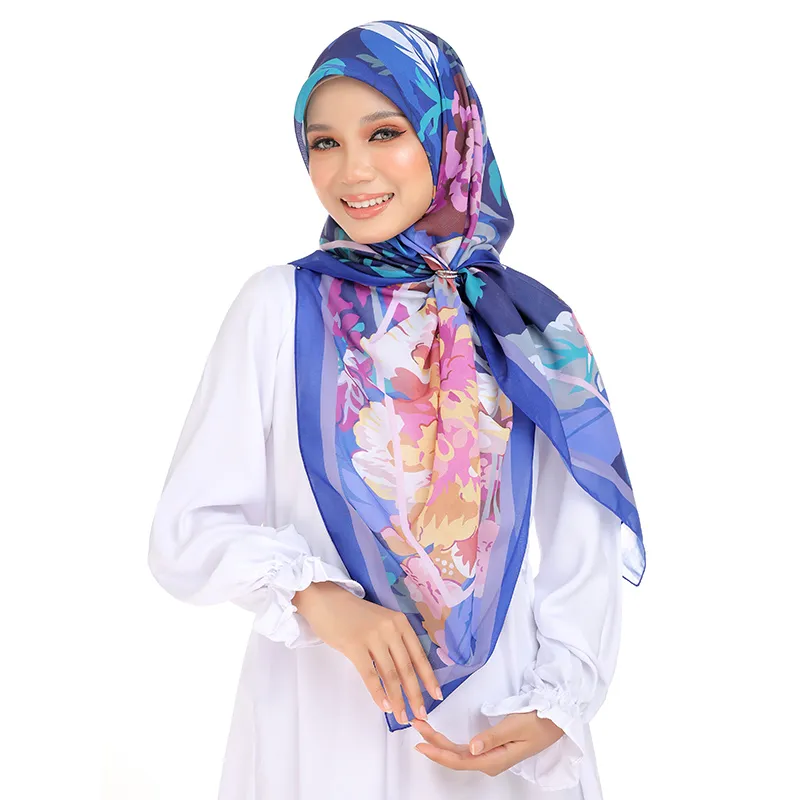
chiffon hijab Technical Production and Performance AnalysisSelecting the right fabric for a hijab involves a delicate balance between modesty, breathability, and aesthetic drape. For many women in Southeast Asia and the Middle East, the ma···
2026-10-26
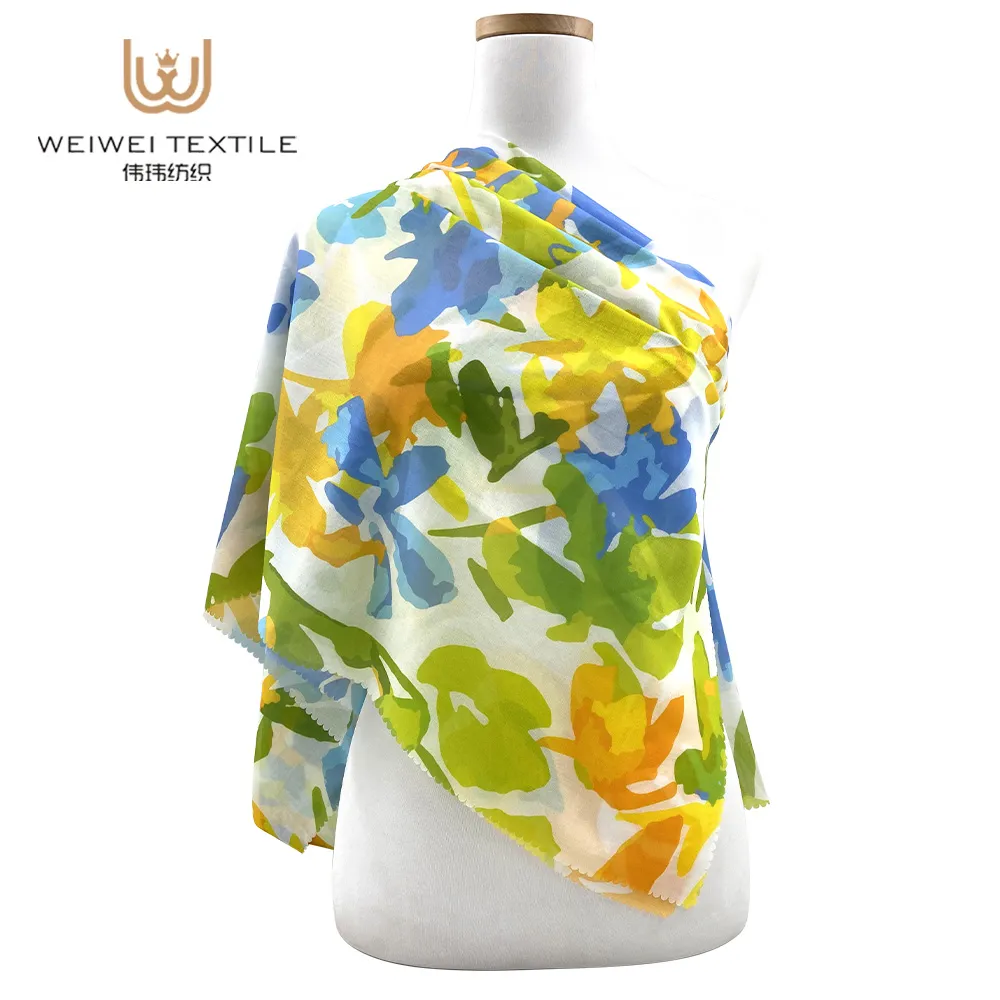
custom silk scarf textile manufacturing and performance analysisSelecting a high-quality scarf is no longer just about color matching; it is an exercise in understanding how textile weight, drape, and print scale interact with individual facial···