Wholesale Organic Cotton Voile Fabric
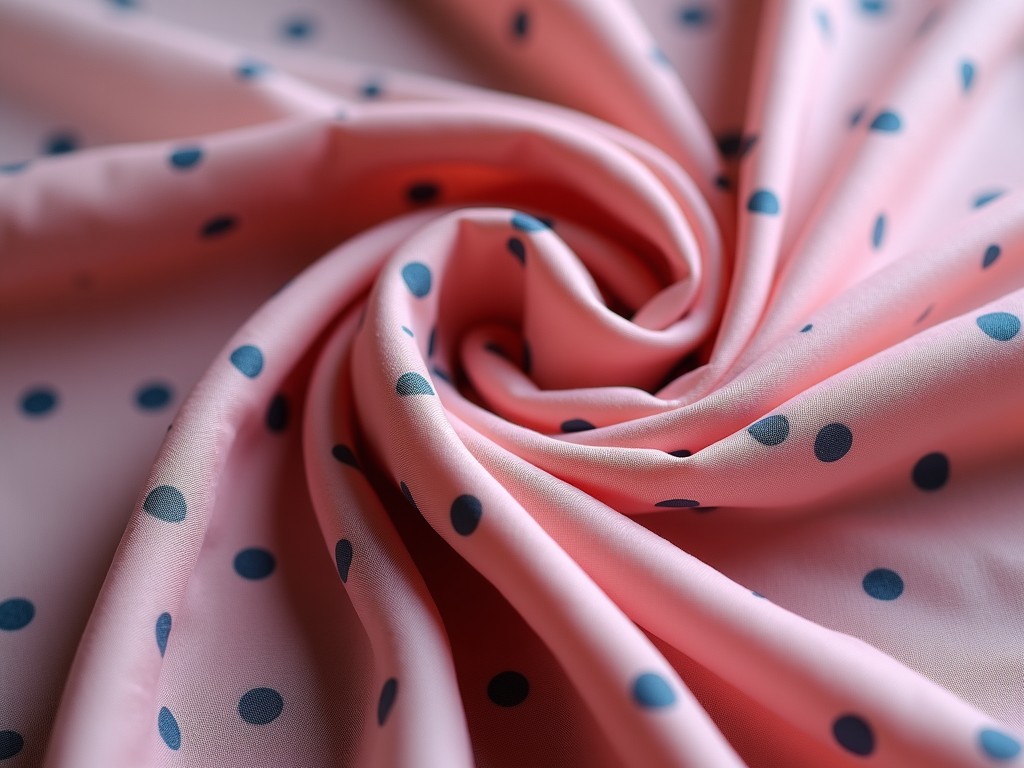
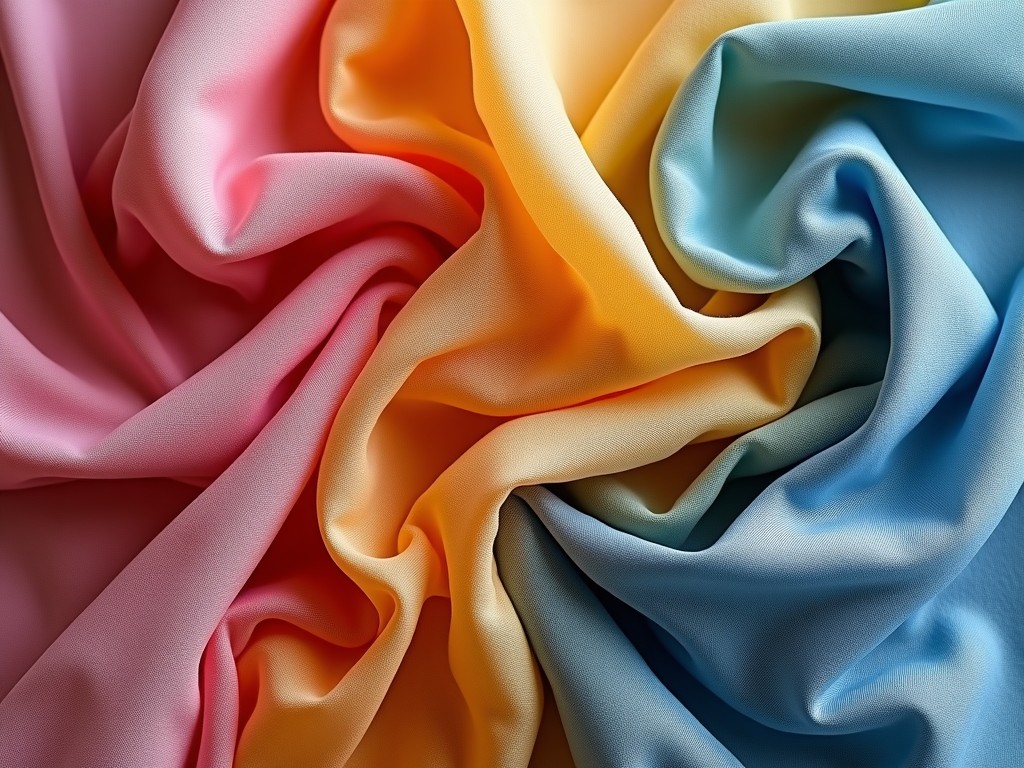
Wholesale Organic Cotton Voile Fabric
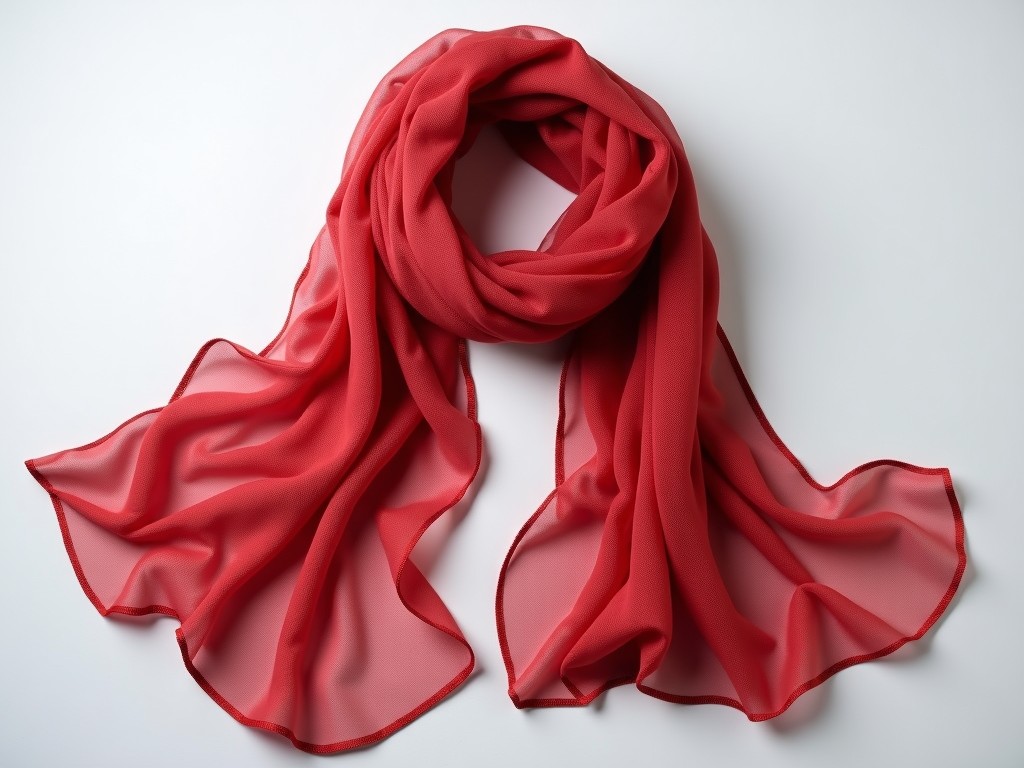
Organic cotton voile is a lightweight, plain-weave textile produced from certified organically grown cotton fibers. The fabric’s open structure results from a low twist yarn construction and a thread
Wholesale Organic Cotton Voile Fabric
Organic cotton voile is a lightweight, plain-weave textile produced from certified organically grown cotton fibers. The fabric’s open structure results from a low twist yarn construction and a thread count typically ranging from 60 to 80 ends per inch in both warp and weft directions. This construction yields a semi-sheer drape with excellent breathability and a soft hand feel, making it suitable for applications where air permeability and subtle translucency are required.
Material Properties and Performance Characteristics
The tensile strength of organic cotton voile generally falls between 18 and 25 N/tex, depending on yarn fineness and weave density. Elongation at break ranges from 7% to 12%, providing sufficient flexibility for cutting and sewing without excessive distortion. The fabric exhibits a typical moisture regain of 8.5% under standard atmospheric conditions (65% RH, 20°C), consistent with natural cellulose fibers. Dimensional stability after washing is maintained within ±3% shrinkage when processed according to recommended care guidelines.
Colorfastness to light, washing, and rubbing is evaluated using ISO 105-B02, ISO 105-C06, and ISO 105-X12 standards. Reactive dyes commonly used for organic cotton voile achieve lightfastness ratings of 4–5 and washing fastness of 4–5 on the grey scale. The fabric’s pH typically ranges from 5.5 to 7.0, ensuring skin compatibility for apparel and home textile applications. Unlike conventional cotton, organic certification prohibits the use of synthetic pesticides and defoliants during cultivation, reducing potential residue levels in the final product.
Manufacturing Considerations for Industrial Buyers
Wholesale supply of organic cotton voile requires coordination across the supply chain, beginning with traceable organic farm certification (e.g., GOTS or OCS). Yarn spinning must maintain consistent twist levels to ensure uniform fabric appearance and prevent barre defects. During weaving, loom tension and pick density are carefully monitored to avoid thick/thin places that could compromise shear uniformity. Finishing processes such as bleaching and dyeing are conducted using low-impact methods approved under organic textile standards, minimizing effluent load and energy consumption.
Minimum order quantities for wholesale distribution typically start at 500 kg per color variant, with lead times ranging from 4 to 8 weeks depending on dye lot size and finishing complexity. Fabric width is commonly available in 150 cm or 300 cm, though custom widths can be accommodated upon request. Roll lengths are standardized at 50 or 100 meters to facilitate efficient handling in cutting rooms and reduce splice frequency during production.
Applications in Industrial and Commercial Sectors
Organic cotton voile is selected in apparel manufacturing for lightweight linings, overlay panels, and seasonal garments where breathability and drape are prioritized over opacity. In home textiles, it is used for curtain sheers, bed canopies, and decorative layers where a soft, diffused light transmission is desired. The fabric’s compatibility with embroidery and printing techniques allows for value-added processing without compromising structural integrity.
Industrial buyers in sustainable fashion and eco-conscious home goods sectors specify organic cotton voile to meet third-party sustainability criteria such as GOTS, Fair Trade, or Cradle to Cradle certification. Its biodegradability and lower environmental impact compared to synthetic alternatives support corporate ESG reporting and supply chain transparency goals. The material’s natural origin also aligns with regulations restricting microplastic shedding in textiles.
Technical Specifications Table
| Property | Typical Value | Test Method |
|---|---|---|
| Thread Count (ends/inch) | 60–80 | ASTM D3775 |
| Weight (gsm) | 45–65 | ASTM D3776 |
| Tensile Strength (warp/weft) | 18–25 N/tex | ASTM D5035 |
| Elongation at Break | 7%–12% | ASTM D5035 |
| Moisture Regain | 8.5% | ASTM D2495 |
| Shrinkage (wash) | ≤±3% | AATCC 135 |
Customization and Ordering Information
Wholesale buyers can specify custom dye lots to match corporate color standards, with laboratory dip approval available prior to bulk production. Finishing options include softening, optical brightening (within organic compliant limits), or antimicrobial treatment using bio-based agents. Width customization is feasible for orders exceeding 1,000 kg, allowing integration into specialized cutting systems or reducing material waste in specific product lines.
Technical data sheets, organic certification documents, and test reports are provided upon request to support compliance verification. Sampling is available for evaluation, with lab-dipped swatches for color approval and full-width yardage for performance testing. Payment terms and shipping arrangements (FOB, CIF) are structured according to order volume and destination, with consolidated loading options to optimize freight efficiency.
To request a quotation or discuss specific requirements for wholesale organic cotton voile fabric, please contact our technical sales team. Provide details on intended application, required width, color specifications, and estimated annual volume to receive a tailored response with lead time and pricing information.
Products
Related Products
News
Related News
2026-11-02
Cotton Voile Scarf Manufacturing and Performance Analysis how to make a cotton voile scarfCreating a professional-grade cotton voile scarf requires a precise balance of textile engineering and artisanal finishing. Unlike standard cotton weaves, voile is defined by its p···
2026-10-28
chiffon hijab Technical Production and Performance AnalysisSelecting the right fabric for a hijab involves a delicate balance between modesty, breathability, and aesthetic drape. For many women in Southeast Asia and the Middle East, the ma···
2026-10-26
custom silk scarf textile manufacturing and performance analysisSelecting a high-quality scarf is no longer just about color matching; it is an exercise in understanding how textile weight, drape, and print scale interact with individual facial···