White Square Cotton Voile Scarf Hijab
White Square Cotton Voile Scarf Hijab
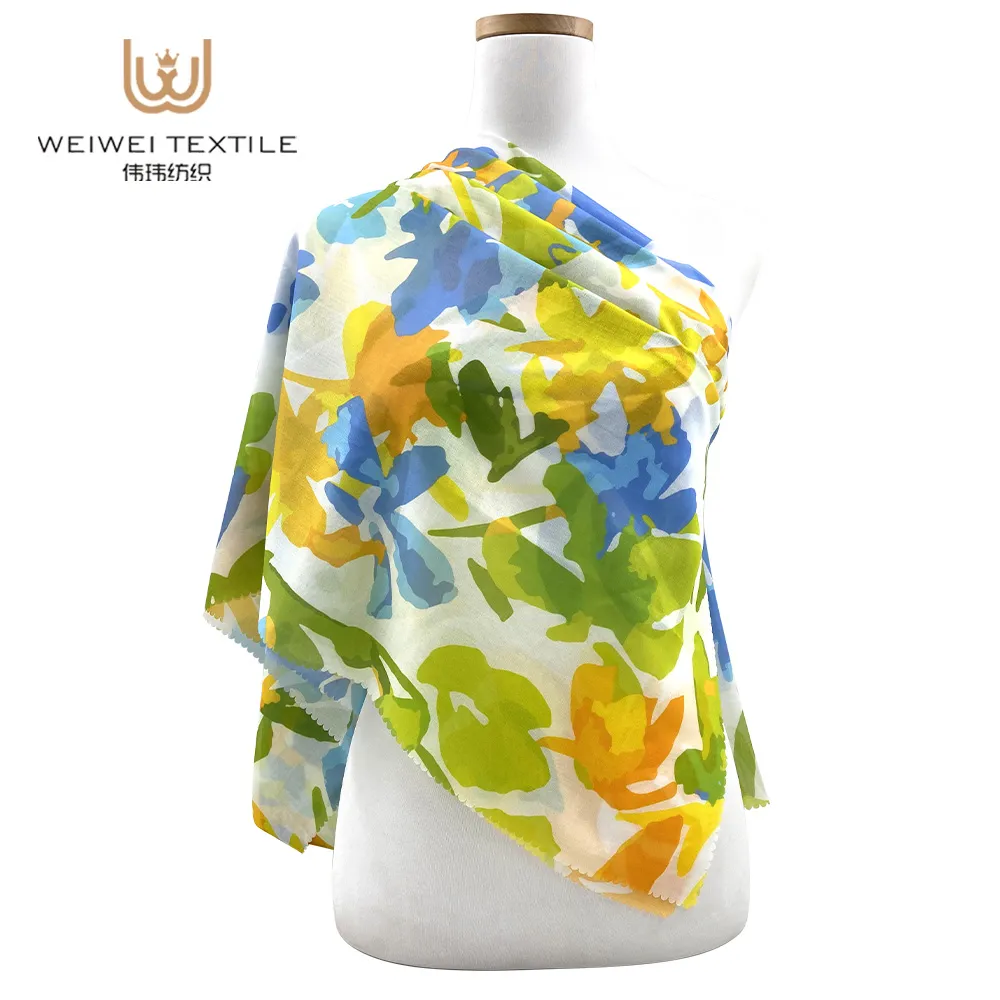
A white square cotton voile scarf hijab is a lightweight, breathable textile product designed for head covering applications where comfort, drape, and moderate opacity are required. Constructed from
White Square Cotton Voile Scarf Hijab
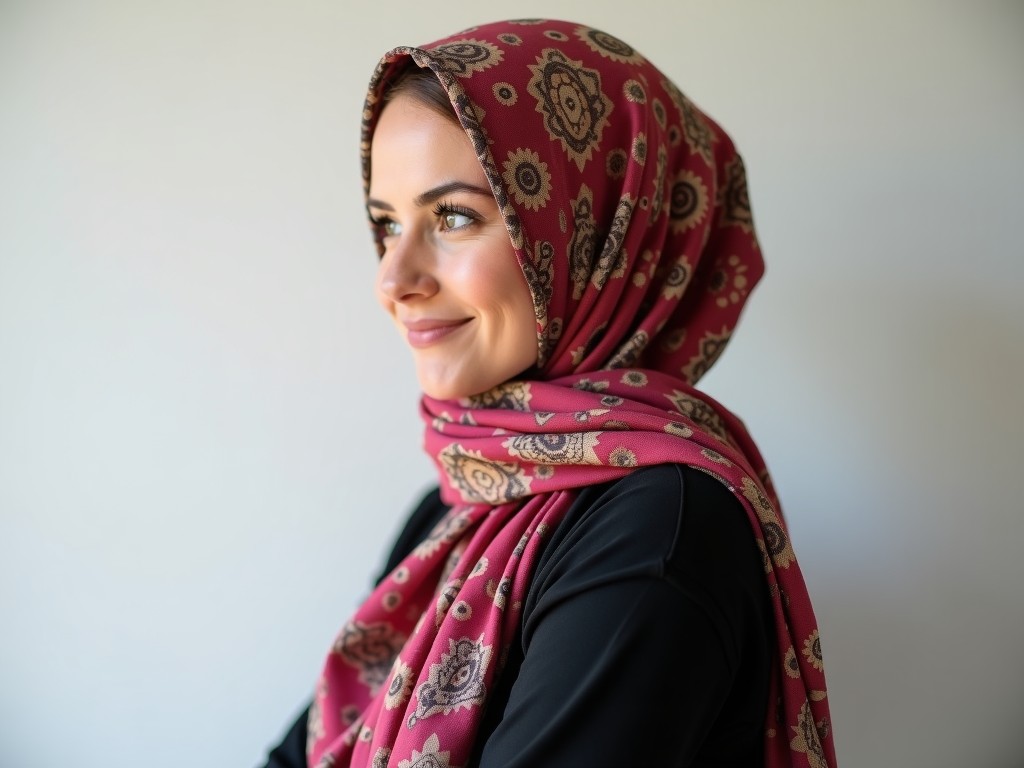
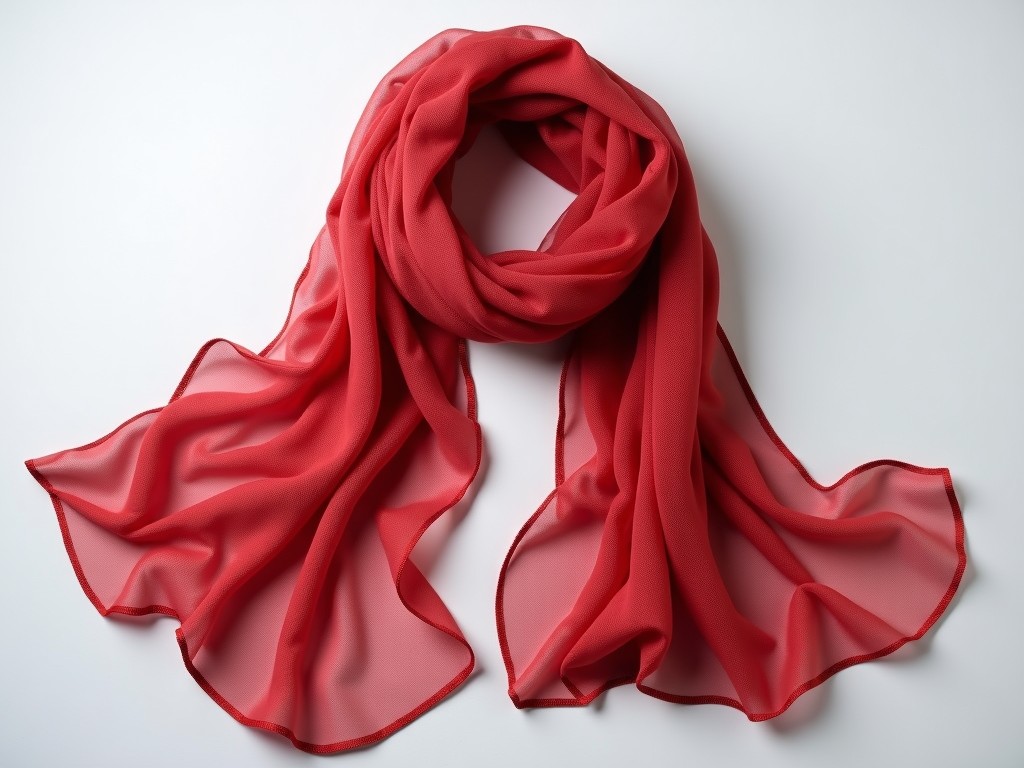
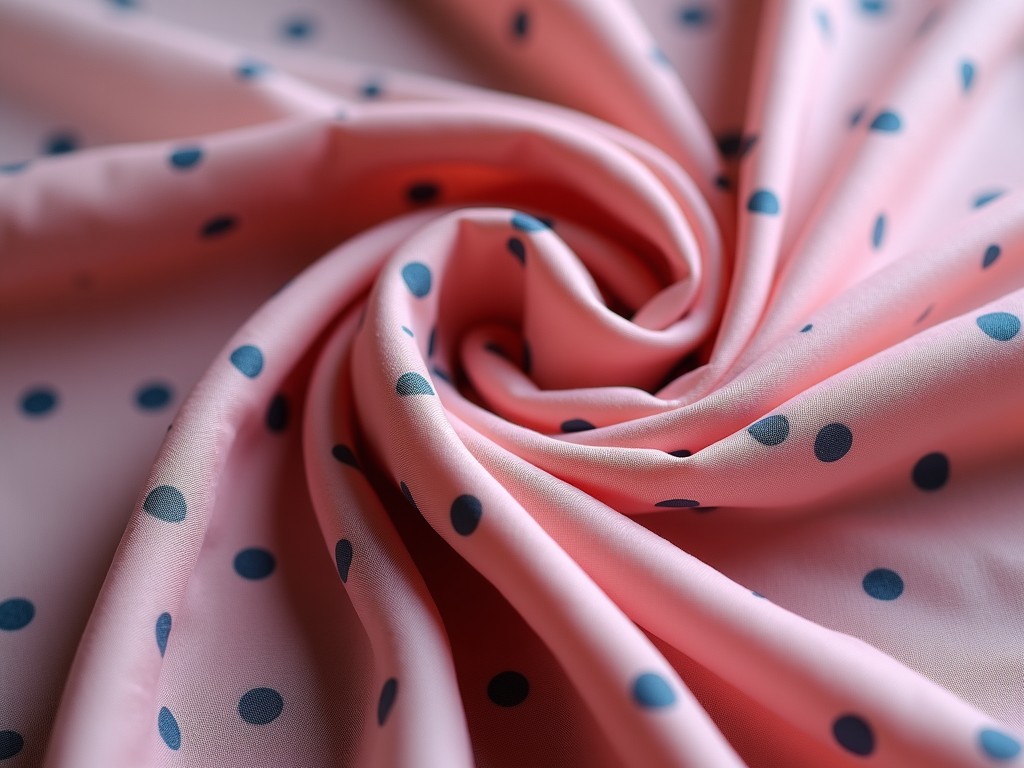
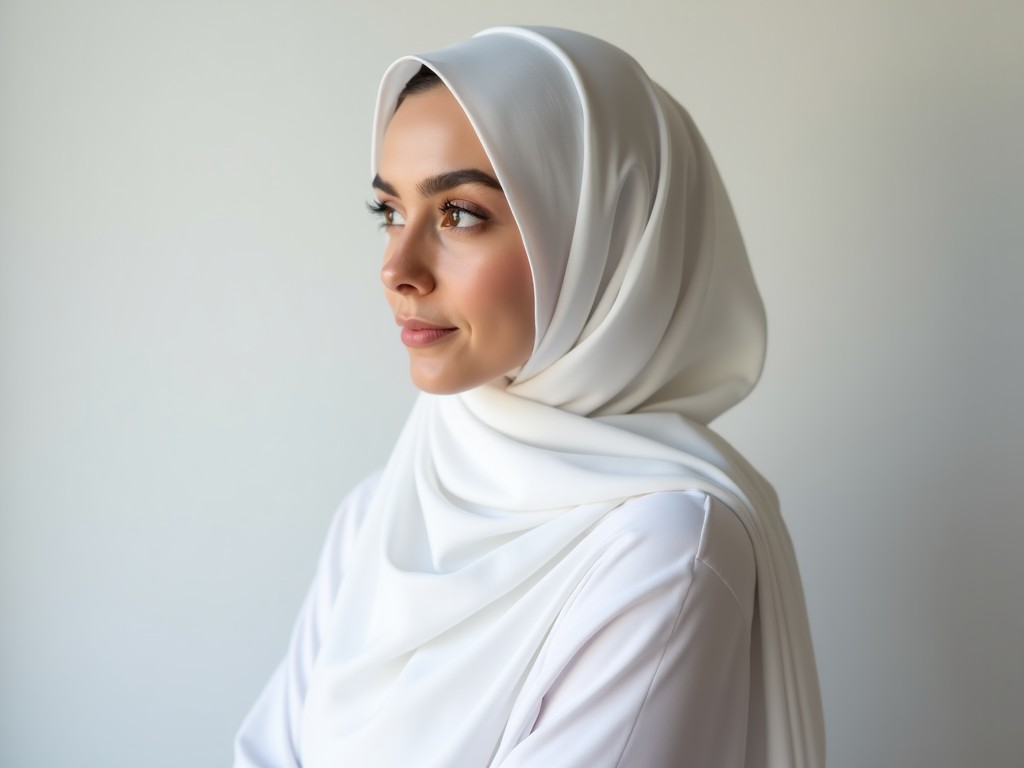
A white square cotton voile scarf hijab is a lightweight, breathable textile product designed for head covering applications where comfort, drape, and moderate opacity are required. Constructed from 100% combed cotton yarns woven in a plain voile construction, this product balances air permeability with sufficient coverage for daily wear in warm or humid climates. Its square geometry—typically ranging from 90 cm to 110 cm per side—allows for versatile folding and styling techniques without excess bulk.
Material Construction and Technical Properties
The fabric is manufactured using combed ring-spun cotton yarns in the range of 40s to 60s Ne (English cotton count), resulting in a linear density of approximately 18–22 tex. This yarn selection minimizes surface fuzz and enhances smoothness, reducing skin irritation during prolonged wear. The plain weave voile structure achieves a thread count of 80–100 ends per inch (EPI) by 60–80 picks per inch (PPI), creating a lightweight matrix with an areal density of 45–55 g/m².
Cotton voile exhibits inherent moisture regain of 8–10% at standard atmospheric conditions (65% RH, 20°C), enabling passive humidity regulation. The fabric’s air permeability typically ranges from 150 to 250 mm/s under ISO 9237 testing, supporting thermal comfort in temperatures above 25°C. Opacity, measured as diffuse reflectance loss, falls between 30–40% for a single layer, necessitating folding or layering for applications requiring higher visual coverage.
Dimensional Stability and Finishing
Post-weaving, the fabric undergoes controlled sanforization to limit residual shrinkage to under 2% after five home laundering cycles at 40°C, per AATCC Test Method 135. This dimensional stability ensures the scarf maintains its square geometry over time, preventing distortion that could affect folding symmetry or wearability. Edges are finished with a narrow double-fold hem, typically 3–4 mm wide, sewn with a 201 lockstitch using polyester-wrapped core thread to prevent fraying without adding stiffness.
Optional optical brightening agents may be applied during finishing to achieve a CIE whiteness index above 85, though untreated versions retain a natural off-white tone closer to CIE 75–80 for customers preferring minimal chemical treatment. All finishing processes comply with OEKO-TEX® Standard 100 Appendix 6 requirements for products in direct skin contact.
Functional Advantages in End-Use Scenarios
The high breathability of cotton voile reduces heat accumulation beneath the scarf compared to denser fabrics like poplin or voile blends with synthetic fibers, making it suitable for extended wear in indoor and outdoor environments. Its low bending rigidity—measured via ASTM D1388 as a flexural rigidity below 0.05 μN·m²—allows the fabric to conform smoothly to cranial contours without creating pressure points or requiring frequent adjustment.
The square format enables multiple styling configurations: a single-layer triangle fold for moderate coverage, a double-layer square fold for increased opacity, or a twisted wrap technique that distributes fabric evenly around the neck and shoulders. Unlike rectangular scarves, the square shape eliminates excess length that can cause uneven draping or require tucking, streamlining the wearing process for users seeking efficiency.
Comparison with Alternative Head Covering Materials
| Property | Cotton Voile (This Product) | Cotton Poplin | Viscose Challis |
|---|---|---|---|
| Areal Density (g/m²) | 45–55 | 80–100 | 60–75 |
| Air Permeability (mm/s) | 150–250 | 50–100 | 100–180 |
| Dimensional Stability (Shrinkage) | <2% (sanforized) | 3–5% | 4–6% |
| Flexural Rigidity (μN·m²) | <0.05 | 0.1–0.3 | 0.07–0.12 |
Compared to cotton poplin, this voile variant offers significantly higher air permeability and lower bending resistance, reducing thermal load and improving drape conformity. Against viscose challis, it demonstrates superior dimensional stability after washing and lower moisture absorption regain, which helps maintain consistent weight and shape in humid conditions. These differences make cotton voile particularly advantageous for users prioritizing breathability and long-term shape retention.
Customization Parameters
Standard dimensions are available in 90 cm, 100 cm, and 110 cm square formats, though custom sizes between 80 cm and 120 cm can be accommodated upon request, subject to minimum order quantities tied to loom setup efficiency. Yarn count adjustments within the 30s–80s Ne range allow modulation of weight and opacity—for example, a 30s Ne construction increases areal density to ~70 g/m² for higher coverage, while 80s Ne reduces it to ~35 g/m² for maximum breathability.
Hem width can be varied from 2 mm to 6 mm, with wider options providing enhanced edge durability for industrial laundering environments. Thread color for stitching defaults to white or natural but can be matched to custom dye lots upon provision of a Pantone reference or physical sample. All customizations are evaluated for impact on fabric hand, shrinkage behavior, and compliance with skin-contact safety standards.
Quality Assurance and Testing
Each production lot undergoes random sampling for areal density (ISO 3801), thread count (ASTM D3775), and pH (ISO 3071) to verify consistency with specifications. Colorfastness to washing (ISO 105 C06) and perspiration (ISO 105 E04) is assessed at minimum grade 3–4 to ensure minimal fading or staining during use. Fabric strength is validated via grab tensile testing (ASTM D5034), with minimum break force of 15 N in warp and 12 N in weft directions to resist tearing under normal handling.
Visual inspection is conducted under 500 lux daylight simulation (D65) to detect defects such as thick/thin places, neps, or missing picks, with acceptance limits aligned to 4-point system standards. Rolls are labeled with batch numbers, production date, and tested parameters to enable full traceability. Certificates of compliance are available upon request for institutional or regulated procurement channels.
Packaging and Logistics
Scarves are folded to a uniform size of 25 cm × 25 cm × 1.5 cm and packed in polybags of 5, 10, or 20 units, depending on customer requirements. Inner cartons use single-wall corrugated fiberboard (150 g/m²) with dimensions optimized for palletization—typically 300 units per master carton measuring 40 cm × 30 cm × 50 cm. Gross weight per carton ranges from 6.5 to 8.5 kg, facilitating manual handling.
For export shipments, cartons are strapped with polypropylene bands and stretch-wrapped to prevent shifting. Humidity indicators are included in master cartons for transit monitoring, and all packaging materials are free from silicate-based desiccants to avoid particulate contamination. Lead time from order confirmation to shipment readiness is typically 14–21 days for stocked specifications, extending to 4–6 weeks for fully customized runs involving dyeing or non-standard finishing.
To request a quotation, discuss customization options, or arrange sample evaluation, contact our technical sales team via the inquiry form. Provide details on required dimensions, quantity, packaging preferences, and any regulatory compliance needs to ensure accurate scoping and timely response.
Products
Related Products
News
Related News
2026-11-02
Cotton Voile Scarf Manufacturing and Performance Analysis how to make a cotton voile scarfCreating a professional-grade cotton voile scarf requires a precise balance of textile engineering and artisanal finishing. Unlike standard cotton weaves, voile is defined by its p···
2026-10-28
chiffon hijab Technical Production and Performance AnalysisSelecting the right fabric for a hijab involves a delicate balance between modesty, breathability, and aesthetic drape. For many women in Southeast Asia and the Middle East, the ma···
2026-10-26
custom silk scarf textile manufacturing and performance analysisSelecting a high-quality scarf is no longer just about color matching; it is an exercise in understanding how textile weight, drape, and print scale interact with individual facial···