Voile Fabric For Hijab

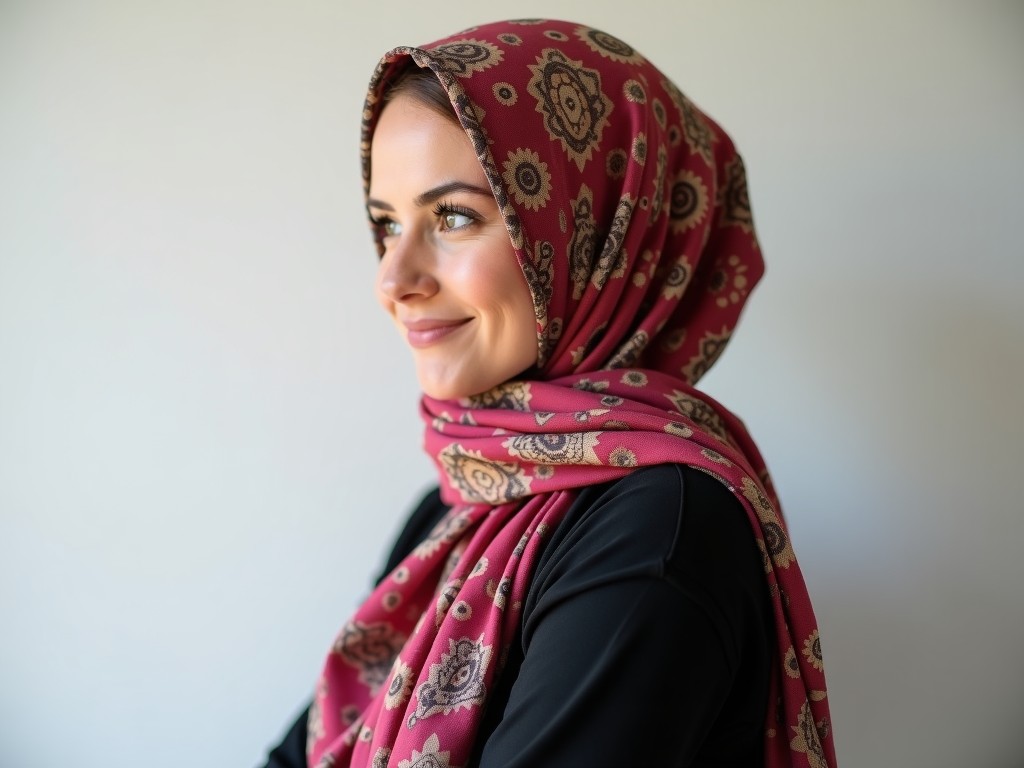
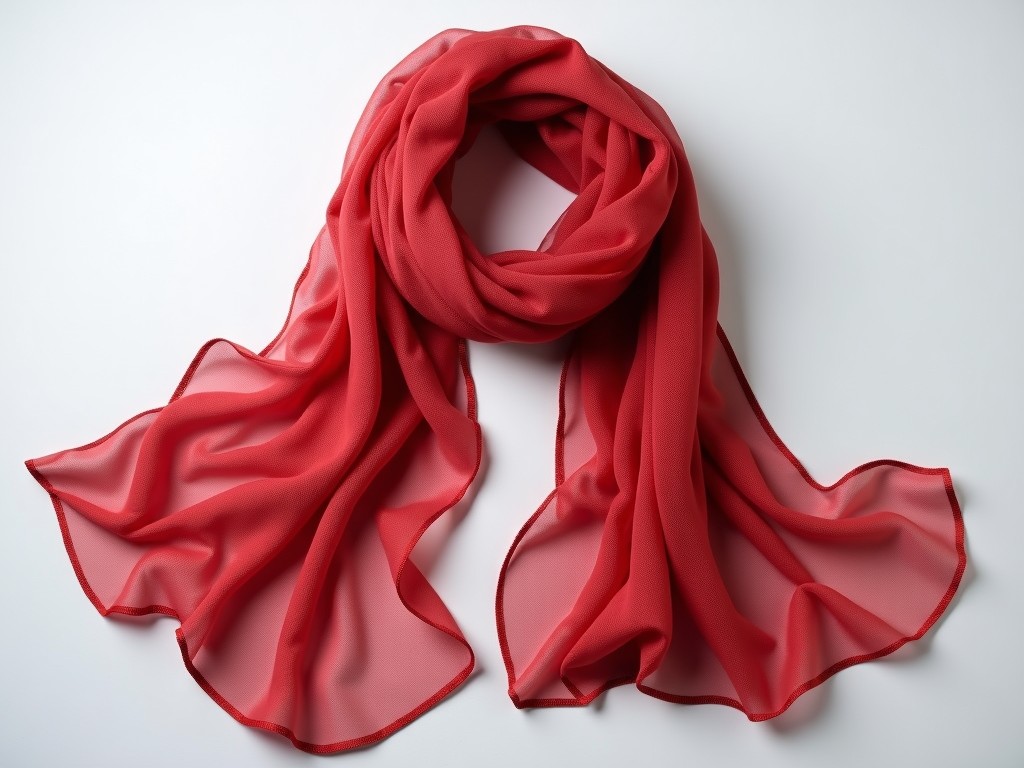
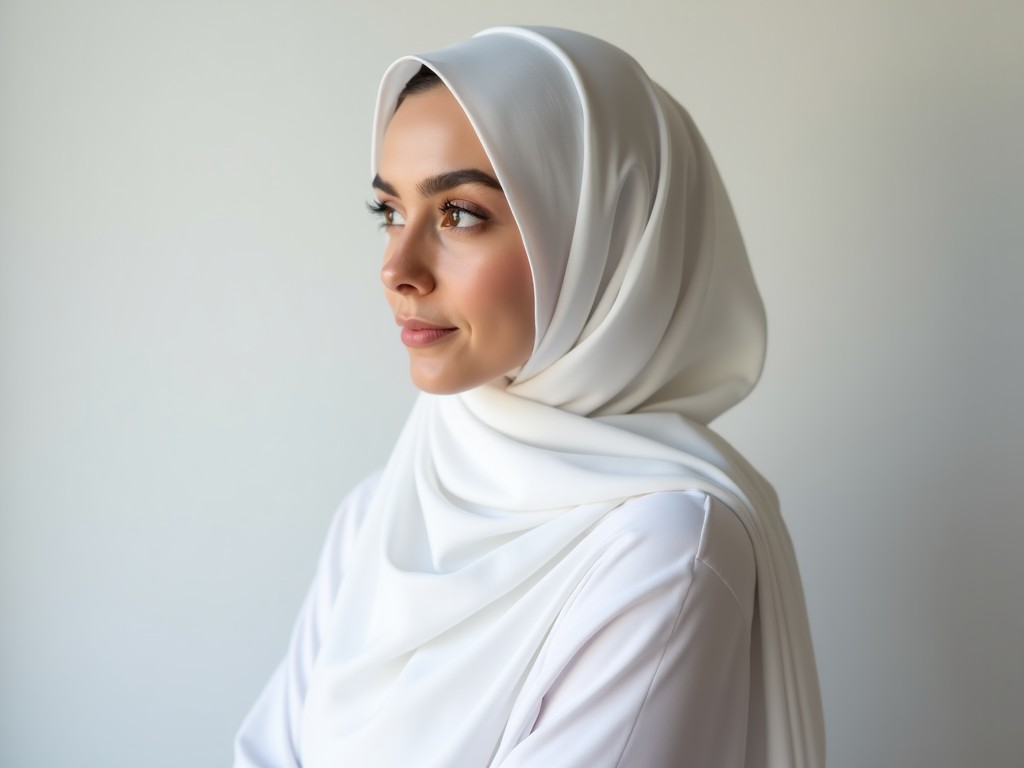
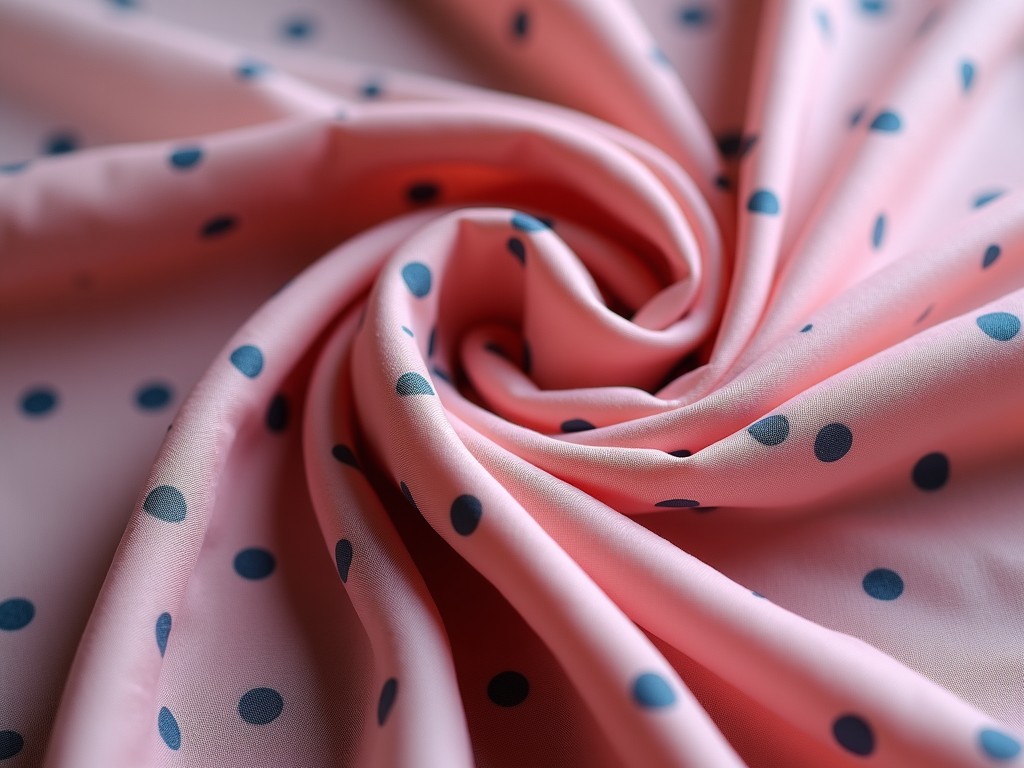
Voile Fabric For Hijab
Voile fabric for hijab is a lightweight, semi-sheer textile engineered for comfort, drape, and modesty in headwear applications. Constructed from fine-count yarns using a plain weave structure, it
Voile Fabric for Hijab: Technical Specifications and Industrial Applications
Voile fabric for hijab is a lightweight, semi-sheer textile engineered for comfort, drape, and modesty in headwear applications. Constructed from fine-count yarns using a plain weave structure, it balances opacity and breathability through precise thread density and finishing processes. Industrial buyers specify voile for hijab production based on measurable parameters such as yarn count, grams per square meter (GSM), tensile strength, and colorfastness to ensure consistent performance across large-volume manufacturing.
The fabric’s semi-transparent nature allows light diffusion while providing sufficient coverage, a critical factor in hijab design where both aesthetics and functionality are evaluated. Unlike heavier textiles, voile minimizes thermal buildup during extended wear, a property validated through standardized airflow resistance tests. Manufacturers rely on objective data—such as permeability ratings and pilling resistance scores—rather than subjective claims when qualifying suppliers for automotive interiors, medical garments, or apparel production lines where consistency directly impacts end-product reliability.
Engineered Construction Parameters
Industrial voile for hijab typically uses combed ring-spun or open-end yarns ranging from 30s to 60s Ne (English cotton count), directly influencing surface smoothness and tensile properties. Higher counts (e.g., 40s–60s Ne) produce finer filaments that reduce surface roughness, measured via profilometry, resulting in lower friction against skin—a key consideration for prolonged contact applications. Yarn uniformity, quantified by U% (unevenness) values below 12%, ensures consistent dye uptake and minimizes streaking during continuous dyeing processes.
Plain weave construction maintains a balanced crimp ratio between warp and weft, stabilizing dimensional integrity under humidity fluctuations. Thread density typically ranges from 80 to 120 ends per inch (EPI) and 60 to 100 picks per inch (PPI), creating a pore structure optimized for air permeability between 150 and 300 mm/s under ASTM D737 testing. These specifications are not arbitrary; they directly correlate to wear comfort indices used in physiological modeling of headwear under varying environmental conditions.
Material Composition and Performance Metrics
While 100% cotton voile remains common for its moisture regain (approximately 8.5% at 65% RH), polyester-cotton blends (65/35 or 50/50) are specified when reduced shrinkage and enhanced wrinkle resistance are required. Polyester content lowers hydrophobic recovery rates, measured via AATCC Test Method 135, to under 5% after five home laundering cycles—a critical threshold for maintaining dimensional stability in mass-produced hijabs. Blends also increase tenacity; 65/35 polyester-cotton voile typically exhibits 15–20% higher tensile strength than 100% cotton equivalents at the same yarn count.
Finishing treatments are applied based on end-use requirements: silicone softeners reduce dynamic coefficient of friction to below 0.25 (ASTM D1894), while optical brighteners are avoided in favor of UV stabilizers when outdoor color retention is prioritized. Colorfastness to washing (ISO 105-C06) and light (ISO 105-B02) is routinely specified at Grade 4 or higher, ensuring minimal fading after 20+ wash cycles or 40+ hours of xenon arc exposure—data points procurement teams validate during supplier qualification.
Comparison of Common Voile Constructions for Hijab Production
| Parameter | 100% Cotton Voile (40s Ne) | 65/35 Polyester-Cotton Voile (40s Ne) | 100% Polyester Voile (30s Denier) |
|---|---|---|---|
| Weight (GSM) | 45–55 | 50–60 | 35–45 |
| Tensile Strength (Warp, N/5cm) | 180–220 | 210–260 | 250–300 |
| Air Permeability (mm/s) | 200–280 | 180–250 | 250–350 |
| Shrinkage (30°C wash, %) | 3.0–5.0 | 1.5–2.5 | <1.0 |
| Moisture Regain (65% RH, %) | 8.0–9.0 | 4.5–5.5 | 0.4–0.6 |
Typical values; actual properties vary with yarn count, weave density, and finishing. Custom constructions available upon request.
Industrial Applications and Functional Requirements
Voile for hijab is selected not merely for its appearance but for its role in layered headwear systems where moisture management, thermal comfort, and durability interact. In hot-humid climates, higher air permeability (>220 mm/s) reduces evaporative resistance, a parameter linked to skin temperature rise in wear trials. Conversely, in temperate zones, slightly lower permeability (160–200 mm/s) combined with moisture-wicking finishes optimizes microclimate control without excessive cooling. These trade-offs are evaluated using skin model simulations during product development.
For printed or embroidered hijabs, surface roughness (Ra < 0.8 μm) ensures ink adhesion and thread penetration without snagging, measured via profilometry. Low pilling propensity (ASTM D3512, Grade 4 or better after 5,000 cycles) is essential for maintaining aesthetic quality over the garment’s lifecycle—a requirement often overlooked in initial specifications but critical for consumer satisfaction and return rate reduction. Manufacturers specify these metrics in technical packs to align supplier capabilities with end-use performance expectations.
In continuous production environments, roll length consistency (±2% tolerance) and edge straightness (<3mm deviation over 2m) prevent misalignment in automated cutting systems. Electrostatic discharge (ESD) properties, when relevant for industrial settings, are controlled through antistatic finishes targeting surface resistivity below 10^10 Ω/sq. These parameters are verified during incoming quality inspections using calibrated field meters, ensuring seamless integration into high-speed manufacturing lines.
Quality Control and Supply Chain Considerations
Industrial buyers assess voile suppliers based on process control capabilities rather than end-product sampling alone. Key quality indicators include batch-to-batch GSM variation (<±3%), width consistency (<±1.5%), and color difference (ΔE < 2.0 under D65 illumination) measured via spectrophotometry. These thresholds ensure that cutting yields remain predictable and that shaded batches do not disrupt assembly line scheduling. Suppliers demonstrating statistical process control (SPC) on critical parameters reduce the risk of production delays due to material non-conformance.
Packaging for industrial shipment typically involves polyethylene-wrapped rolls on cardboard cores (76mm or 152mm diameter) with outer corrugated boxes, designed to withstand stacking loads of up to 1.5 tons without deformation. Humidity indicators inside packaging monitor microenvironment stability during transit, particularly for sea freight exceeding 30 days. Rolls are labeled with batch numbers, GSM, width, and care instructions in accordance with Oeko-Tex Standard 100 or similar frameworks when required by end-market regulations.
Lead times depend on greige availability, dye lot size, and finishing complexity; standard cotton voile in neutral colors may ship in 2–3 weeks, while custom shades or functional finishes (e.g., antimicrobial, UV-blocking) extend timelines to 6–8 weeks. Procurement teams engage suppliers early in the design phase to align material readiness with production schedules, avoiding expedited freight costs. Sample evaluation includes lab testing for dimensional stability, colorfastness, and tactile properties before bulk approval.
For technical inquiries, custom specifications, or sample requests regarding voile fabric for hijab production, contact our engineering team to discuss your project requirements.
Request Technical ConsultationProducts
Related Products
News
Related News
2026-11-02
Cotton Voile Scarf Manufacturing and Performance Analysis how to make a cotton voile scarfCreating a professional-grade cotton voile scarf requires a precise balance of textile engineering and artisanal finishing. Unlike standard cotton weaves, voile is defined by its p···
2026-10-28
chiffon hijab Technical Production and Performance AnalysisSelecting the right fabric for a hijab involves a delicate balance between modesty, breathability, and aesthetic drape. For many women in Southeast Asia and the Middle East, the ma···
2026-10-26
custom silk scarf textile manufacturing and performance analysisSelecting a high-quality scarf is no longer just about color matching; it is an exercise in understanding how textile weight, drape, and print scale interact with individual facial···