Sheer Cotton Voile Scarf Top Factory

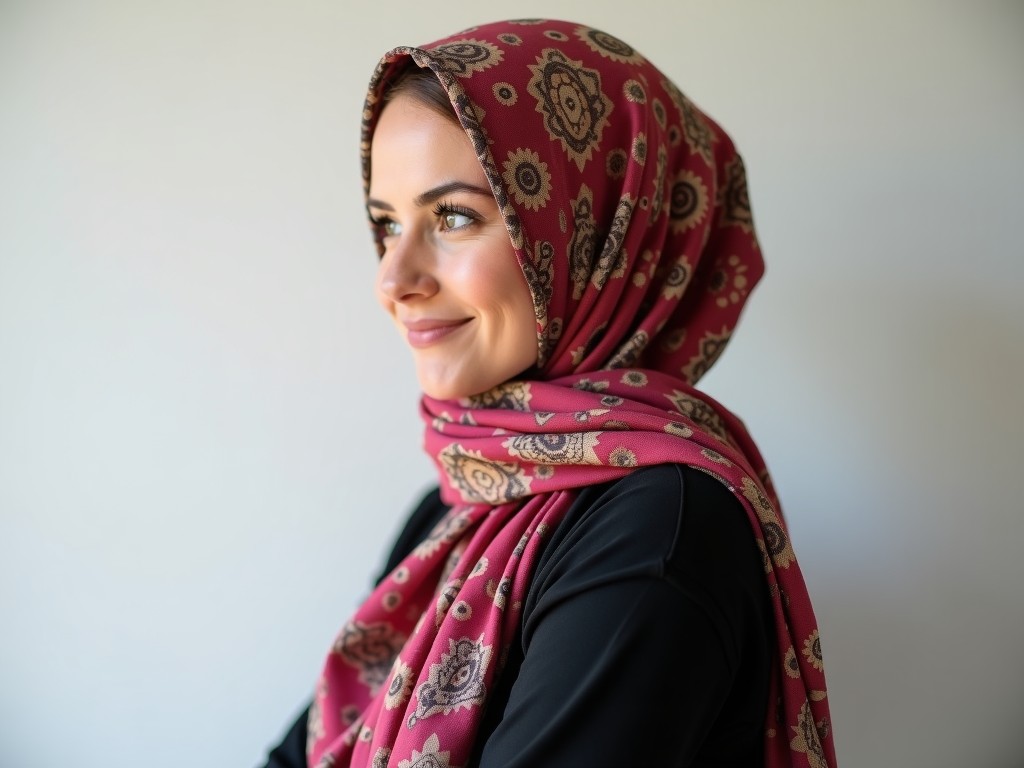
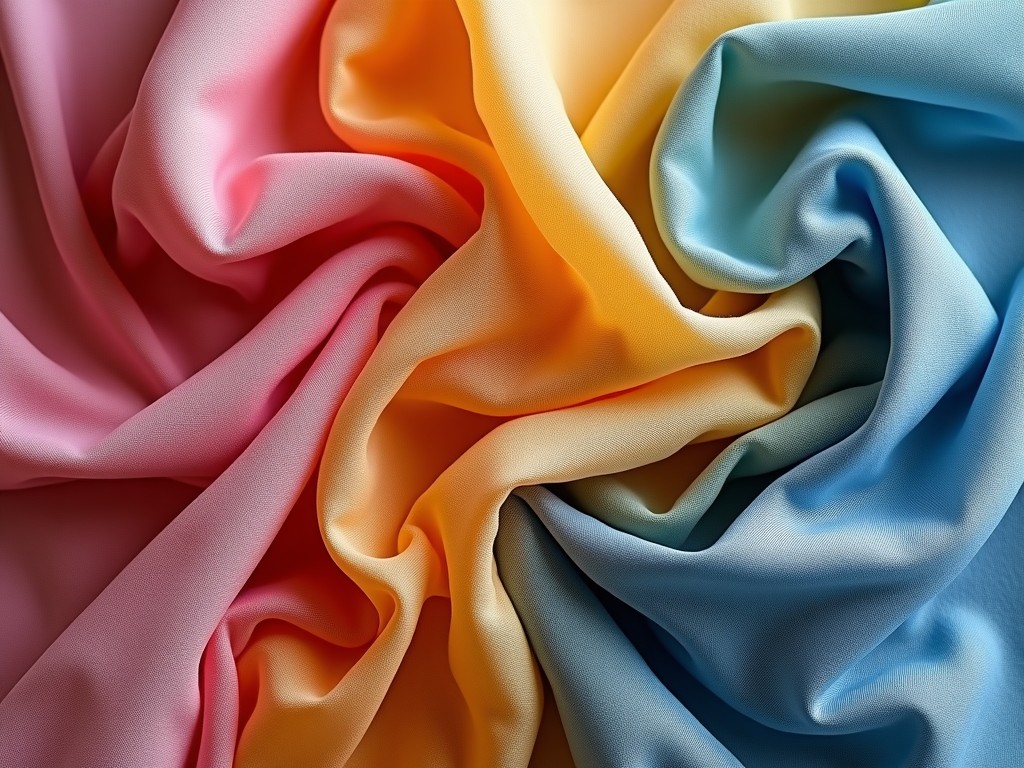
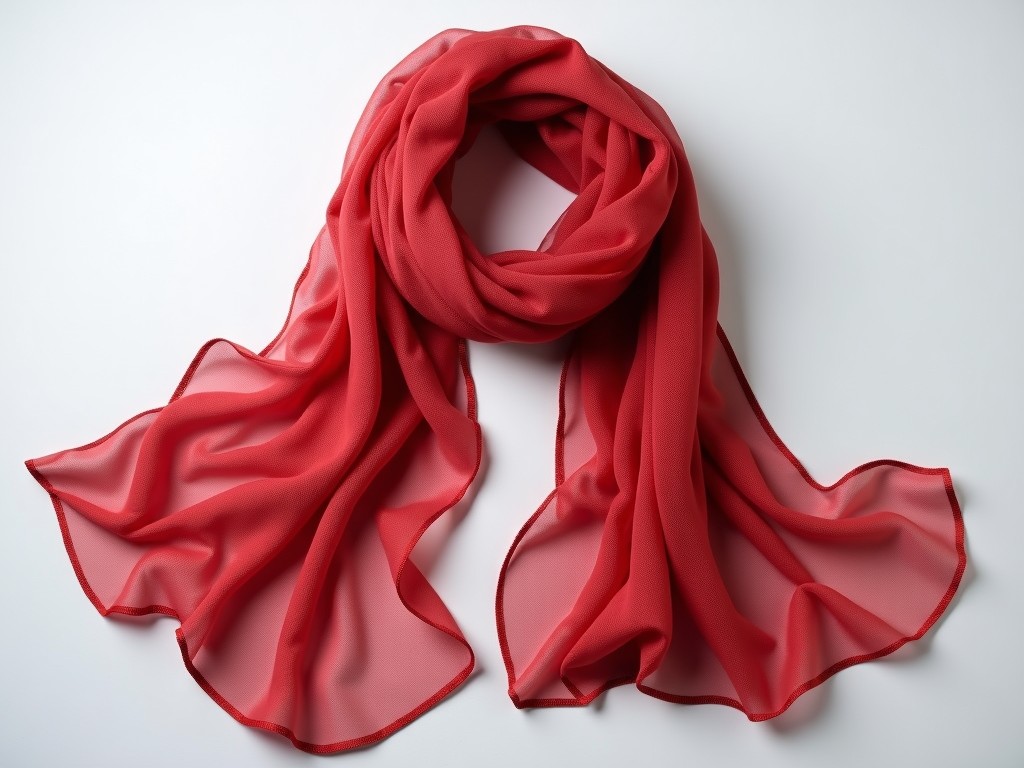
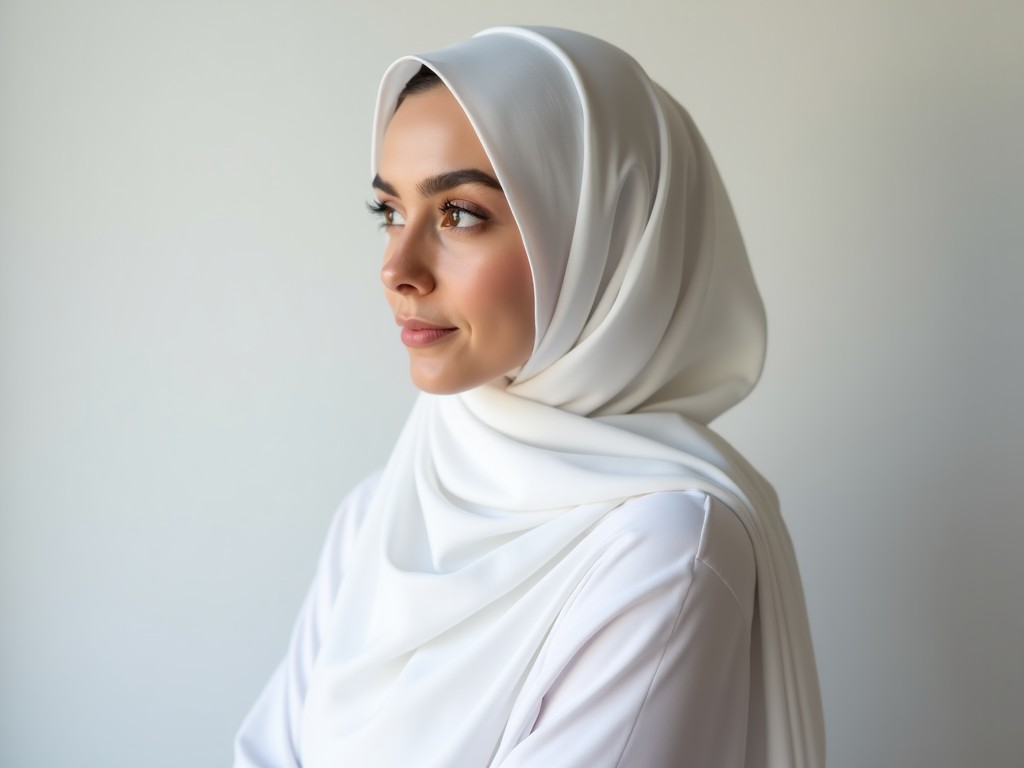
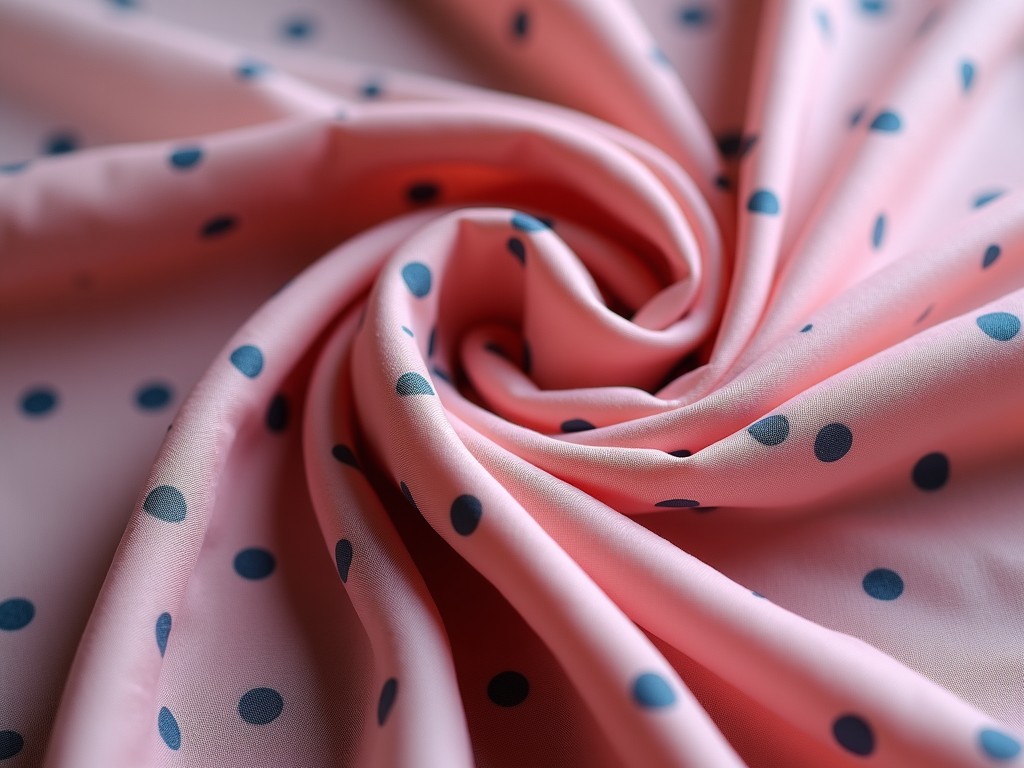
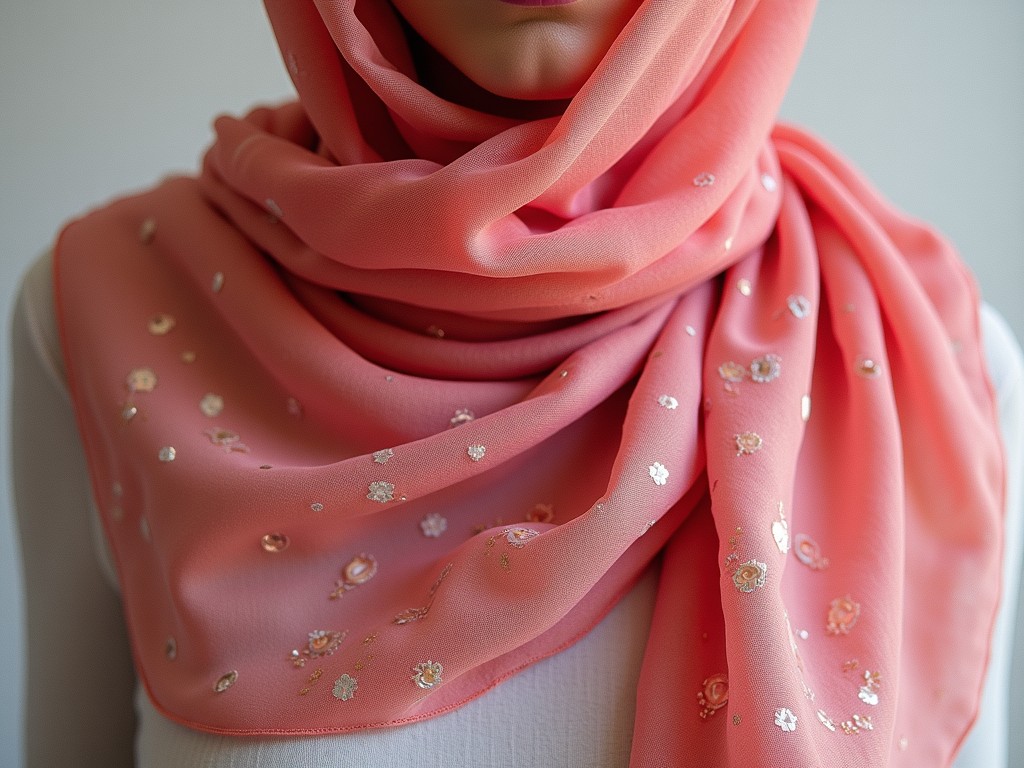
Sheer Cotton Voile Scarf Top Factory
Sheer cotton voile is a lightweight, plain-weave fabric characterized by its high thread count and low mass per unit area, typically ranging from 40 to 60 g/m². The fabric achieves its translucency
Sheer Cotton Voile Scarf Top Factory
Understanding Sheer Cotton Voile for Industrial Scarf Tops
Sheer cotton voile is a lightweight, plain-weave fabric characterized by its high thread count and low mass per unit area, typically ranging from 40 to 60 g/m². The fabric achieves its translucency through fine yarn construction—commonly using 60s to 80s Ne cotton singles—woven at densities exceeding 100 ends per inch in both warp and weft. This structure provides breathability and drape while maintaining sufficient tensile strength for garment construction, with typical tear resistance between 1.2 and 1.8 N in the warp direction and 1.0 to 1.5 N in the weft.
For scarf top applications, the fabric’s low bending rigidity (measured via cantilever test) allows it to form soft folds without creasing permanently, which is essential for layered or draped designs. The moisture regain of combed cotton voile is approximately 8.5% at standard atmospheric conditions, contributing to comfort in warm environments. Unlike synthetic sheers, cotton voile does not generate static charge, reducing dust attraction during handling and storage.
Manufacturing Considerations for Consistent Quality
Production begins with greige yarn inspection for neps, thick/thin places, and strength variation using automated yarn testing systems. Yarn unevenness (CV%) is controlled below 12% to ensure uniform fabric appearance. During weaving, loom speed is maintained between 180 and 220 picks per minute to prevent yarn breakage while achieving consistent pick density. Warp tension is monitored via load cells to avoid elongation differences that could cause bowing or skewing in the final fabric.
Post-weaving, the fabric undergoes controlled bleaching using hydrogen peroxide-stabilized systems to achieve whiteness without degrading fiber strength. Bleach bath pH is maintained between 9.5 and 10.5, with temperature held at 95–98°C for 60–90 minutes. Subsequent scouring removes natural waxes and impurities, increasing hydrophilicity. The fabric is then stenters to a target width of 145–150 cm with residual moisture controlled to 6–8% before drying to prevent over-drying, which can increase brittleness in fine yarns.
Customization Options for Industrial Buyers
Beyond standard white bleached voile, the factory supports custom dyeing using reactive dyes for cotton, which form covalent bonds with hydroxyl groups, providing excellent wash and light fastness (typically ISO 105-B02 rating 5–6). Dye lots are matched using spectrophotometer feedback with ΔE < 1.5 to ensure batch consistency. For applications requiring opacity variation, the fabric can be produced with engineered yarn blends—such as 80/20 cotton/viscose—to adjust translucency while maintaining drape characteristics.
Finishing options include softening via cationic emulsions (add-on 1–2% owf) to improve hand feel without reducing tear strength, or optical brightening agents (OBAs) at concentrations below 0.05% owf to enhance perceived whiteness. Edge treatments range from raw cut to narrow hemming (2–3 mm) or picot stitching, selected based on end-use stress points. Width can be slit to custom dimensions down to 15 cm for narrow trims, with tolerances held to ±2 mm.
Quality Control Protocol
Each batch undergoes 100% visual inspection under 5000 lux daylight-simulated lighting to detect flaws such as holes, stains, or mispicks. Acceptable quality level (AQL) is set at 0.65 for critical defects and 1.5 for major defects per ANSI/ASQ Z1.4. Fabric width is measured every 5 linear meters using laser sensors, with deviation limited to ±3 mm. Grammage is verified via grab sample weighing, targeting 50 g/m² ±5%.
Dimensional stability is assessed after 3 home launderings (ISO 6330) at 40°C, with skew and twist limited to 3% and length/width change to ±2%. Colorfastness to washing (ISO 105-C06) and perspiration (ISO 105-E04) is tested for dyed lots, requiring a minimum rating of 4. All test reports are retained for 36 months and available upon request. Final rolls are labeled with batch number, length, width, and inspection date.
Typical Applications in Apparel Manufacturing
Sheer cotton voile scarf tops are commonly used as overlay layers in blouses, dresses, and lingerie where lightweight drape and breathability are prioritized. The fabric’s low mass reduces shoulder strain in layered garments, making it suitable for warm-climate collections. Its compatibility with cotton-rich bases allows for seamless layering without differential shrinkage during washing—critical for maintaining garment shape over multiple cycles.
In bridal and evening wear, the fabric serves as a translucent yoke or sleeve panel, providing coverage without opacity. Its smooth surface accepts lightweight embroidery or appliqué without puckering, provided stabilizer weight does not exceed 15 g/m². For sleepwear and lingerie, the fabric’s moisture management and skin-friendly surface (friction coefficient < 0.3 against stainless steel) support comfort during extended wear.
| Parameter | Typical Value | Test Method |
|---|---|---|
| Grammage | 40–60 g/m² | ISO 3801 |
| Thread Count (Warp x Weft) | 100 x 100 to 130 x 130 ends/inch | ASTM D3775 |
| Tear Strength (Warp) | 1.2–1.8 N | ISO 9073-4 |
| Moisture Regain | 8.5% @ 65% RH, 20°C | ISO 139 |
| Whiteness Index (Bleached) | 75–85 | ISO 105-J02 |
| Width Tolerance | ±3 mm | Laser Measurement |
Packaging and Logistics Support
Finished rolls are wound onto paper cores with inner diameter of 76 mm and outer diameter not exceeding 250 mm to ensure compatibility with standard unwind equipment. Each roll is wrapped in polyethylene film (50 µm thickness) to prevent moisture ingress and soiling during transit. Outer packaging uses double-wall corrugated cartons with burst strength ≥ 275 kPa, sized to accommodate roll dimensions without excessive void space.
Cartons are labeled with barcodes containing batch number, length, width, gross/net weight, and destination code. For export shipments, cartons are palletized using heat-treated wooden pallets (ISPM 15 compliant) and secured with polypropylene straps. Container loading is optimized to maintain vertical roll orientation, preventing creasing. Transit damage claims are supported by pre-shipment inspection photos and packing lists retained for 90 days.
Inquiry and Sample Request Process
To initiate a quotation, please provide: target grammage (g/m²), required width (cm), length per roll (m), color specification (Pantone or dye sample reference), edge finish type, and order volume. For dyed submissions, a lab dip approval step is standard, requiring 3–5 working days after dye formula receipt. Sample lengths of 1–2 meters are available upon request, cut from production rolls to represent batch characteristics.
Lead time for greige goods is typically 10–14 days after order confirmation. Bleached or dyed goods require 18–25 days, inclusive of dyeing, finishing, and quality hold. All inquiries are acknowledged within 2 business days. Technical questions regarding yarn specifications, shrinkage behavior, or finishing compatibility can be directed to our textile engineering team.
Submit Inquiry for Technical Specification or Sample Request
Products
Related Products
News
Related News

2026-11-02
Cotton Voile Scarf Manufacturing and Performance Analysis how to make a cotton voile scarfCreating a professional-grade cotton voile scarf requires a precise balance of textile engineering and artisanal finishing. Unlike standard cotton weaves, voile is defined by its p···
2026-10-28
chiffon hijab Technical Production and Performance AnalysisSelecting the right fabric for a hijab involves a delicate balance between modesty, breathability, and aesthetic drape. For many women in Southeast Asia and the Middle East, the ma···

2026-10-26
custom silk scarf textile manufacturing and performance analysisSelecting a high-quality scarf is no longer just about color matching; it is an exercise in understanding how textile weight, drape, and print scale interact with individual facial···