Pink Cotton Voile Fabric Top Factory


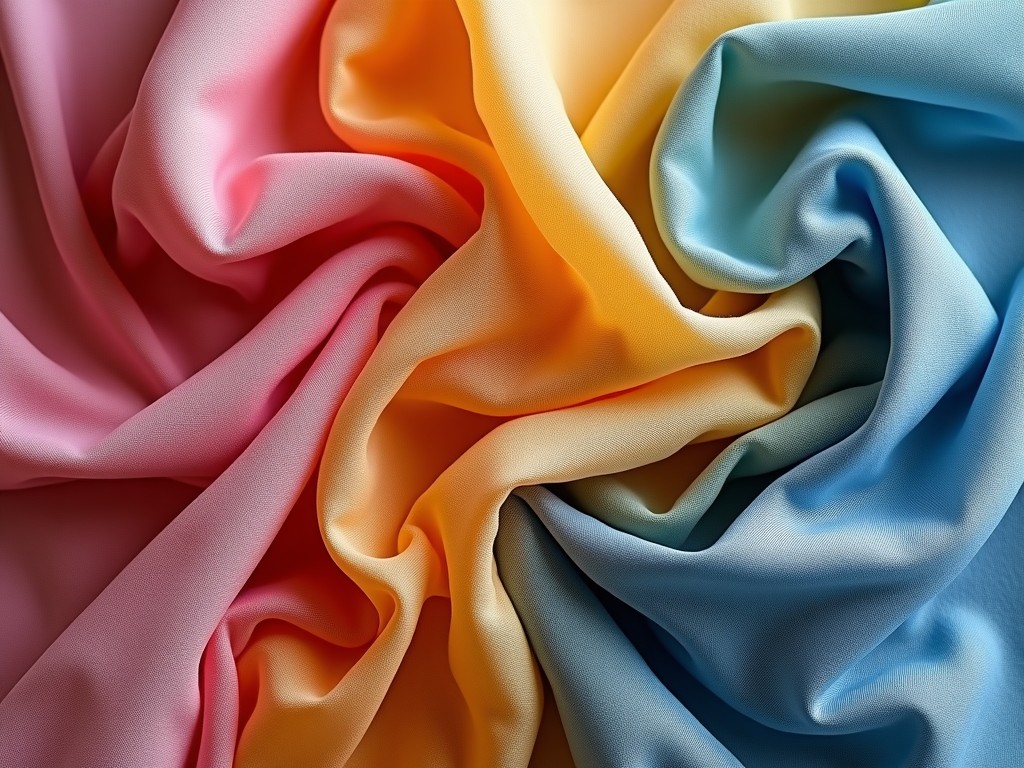
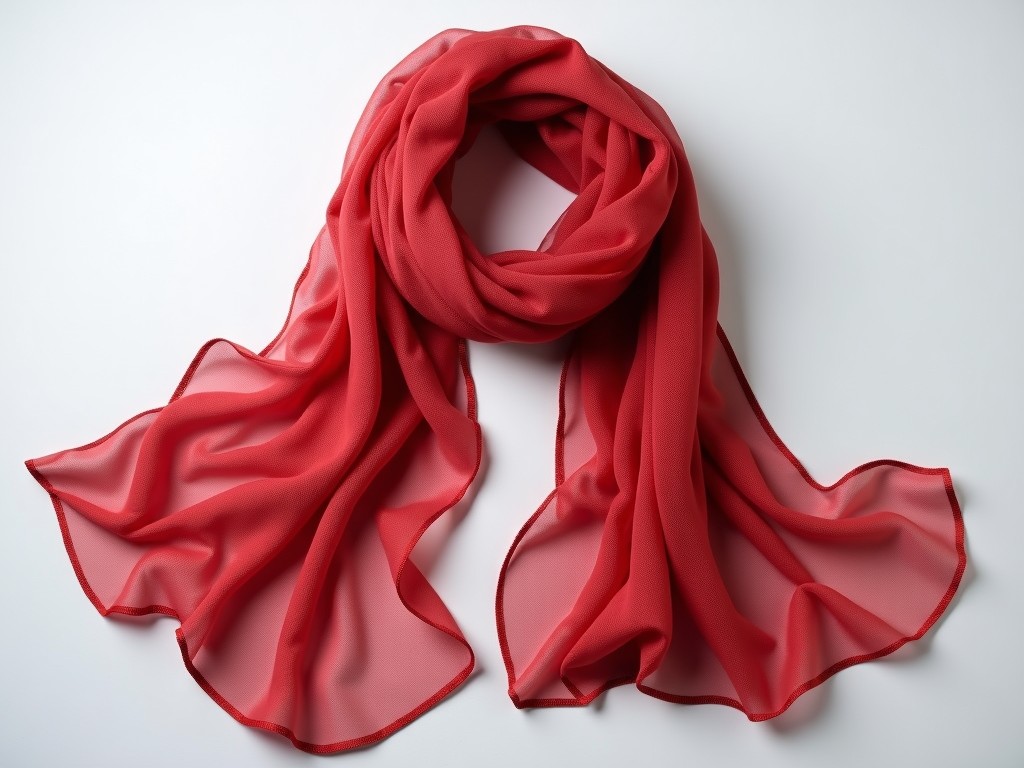

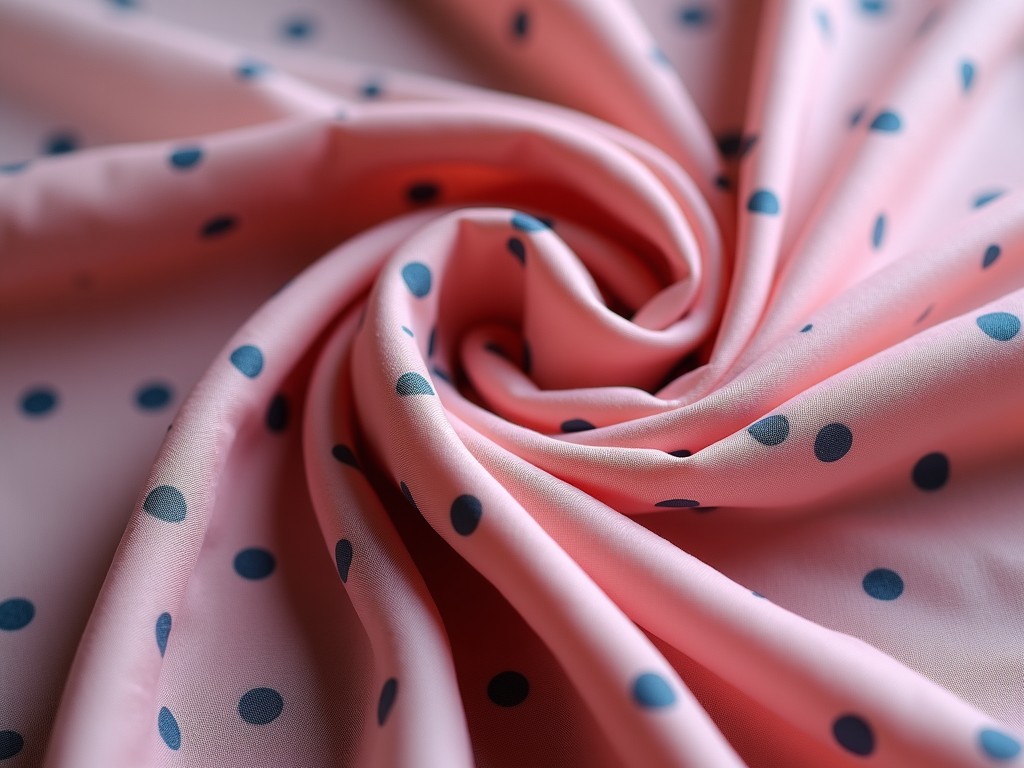

Pink Cotton Voile Fabric Top Factory
Pink cotton voile fabric is a lightweight, semi-sheer textile engineered for applications requiring controlled light diffusion, breathability, and consistent surface characteristics. Its open plain
Pink Cotton Voile Fabric for Industrial Applications
Pink cotton voile fabric is a lightweight, semi-sheer textile engineered for applications requiring controlled light diffusion, breathability, and consistent surface characteristics. Its open plain weave structure, typically constructed with single-ply combed cotton yarns in the warp and weft, delivers a predictable balance of tensile strength and air permeability. This material serves as a functional intermediary layer in processes where visual monitoring, gentle filtration, or temporary shielding is required without compromising operational visibility.
The specified pink hue is achieved through vat or reactive dyeing processes optimized for cotton cellulose, ensuring colorfastness under prolonged exposure to indoor lighting and moderate humidity. Unlike surface-coated alternatives, the dye penetrates the fiber core, minimizing the risk of flaking or particulate shedding during handling. This characteristic is particularly relevant in cleanroom-adjacent environments or precision assembly lines where surface integrity directly impacts yield.
Technical Specifications and Construction Parameters
Factory production of pink cotton voile adheres to standardized construction parameters to ensure lot-to-lot consistency. The base fabric is typically woven using 60s to 80s Ne combed cotton yarns, resulting in a nominal weight range of 45–65 gsm. Thread density falls between 80–100 ends per inch (EPI) and 60–80 picks per inch (PPI), creating a uniform mesh-like appearance with calculable open area.
Air permeability, measured per ASTM D737, typically ranges from 180–300 cm³/cm²/s at 100 Pa pressure drop, enabling predictable airflow in ventilation or drying applications. Tensile strength in the warp direction averages 25–35 N/5cm, with elongation at break between 8–12%, reflecting the inherent properties of combed cotton under low-stress conditions. Dimensional stability after washing is maintained within ±3% shrinkage when processed at 40°C, a critical factor for reusable components.
Functional Advantages in Industrial Workflows
The semi-transparent nature of cotton voile allows for visual inspection of underlying processes without physical obstruction. In textile printing or laminating lines, it functions as a protective overlay that prevents surface abrasion while permitting UV or infrared curing energy to penetrate uniformly. Its low mass minimizes inertia in high-speed roll-to-roll systems, reducing mechanical strain on tension rollers and guide mechanisms.
Breathability prevents moisture accumulation between layers, mitigating the risk of microbial growth or delamination in multi-material stacks. The fabric’s hygroscopic nature absorbs and releases ambient moisture gradually, contributing to microclimate stabilization in enclosed assemblies. Unlike synthetic films, cotton voile does not generate static charges under dry handling, eliminating electrostatic discharge risks in sensitive electronics integration.
Customization Options for Specific Use Cases
While the base construction follows industry norms, key parameters can be adjusted to align with specific process demands. Yarn count selection directly influences weight and opacity—finer yarns increase translucency and drape, while heavier counts enhance durability for repeated cycling. Width availability typically spans 150 cm to 320 cm, accommodating standard roll-to-roll machinery without requiring slitting or splicing.
Color tolerance can be tightened to ±1.5 ΔE (CIELAB) upon request, critical for applications where visual consistency affects downstream quality perception. Edge treatments include heat-cutting, ultrasonic sealing, or fold-and-stitch hems to prevent fraying during automated handling. For single-use scenarios, the fabric can be supplied with a biodegradable starch-based sizing to improve stiffness during conversion, which dissipates after initial wash.
Quality Assurance and Inspection Protocols
Factory quality control incorporates inline and batch-level checks to verify conformance with technical agreements. Greige fabric is inspected for yarn defects, neps, and weaving faults using backlit inspection tables at 500 lux luminance. Post-dyeing, shade uniformity is assessed via spectrophotometer across multiple points per roll, with delta-E values documented for traceability.
Physical testing includes tensile strength (ASTM D5034), tear resistance (ASTM D2261), and air permeability (ASTM D737) performed on every third roll. Colorfastness to light (AATCC TM16) and washing (AATCC TM61) is evaluated per lot, with results archived for a minimum of 36 months. Rolls are wound with consistent tension and interleaved with acid-free tissue to prevent surface marking during transit.
Typical Industrial Applications
Pink cotton voile finds utility in scenarios where temporary separation, diffusion, or protection is required without impeding process visibility or airflow. In automotive interior trim manufacturing, it serves as a release layer between foam and fabric during compression molding, preventing sticking while allowing thermal imaging of cure progression. The pink color aids in quick visual identification of the layer within complex stacks.
In agricultural technology, the fabric is used as a protective cover for seedling trays in greenhouse environments, balancing light transmission with pest exclusion while maintaining gas exchange. Its biodegradability ensures no long-term residue in soil upon eventual disposal. Medical device manufacturers employ it as a wicking layer in absorbent pads, leveraging cotton’s hydrophilicity to distribute fluids evenly across the surface.
| Parameter | Typical Range | Test Method |
|---|---|---|
| Weight (gsm) | 45–65 | ASTM D3776 |
| Warp Tensile Strength (N/5cm) | 25–35 | ASTM D5034 |
| Air Permeability (cm³/cm²/s) | 180–300 | ASTM D737 |
| Shrinkage (% at 40°C) | ±3 | AATCC TM135 |
| Colorfastness to Light (Rating) | 4–5 | AATCC TM16 |
Environmental considerations are integrated into production planning. Cotton sourcing prioritizes farms with verified water stewardship and reduced pesticide use, aligning with textile exchange standards. Dyeing processes employ low-liquor-ratio machinery and reactive dyes with high fixation rates to minimize wastewater load. Offcuts are segregated for mechanical recycling into nonwoven insulation or padding materials, supporting circularity initiatives.
The fabric complies with OEKO-TEX® Standard 100 requirements for harmful substances, with certification available upon request. This ensures suitability for indirect food contact applications or environments where dermal exposure is possible. All technical documentation, including SDS and conformity declarations, is provided in English and can be adapted for regional regulatory frameworks.
For engineering teams evaluating material suitability, sample rolls are available for accelerated testing under simulated process conditions. Technical support includes guidance on optimal tension settings, edge handling, and compatibility with adhesives or coatings. To initiate a quotation or request detailed technical datasheets, please contact our application engineering team.
Products
Related Products
News
Related News
2026-11-02
Cotton Voile Scarf Manufacturing and Performance Analysis how to make a cotton voile scarfCreating a professional-grade cotton voile scarf requires a precise balance of textile engineering and artisanal finishing. Unlike standard cotton weaves, voile is defined by its p···
2026-10-28
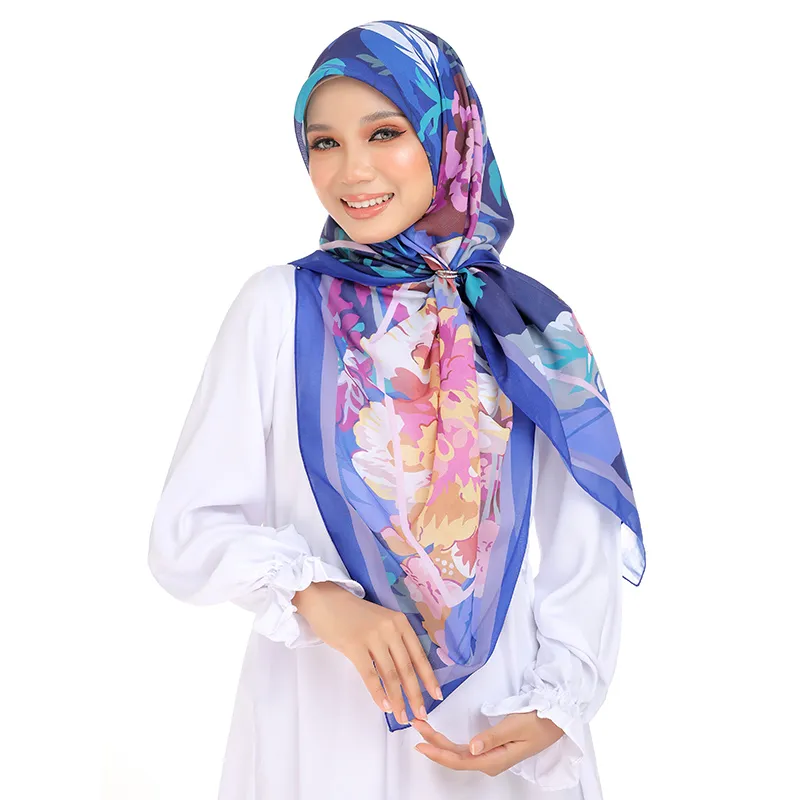
chiffon hijab Technical Production and Performance AnalysisSelecting the right fabric for a hijab involves a delicate balance between modesty, breathability, and aesthetic drape. For many women in Southeast Asia and the Middle East, the ma···
2026-10-26
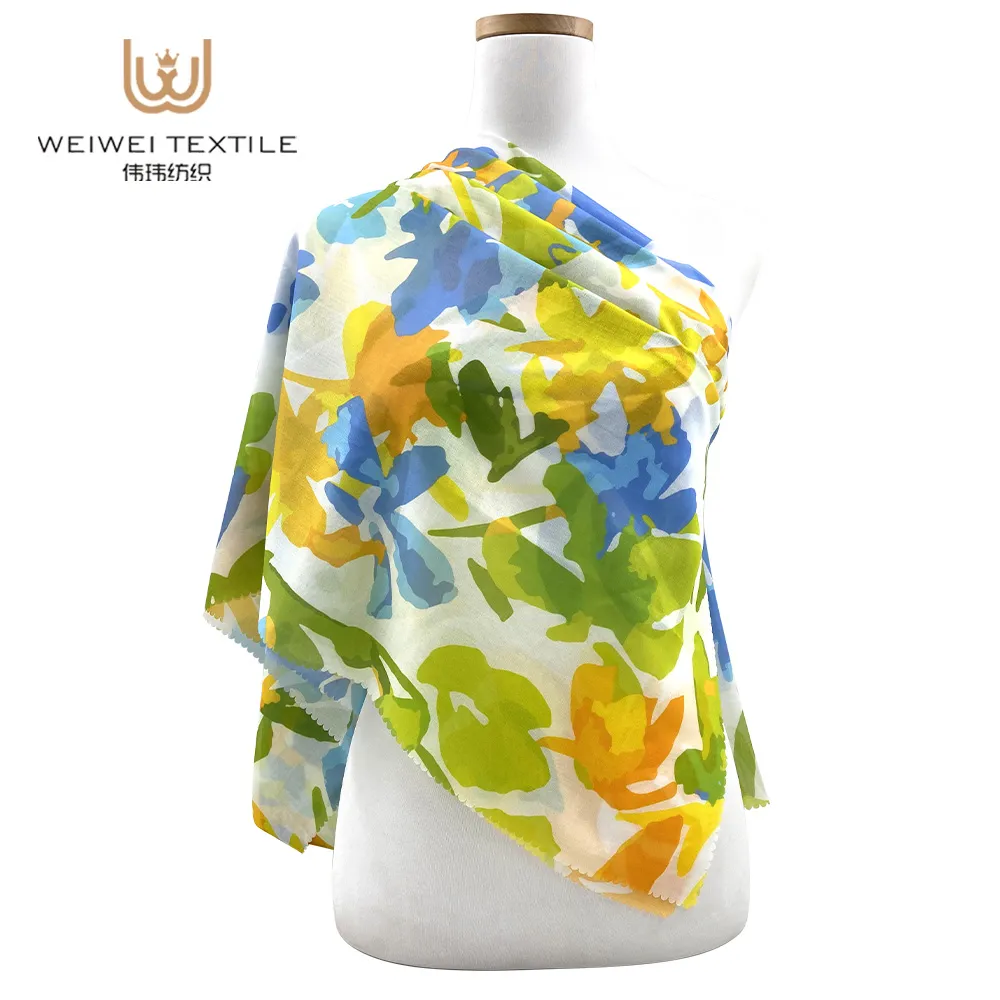
custom silk scarf textile manufacturing and performance analysisSelecting a high-quality scarf is no longer just about color matching; it is an exercise in understanding how textile weight, drape, and print scale interact with individual facial···