Foulard Hijab Voile Scarf Top Factory

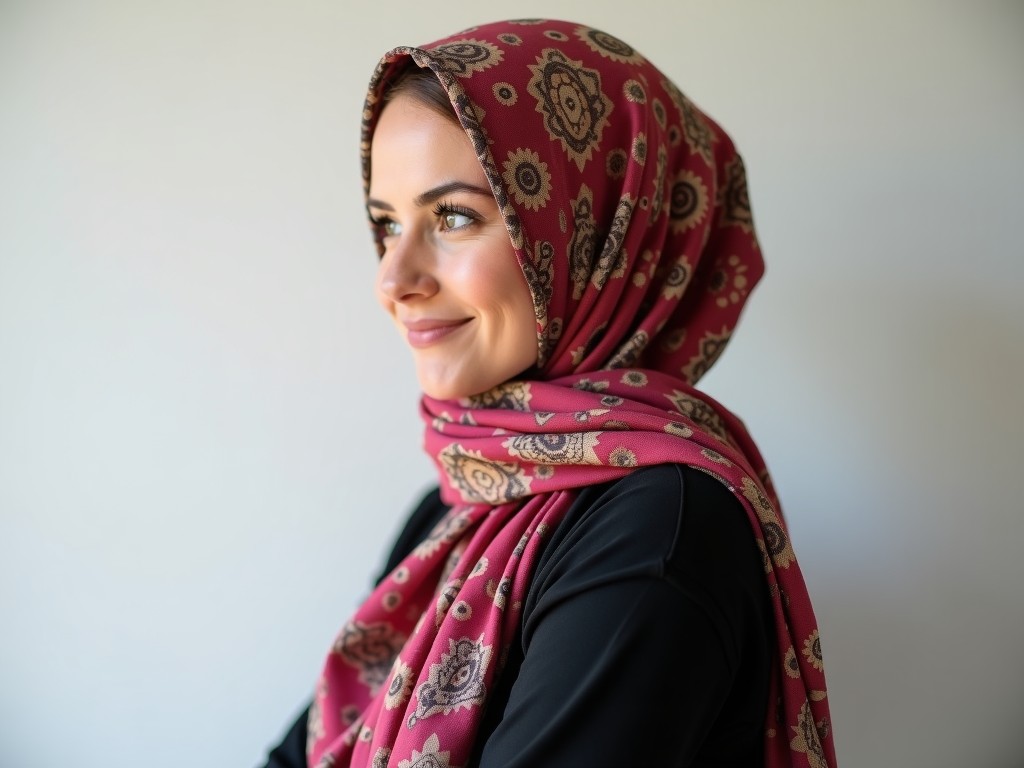

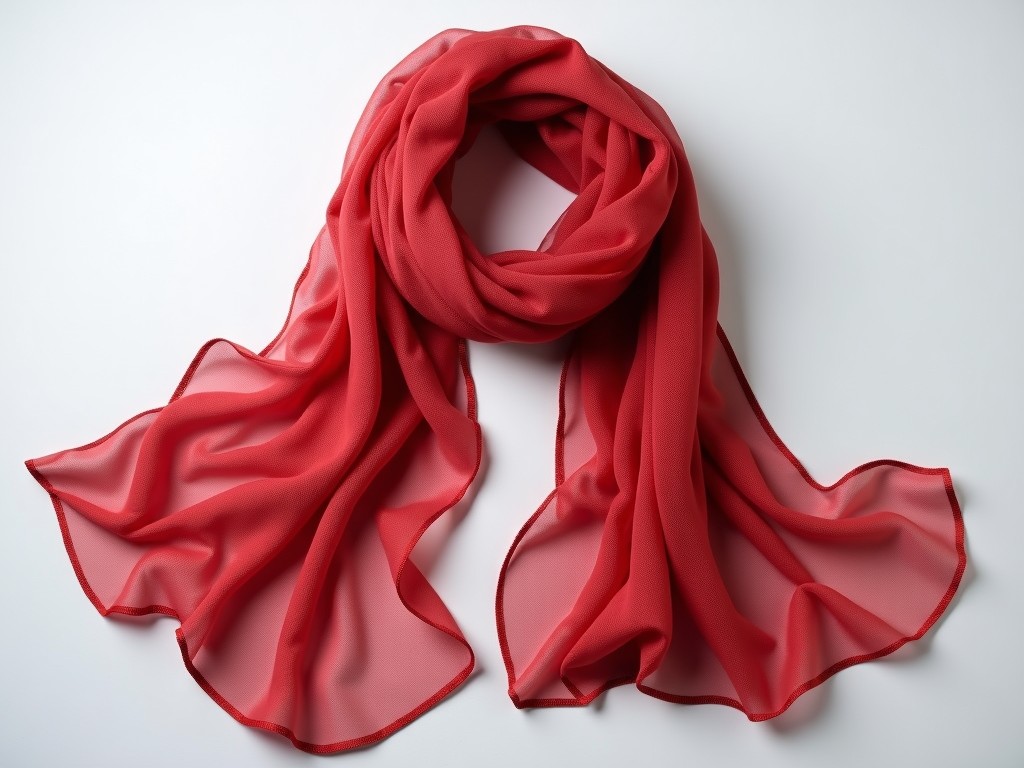
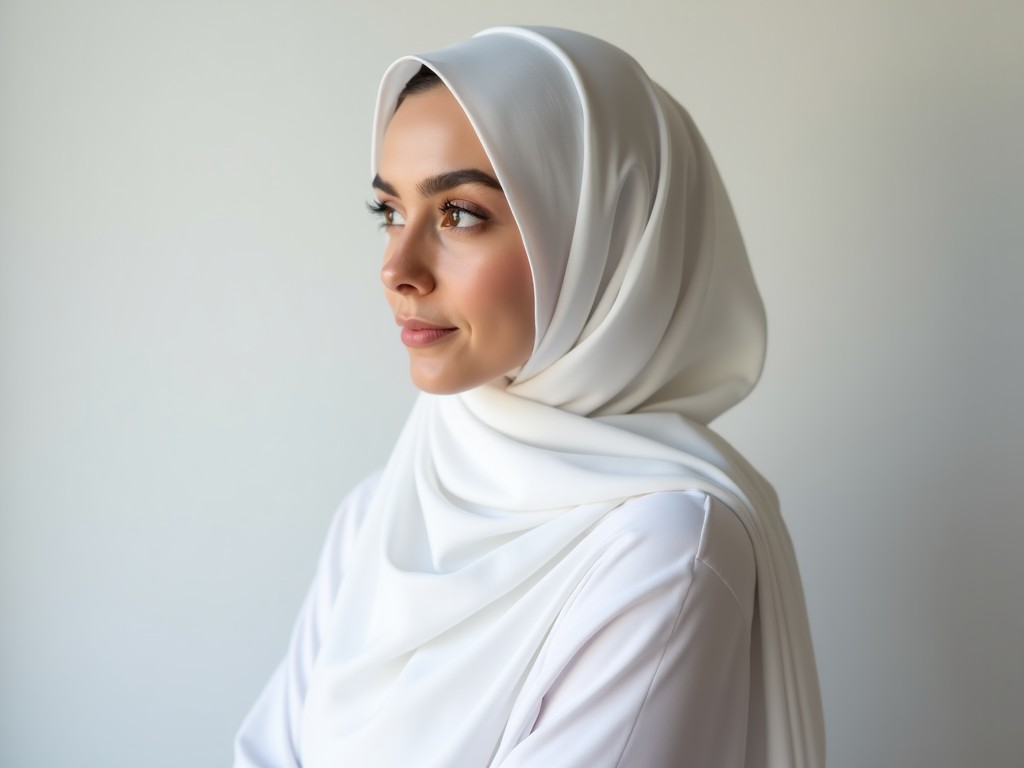
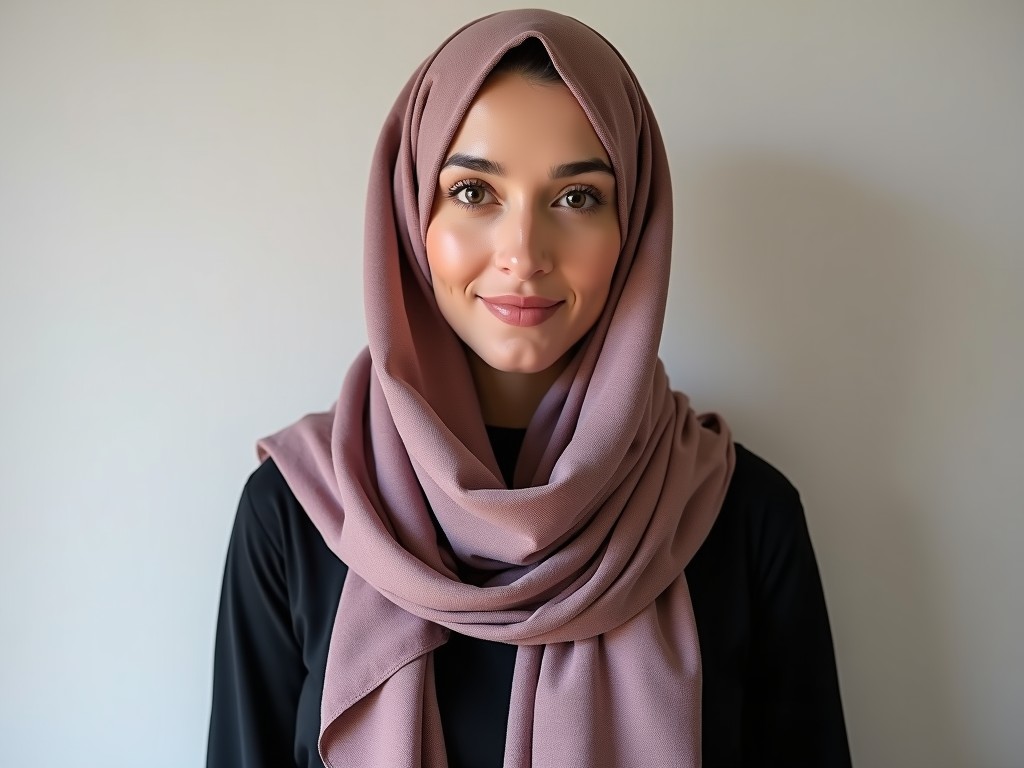
Foulard Hijab Voile Scarf Top Factory
The base material for our voile scarf tops is a lightweight, plain-weave polyester chiffon with a nominal weight of 45 gsm (±5%). This construction provides a drape coefficient of 0.82 measured under
Foulard Hijab Voile Scarf Top Factory
Material Composition and Fabric Properties
The base material for our voile scarf tops is a lightweight, plain-weave polyester chiffon with a nominal weight of 45 gsm (±5%). This construction provides a drape coefficient of 0.82 measured under ASTM D1388, ensuring fluid movement without excessive transparency. The fabric undergoes a heat-setting process at 180°C for 90 seconds to stabilize dimensional stability, limiting shrinkage to less than 1.5% after five wash cycles at 40°C.
Colorfastness is evaluated using ISO 105-B02 for light exposure and ISO 105-E04 for washing, with ratings typically achieving grade 4 or higher for both criteria. The yarn count is 150D/24F, providing a balance between tensile strength (minimum 2.8 cN/tex) and flexibility. Surface treatment includes a mild silicone softener application at 0.8% owf to reduce static cling and improve hand feel without compromising breathability.
For applications requiring enhanced opacity, a double-layer variant is available using two plies of the same chiffon, increasing the effective weight to 85 gsm while maintaining air permeability above 180 mm/s (ISO 9237). This option is commonly selected for institutional uniforms where modesty and comfort are both specified.
Dimensional Specifications and Cutting Tolerances
Standard foulard hijab voile scarf tops are produced with a finished width of 110 cm (±1 cm) and a length of 180 cm (±2 cm) measured along the selvage. These dimensions are optimized for single-layer wrapping styles common in South Asian and Middle Eastern markets. The hem is folded 6 mm and secured with a 3-needle flatlock stitch, resulting in a finished edge width of 12 mm that resists curling after repeated use.
Cutting is performed on automated rotary tables with laser-guided alignment, maintaining a positional tolerance of ±0.5 mm across the fabric width. This ensures consistent pattern alignment for printed variants, critical when logos or geometric motifs must remain symmetrical. Each layer is inspected under 500 lux illumination to detect snags, misprints, or yarn breaks before proceeding to stitching.
Custom dimensions are available upon request, with minimum order quantities starting at 500 pieces per size variant. Length adjustments beyond ±5 cm require reprofiling of the cutting die and may affect material yield, which is recalculated per project to provide accurate pricing. Width modifications are limited to ±10 cm due to loom constraints; wider formats necessitate seamless splicing techniques that are evaluated case-by-case.
Stitching Techniques and Seam Integrity
Seam construction uses polyester-covered elastomeric core thread (40wt) with a loop strength of 3.2 N, selected for its recovery properties under cyclic stress. The primary seam is a 4-thread overlock stitch with a stitch density of 8 stitches/cm, providing elongation capacity of up to 30% before thread breakage. This configuration accommodates the fabric’s natural stretch during wear without inducing seam grinning.
Reinforcement points at the headband attachment (if applicable) utilize a bartack pattern of 28 stitches in a 10 mm × 3 mm rectangle, achieving a peel resistance of 18 N. Bar tacks are placed 15 mm from the edge to avoid fabric tearing during stress application. All seams are visually inspected under 10x magnification for skipped stitches, thread looping, or tension imbalance.
For printed designs, stitch color is matched to the dominant hue using Pantone+ solid coated references, with Delta E < 2.0 under D65 lighting to ensure visual harmony. Contrast stitching is available as a custom option but requires separate thread sourcing and may extend lead time by 3–5 days due to changeover procedures on the sewing line.
Quality Control and Inspection Protocol
Each production batch undergoes a three-stage inspection: incoming fabric audit, in-process monitoring, and final random sampling per ANSI/ASQ Z1.4-2020 (Level II). Incoming fabric is tested for weight, width, and color consistency across five random rolls per lot, with acceptance criteria based on moving averages. Any deviation beyond ±3% triggers supplier notification and possible lot hold.
During production, operators perform hourly checks on stitch tension using a calibrated tensiometer (range 0–5 N), adjusting feed mechanisms if readings fall outside 2.0–2.5 N. Needle breaks are logged and traced to specific heads; machines are stopped immediately for maintenance if two breaks occur within 15 minutes. Fabric feed alignment is verified hourly using optical sensors to prevent skew accumulation.
Final inspection evaluates 10% of the lot for dimensions, seam quality, color uniformity, and defect classification. Defects are categorized as critical (holes, open seams, major stains), major (visible misprints, uneven dyeing), or minor (loose threads, slight shade variation). Acceptable quality limits are set at 0.4% critical, 1.5% major, and 4.0% minor. Samples are retained for 90 days for traceability.
Packaging and Logistics Considerations
Each scarf top is individually folded to a uniform size of 25 cm × 15 cm × 2 cm using a pneumatically assisted folding board, ensuring consistent package dimensions for automated handling. The fold follows a tri-fold method: length folded in thirds, then width halved, minimizing crease formation along the warp direction. A single 80gsm polypropylene bag (30μm thickness) provides moisture barrier protection with a water vapor transmission rate of 1.8 g/m²/24h.
Cartons are constructed from single-wall corrugated fiberboard (ECT 32 kN/m) with internal dimensions of 40 cm × 30 cm × 25 cm, holding 50 units per carton. Stacking strength is tested per TAPPI T809, supporting up to 6 cartons vertically without deformation. External markings include QR codes linking to batch-specific test reports, enabling downstream traceability for audits.
For export shipments, cartons are strapped with 12mm polypropylene bands at 300 N tension and loaded onto standard EUR pallets (800×1200 mm). Palletized units are stretch-wrapped with 17μm LLDPE film at 50% pre-stretch, providing lateral stability equivalent to 0.15g acceleration. Desiccant packets (silica gel, 5g) are included per carton to maintain relative humidity below 60% during transit.
Customization Options and Engineering Support
Customization begins with technical consultation to define functional requirements: coverage area, fastening method, environmental exposure, and care instructions. For instance, healthcare clients may request antimicrobial treatment using zinc pyrithione at 0.5% owf, validated per ISO 20743 to achieve 99.9% reduction in Staphylococcus aureus after 24 hours. Industrial users often specify UV-stabilized polyester with HALS additives to retain 80% tensile strength after 500 hours of xenon arc exposure (ISO 4892-2).
Printing options include sublimation for full-color designs (minimum 300 dpi) or screen printing for spot colors (up to 6 colors). Sublimation requires polyester content ≥85% to ensure dye fixation; lower blends necessitate direct-to-fabric reactive printing with subsequent steaming. Embroidery is limited to 8,000 stitches per logo to prevent puckering, with underlay stitching calibrated to 15% density for lightweight fabrics.
All custom specifications are documented in a production dossier that includes material safety data sheets, process parameters, and inspection criteria. Prototypes are produced within 7–10 business days after design approval, allowing for wear testing and dimensional validation before full-scale production. Clients receive a first-article inspection report detailing measurements, seam strength, and colorfastness results.
Comparison Table: Standard vs. Custom Variants
| Parameter | Standard Variant | Custom Variant (Upon Request) |
|---|---|---|
| Fabric Weight | 45 gsm (±5%) | 45–70 gsm (blend options available) |
| Width | 110 cm (±1 cm) | 90–130 cm (±1 cm) |
| Length | 180 cm (±2 cm) | 150–220 cm (±2 cm) |
| Colorfastness (Light) | ISO 105-B02 Grade 4+ | Customizable per project (Grade 3–5) |
| Seam Type | 4-thread overlock | Overlock, flatlock, or taped seam |
| Packaging Unit | 50 pcs/carton | 25–100 pcs/carton (customizable) |
| Lead Time | 14–18 days (MOQ 500) | 18–25 days (depends on complexity) |
Applications in Industrial and Institutional Settings
In healthcare environments, these voile scarf tops serve as modular under-scrub hijabs for medical staff requiring head coverage during prolonged shifts. The lightweight construction reduces thermal buildup, with measured thermal resistance of 0.08 m²·K/W (ASTM C518), contributing to wearer comfort in non-sterile zones. The smooth surface minimizes particle retention, supporting compliance with ISO 14644-1 Class 8 cleanroom adjunct areas when combined with proper donning protocols.
Educational institutions specify these products for uniform consistency across diverse student populations. The dimensional stability ensures that printed school logos or crest motifs remain aligned after repeated laundering, critical for maintaining brand identity. The fabric’s low pilling tendency (ISO 12945-2 Grade 4 after 5,000 cycles) preserves appearance over semesters of use, reducing replacement frequency.
Industrial laundry operators favor this construction due to its tolerance for high-temperature washing (up to 75°C) and tumble drying without delamination or seam failure. The polyester base resists hydrolysis better than cellulosic alternatives, extending service life in institutional wash cycles. Quick-dry characteristics—measured at 90% moisture removal in 45 minutes under 25°C/50% RH—reduce energy costs in downstream drying processes.
Ordering Process and Technical Support
To initiate a quotation, clients should provide: target annual quantity, preferred dimensions, color references (Pantone or fabric swatch), intended use case, and any required certifications (e.g., OEKO-TEX® Standard 100, ISO 9001). This information enables accurate material sourcing, process planning, and cost modeling. We do not provide quotes based on vague descriptions; technical specificity reduces revision cycles and ensures alignment.
Upon receipt of specifications, our engineering team reviews for manufacturability, flagging potential issues such as unsuitable color combinations for sublimation or seam placement conflicts with logos. A formal quote includes tooling costs (if applicable), unit pricing, lead time, and payment terms. Samples are produced at client expense but credited toward the first order if approved.
After order confirmation, clients receive a production schedule with milestone checkpoints: fabric receipt, cutting completion, stitching finish, inspection batch, and packaging. Updates are provided via email at each stage. We maintain a change log for any deviations from the approved spec, requiring client sign-off before proceeding. All documentation is retained for 36 months post-shipment.
Products
Related Products
News
Related News

2026-11-02
Cotton Voile Scarf Manufacturing and Performance Analysis how to make a cotton voile scarfCreating a professional-grade cotton voile scarf requires a precise balance of textile engineering and artisanal finishing. Unlike standard cotton weaves, voile is defined by its p···
2026-10-28
chiffon hijab Technical Production and Performance AnalysisSelecting the right fabric for a hijab involves a delicate balance between modesty, breathability, and aesthetic drape. For many women in Southeast Asia and the Middle East, the ma···

2026-10-26
custom silk scarf textile manufacturing and performance analysisSelecting a high-quality scarf is no longer just about color matching; it is an exercise in understanding how textile weight, drape, and print scale interact with individual facial···