China Crushed Voile Sheer Scarf

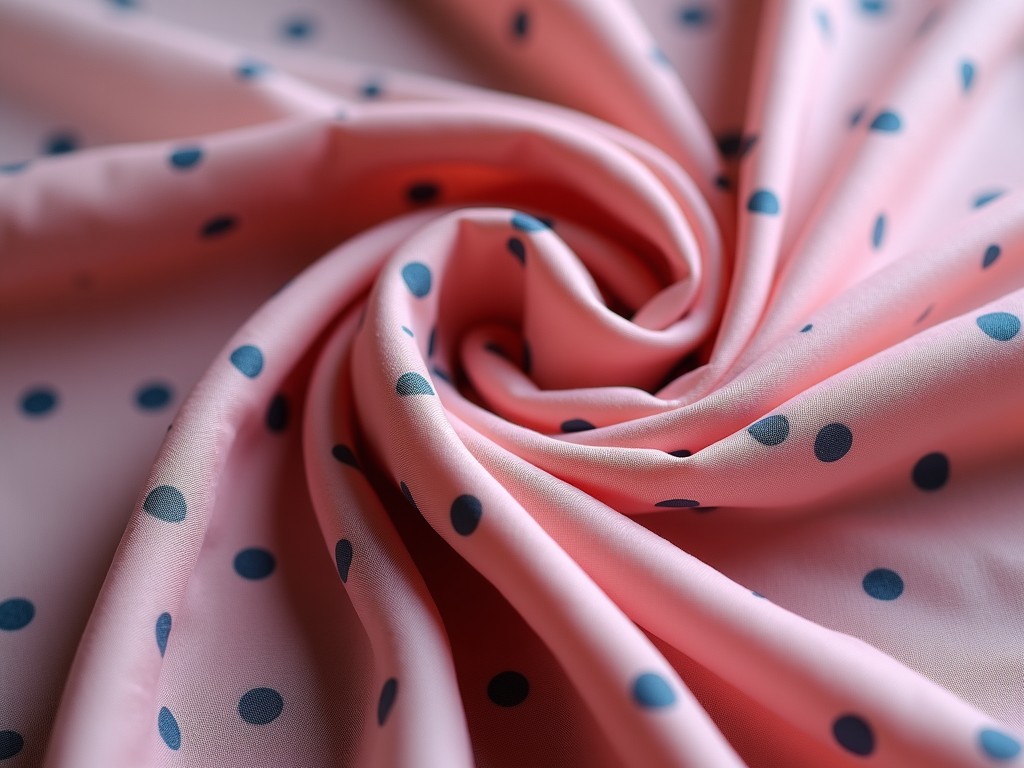

China Crushed Voile Sheer Scarf
Crushed voile sheer scarves from China are lightweight textile products made from finely twisted synthetic or natural filaments, processed through a controlled crumpling technique to create a
China Crushed Voile Sheer Scarf
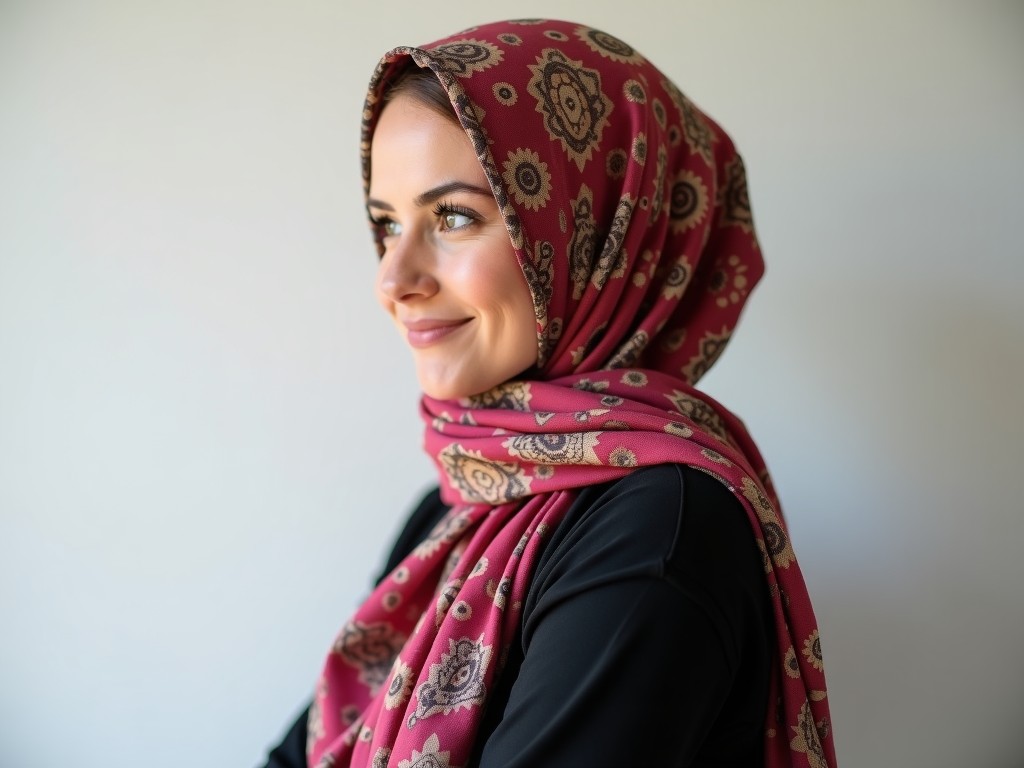
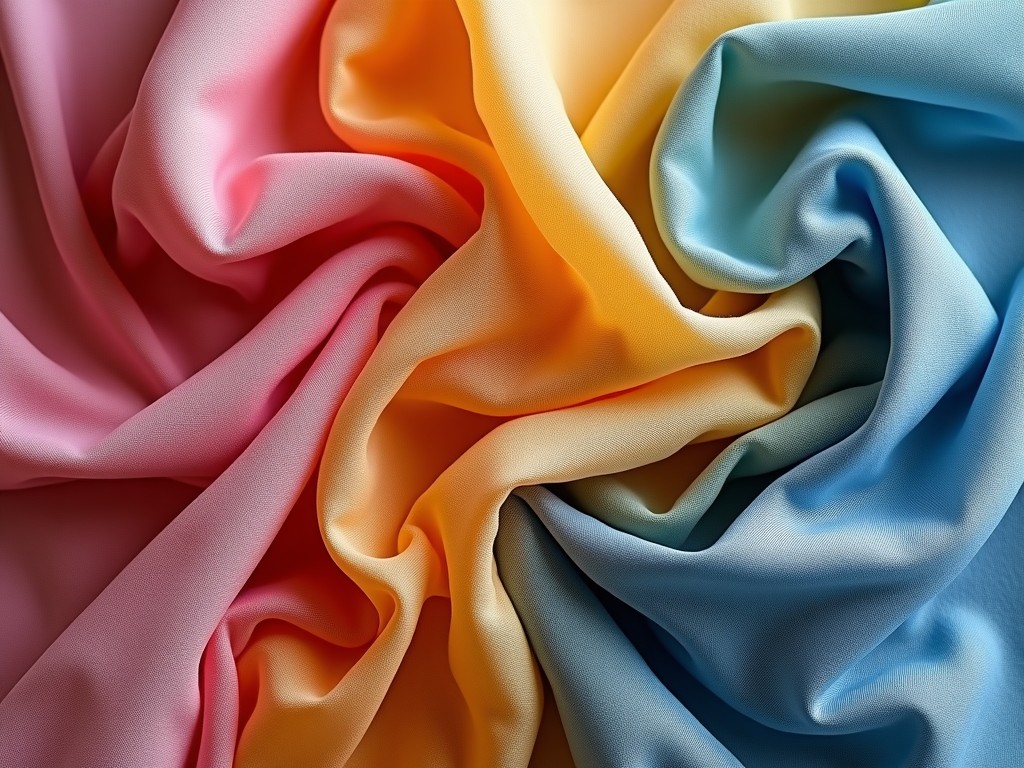
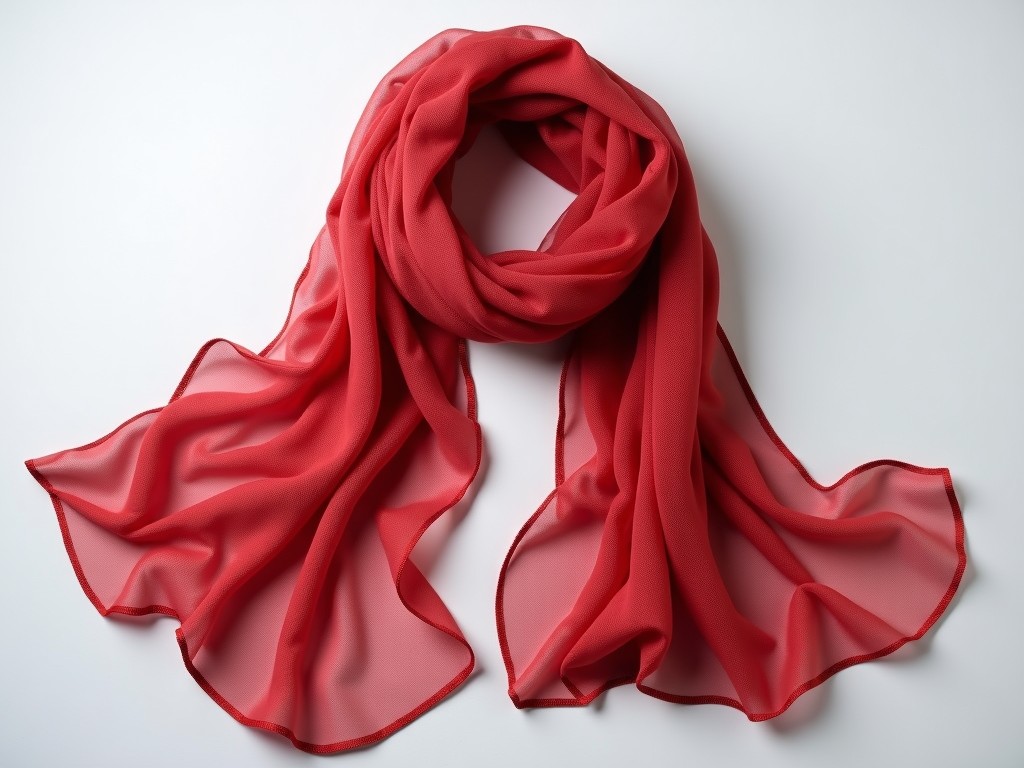
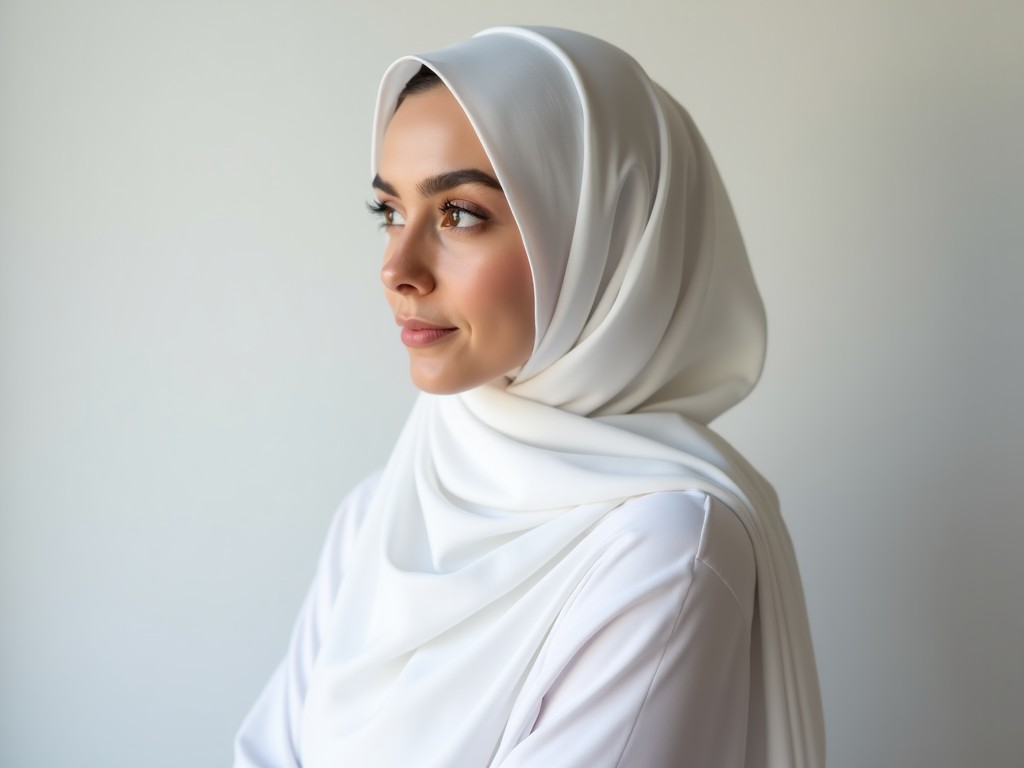
Crushed voile sheer scarves from China are lightweight textile products made from finely twisted synthetic or natural filaments, processed through a controlled crumpling technique to create a permanent, non-woven texture while retaining translucency. This method alters the fabric’s drape and surface reflection without compromising tensile integrity, making it suitable for applications requiring visual softness and breathability. The following details outline material behavior, structural properties, and industrial considerations relevant to procurement and design integration.
Material Composition and Filament Characteristics
The base fabric is typically constructed from polyester filament yarns with a denier range of 15–30 dtex, chosen for its dimensional stability under humidity and resistance to UV-induced yellowing. Some variants use viscose or silk-blend filaments for enhanced moisture regain, though these require stricter environmental controls during storage and processing. Yarn twist levels are maintained between 80–120 TPM to balance sheerness with enough cohesion to withstand the crushing process without filament slippage or breakage.
Crushing is achieved through regulated heat and pressure application—commonly between 130–160°C and 0.2–0.4 MPa—for 8–15 seconds, depending on yarn count and desired texture depth. This process induces localized polymer chain relaxation in thermoplastic fibers, creating random micro-folds that scatter light diffusely. The result is a matte, soft-focus appearance with a measured haze value of 65–80% (ASTM D1003), distinct from the specular gloss of flat voile.
Dimensional Stability and Mechanical Performance
Post-crushing, the fabric exhibits a thickness increase of 20–35% relative to its pre-processed state, measured under 0.01 kPa pressure (ASTM D1777). Despite this, tensile strength retains 70–85% of the original warp and weft values due to the preservation of filament continuity within folded zones. Elongation at break increases slightly (by 10–15%) in the bias direction, which must be accounted for in pattern layout for apparel or drapery applications.
Air permeability, tested per ISO 9237, ranges from 180–240 mm/s, confirming suitability for layered garments or decorative overlays where microclimate control is desired. Water vapor transmission rate (WVTR) remains above 2,500 g/m²/24h, indicating minimal barrier effect—critical for end uses involving skin contact or humid environments. These values are consistent across production batches when process parameters are tightly controlled.
Colorfastness and Chemical Resistance
Dyeing is performed pre-crushing using disperse dyes for polyester or acid dyes for nylon/silk blends, ensuring color penetration into the amorphous regions before topological alteration. Post-process, colorfastness to light (ISO 105-B02) typically achieves grades 4–5, and to washing (ISO 105-C06) grades 3–4, depending on dye fixation quality. The crushed topology does not significantly accelerate fading, as UV exposure affects surface filaments uniformly regardless of texture.
The fabric shows resistance to common aqueous detergents and mild alkalis (pH 4–9), but prolonged exposure to chlorine-based bleach or phenolic compounds may cause surface embrittlement. Dry cleaning with perchloroethylene is acceptable; however, hydrocarbon solvents may induce slight swelling in viscose-containing variants. These limitations should be reviewed against end-use environmental exposure.
Typical Applications in Industrial and Design Contexts
In apparel manufacturing, crushed voile is used as an overlay layer in evening wear, bridal veils, and scarf collections where a soft-focus diffusion of underlying colors or prints is desired. Its lightweight nature (typically 15–25 g/m²) allows for multiple layers without excessive bulk, enabling depth in garment construction. Unlike opaque overlays, it maintains breathability while subtly muting contrast—valued in designs requiring luminous depth without heaviness.
In interior textiles, it serves as a diffuse layer in window treatments, bed canopies, or decorative screens where light scattering reduces glare while preserving visibility. The crushed texture minimizes the visibility of seams and stitching under backlit conditions, a benefit in theatrical or hospitality settings. Its low mass reduces stress on mounting hardware compared to heavier fabrics with similar visual effects.
Industrial buyers sourcing for OEM packaging or promotional textiles specify crushed voile for gift wraps, sachet overlays, or cosmetic pouches where a premium, ephemeral aesthetic is required. The fabric’s conformability allows it to wrap irregular shapes without creasing, and its translucency enables product visibility—advantages over opaque nonwovens or paper-based alternatives in luxury presentation.
Customization Parameters and Tolerances
Width is commonly available in 145 cm or 150 cm nominal, with edge-to-edge usable width reduced by 2–4 cm due to selvage formation during crushing. Custom widths from 90 cm to 300 cm are feasible but may require adjusted tension control to prevent edge distortion. Length is supplied in continuous rolls, typically 50–100 linear meters per roll, with length tolerance of ±2% unless otherwise negotiated.
Color matching follows Pantone TCX or RAL standards, with lab-dip approval required before bulk production. Color variance acceptance is typically ΔE < 2.0 under D65 lighting. Surface texture intensity—defined by the depth and distribution of crush marks—can be adjusted via temperature, pressure, and dwell time, with standard ranges documented in process control sheets. Custom texture profiles are available upon submission of a physical reference or detailed specification.
Edge finishes include laser-cut, ultrasonic-sealed, or cold-knife hemmed options to prevent fraying, with seal width tolerance of ±0.5 mm. Hemmed edges add 3–6 mm to finished width and are recommended for applications involving frequent handling. Unsealed edges are acceptable for disposable or short-term use but may shed loose filaments over time.
Quality Inspection and Testing Protocol
Incoming material is inspected for yarn consistency using a yarn evenness tester (Uster® or equivalent), with CVm% limits set at <12% for filament count uniformity. Width and weight are measured per roll at three points (start, middle, end), with acceptance based on moving average. Crushed texture is evaluated visually under standardized lighting (D50, 500 lux) using a reference scale from 1 (minimal) to 5 (deep), with target range defined per order.
Defects such as holes, thick/thin places, or oil spots are classified per 4-point system (ASTM D5430), with acceptance threshold of <40 points per 100 square yards. Roll length is verified via laser encoder or mechanical counter, with tension monitored to avoid stretch during measurement. All test reports are available upon request, and batch-specific data is retained for 24 months.
Packaging and Logistics Considerations
Fabric is wound onto paper or plastic cores with inner diameter of 38 mm or 50 mm, depending on roll weight. Outer wrapping uses low-density polyethylene (LDPE) film, 50–75 µm thick, sealed with heat or adhesive tape to prevent moisture ingress. Rolls are packed vertically in corrugated cartons with corner protectors, typically 4–6 rolls per carton, depending on linear density and core size.
Carton dimensions are standardized to optimize palletization—commonly 30×30×50 cm or 40×40×60 cm—with gross weight not exceeding 15 kg per carton to facilitate manual handling. Each carton includes a label with roll number, batch code, width, length, color, and inspection signature. For export, fumigation-compliant pallets and ISPM 15 marking are available upon request.
Humidity indicators are included in each carton to monitor transit conditions; acceptable range is 30–60% RH. Prolonged exposure above 70% RH may temporarily reduce crush definition due to fiber plasticization, though recovery occurs upon re-conditioning at 50% RH and 20°C for 24 hours. This behavior should be communicated to end-users in humid climates.
Comparison with Alternative Sheer Fabrics
| Property | Crushed Voile | Standard Voile | Organza |
|---|---|---|---|
| Weight (g/m²) | 15–25 | 12–20 | 20–35 |
| Air Permeability (mm/s) | 180–240 | 200–280 | 100–160 |
| Light Haze (%) | 65–80 | 20–35 | 40–55 |
| Tensile Retention After Process (%) | 70–85 | N/A | N/A |
| Typical Use Case | Diffusive overlays, scarves, lamp shades | Linings, sheer curtains, underskirts | Structural overlays, embroidery base, gowns |
The table illustrates how crushed voile balances translucency with light diffusion, offering higher haze than standard voile while maintaining better air permeability than organza. Its tensile retention confirms that the crushing process does not sacrifice structural integrity for aesthetic effect—a key consideration for applications requiring both visual softness and durability. Organza, while stiffer and more reflective, lacks the pliable drape of crushed voile, limiting its use in conformable applications.
Products
Related Products
News
Related News
2026-11-02
Cotton Voile Scarf Manufacturing and Performance Analysis how to make a cotton voile scarfCreating a professional-grade cotton voile scarf requires a precise balance of textile engineering and artisanal finishing. Unlike standard cotton weaves, voile is defined by its p···
2026-10-28
chiffon hijab Technical Production and Performance AnalysisSelecting the right fabric for a hijab involves a delicate balance between modesty, breathability, and aesthetic drape. For many women in Southeast Asia and the Middle East, the ma···
2026-10-26
custom silk scarf textile manufacturing and performance analysisSelecting a high-quality scarf is no longer just about color matching; it is an exercise in understanding how textile weight, drape, and print scale interact with individual facial···