Buy White Cotton Voile Fabric

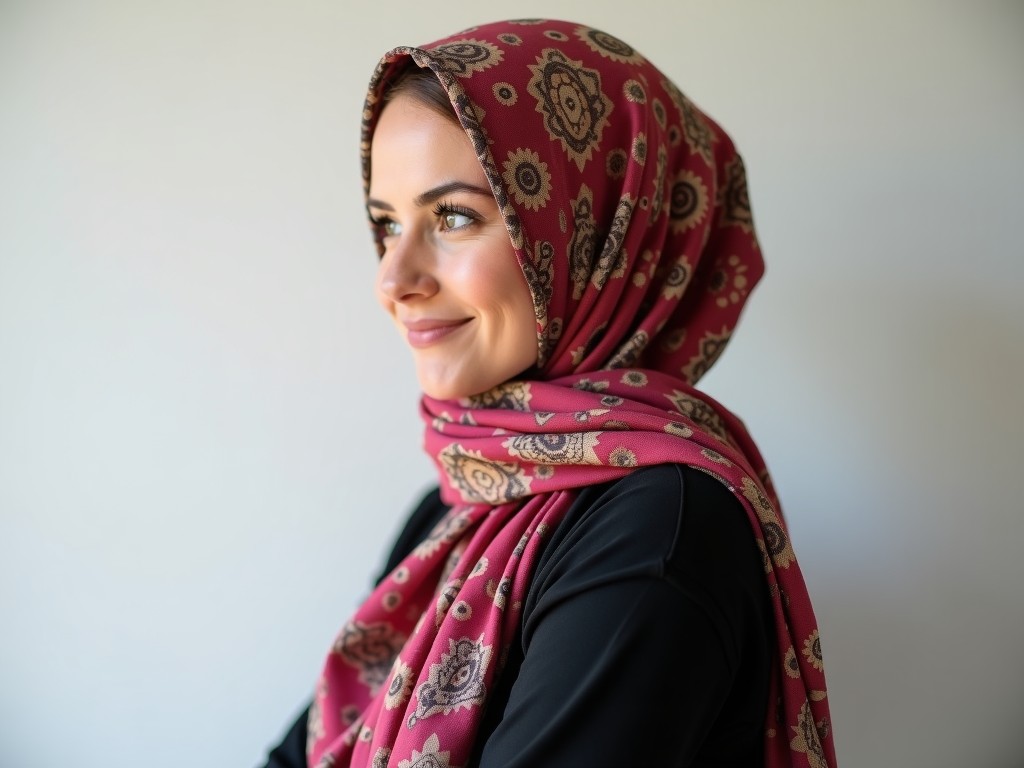

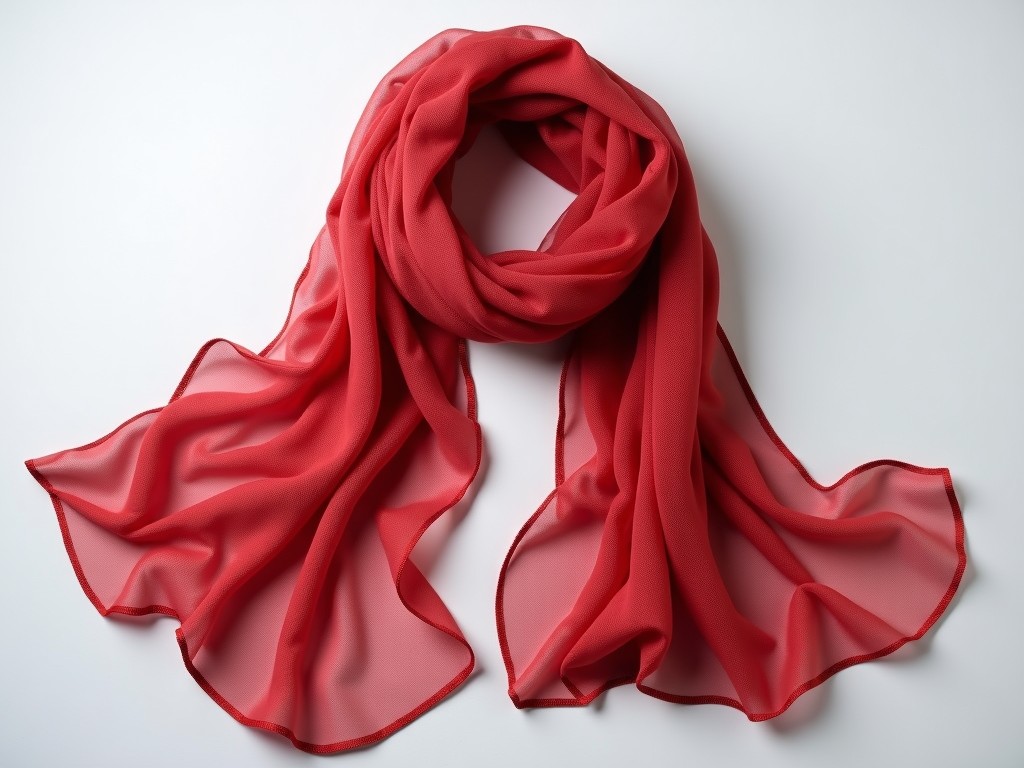
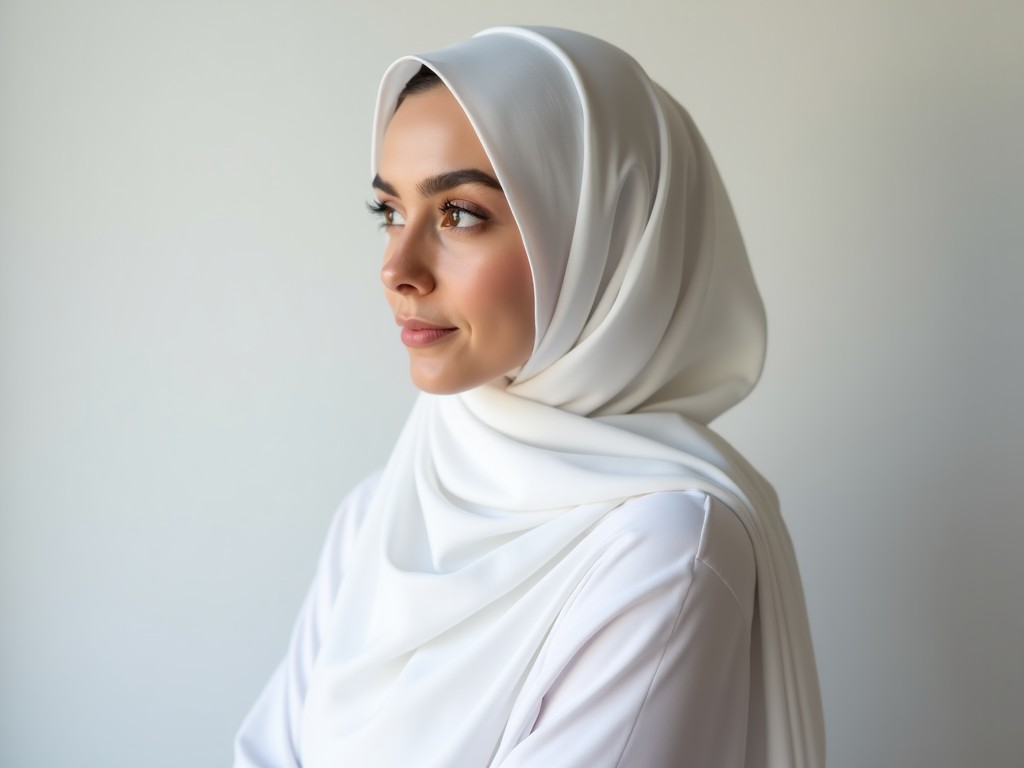
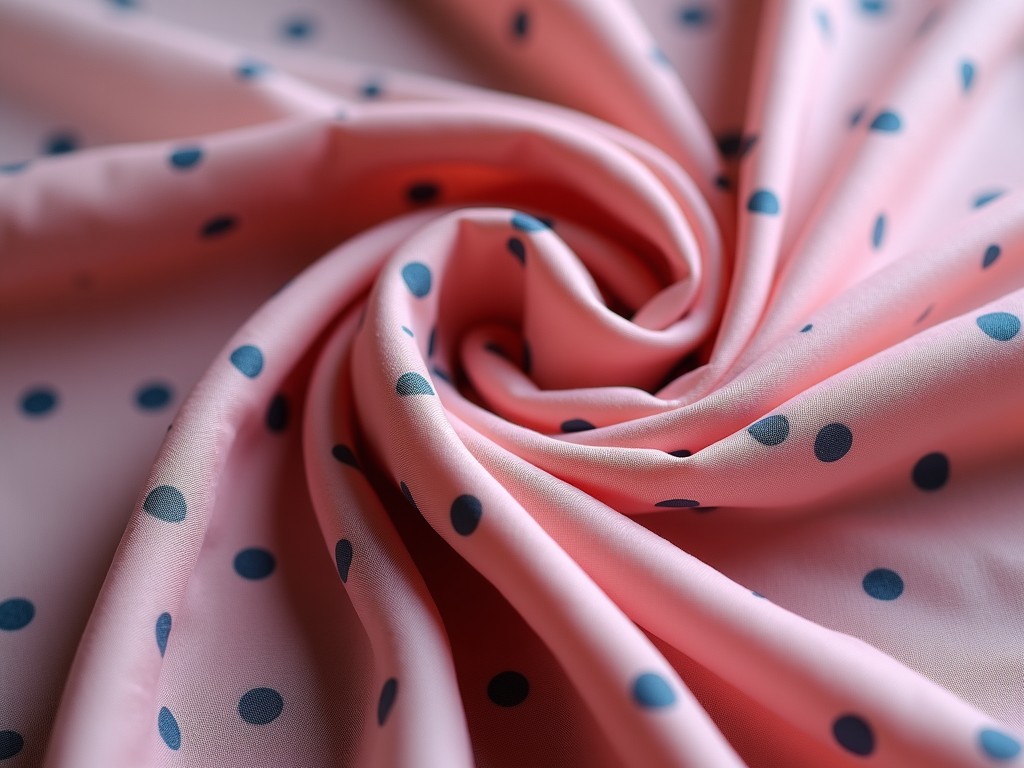

Buy White Cotton Voile Fabric
White cotton voile fabric is a lightweight, plain-woven textile made from 100% combed cotton yarns. It is characterized by its semi-sheer appearance, soft drape, and breathable structure resulting
White Cotton Voile Fabric
White cotton voile fabric is a lightweight, plain-woven textile made from 100% combed cotton yarns. It is characterized by its semi-sheer appearance, soft drape, and breathable structure resulting from a low thread count and open weave. The fabric typically weighs between 40 and 80 GSM (grams per square meter), making it suitable for applications requiring translucency and air permeability.
The yarn used in white cotton voile is usually carded or combed cotton, spun to a fine count ranging from 40s to 80s Ne (English cotton count). This fineness contributes to the fabric’s smooth surface and minimal opacity. The plain weave construction—where each weft yarn passes alternately over and under warp yarns—creates a balanced structure with uniform strength in both directions. Unlike heavier cotton fabrics such as poplin or twill, voile lacks prominent surface texture, giving it a clean, minimalist appearance.
Due to its low density and high air permeability, white cotton voile is commonly used in applications where light filtration and ventilation are priorities. In interior design, it serves as curtain lining, sheer window treatments, or canopy layers where diffused natural light is desired without complete blockage. In apparel, it is used for linings, overlays, and lightweight summer garments such as blouses or dresses where breathability and comfort against the skin are essential. Its absorbent nature also makes it suitable for lightweight towels, handkerchiefs, and medical gauze applications where fluid wicking is beneficial.
The fabric’s performance is influenced by finishing processes. Greige (unfinished) voile may contain natural impurities and stiffness; therefore, it is commonly bleached to achieve a consistent white appearance and scoured to remove waxes and pectins. A mild softening finish may be applied to enhance hand feel without compromising breathability. Optical brighteners are sometimes used to improve whiteness perception under UV light, though their use depends on end-use requirements such as textile sensitivity or laundering frequency.
| Property | Typical Range | Notes |
|---|---|---|
| Weight (GSM) | 40–80 | Lower values for sheer curtains; higher for linings |
| Yarn Count (Ne) | 40s–80s | Higher count = finer yarn, smoother surface |
| Thread Count (per inch²) | 80–120 | Sum of warp and weft threads; low count enables sheerness |
| Opacity | 20–40% | Measured as light transmission; varies with weave tightness |
| Air Permeability | High | Suitable for ventilation and moisture management |
| Tensile Strength (Warp/Weft) | Moderate | Lower than poplin; sufficient for lightweight applications |
When specifying white cotton voile for industrial use, buyers should consider dimensional stability after washing. Cotton fibers absorb water and may swell, leading to slight shrinkage—typically 2–5% in both warp and weft directions after the first wash. Pre-sanforized or mechanically stabilized finishes can reduce this to under 1%. For applications requiring precise dimensions, such as laminated components or precision-cut linings, requesting fabric with residual shrinkage specifications is advisable.
Color consistency is another critical factor. While the fabric is specified as “white,” variations in whiteness index (WI) and tinting can occur due to differences in bleaching processes, optical brightener concentration, or base yarn quality. For applications where multiple batches must match visually—such as in hotel linens or uniform overlays—requesting spectrophotometric data (L*a*b* values) or a master batch reference ensures uniformity across deliveries.
Packaging and handling also impact usability. White cotton voile is typically supplied in rolled form on cardboard or plastic cores, with standard widths ranging from 90 cm to 300 cm. To prevent creasing or contamination during transit, rolls are often wrapped in polyethylene film and placed in cartons. For cleanroom or medical applications, antistatic or lint-reducing packaging may be required. Buyers should communicate specific handling needs early in the quotation process to avoid rework or rejection.
To proceed with a purchase inquiry, provide the intended application, required width, length per roll, target weight (GSM), and any finishing or packaging specifications. Including details about laundering frequency, exposure to sunlight, or contact with skin helps suppliers recommend the appropriate construction and finish. Technical data sheets, sample swatches, and compliance documentation (e.g., OEKO-TEX®, ISO 105) are available upon request.
For further assistance, contact our technical team to discuss your requirements and receive a formal quotation.
Products
Related Products
News
Related News
2026-11-02
Cotton Voile Scarf Manufacturing and Performance Analysis how to make a cotton voile scarfCreating a professional-grade cotton voile scarf requires a precise balance of textile engineering and artisanal finishing. Unlike standard cotton weaves, voile is defined by its p···
2026-10-28
chiffon hijab Technical Production and Performance AnalysisSelecting the right fabric for a hijab involves a delicate balance between modesty, breathability, and aesthetic drape. For many women in Southeast Asia and the Middle East, the ma···
2026-10-26
custom silk scarf textile manufacturing and performance analysisSelecting a high-quality scarf is no longer just about color matching; it is an exercise in understanding how textile weight, drape, and print scale interact with individual facial···