Bawal Premium Cotton Voile Top Supplier






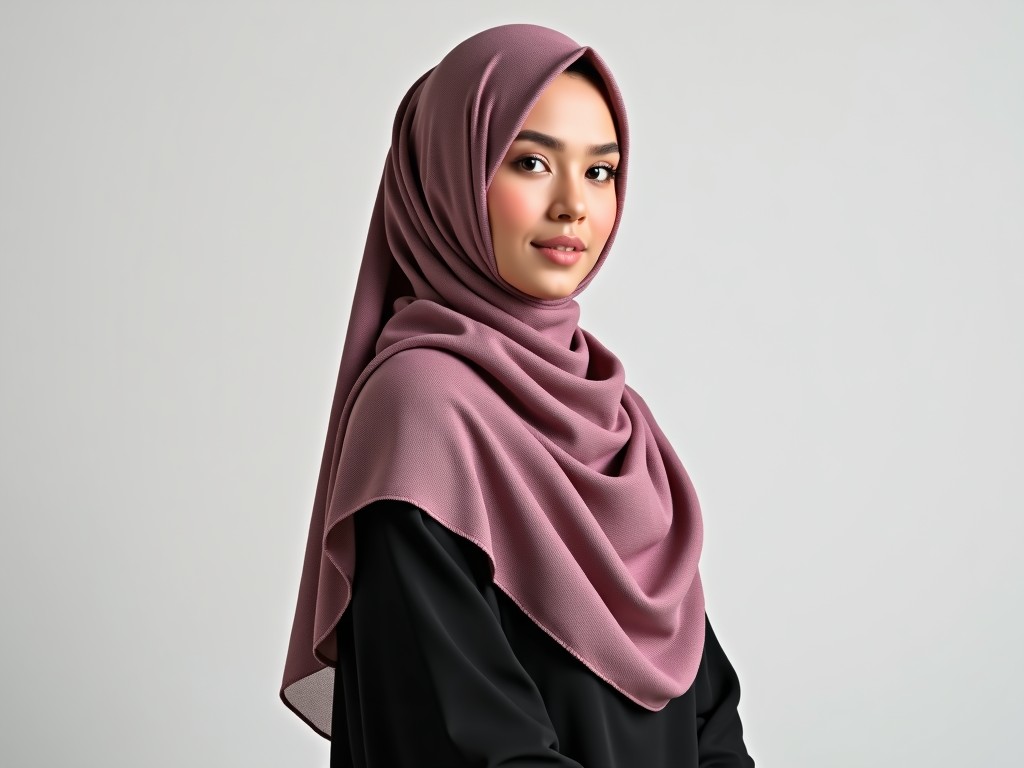
Bawal Premium Cotton Voile Top Supplier
This document details the technical specifications, material properties, and supply considerations for premium cotton voile fabric used in bawal production. Target audience includes textile
Bawal Premium Cotton Voile Top: Supplier Specifications
This document details the technical specifications, material properties, and supply considerations for premium cotton voile fabric used in bawal production. Target audience includes textile engineers, procurement specialists, and garment manufacturers evaluating fabric performance for traditional headscarves.
Material Composition and Construction
Bawal premium cotton voile is constructed from 100% combed ring-spun cotton fibers with a nominal yarn count of 60s/2 Ne (60s ply yarn) in both warp and weft directions. The plain weave structure achieves a thread density of approximately 120 ends per inch (epi) and 90 picks per inch (ppi), resulting in a nominal fabric weight of 65 gsm (±5 gsm). Combed fiber processing removes short fibers and neps, contributing to reduced surface friction and improved drape characteristics essential for bawal styling.
The fabric undergoes a controlled bleaching process using hydrogen peroxide to achieve a base whiteness of ISO 85.5+ (L* value ≥92.0 in CIELAB space) prior to dyeing or printing. This ensures consistent color uptake and minimizes batch-to-batch variation in shade matching for solid-color bawals. Optical brightening agents are excluded from the base formulation to prevent yellowing during long-term storage or UV exposure.
Dimensional Stability and Performance Properties
Dimensional stability is evaluated via AATCC Test Method 135 after five home laundering cycles (40°C wash, tumble dry low). Typical shrinkage values measure 2.0% in the warp direction and 1.5% in the weft direction, within acceptable tolerances for garment manufacturing. Residual shrinkage after stabilization treatments remains below 0.5% in both axes, minimizing distortion during wear and maintenance.
Breaking strength, measured per ASTM D5034 (grab test), averages 35 N in warp and 28 N in weft directions for the greige fabric. Post-finishing, values typically stabilize at 32 N (warp) and 25 N (weft), providing sufficient tensile resistance for everyday handling while maintaining the lightweight drape required for bawal folding and layering. Elongation at break ranges between 8-12%, allowing recovery from minor tension without permanent deformation.
Colorfastness and Chemical Resistance
Reactive dye fixation achieves ISO 105-B02 lightfastness ratings of 4-5 (on blue wool scale) for standard shades after 20 hours of xenon arc exposure. Wash fastness (AATCC 61-2A) rates 4-5 for staining and 4-5 for color change after 30 cycles at 40°C. Perspiration fastness (ISO 105-E04) shows minimal alteration (rating 4-5) under both acidic and alkaline simulated sweat conditions, critical for prolonged skin contact in headwear applications.
The fabric demonstrates resistance to common mild detergents (pH 6-8) and retains structural integrity after exposure to chlorine bleach concentrations up to 50 ppm (as measured by tensile retention ≥85% after 10 cycles). However, prolonged exposure to strong oxidizing agents or high-temperature boiling (>95°C) may degrade fiber strength and is not recommended for routine care. pH of the finished fabric remains stabilized between 5.5 and 7.0 to minimize skin irritation risk.
Supply Specifications and Tolerances
Standard roll width is 115 cm (±1.5 cm) to accommodate efficient marker planning for bawal cutting. Length per roll averages 50 linear meters (±2 m) on laminated paper cores with inner diameter of 76 mm. Roll weight typically ranges between 3.8 and 4.2 kg, depending on exact GSM and width. Each roll is labeled with batch number, production date, width, length, and care instructions in accordance with Oeko-Tex Standard 100 labeling requirements.
Acceptable quality limits (AQL) follow ISO 2859-1 standards: major defects (holes, tears, misprints, excessive shade variation) ≤0.65%; minor defects (slubs, light barres, small stains) ≤2.5%. Defect classification is performed under 3000 lux cool white fluorescent lighting at 50 cm viewing distance. Rolls are inspected at 100% width and 10% length sampling rate unless otherwise agreed upon in supply contract.
Applications in Bawal Manufacturing
The lightweight nature (65 gsm) and high drape coefficient (measured via Cusick drape test: DM ≥0.75) allow the fabric to fold into multiple layers without excessive bulk, a key requirement for bawal styling where volume and flow are aesthetic priorities. The smooth surface finish reduces snagging during handling and minimizes friction against skin or hair, enhancing wearer comfort during extended use.
Breathability, quantified by air permeability (ASTM D737), averages 185 cm³/cm²/s at 100 Pa pressure drop, facilitating heat and moisture transfer away from the scalp. This property, combined with cotton’s hygroscopic nature (moisture regain ~8.5% at 65% RH), supports thermal regulation in warm climates. The fabric’s opacity (measured via ISO 2471 reflectance: ≥85% at 570 nm wavelength) ensures adequate coverage without requiring additional lining, simplifying garment construction.
Quality Control and Testing Protocol
Incoming yarn is tested for count uniformity (CV% ≤3.5), tenacity (≥22 cN/tex), and evenness (U% ≤12%) before knitting or weaving. Greige fabric undergoes online monitoring for width, weight, and visual defects using automated scullery systems. Final inspection includes dimensional stability checks, color matching against Pantone or RAL standards using spectrophotometer (ΔE*ab ≤1.5 for bulk vs. standard), and tactile assessment for softness and smoothness.
Test reports are available upon request and include detailed results for GSM, thread count, pH, colorfastness, and dimensional change. Fabrics are certified to Oeko-Tex Standard 100 (Product Class II) for direct skin contact, with annual renewal and random batch verification. Chemical compliance documentation (REACH, SVHC) is maintained for all dyes and finishes applied. Mill trials and lab-dips are offered for custom color development prior to bulk production commitment.
Packaging and Logistics Considerations
Rolls are wrapped in polyethylene film (50 μm thickness) to prevent moisture ingress and dust contamination during transit. Each roll is placed in a single-wall corrugated cardboard box (flute C, 150 gsm liner) with end caps to resist compression. Standard pallet configuration holds 48 rolls (4 layers of 12) on a 1.1m x 1.1m footprint, secured with stretch film and corner protectors. Gross pallet weight averages 200 kg, suitable for standard forklift handling.
For export shipments, cartons are marked with handling symbols (umbrella, upward arrows, fragile) and include fumigation-compliant pallet documentation (ISPM 15) when required. Lead time from approved lab-dip to shipment averages 4-6 weeks for reactive dye shades and 6-8 weeks for pigment or specialty finishes, subject to yarn availability and mill capacity. Expedited options may be available for stock colors with applicable surcharges.
To request a technical data sheet, sample swatch, or formal quotation, provide end-use details (intended bawal style, expected annual volume, preferred color shade, and delivery timeline) via the contact form. Our technical team will respond with material recommendations, compliance documentation, and supply options tailored to your specifications.
For inquiries regarding bawal premium cotton voile supply, custom dyeing, or technical support:
Submit Technical InquiryProducts
Related Products
News
Related News

2026-11-02
Cotton Voile Scarf Manufacturing and Performance Analysis how to make a cotton voile scarfCreating a professional-grade cotton voile scarf requires a precise balance of textile engineering and artisanal finishing. Unlike standard cotton weaves, voile is defined by its p···

2026-10-28
chiffon hijab Technical Production and Performance AnalysisSelecting the right fabric for a hijab involves a delicate balance between modesty, breathability, and aesthetic drape. For many women in Southeast Asia and the Middle East, the ma···

2026-10-26
custom silk scarf textile manufacturing and performance analysisSelecting a high-quality scarf is no longer just about color matching; it is an exercise in understanding how textile weight, drape, and print scale interact with individual facial···
