B2B Premium Chiffon Voile Scarf






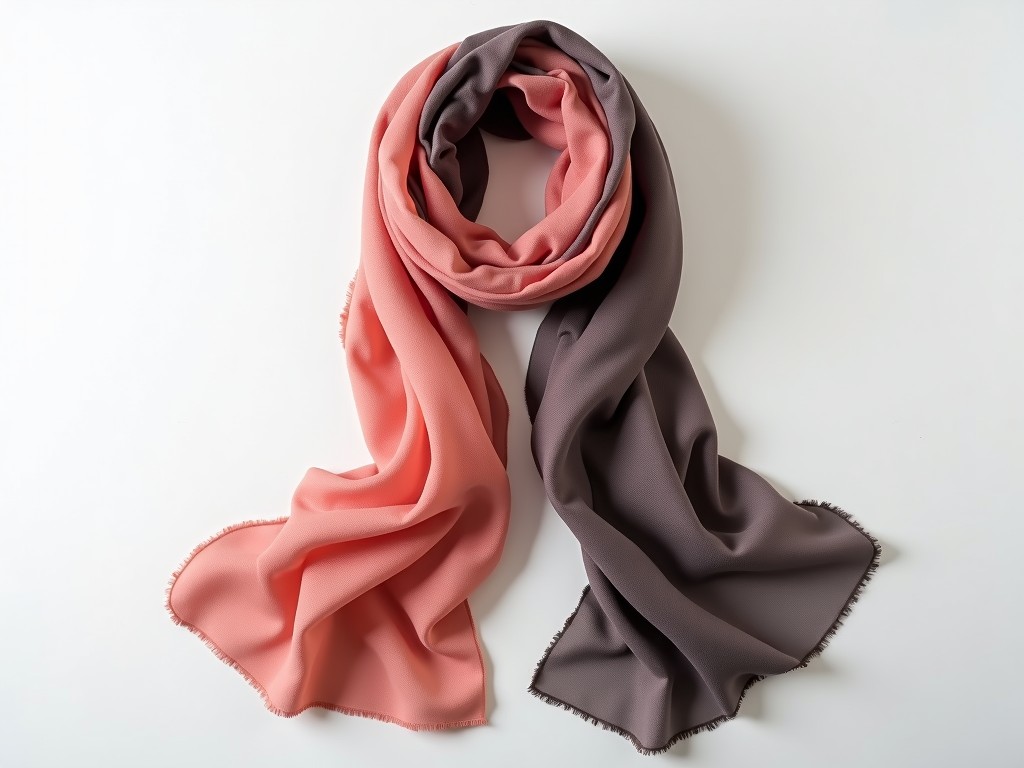
B2B Premium Chiffon Voile Scarf
Chiffon voile is a lightweight, sheer fabric constructed from tightly twisted filament yarns, typically polyester or silk, woven in a plain weave to achieve high translucency and fluid drape. For
B2B Premium Chiffon Voile Scarf
Chiffon voile is a lightweight, sheer fabric constructed from tightly twisted filament yarns, typically polyester or silk, woven in a plain weave to achieve high translucency and fluid drape. For industrial B2B applications, this material is selected when visual softness, minimal weight, and controlled light diffusion are required in apparel, theatrical, or decorative textile systems. The premium grade ensures consistent yarn count, minimal imperfections, and uniform finish across large production runs.
The term "premium" in this context refers to fabric specifications that exceed standard commodity voile in three measurable ways: yarn twist level (typically 400–600 TPI for enhanced strength and luster), greige goods inspection (≤2 defects per 100 linear yards), and post-treatment stability (dimensional change <1% after 5 wash cycles at 40°C). These parameters reduce the risk of snagging, uneven sheen, or shrinkage during downstream processing such as dyeing, printing, or pleating.
Material Construction and Performance Characteristics
The base fabric uses 100% polyester filament yarn with a denier range of 15–30D, selected for its tensile strength (typically 3.5–4.5 g/D) and resistance to UV degradation compared to natural silk alternatives. The plain weave structure produces a balanced construction with approximately 80–100 ends per inch (EPI) and 60–80 picks per inch (PPI), resulting in a fabric weight of 15–25 GSM. This combination delivers sufficient opacity for layering applications while maintaining the desired sheer aesthetic.
Mechanical properties are critical for industrial handling. The fabric exhibits a tear strength of 1.2–1.8 N (ASTM D2261) and bursting strength of 80–120 kPa (ASTM D3786), ensuring durability during high-speed cutting, folding, and automated sewing processes. The low coefficient of friction (0.2–0.3 μ) allows smooth feeding through textile machinery without static buildup when treated with anti-static agents during finishing.
Customization Options for Industrial Applications
Customization begins at the yarn level, where clients can specify filament type (polyester, nylon, or silk blend), twist direction (Z or S), and yarn count to influence drape, sheen, and strength. For example, a higher twist level increases fabric resilience but reduces softness, while a lower twist enhances drape at the cost of increased susceptibility to snagging. These trade-offs are evaluated based on end-use requirements such as repeated washing, exposure to stage lighting, or prolonged outdoor display.
Post-weave treatments are tailored to functional needs. Options include:
- Optical brightening agents (OBA) for enhanced whiteness under UV light
- Flame retardant treatment (TPHP or phosphate-based) to meet NFPA 701 or CAN/ULC-S109 standards
- Water repellent finish (C6-based fluoropolymer) for outdoor decorative use
- Anti-pilling treatment to maintain surface integrity after abrasion
Dyeing and printing capabilities are defined by the fabric’s readiness for dispersion dyeing (polyester) or acid dyeing (silk/nylon blends). Standard color matching follows Pantone® or RAL systems, with lab-dip approval required before bulk production. Digital printing is available for complex patterns, with ink penetration tested to ensure ≤10% strike-through on the reverse side to maintain sheerness.
Quality Control and Inspection Protocol
Quality assurance follows a multi-stage approach aligned with AATCC and ASTM standards. Greige fabric is inspected under 2x magnification using a 60° viewing angle to detect thick/thin places, neps, and foreign matter. Each roll is measured for width (±1% tolerance), length (±0.5%), and weight (±3 GSM). A 4-point system is applied, where defects are assigned penalty points based on size and length; rolls exceeding 40 points per 100 linear yards are downgraded or rejected.
Finished goods undergo additional testing:
- Colorfastness to washing (AATCC 61, target: ≥4 gray scale)
- Colorfastness to light (AATCC 16.3, target: ≥4 after 20 AFU)
- Dimensional stability (AATCC 135, target: <2% shrinkage)
- pH value (AATCC 81, target: 5.5–8.0 for skin contact safety)
All test results are documented in a batch-specific certificate of conformance (CoC), available upon request. Traceability is maintained via lot numbers linked to yarn source, greige inspection data, and finishing parameters.
Typical Applications in Industrial and Commercial Sectors
In apparel manufacturing, premium chiffon voile is used as an overlay layer in eveningwear, bridal gowns, and haute couture where lightweight drape and layering without bulk are essential. Its sheer nature allows designers to create depth through multiple layers while maintaining breathability and comfort. The fabric’s low weight (15–25 GSM) reduces shipping costs and handling strain in high-volume production environments.
Within theatrical and event production, the fabric serves as a diffusion medium for lighting fixtures. When stretched over frames, it softens harsh edges and creates uniform glow without significant light loss (typically 15–25% transmission loss depending on color and treatment). Flame-retardant versions are mandatory in public venues to comply with safety codes, and the fabric’s ability to be heat-cut or ultrasonic sealed prevents fraying during repeated installation and removal cycles.
Decorative textile manufacturers use chiffon voile in window treatments, canopy systems, and retail display installations. Its translucency enables layered visual effects when combined with opaque fabrics, while its resistance to wrinkling (when polyester-based) minimizes maintenance in long-term installations. For outdoor use, UV-stabilized versions retain tensile strength and color integrity for up to 18 months under direct exposure, making them suitable for seasonal architectural accents.
Packaging, Labeling, and Logistics Considerations
Standard packaging involves rolling the fabric onto 3-inch diameter cores with inner tissue paper to prevent creasing. Rolls are wrapped in polyethylene film and placed in cardboard cartons sized to optimize pallet utilization (typically 48"x40"). Each carton includes a label with lot number, yardage, width, color code, and care instructions. For clients requiring contamination control, optional packaging in ISO Class 7 cleanroom-compatible materials is available.
Shipping dimensions are calculated based on roll diameter (typically 8–12 inches) and length (50–100 yards per roll). A standard pallet holds 20–25 rolls, equating to 1,000–2,500 yards depending on width and weight. To prevent moisture regain during transit, especially in humid climates, desiccant packs are included upon request. All shipments comply with OEKO-TEX® Standard 100 or equivalent safety documentation when required for import.
| Parameter | Typical Range | Test Method |
|---|---|---|
| Fabric Weight | 15–25 GSM | ASTM D3776 |
| Width Tolerance | ±1% | ASTM D3774 |
| Tear Strength | 1.2–1.8 N | ASTM D2261 |
| Bursting Strength | 80–120 kPa | ASTM D3786 |
| Dimensional Change (Wash) | <1% | AATCC 135 |
| Colorfastness to Light | ≥4 gray scale | AATCC 16.3 |
Technical data presented represents typical values based on internal quality control databases and industry-standard testing. Actual performance may vary depending on specific yarn sourcing, finishing treatments, and environmental conditions. Custom specifications are available upon request to meet unique application requirements. All test methods referenced are current as of 2024 and subject to revision.
To discuss your specific requirements for premium chiffon voile scarf fabric, including custom width, color matching, treatment options, or sample evaluation, contact our technical team. We provide detailed specification sheets, test reports, and support for prototype development to ensure material suitability before committing to production volumes.
Request Technical Specification or SampleProducts
Related Products
News
Related News

2026-11-02
Cotton Voile Scarf Manufacturing and Performance Analysis how to make a cotton voile scarfCreating a professional-grade cotton voile scarf requires a precise balance of textile engineering and artisanal finishing. Unlike standard cotton weaves, voile is defined by its p···

2026-10-28
chiffon hijab Technical Production and Performance AnalysisSelecting the right fabric for a hijab involves a delicate balance between modesty, breathability, and aesthetic drape. For many women in Southeast Asia and the Middle East, the ma···

2026-10-26
custom silk scarf textile manufacturing and performance analysisSelecting a high-quality scarf is no longer just about color matching; it is an exercise in understanding how textile weight, drape, and print scale interact with individual facial···
