Wholesale Black Satin Head Scarf Wrap

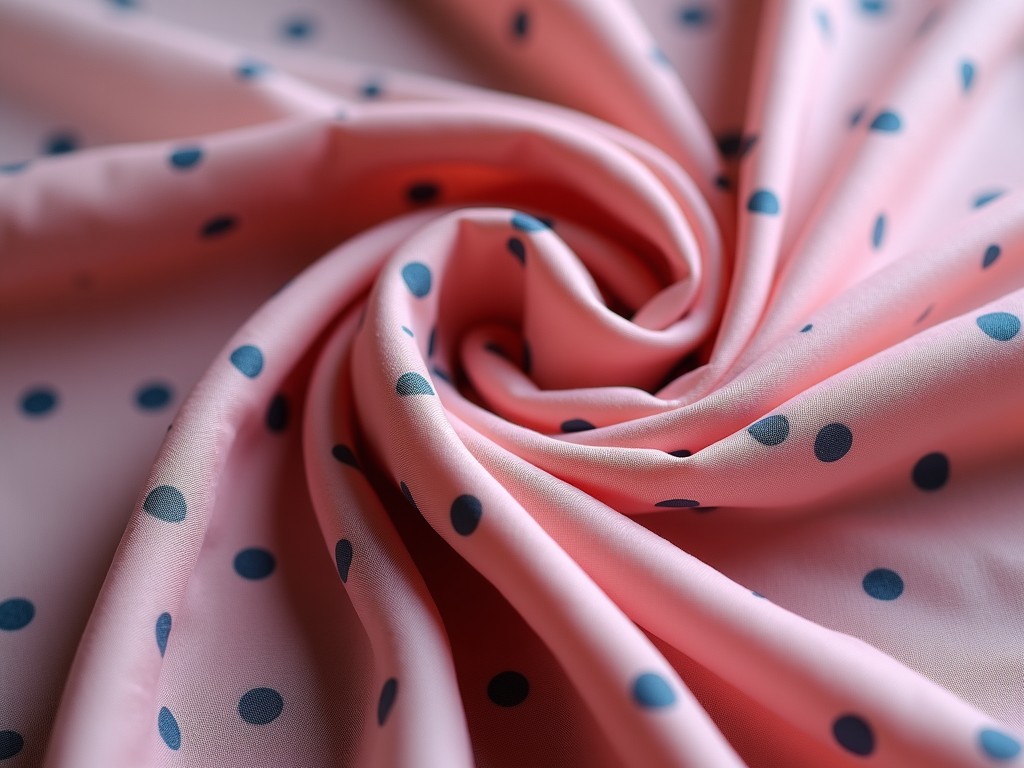

Wholesale Black Satin Head Scarf Wrap
A black satin head scarf wrap is a precision-engineered textile component designed for consistent drape, low friction against skin and hair, and reliable performance in repeated-use applications. Its
Wholesale Black Satin Head Scarf Wrap
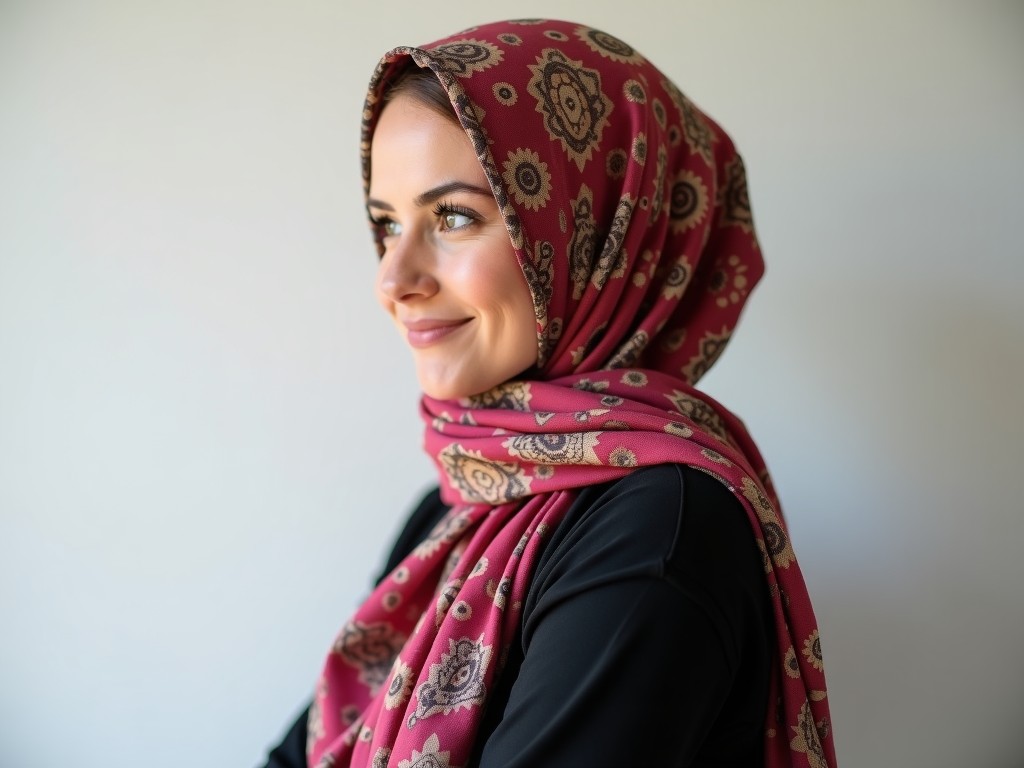
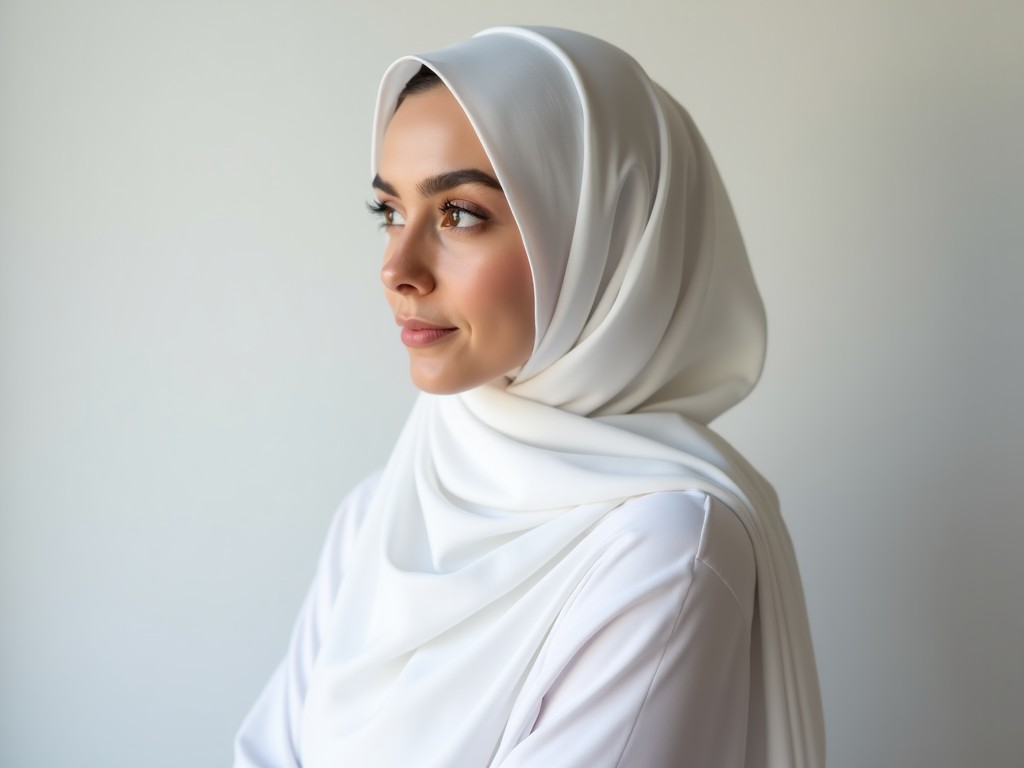
A black satin head scarf wrap is a precision-engineered textile component designed for consistent drape, low friction against skin and hair, and reliable performance in repeated-use applications. Its construction prioritizes surface smoothness, tensile stability, and colorfastness under varied environmental conditions, making it suitable for both functional and aesthetic roles in professional settings.
Material Composition and Finish
The scarf is constructed from 100% polyester filament yarn with a satin weave structure, where warp floats over multiple weft threads to create a lustrous, low-profile surface. This weave minimizes surface asperities, reducing abrasion to hair and skin while enhancing light reflection uniformity for a deep, consistent black appearance. The yarn count is typically 150D/48F, providing a balance between tensile strength and flexibility.
Post-weaving, the fabric undergoes a controlled heat-setting process at 180–200°C to stabilize dimensional integrity and prevent shrinkage exceeding 2% after repeated washing. A cationic dye fixation process ensures colorfastness to washing (ISO 105 C06: grade 4–5) and light exposure (ISO 105 B02: grade 4), critical for maintaining visual consistency in wholesale batches.
Dimensional Specifications
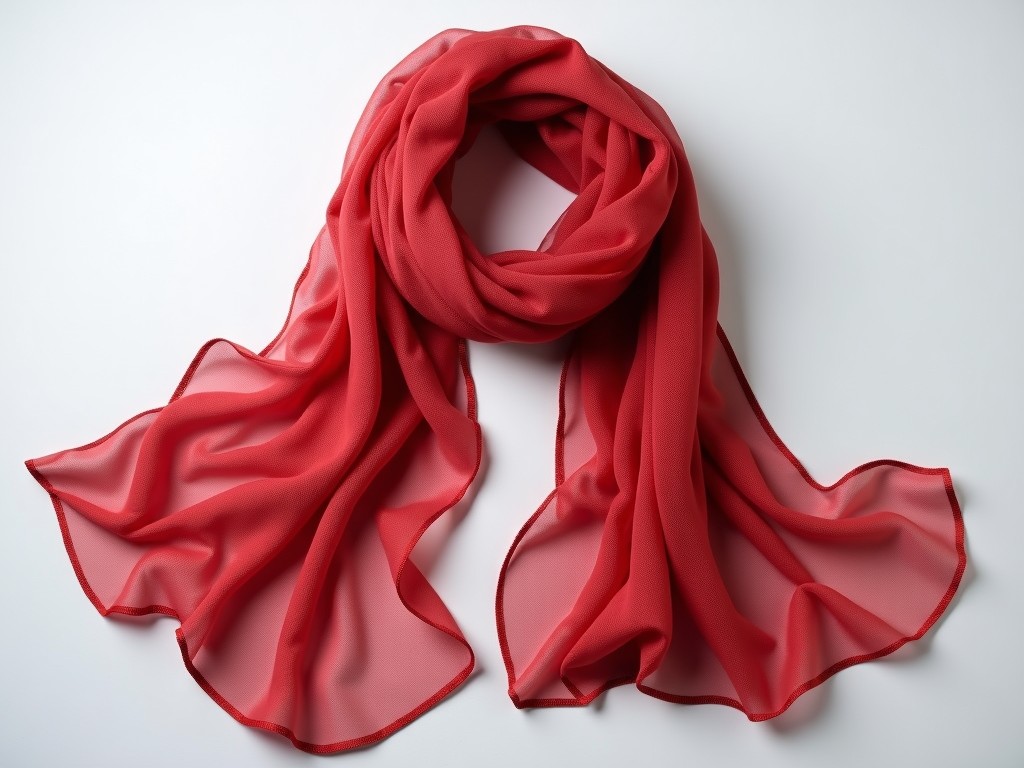
Standard wholesale dimensions are 90 cm in length and 90 cm in width, forming a square that allows for multiple wrapping techniques—single-loop, double-layer, or turban-style—without requiring excess material. The finished edges are hemmed with a 3-mm double-fold stitch using polyester thread, ensuring fray resistance and maintaining a clean perimeter under tension.
The fabric’s areal density is 95 g/m² (±5%), measured per ASTM D3776, providing sufficient mass for stable draping while remaining lightweight enough for extended wear. Thickness, measured under 0.5 kPa pressure (ASTM D1777), averages 0.28 mm, contributing to low bulk when folded or stored in high-volume inventory systems.
Performance Characteristics
The satin weave yields a coefficient of friction (COF) of 0.18–0.22 against keratin (hair) and 0.20–0.25 against epidermis, measured via ASTM D1894 under controlled humidity (50% RH). This low COF reduces mechanical stress on hair follicles and minimizes skin irritation during prolonged contact, a key consideration in healthcare, hospitality, and performance environments.
Breaking strength, tested per ASTM D5034 (grab method), averages 45 N in the warp direction and 38 N in the weft, with elongation at break of 25–30%. These values indicate sufficient resistance to tearing during handling and wrapping while allowing elastic recovery to maintain shape after deformation. Pilling resistance, assessed via ASTM D4970 (Martindale), rates 4–5 after 5,000 cycles, indicating minimal surface degradation.
Applications in Industrial and Professional Contexts
In medical settings, these scarves serve as hypoallergenic barriers under surgical caps or as patient comfort items during prolonged procedures, where low friction and breathability reduce pressure-point irritation. Their compatibility with autoclave cycles (up to 121°C for 15 minutes) allows for reuse in controlled environments, provided laundering protocols follow manufacturer guidelines.
In hospitality and aviation, they function as uniform accessories for staff requiring a neat, non-slip head covering that maintains appearance over 8–12 hour shifts. The anti-static properties of polyester (surface resistivity <10¹² Ω/sq) prevent cling to nylon or wool uniforms, ensuring consistent fit without adjustment.
For theatrical and performance use, the fabric’s light-absorbing black finish minimizes glare under stage lighting, while its drape allows for rapid, reliable shaping into character-specific headwear. The colorfastness ensures no transfer to costumes or skin under sweat or humidity, a critical factor in high-movement applications.
Quality Control and Consistency
Each production lot undergoes 100% visual inspection under 500 lux daylight simulation (D65) to detect color variation, yarn defects, or finishing flaws. AQL standards are applied: critical defects (e.g., holes, oil stains) at 0.065%, major (e.g., mis-picks, uneven dye) at 1.0%, and minor (e.g., slight shade variation) at 2.5%. Batch-to-batch ΔE*ab is maintained below 1.5 under CIE L*a*b* measurement.
Dimensional stability is verified via random sampling: 5 samples per 1,000 pieces are washed and dried per ISO 6330, then measured for length and width change. Acceptance criteria limit shrinkage to ≤2% and skewing to ≤1.5 cm per meter. These controls ensure that wholesale buyers receive units that perform predictably in automated wrapping or folding systems.
Packaging and Logistics
Standard packaging uses polyethylene bags (50 µm thickness) containing 25 pieces each, sealed with heat weld to prevent moisture ingress. These are packed into corrugated cartons (300 g/m², single wall) sized 40×30×25 cm, holding 400 units (16 bags) with a gross weight of approximately 8.5 kg. Cartons are labeled with batch number, SKU, and care instructions in ISO 15223-1 symbology.
For export, cartons are stacked on ISPM-15 compliant pallets (100×120 cm) with corner guards and stretch wrap (20 µm, 50% pre-stretch) to prevent shifting during transit. Humidity indicators (5–60% RH range) are included in each master carton to monitor exposure. Storage recommendations advise keeping units in cool, dry conditions (<25°C, <60% RH) to prevent yellowing or elastic degradation over time.
Customization Options
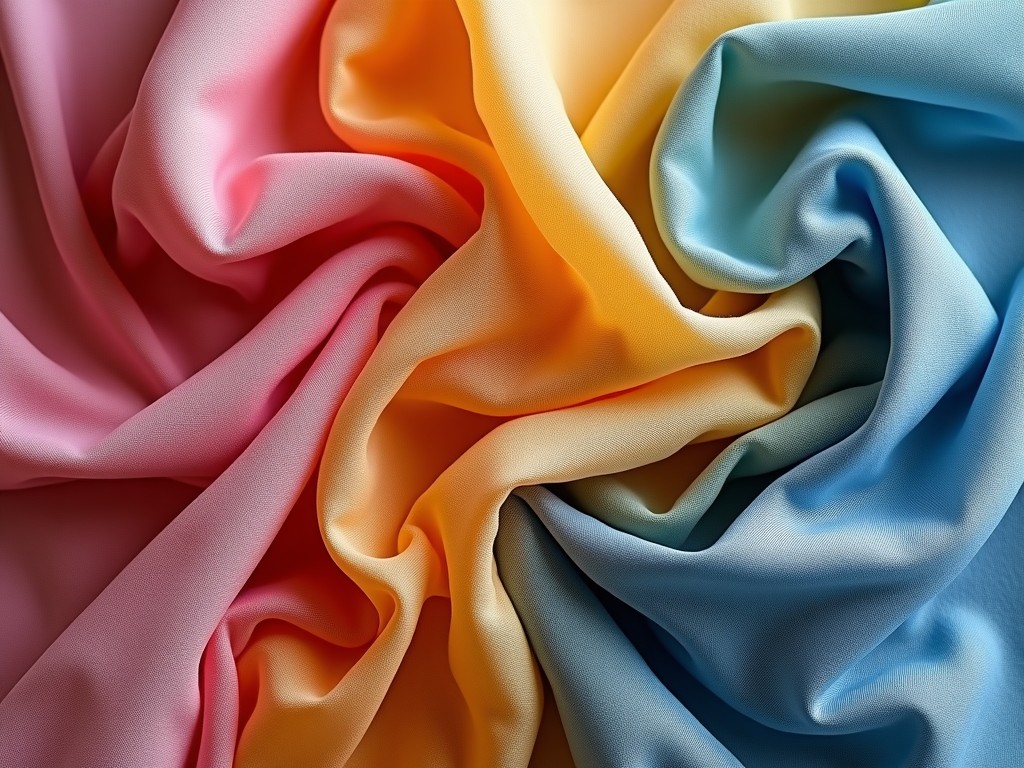
While black is the standard for wholesale due to its neutrality and stain resistance, alternative colors are available upon request using the same cationic dye process, with minimum order quantities typically starting at 1,000 pieces per shade. Custom dimensions (e.g., 100×100 cm or 70×70 cm) can be accommodated by adjusting loom width and cut length, though this may affect yarn utilization efficiency.
Edge finishes can be modified to include ultrasonic sealing (for fray-free edges without thread) or decorative piping (1–2 mm width in contrasting satin or grosgrain). Logos or identifiers may be applied via sublimation printing on one corner, limited to areas under 5 cm² to avoid stiffening the drape. All customizations require sample approval and may extend lead time by 7–10 days.
| Parameter | Typical Value | Test Method |
|---|---|---|
| Areal Density | 95 g/m² (±5%) | ASTM D3776 |
| Thickness | 0.28 mm | ASTM D1777 |
| Breaking Strength (Warp) | 45 N | ASTM D5034 |
| Breaking Strength (Weft) | 38 N | ASTM D5034 |
| Elongation at Break | 25–30% | ASTM D5034 |
| Coefficient of Friction (Hair) | 0.18–0.22 | ASTM D1894 |
| Colorfastness to Washing | ISO 105 C06: Grade 4–5 | ISO 105 C06 |
| Colorfastness to Light | ISO 105 B02: Grade 4 | ISO 105 B02 |
| Pilling Resistance | ASTM D4970: 4–5 after 5,000 cycles | ASTM D4970 |
For procurement teams evaluating bulk orders, technical datasheets and sample swatches are available upon request. To discuss specifications, customization, or lead times for your application, please use the contact form below.
Request Quotation or SamplesProducts
Related Products
News
Related News
2026-11-02
Cotton Voile Scarf Manufacturing and Performance Analysis how to make a cotton voile scarfCreating a professional-grade cotton voile scarf requires a precise balance of textile engineering and artisanal finishing. Unlike standard cotton weaves, voile is defined by its p···
2026-10-28
chiffon hijab Technical Production and Performance AnalysisSelecting the right fabric for a hijab involves a delicate balance between modesty, breathability, and aesthetic drape. For many women in Southeast Asia and the Middle East, the ma···
2026-10-26
custom silk scarf textile manufacturing and performance analysisSelecting a high-quality scarf is no longer just about color matching; it is an exercise in understanding how textile weight, drape, and print scale interact with individual facial···