Where To Buy A Satin Scarf






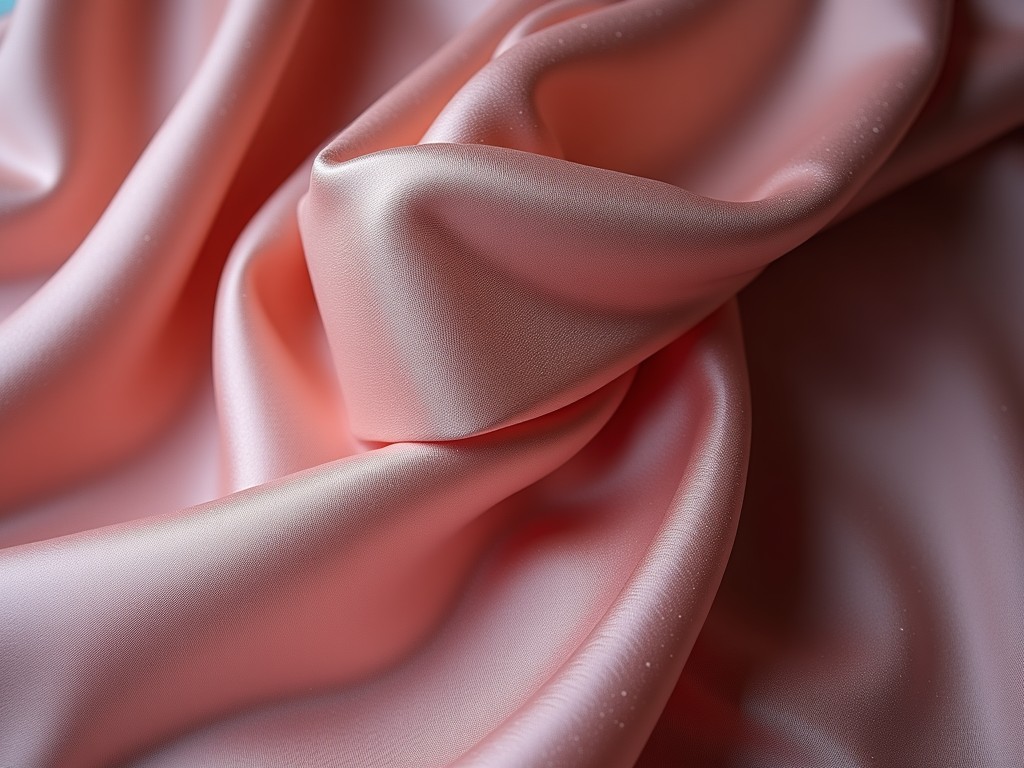
Where To Buy A Satin Scarf
Procurement managers seeking satin scarves for industrial or commercial use often require clarity on material specifications, dimensional tolerances, and supplier capabilities before making
Where to Buy a Satin Scarf
Procurement managers seeking satin scarves for industrial or commercial use often require clarity on material specifications, dimensional tolerances, and supplier capabilities before making purchasing decisions. This page provides technical guidance on selecting satin scarves based on weave structure, fiber content, and finish consistency—factors that directly impact performance in applications such as cleanroom garments, protective overlays, or high-visibility trims.
Material Composition and Weave Specifications
Satin scarves used in industrial contexts are typically constructed from filament polyester or nylon with a warp-faced satin weave, where four or more warp threads float over each weft thread. This structure produces a smooth, lustrous face and a dull reverse, minimizing surface friction while maintaining tensile strength. Filament yarns ranging from 75D to 300D are common, with denier selection affecting drape, tear resistance, and thermal stability.
For applications requiring antistatic properties, conductive fibers may be blended at 2–5% concentration. In environments with UV exposure, solution-dyed polyester is preferred over piece-dyed alternatives due to superior colorfastness (typically >4.5 on the gray scale after 100 AFU). Buyers should verify whether the satin finish is achieved through calendering or inherent weave structure, as calendered finishes may degrade under repeated washing or heat exposure.
Dimensional Tolerances and Cutting Precision
Industrial buyers often require satin scarves cut to precise dimensions with minimal fraying. Laser or ultrasonic cutting is recommended for synthetic satin to seal edges and prevent particulate shedding—critical in cleanroom or pharmaceutical settings. Typical tolerances for cut length and width are ±3 mm, though tighter tolerances (±1 mm) are available upon request for automated assembly lines.
Scarf dimensions vary by application: 15 cm × 15 cm for electrode covers, 30 cm × 60 cm for equipment wraps, and 50 cm × 50 cm for layered protective overlays. Aspect ratio and edge treatment (hemmed, ultrasonic sealed, or raw) should be specified based on end-use handling and laundering cycles.
Finish Consistency and Surface Quality
Surface uniformity is a key quality indicator in industrial satin. Variations in luster or hand feel can indicate inconsistent tension during weaving or uneven calendering. Buyers should request roll-to-roll inspection reports detailing gloss units (measured at 60° angle) and coefficient of friction (COF) values. Typical gloss for polyester satin ranges from 80–120 GU; COF between 0.3 and 0.5 indicates suitable slip resistance for handling without excessive slippage.
Defect thresholds should be defined in purchase specifications: no more than 1 major defect (e.g., hole, stain, yarn break) per 10 linear meters, and no more than 3 minor defects (e.g., slub, tension variation) per same length. Suppliers using automated optical inspection (AOI) systems can provide quantifiable defect data per roll.
Supplier Evaluation Criteria
When sourcing satin scarves, prioritize suppliers with documented process control in yarn sourcing, weaving, and finishing. Request ISO 9001 certification and evidence of batch traceability from raw material to finished roll. For regulated industries, inquire about compliance with REACH, Oeko-Tex Standard 100, or ISO 10993 for skin-contact applications.
Minimum order quantities (MOQs) vary: standard colors may have MOQs of 50–100 meters per shade, while custom colors or finishes often require 500–1000 meters. Lead times typically range from 2–4 weeks for stock items and 6–8 weeks for custom-dyed or finished goods. Always confirm whether the supplier conducts dimensional stability testing (e.g., AATCC 135) to predict shrinkage after laundering.
Comparison of Common Satin Scarf Specifications
| Parameter | Typical Range | Notes |
|---|---|---|
| Fiber Type | Filament Polyester, Nylon 6,6 | Polyester preferred for UV stability |
| Yarn Denier | 75D – 300D | Lower denier = better drape |
| Width Tolerance | ±3 mm (standard), ±1 mm (precision) | Critical for automated feeding |
| Gloss Units (60°) | 80 – 120 GU | Measures surface reflectivity |
| Edge Treatment | Ultrasonic sealed, Hemmed, Raw | Ultrasonic preferred for low-lint |
Selecting a satin scarf supplier involves evaluating not just price, but technical consistency, documentation capability, and process controls. Industrial buyers should treat satin scarves as engineered components—specifying fiber type, weave structure, finish method, and edge treatment based on functional requirements rather than aesthetic preference alone.
For technical consultation on satin scarf specifications, material selection, or supplier qualification, contact our engineering team.
Request Technical Specification SheetProducts
Related Products
News
Related News

2026-11-02
Cotton Voile Scarf Manufacturing and Performance Analysis how to make a cotton voile scarfCreating a professional-grade cotton voile scarf requires a precise balance of textile engineering and artisanal finishing. Unlike standard cotton weaves, voile is defined by its p···

2026-10-28
chiffon hijab Technical Production and Performance AnalysisSelecting the right fabric for a hijab involves a delicate balance between modesty, breathability, and aesthetic drape. For many women in Southeast Asia and the Middle East, the ma···

2026-10-26
custom silk scarf textile manufacturing and performance analysisSelecting a high-quality scarf is no longer just about color matching; it is an exercise in understanding how textile weight, drape, and print scale interact with individual facial···
