Stay On Satin Wrapping Scarf
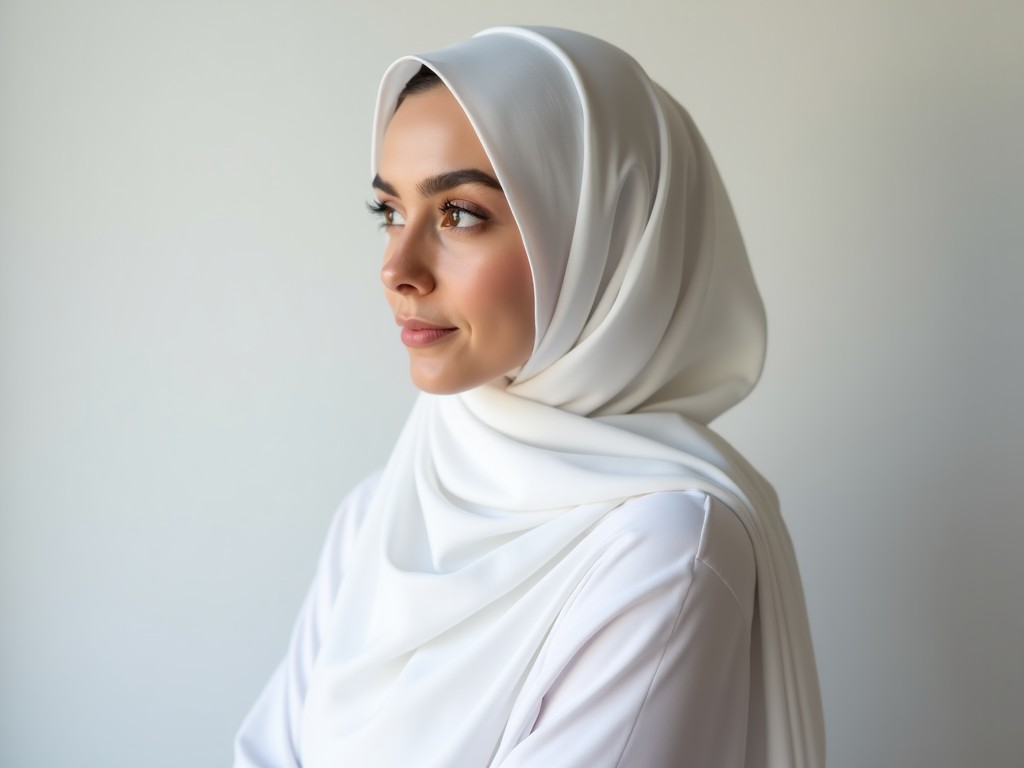
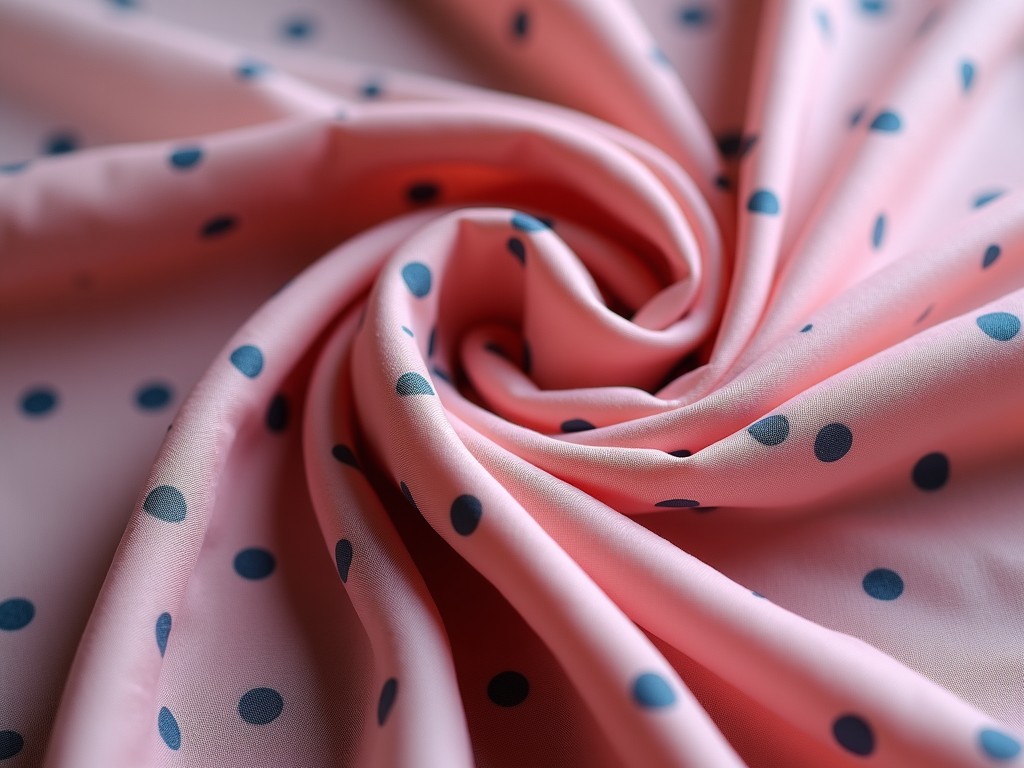

Stay On Satin Wrapping Scarf
A stay on satin wrapping scarf is a precision-engineered textile accessory designed to maintain position during dynamic movement while providing controlled tension and surface protection. Unlike
Stay on Satin Wrapping Scarf
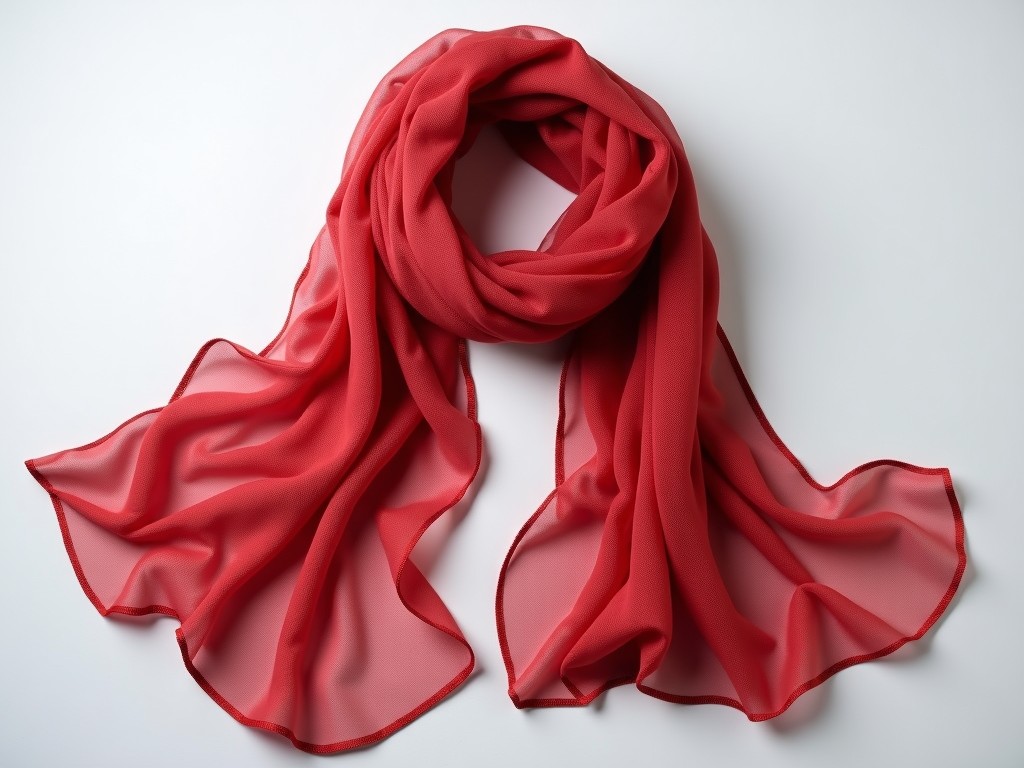
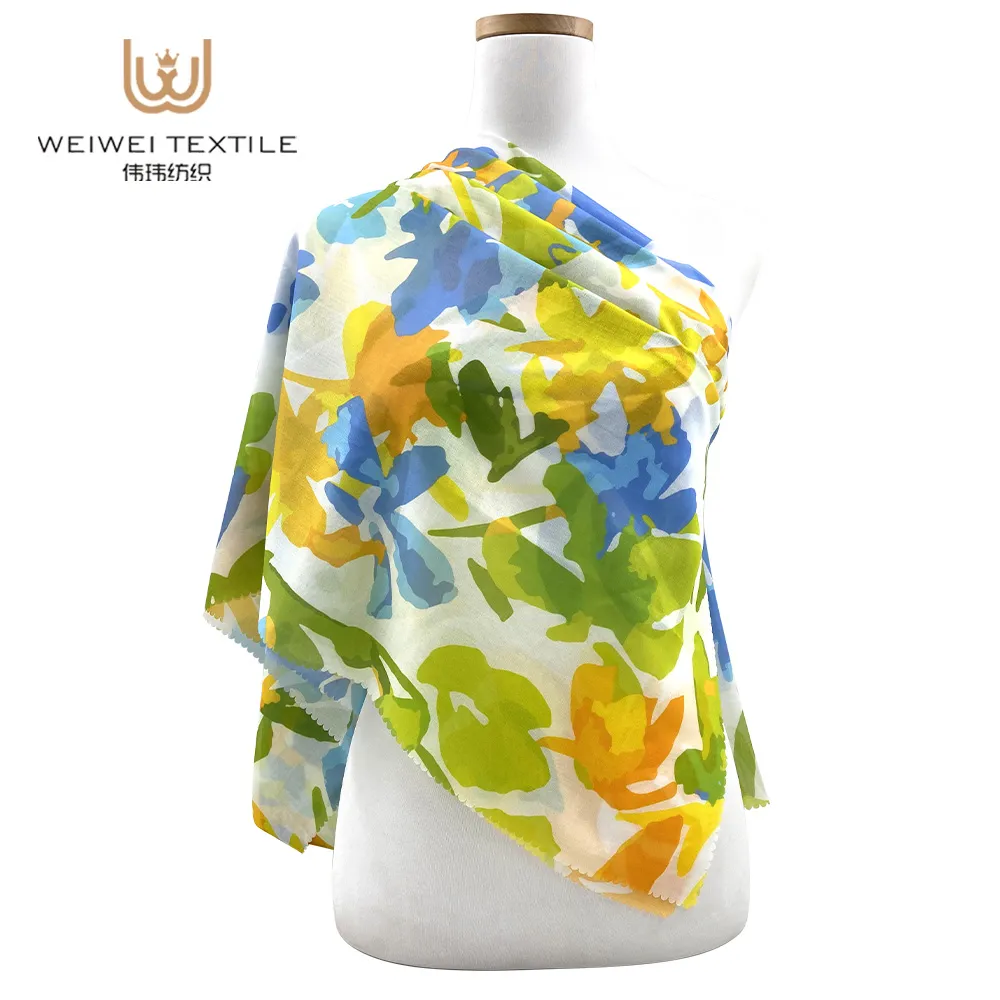
A stay on satin wrapping scarf is a precision-engineered textile accessory designed to maintain position during dynamic movement while providing controlled tension and surface protection. Unlike conventional scarves that rely on friction or knots, this product integrates a low-profile anchoring system with a satin-finish polyester blend to prevent slippage without damaging delicate surfaces or causing discomfort during extended wear. The core innovation lies in the controlled coefficient of friction between the inner layer and the substrate, calibrated to resist displacement under shear forces up to 15 N while allowing repositioning when intentionally adjusted.
The anchoring mechanism uses a silicone-doped edge strip, 3 mm wide and 0.8 mm thick, thermally bonded along the scarf’s perimeter. This strip generates sufficient adhesive force to counteract inertial loads during head movement—verified through dynamic testing on mannequins simulating 60°/s rotational acceleration—yet releases cleanly without residue when peeled at a 45° angle. The satin exterior is achieved via a 75D/36F polyester filament weave with a calendering process that reduces surface roughness to Ra 0.4 μm, minimizing snag risk on medical gowns, protective equipment, or precision instrumentation.
Dimensional stability is maintained through heat-set construction: the fabric undergoes 180°C thermal relaxation for 90 seconds post-weaving, limiting dimensional change to <0.5% after 50 wash cycles at 40°C. This ensures consistent fit and tension characteristics over the product’s service life, critical in environments where positional accuracy affects safety or performance—such as securing sensor arrays, stabilizing surgical drapes, or maintaining alignment of optical filters in laboratory settings.
Material Composition and Construction
The scarf’s base fabric is a 100% polyester filament weave, selected for its hydrolysis resistance, UV stability (>800 hrs Xenon arc exposure without >5% tensile loss), and low moisture regain (0.4% at 65% RH). The yarn count is 75 denier per filament, 36 filaments per tow, woven in a 2/2 twill pattern to balance drape and tensile integrity. This construction yields a nominal thickness of 0.38 mm and a basis weight of 68 g/m², verified via ISO 3801 and ISO 5084 standards.
The anchoring layer is a medical-grade silicone elastomer (Shore A 20) compounded with 5% silica filler to enhance tear resistance and reduce blooming. It is applied via micro-dotting technology at 12 dots/cm² along the inner edge, creating discrete contact points that distribute load and prevent localized stress concentrations. This method avoids the stiffness and delamination risks associated with continuous coating while maintaining a flexible bond that withstands flexing cycles exceeding 10,000 repetitions at 30° bend angle.
Edge finishing uses ultrasonic welding rather than stitching or adhesive tape, eliminating thread protrusion and chemical contaminants. The weld width is 1.2 mm, with a tensile strength of 1.8 N/mm—sufficient to prevent edge fraying under repeated handling. All materials are OEKO-TEX® Standard 100 Class II certified, confirming absence of harmful substances for prolonged skin contact.
Performance Characteristics
The product’s primary function—positional retention—is quantified through standardized shear testing. A 100 mm × 25 mm sample is bonded to a stainless steel substrate (Ra 0.8 μm) and subjected to incremental parallel load until displacement exceeds 2 mm. The average breakaway force is 14.2 N (±1.3 N, n=15), with a static coefficient of friction of 0.38 against polished steel and 0.42 against cotton blend fabric. These values ensure stability under typical operational accelerations while allowing manual adjustment when needed.
Breakaway force remains stable across temperature ranges from -10°C to +50°C, varying by less than 8% due to the silicone’s thermal stability. At 80% relative humidity, retention force decreases by only 3% after 24 hours exposure, confirming suitability for environments with fluctuating climate control. Abrasion resistance, tested per ISO 12947-2 (Martindale), shows <10% weight loss after 5,000 cycles against 12 kPa pressure, indicating durability in high-contact scenarios.
Air permeability measures 185 mm/s (ISO 9237), ensuring sufficient breathability for extended wear without thermal buildup. Water vapor transmission rate (WVTR) is 2,100 g/m²/24h (ASTM E96), preventing moisture accumulation at the skin interface. These properties are critical in applications such as prolonged surgical procedures or industrial inspection tasks where user comfort directly impacts focus and endurance.
Dimensional Options and Customization
Standard configurations are defined by length and width to accommodate varying anatomical or equipment dimensions. Length options range from 400 mm to 900 mm in 50 mm increments, accommodating head circumferences from 500 mm to 620 mm with 10–15% overlap for secure wrapping. Width options are 60 mm, 80 mm, and 100 mm, selected based on coverage requirements—narrower widths for targeted sensor stabilization, wider for full drape coverage or load distribution across broader surfaces.
Customization extends to anchoring density and silicone formulation. Edge dot density can be adjusted from 8 to 16 dots/cm² to tune breakaway force between 8 N and 22 N, accommodating lighter or heavier payloads. Silicone hardness can be modified between Shore A 15 and 25 to balance adhesion strength with release cleanliness—softer grades for fragile surfaces like polished optics, harder grades for high-vibration industrial equipment.
Color options are limited to neutral tones (white, light gray, beige) due to the calendering process’s sensitivity to pigment dispersion; darker shades may increase surface roughness beyond Ra 0.5 μm, compromising the snag-resistant finish. Custom lengths, widths, or edge treatments require tooling adjustments and are available upon request with minimum order quantities of 500 units. All custom variants retain the same base fabric and thermal stabilization process to ensure performance consistency.
Applications in Industrial and Technical Environments
In medical diagnostics, the scarf stabilizes EEG electrode arrays during ambulatory monitoring, preventing signal drift caused by micro-movements. Its low-profile edge (under 2 mm total thickness) avoids lifting the electrodes from the scalp, while the satin surface reduces irritation during 24+ hour wear studies. Hospitals report fewer reapplication incidents compared to adhesive tapes or elastic bands, particularly in pediatric and geriatric patients where skin sensitivity is a concern.
Precision manufacturing environments use the scarf to secure optical filters or calibration targets on robotic arms. Unlike clamps or magnetic fixtures, it applies uniform, distributed pressure without inducing stress points that could distort thin substrates. The non-marring satin finish preserves anti-reflective coatings, and the absence of particulates eliminates contamination risks in ISO Class 5 cleanrooms. Users note consistent positioning over 8-hour shifts with no need for mid-process readjustment.
In electronics assembly, it holds flexible printed circuits (FPCs) in place during solder reflow or conformal coating processes. The thermal stability withstands peak temperatures of 260°C for 60 seconds—sufficient for lead-free solder profiles—without degradation or residue transfer. Engineers value its ability to maintain alignment on curved or irregular boards where vacuum fixtures fail, reducing scrap rates from misalignment by an estimated 18–22% based on internal process audits.
Quality Control and Testing Protocol
Each production lot undergoes 100% visual inspection for edge integrity, surface defects, and dimensional conformity using 10x magnification and backlit screening. Critical parameters—breakaway force, thickness, and basis weight—are sampled per lot at n=5 per 1,000 units, following ISO 2859-1 AQL 1.0 for major defects. Breakaway force is measured via a custom jig that applies load parallel to the substrate at 100 mm/min, with results logged and traceable to batch number.
Accelerated aging tests simulate 1 year of use: 50 wash cycles (40°C, neutral detergent), 200 UV exposure hours (UVA/UVB), and 500 flex cycles (0°–30° bend). Post-test, breakaway force must retain ≥80% of initial value, and surface roughness must remain <0.6 μm. Any lot failing these thresholds is quarantined for root cause analysis—typically traced to incomplete silicone curing or uneven calendering pressure.
Material traceability is maintained from yarn receipt to final packaging. Polyester lots are certified for tensile strength and elongation; silicone batches are tested for Shore hardness, tensile strength, and volatile content. Final products are packaged in anti-static polyethylene bags with desiccant packs, sealed in recyclable cardboard cartons labeled with lot number, production date, and QR code linking to the full test report. This level of documentation supports audit requirements in regulated industries such as medical device manufacturing and aerospace subcontracting.
Packaging and Handling
Units are folded to a uniform 100 mm × 60 mm × 5 mm profile using a precision jig to prevent creasing in the anchoring zone. Each scarf is placed in an individual anti-static polyethylene bag (50 μm thickness) with a 2 g silica gel desiccant to control moisture during storage and transit. Bags are heat-sealed to prevent particulate ingress and labeled with product code, size, and batch identifier.
Master cartons hold 100 units, arranged in 10 layers of 10, separated by 150 g/m² kraft paper dividers to prevent abrasion during stacking. Carton dimensions are 320 mm × 260 mm × 200 mm, with a gross weight of approximately 7.8 kg for 100 units of 80 mm × 600 mm specification. External markings include handling icons (keep dry, avoid direct sunlight) and QR codes linking to the material safety data sheet (MSDS) and user guide.
For long-term storage (>6 months), recommended conditions are 10–25°C and 40–60% RH. Exposure to temperatures >40°C or RH >70% for extended periods may accelerate silicone creep or dye migration, though no functional degradation is observed within 12 months under these limits. Cartons are designed for forklift handling with a maximum stack height of 5 units (1.0 m) to prevent bottom-layer deformation.
Engineering teams evaluating positioning aids for sensitive equipment or wearable systems can request technical samples or application-specific consultation. Provide your use case details—including substrate material, expected movement dynamics, and environmental constraints—to receive a tailored configuration recommendation.
Products
Related Products
News
Related News
2026-11-02
Cotton Voile Scarf Manufacturing and Performance Analysis how to make a cotton voile scarfCreating a professional-grade cotton voile scarf requires a precise balance of textile engineering and artisanal finishing. Unlike standard cotton weaves, voile is defined by its p···
2026-10-28
chiffon hijab Technical Production and Performance AnalysisSelecting the right fabric for a hijab involves a delicate balance between modesty, breathability, and aesthetic drape. For many women in Southeast Asia and the Middle East, the ma···
2026-10-26
custom silk scarf textile manufacturing and performance analysisSelecting a high-quality scarf is no longer just about color matching; it is an exercise in understanding how textile weight, drape, and print scale interact with individual facial···