Skinny Satin Scarf Wrap Top Supplier






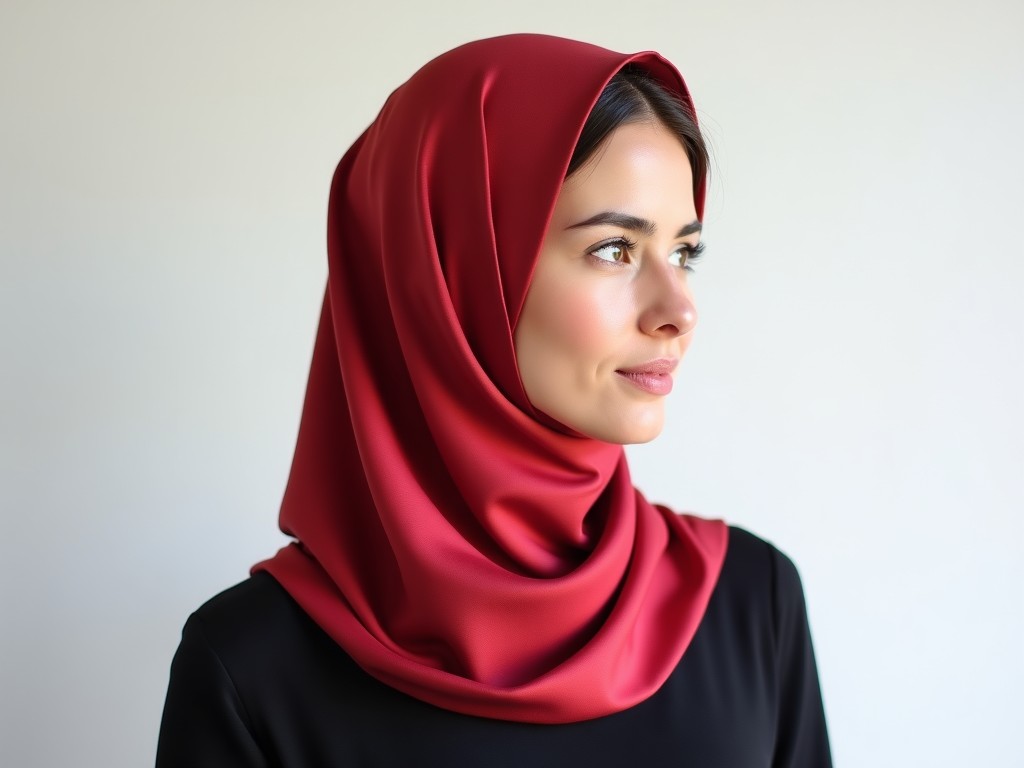
Skinny Satin Scarf Wrap Top Supplier
A skinny satin scarf wrap top is a lightweight garment constructed from satin-weave fabric, designed to be tied or wrapped around the torso to create a fitted or draped silhouette. The term "skinny"
Skinny Satin Scarf Wrap Top Supplier
A skinny satin scarf wrap top is a lightweight garment constructed from satin-weave fabric, designed to be tied or wrapped around the torso to create a fitted or draped silhouette. The term "skinny" refers to the narrow cut and minimal excess fabric, while "satin" indicates a specific weave structure that produces a smooth, lustrous surface on one side and a duller reverse. These tops are typically made from filament yarns such as polyester, nylon, or silk, and are valued in apparel manufacturing for their drape, surface reflectivity, and ease of layering.
Material Construction and Weave Characteristics
The satin weave used in these tops features a warp-faced structure where four or more warp threads float over a single weft thread (or vice versa), minimizing interlacings and creating a long, smooth surface. This reduces light scattering, resulting in the characteristic sheen. Common filament yarns include 100% polyester (150D–300D), nylon 6,6 (84D–210D), or mulberry silk (20D–30D), with denier selected based on desired weight, opacity, and cost. The fabric weight typically ranges from 60 to 120 GSM, balancing drape with durability.
Unlike plain or twill weaves, satin’s reduced interlacings increase susceptibility to snagging and abrasion, particularly along folded edges or stress points from wrapping. To mitigate this, suppliers often apply a light silicone or resin finish during processing to improve surface lubricity and reduce friction-induced damage. The finish does not significantly alter hand feel but improves longevity in repeated use.
Design and Dimensional Considerations
The pattern for a skinny satin scarf wrap top is characterized by a long, narrow rectangle or tapered panel, usually 140–180 cm in length and 25–35 cm in width at the center, narrowing slightly toward the ends. This geometry allows for multiple wrapping styles—single loop, double knot, or asymmetrical drape—while minimizing bulk. Seam placement is critical; flat-felled or French seams are preferred to avoid irritation and maintain a clean interior finish, especially since the garment sits close to the skin.
Hemming is typically done with a narrow rolled hem (2–3 mm) or a narrow overlock stitch to prevent fraying without adding stiffness. Because satin frays easily, heat sealing or ultrasonic cutting may be used on synthetic variants to edge-finish panels before sewing. The absence of darts, gussets, or structural linings means the fit relies entirely on fabric drape and tension from wrapping, making dimensional stability of the yarn and weave essential.
Comparison of Common Fabric Options
| Property | Polyester Satin | Nylon Satin | Silk Satin |
|---|---|---|---|
| Typical Weight (GSM) | 80–110 | 70–100 | 60–90 |
| Lustre Level | Medium-High | High | Very High |
| Abrasion Resistance | Good | Fair | Poor |
| Moisture Regain | 0.4% | 4.5% | 11% |
| Care Requirements | Machine washable (low temp) | Hand wash recommended | Dry clean only |
| Relative Cost (per kg) | Low | Medium | High |
Applications in Apparel and Styling
Skinny satin scarf wrap tops are used as layering pieces in women’s fashion, particularly in transitional seasons where lightweight coverage is needed without thermal insulation. Their smooth surface allows them to glide over underlayers like camisoles, t-shirts, or lightweight sweaters, creating a polished look with minimal friction. Unlike bulkier wraps or scarves, their narrow profile reduces visual volume, making them suitable for pairing with structured outerwear such as blazers or tailored coats.
In professional settings, they serve as a non-restrictive alternative to collars or neckties, offering a soft visual break at the neckline while maintaining a polished appearance. Because they add no significant weight or bulk, they are favored in travel apparel and capsule wardrobes where packability and versatility are priorities. The fabric’s inherent drape also allows it to conform to varying torso shapes without requiring precise sizing, reducing return rates in e-commerce contexts.
Customization and Production Considerations
Suppliers commonly offer customization in length (120–220 cm), width (20–40 cm), and taper angle to accommodate different styling intents. Color matching is typically done via Pantone or textile-specific swatch books, with dye lots controlled to ΔE < 1.5 for batch consistency. For synthetic satins, solution-dyed yarns are available upon request to improve UV stability and reduce batch variation, particularly important for outdoor or uniform applications.
Edge treatments can be customized—options include raw edge (for intentional fray), rolled hem, picot stitch, or narrow bias tape binding. For orders exceeding 500 units, suppliers may offer custom packaging such as individual poly bags with hang tags or folded presentation in recycled cardboard inserts. Lead times vary based on fabric sourcing but typically range from 14 to 28 days for standard polyester satin, with silk or specialty finishes extending timelines.
Quality Control and Inspection Points
Inspection begins with fabric roll evaluation for defects such as yarn breaks, thick/thin places, or oil spots using a 4-point system under 6500K lighting. Dimensional checks are performed on relaxed fabric after 24 hours of conditioning at 20°C/65% RH, measuring length, width, and skew (bias stretch) to ensure dimensional stability. Sewing quality is assessed via seam strength testing (ASTM D1683) and stitch density (minimum 8–10 stitches/cm) to prevent unraveling under tension.
Colorfastness is verified for washing (ISO 105 C06), perspiration (ISO 105 E04), and rubbing (ISO 105 X12), with minimum grades of 3–4 required for commercial acceptability. Final inspection includes a wrap test on a standard mannequin to confirm drape behavior and absence of twisting or torque when tied. Any panel showing residual skew after wrapping is flagged for rework, as it indicates uneven tension in the weave during cutting or sewing.
Products
Related Products
News
Related News

2026-11-02
Cotton Voile Scarf Manufacturing and Performance Analysis how to make a cotton voile scarfCreating a professional-grade cotton voile scarf requires a precise balance of textile engineering and artisanal finishing. Unlike standard cotton weaves, voile is defined by its p···

2026-10-28
chiffon hijab Technical Production and Performance AnalysisSelecting the right fabric for a hijab involves a delicate balance between modesty, breathability, and aesthetic drape. For many women in Southeast Asia and the Middle East, the ma···

2026-10-26
custom silk scarf textile manufacturing and performance analysisSelecting a high-quality scarf is no longer just about color matching; it is an exercise in understanding how textile weight, drape, and print scale interact with individual facial···
