Silk Or Satin Head Scarf



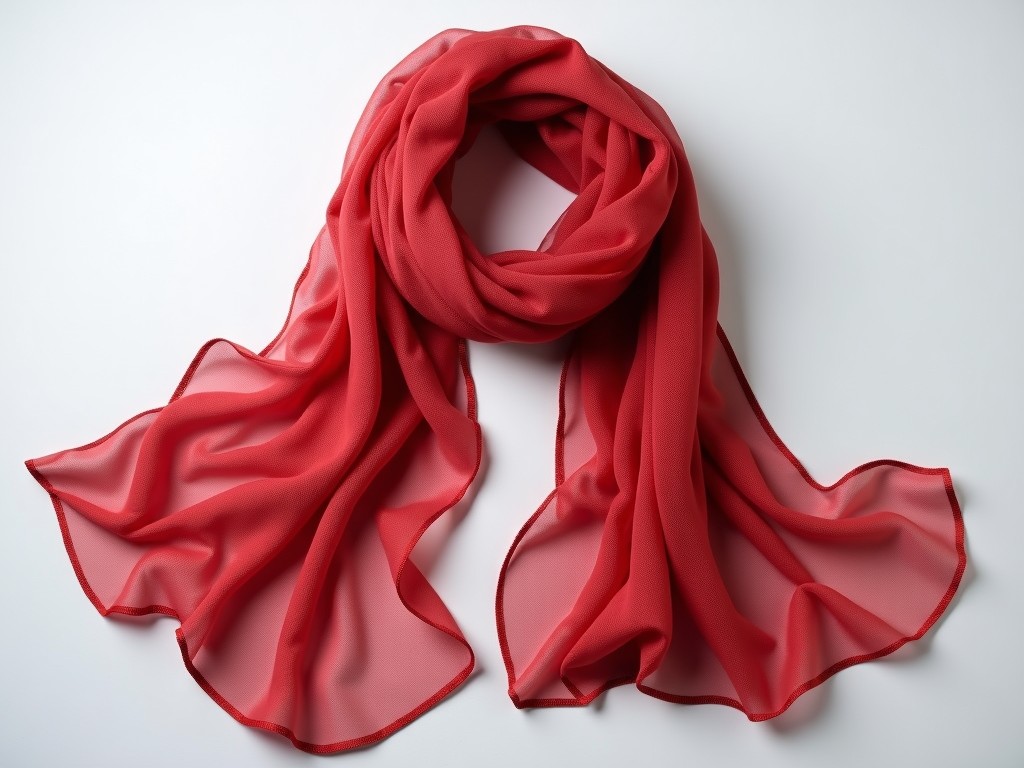

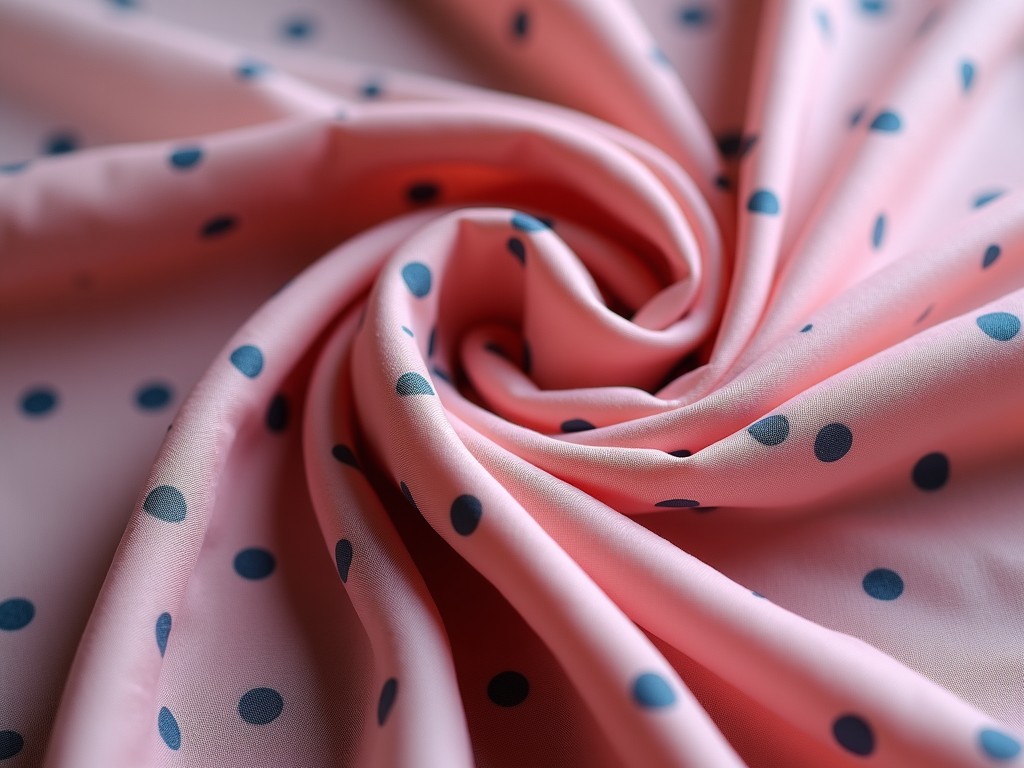

Silk Or Satin Head Scarf
Silk and satin head scarves serve functional roles beyond fashion in controlled environments where material properties directly impact safety, hygiene, and operational efficiency. These textiles are
Silk and Satin Head Scarves for Industrial and Professional Use
Silk and satin head scarves serve functional roles beyond fashion in controlled environments where material properties directly impact safety, hygiene, and operational efficiency. These textiles are selected based on fiber composition, weave structure, surface friction, and particulate retention characteristics—not aesthetics alone. Understanding these technical attributes enables procurement teams to specify products that meet precise workplace requirements while minimizing contamination risks and wear-related failures.
Material Composition and Fiber Properties
Natural silk fibers (primarily fibroin protein) exhibit a triangular cross-section that scatters light, producing inherent luster with a refractive index of approximately 1.54. This structure contributes to low surface energy, reducing adhesion of dry particulates and microbial colonies. Satin weave—typically constructed from filament polyester, nylon, or rayon—creates a smooth, lustrous face by floating warp yarns over multiple wefts, minimizing surface asperities. The resulting coefficient of friction (CoF) for silk averages 0.25–0.35 against stainless steel, while satin polyester ranges from 0.30–0.40, influencing slip resistance in dynamic environments.
Moisture regain values further differentiate these materials: silk absorbs up to 11% of its weight in moisture at 65% RH, aiding thermal regulation in prolonged wear, whereas polyester satin retains less than 0.4%, making it suitable for low-humidity or electrostatic-sensitive zones. Tensile strength varies significantly—mulberry silk averages 3.0–4.0 g/den, while high-tenacity polyester satin reaches 7.0–8.5 g/den, affecting durability under repeated abrasion or laundering cycles.
Weave Structure and Surface Characteristics
The satin weave’s long float lengths (typically 4–8 yarns) create a continuous filament surface with fewer interlacings than plain or twill weaves. This reduces mechanical interlocking points where contaminants can accumulate, improving cleanability in cleanroom or food-processing settings. However, longer floats increase susceptibility to snagging under abrasive contact—a trade-off evaluated via Martindale abrasion testing, where silk satin typically endures 15,000–25,000 cycles before visible wear, compared to 30,000–50,000 for filament polyester satin.
Surface roughness (Ra) measurements show silk satin averaging 0.8–1.2 μm, while polyester satin ranges from 0.5–0.9 μm due to smoother filament extrusion. Lower Ra values correlate with reduced particle adhesion in ISO 14644-1 classified environments. Edge construction also matters: heat-cut or ultrasonic-sealed edges prevent fraying, limiting lint generation—a critical factor in semiconductor or pharmaceutical manufacturing where airborne fibers must remain below 100 particles/m³.
Functional Applications in Industrial Settings
In cleanrooms (ISO Class 5–8), silk and satin scarves are used as under-helmet liners to manage perspiration without shedding fibers that could compromise wafer yield or sterile product integrity. Their low-linting nature, when properly laundered, supports compliance with IEST-RP-CC003.4 for garment systems. In food processing facilities, these scarves contain hair effectively while resisting absorption of oils and moisture, reducing microbial harborage sites compared to cotton alternatives, which retain moisture and promote bacterial growth at rates up to 3× higher under identical conditions (per ASTM E2149).
Healthcare environments utilize these materials in surgical head coverings where smooth surfaces minimize bacterial transfer during donning/doffing. Silk’s natural protein structure exhibits mild antimicrobial properties against Staphylococcus aureus (reduction of ~20% after 24h contact, per AATCC Test Method 100), though this is secondary to barrier function. Electrostatic discharge (ESD) protection is not inherent; therefore, scarves used in electronics assembly require conductive threading or grounding straps to meet ANSI/ESD S20.20, as untreated silk and polyester can generate static charges exceeding 100 V during handling.
Customization Parameters and Dimensional Specifications
Standard dimensions range from 55×55 cm to 90×90 cm, accommodating varying head sizes and coverage needs. Thickness is controlled via momme (mm) for silk (typically 8–16 mm) or denier for filament synthetics (75D–150D). Higher momme indicates greater silk weight per unit area—increasing opacity and durability but reducing breathability. For example, 16 mm silk has approximately 2.3× the mass of 8 mm silk, affecting thermal insulation (clo value increase of ~0.15) and airflow resistance.
Edge finishes include rolled hem (2–3 mm width), overlock stitch, or thermal bonding—each affecting lint generation and durability. Rolled hems on silk reduce fraying but add minimal bulk; thermal seals on polyester eliminate thread protrusions entirely. Custom printing via sublimation or pigment dyeing is possible, though dye penetration depth must be evaluated to avoid surface stiffening that increases CoF or creates particulate shedding points. Colorfastness to washing (ISO 105-C06) should exceed grade 4 for industrial laundering cycles.
Quality Control and Inspection Criteria
Incoming material inspection includes fiber identification via FTIR or burn testing to confirm silk vs. synthetic content, as mislabeling can compromise performance in regulated environments. Weave uniformity is assessed using a 10x magnifier to detect missing floats or broken filaments—defects exceeding 2 per dm² are typically rejected. Dimensional stability is verified after 5 wash cycles at 60°C (for cotton-blend backing) or dry cleaning (for pure silk), with length/width change limited to ±2% to ensure consistent fit.
Particle emission testing follows IEST-RP-CC003.3, measuring particles >0.5 μm released during tumbling abrasion. Acceptable limits for ISO Class 6 environments are <1,000 particles/ft²/min. Seam strength is tested per ASTM D1683, requiring minimum 15 N force to propagate a tear. Colorfastness to light (ISO 105-B02) is evaluated for outdoor or window-exposed use, with grade 4+ indicating <20% fading after 20 AFU. All tests are conducted per lot, with results traceable to batch numbers.
Comparison Table: Silk vs. Satin (Polyester) Head Scarves
| Property | Silk (Natural) | Satin (Filament Polyester) |
|---|---|---|
| Fiber Type | Natural protein fibroin | Synthetic PET filament |
| Typical Momme/Denier | 8–16 mm | 75D–150D |
| Moisture Regain (@65% RH) | 8–11% | <0.4% |
| Tensile Strength (g/den) | 3.0–4.0 | 7.0–8.5 |
| Surface Roughness (Ra, μm) | 0.8–1.2 | 0.5–0.9 |
| Abrasion Resistance (Cycles) | 15,000–25,000 | 30,000–50,000 |
| Electrostatic Propensity | Low-Moderate | High (unless treated) |
| Thermal Insulation (Clo) | 0.20–0.30 | 0.05–0.10 |
| Typical Use Case | Cleanrooms, healthcare, low-static zones | Food processing, general industry, ESD-controlled (with treatment) |
Values represent typical ranges; actual performance depends on specific yarn count, weave density, and post-processing. Selection should align with environmental controls, laundering protocols, and contamination thresholds defined in facility SOPs. For ESD applications, polyester scarves require surface resistivity <1.0×10¹¹ Ω/sq (per ANSI/ESD STM12.1) achieved through topical treatments or conductive fiber blending.
Ordering and Technical Support
To receive a formal quotation, provide: intended use environment (e.g., ISO Class, food zone, healthcare), required dimensions, preferred material (silk or satin type), edge finish, quantity, and any regulatory references (e.g., ISO 14644, GMP, ANSI/ESD S20.20). Lead time for standard configurations is typically 10–15 business days; custom dyeing or certified packaging may extend this period. Samples are available upon request for evaluation under actual operating conditions, including laundering trials and particle emission testing.
Technical datasheets, test reports, and material safety information are accessible via the contact portal. Our engineering team assists in mapping product specifications to your facility’s risk assessment matrices, ensuring that textile choices contribute to—rather than complicate—contamination control and worker safety objectives.
Request Technical Specification or QuoteProducts
Related Products
News
Related News
2026-11-02
Cotton Voile Scarf Manufacturing and Performance Analysis how to make a cotton voile scarfCreating a professional-grade cotton voile scarf requires a precise balance of textile engineering and artisanal finishing. Unlike standard cotton weaves, voile is defined by its p···
2026-10-28
chiffon hijab Technical Production and Performance AnalysisSelecting the right fabric for a hijab involves a delicate balance between modesty, breathability, and aesthetic drape. For many women in Southeast Asia and the Middle East, the ma···
2026-10-26
custom silk scarf textile manufacturing and performance analysisSelecting a high-quality scarf is no longer just about color matching; it is an exercise in understanding how textile weight, drape, and print scale interact with individual facial···