Satin Silk Hair Scarf Top Supplier






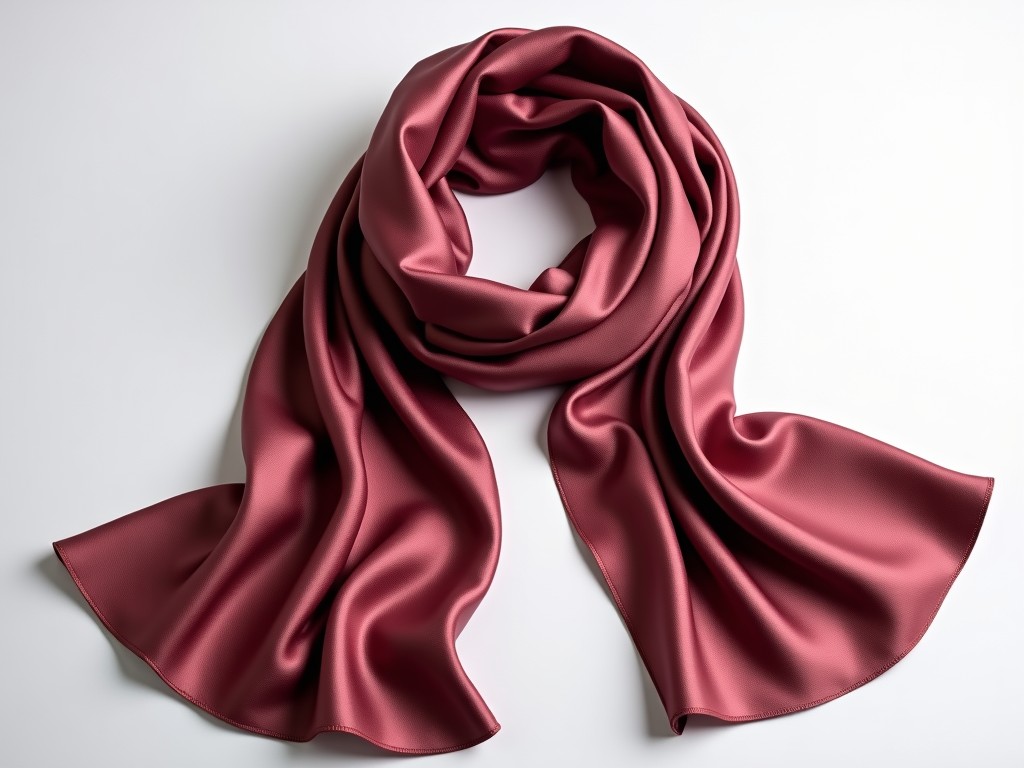
Satin Silk Hair Scarf Top Supplier
This document outlines the technical specifications, material properties, and supply chain considerations for satin silk hair scarves intended for industrial procurement. Designed for distributors,
Satin Silk Hair Scarf: Industrial Supply Specifications for B2B Buyers
This document outlines the technical specifications, material properties, and supply chain considerations for satin silk hair scarves intended for industrial procurement. Designed for distributors, OEMs, and bulk buyers, the information focuses on measurable characteristics that impact performance, durability, and compliance in commercial applications.
Material Composition and Construction
The scarf is constructed from 100% mulberry silk filaments with a satin weave structure, resulting in a smooth, low-friction surface on one face and a slightly textured reverse. Filament diameter averages 10–12 micrometers, contributing to tensile strength of approximately 3.5–4.0 g/d denier. The fabric undergoes a controlled degumming process to remove sericin while preserving fibroin integrity, yielding a fabric weight of 12–16 g/m². This construction minimizes snagging and provides consistent drape under repeated handling.
Dimensional Tolerances and Stability
Standard dimensions are 60 cm × 60 cm with a tolerance of ±2% in both length and width, verified through optical measurement systems post-production. Hemming is performed using a 3 mm double-fold stitch with polyester-wrapped nylon thread, providing seam strength exceeding 8 N. Dimensional stability after 5 wash cycles at 30°C shows less than 1.5% shrinkage in warp and weft directions, critical for maintaining fit in automated packaging or assembly line applications.
Colorfastness and Chemical Resistance
Color is applied via low-impact reactive dyes fixed at 60–65°C, achieving a minimum ISO 105-B02 lightfastness rating of 4 and ISO 105-E04 washfastness of 3–4. Resistance to common cosmetic agents (ethanol, propylene glycol, fragrance oils) is tested per AATCC TM130, with no visible bleeding or degradation after 24-hour exposure. The pH of the finished fabric remains between 6.0 and 7.5, ensuring compatibility with skin-contact applications without requiring additional barrier treatments.
Quality Control and Inspection Protocol
Each production lot undergoes 100% visual inspection under 5000 lux daylight simulation for defects such as snags, missing picks, or color variation. AQL 2.5 is applied for major defects (e.g., holes, oil stains) and AQL 4.0 for minor defects (e.g., slight shade variation). Tensile strength and elongation are tested per ASTM D5034 on 5 random samples per lot, with minimum elongation at break of 18%. All test reports are available upon request and include batch-specific data.
Packaging and Logistics Considerations
Scarves are folded to 10 cm × 10 cm × 0.5 cm and packed in polybags of 100 units, then placed in export cartons measuring 40 cm × 30 cm × 25 cm (500 units/carton). Each carton includes a desiccant packet to maintain relative humidity below 60% during transit. Carton labeling includes barcode, lot number, material composition, and country of origin. Stacking strength is tested to withstand 80 kg vertical load without deformation, suitable for palletized storage.
| Parameter | Typical Value | Test Method / Standard |
|---|---|---|
| Fabric Weight | 12–16 g/m² | ISO 3801 |
| Tensile Strength | 3.5–4.0 g/d | ASTM D2256 |
| Shrinkage (Wash) | <1.5% | ISO 6330 |
| Lightfastness | ≥4 (Blue Wool) | ISO 105-B02 |
| Seam Strength | >8 N | ASTM D1683 |
| pH (Finished Fabric) | 6.0–7.5 | ISO 3071 |
Customization and Supply Chain Flexibility
Dimensions, color, and packaging configurations are adjustable based on project requirements. Custom dye lots require a minimum of 5 kg of raw silk (approximately 300–400 scarves) to ensure color consistency. Private labeling options include woven labels or printed tags using non-toxic, water-based inks. Lead time for standard orders is 2–3 weeks; custom orders add 7–10 days for sample approval and dye matching. All raw materials are traceable to certified sericulture farms with documented fiber origin.
Products
Related Products
News
Related News

2026-11-02
Cotton Voile Scarf Manufacturing and Performance Analysis how to make a cotton voile scarfCreating a professional-grade cotton voile scarf requires a precise balance of textile engineering and artisanal finishing. Unlike standard cotton weaves, voile is defined by its p···

2026-10-28
chiffon hijab Technical Production and Performance AnalysisSelecting the right fabric for a hijab involves a delicate balance between modesty, breathability, and aesthetic drape. For many women in Southeast Asia and the Middle East, the ma···

2026-10-26
custom silk scarf textile manufacturing and performance analysisSelecting a high-quality scarf is no longer just about color matching; it is an exercise in understanding how textile weight, drape, and print scale interact with individual facial···
