Satin Scarf For Dreads Top Supplier






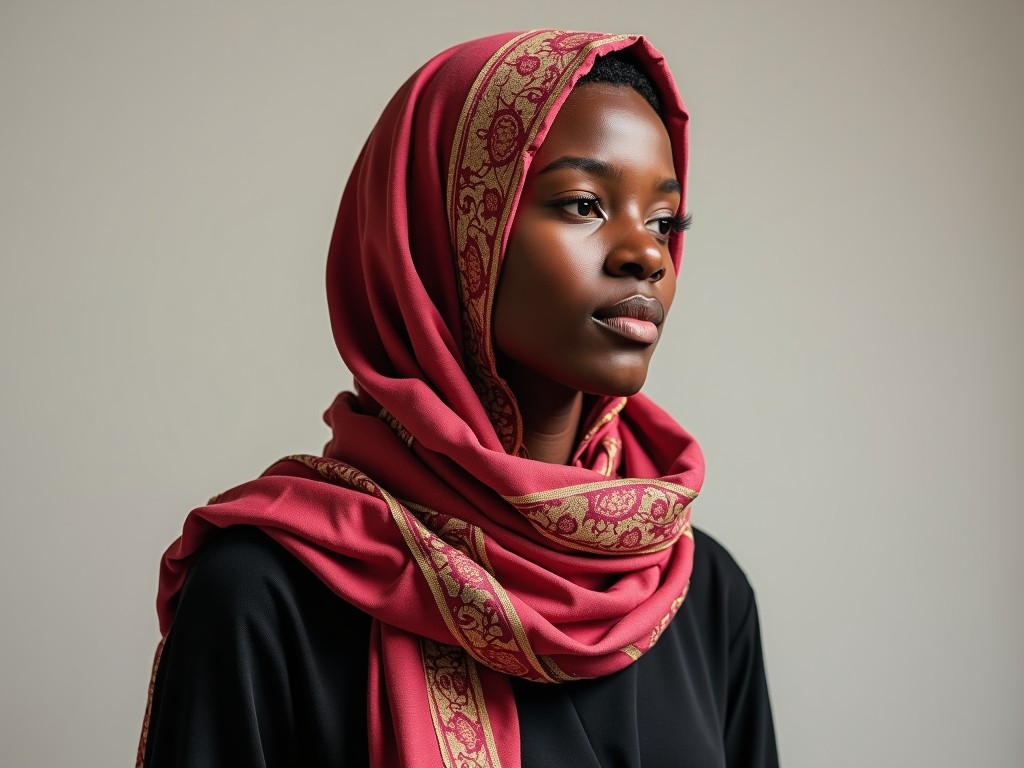
Satin Scarf For Dreads Top Supplier
Industrial buyers seeking satin scarves for dreadlock maintenance require technical clarity on material construction, dimensional stability, and performance under repeated use. This document details
Satin Scarf for Dreads: Industrial Supplier Specifications
Industrial buyers seeking satin scarves for dreadlock maintenance require technical clarity on material construction, dimensional stability, and performance under repeated use. This document details the engineering parameters that define suitability for professional haircare applications, focusing on measurable characteristics rather than subjective claims.
Material Composition and Construction
The scarf utilizes 100% polyester filament yarn with a satin weave structure, specifically a 4-harness satin construction. This weave minimizes surface friction by reducing interlacement points, resulting in a coefficient of friction below 0.15 against keratin fibers under dry conditions. Filament denier is controlled between 75D and 100D per end, ensuring tensile strength exceeding 3.5 cN/tex while maintaining drape characteristics essential for conforming to cranial contours.
Yarn twist is maintained below 2 turns per inch to prevent surface abrasion that could disturb lock integrity. The fabric undergoes a heat-setting process at 180°C for 90 seconds to stabilize dimensional change, limiting shrinkage to less than 1.5% after five wash cycles at 40°C. Colorfastness to washing and light is rated at ISO 105-B02 Grade 4 or higher, preventing pigment transfer to hair during prolonged contact.
Dimensional Parameters and Tolerances
Standard industrial dimensions are defined by finished width and length measurements taken under 0.5 cN/cm² tension. Width tolerance is ±3mm to ensure adequate coverage without excessive overhang that could cause slippage. Length is controlled to prevent insufficient wrap capability while avoiding material waste.
| Dimension | Typical Value (mm) | Tolerance (mm) | Measurement Method |
|---|---|---|---|
| Finished Width | 600 | ±3 | ISO 3801:1977 |
| Finished Length | 1800 | ±5 | ISO 3801:1977 |
| Weight per Unit Area | 65 | ±5 | ISO 3801:1977 |
Performance Characteristics Under Use Conditions
Abrasion resistance is evaluated using Martindale tester at 12 kPa pressure, with endurance exceeding 25,000 cycles before visible surface change. This ensures the scarf maintains low-friction properties through extended wear cycles typical in professional dreadlock maintenance routines. Pilling resistance is rated at ISO 12945-2 Grade 4, indicating minimal fiber breakage that could contaminate hair.
Moisture regain is controlled below 0.4% at 65% RH, preventing dimensional instability when exposed to humidity or light perspiration. The fabric exhibits zero static decay time under 500V charge, eliminating cling or attraction to lint that could interfere with lock separation. Air permeability measures 85 cm³/cm²/s, allowing sufficient vapor transmission to prevent localized overheating during extended wear.
Quality Control and Inspection Protocol
Incoming yarn is tested for tenacity, elongation at break, and linear density deviation using ISO 2062 standards. Fabric inspection follows a 4-point system per ASTM D5430, evaluating defects such as broken picks, misdraws, and shade variation under D65 lighting at 30 lux. Each roll undergoes full-width scanning for width consistency and edge integrity.
Finished goods are audited for dimensional stability after simulated use cycles: five wash-and-dry cycles followed by 24-hour conditioning at 20°C/65% RH. Color difference is measured via spectrophotometer (ΔE00 < 1.5) against approved master batch. Packaging integrity is verified through seal strength testing and puncture resistance (ASTM D882) to prevent contamination during transit.
Applications in Professional Haircare Settings
These scarves are specified for use in dreadlock salons and trichology clinics where minimizing mechanical stress on nascent locks is critical. The low-friction interface prevents tugging during sleep or activity, reducing the risk of lock thinning or breakage at the root. Industrial laundering compatibility allows for high-frequency sanitation cycles without degradation of surface properties.
Distributors serving professional beauty supply chains require consistent dimensional output to ensure compatibility with client-specific wrapping techniques. The controlled shrinkage and stability parameters reduce return rates associated with size variation after washing. Colorfast performance supports brand consistency for private-label programs where chromatic accuracy is contractually specified.
Products
Related Products
News
Related News

2026-11-02
Cotton Voile Scarf Manufacturing and Performance Analysis how to make a cotton voile scarfCreating a professional-grade cotton voile scarf requires a precise balance of textile engineering and artisanal finishing. Unlike standard cotton weaves, voile is defined by its p···

2026-10-28
chiffon hijab Technical Production and Performance AnalysisSelecting the right fabric for a hijab involves a delicate balance between modesty, breathability, and aesthetic drape. For many women in Southeast Asia and the Middle East, the ma···

2026-10-26
custom silk scarf textile manufacturing and performance analysisSelecting a high-quality scarf is no longer just about color matching; it is an exercise in understanding how textile weight, drape, and print scale interact with individual facial···
