Satin Hair Wrap Scarf Top Factory

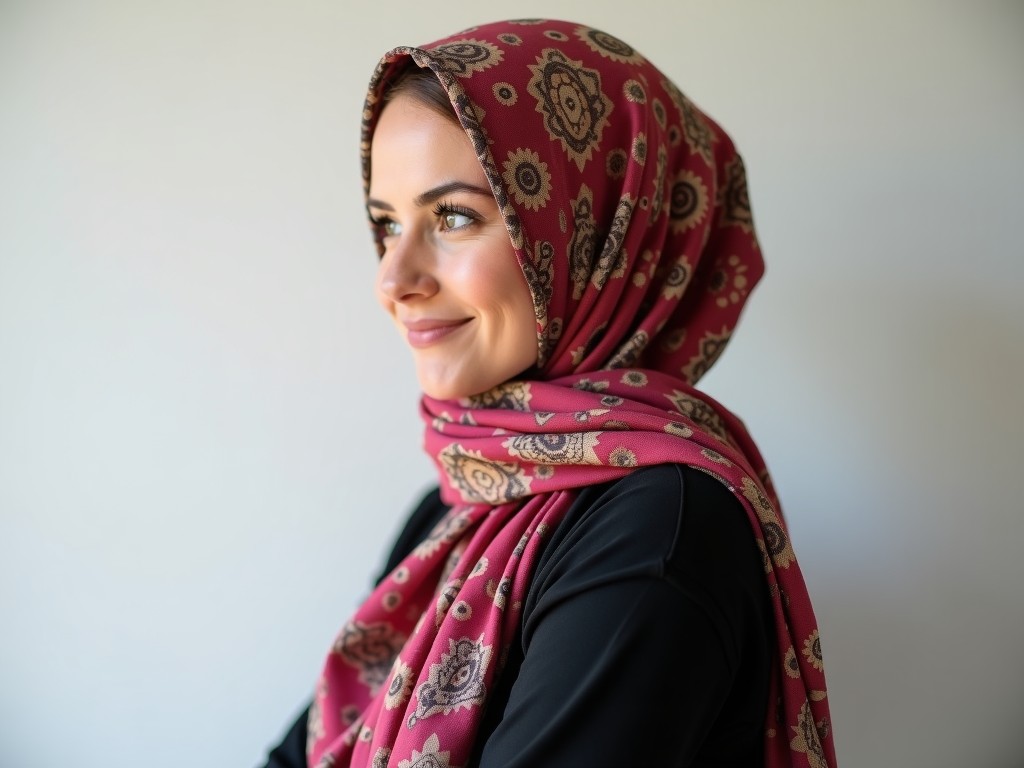

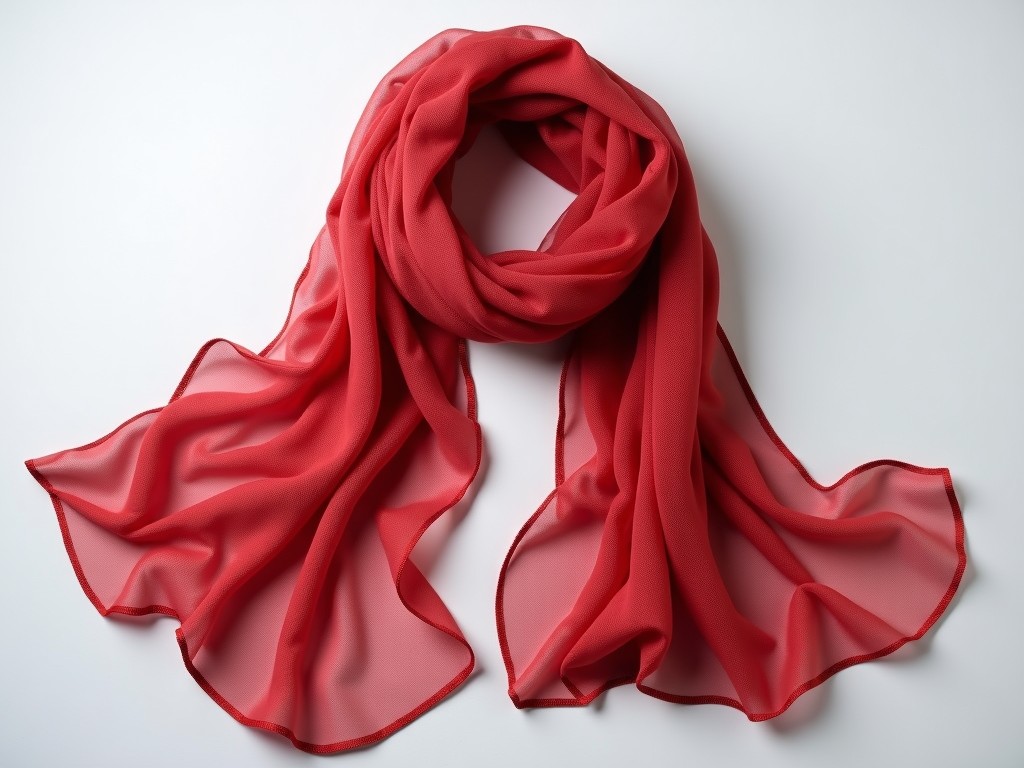

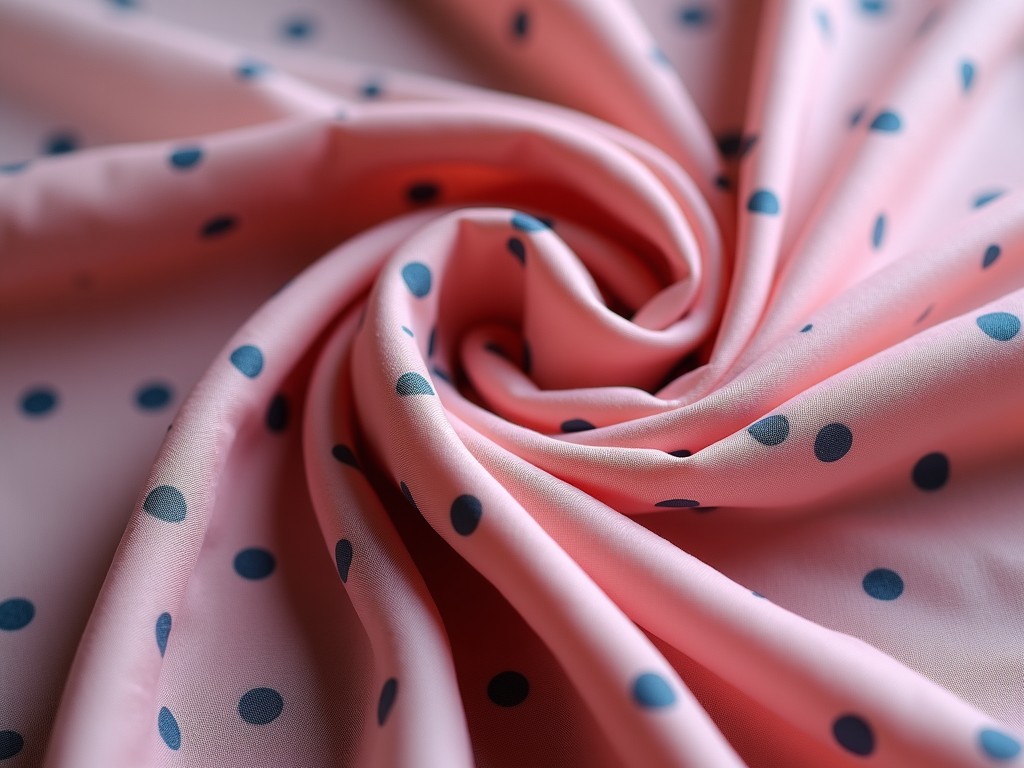
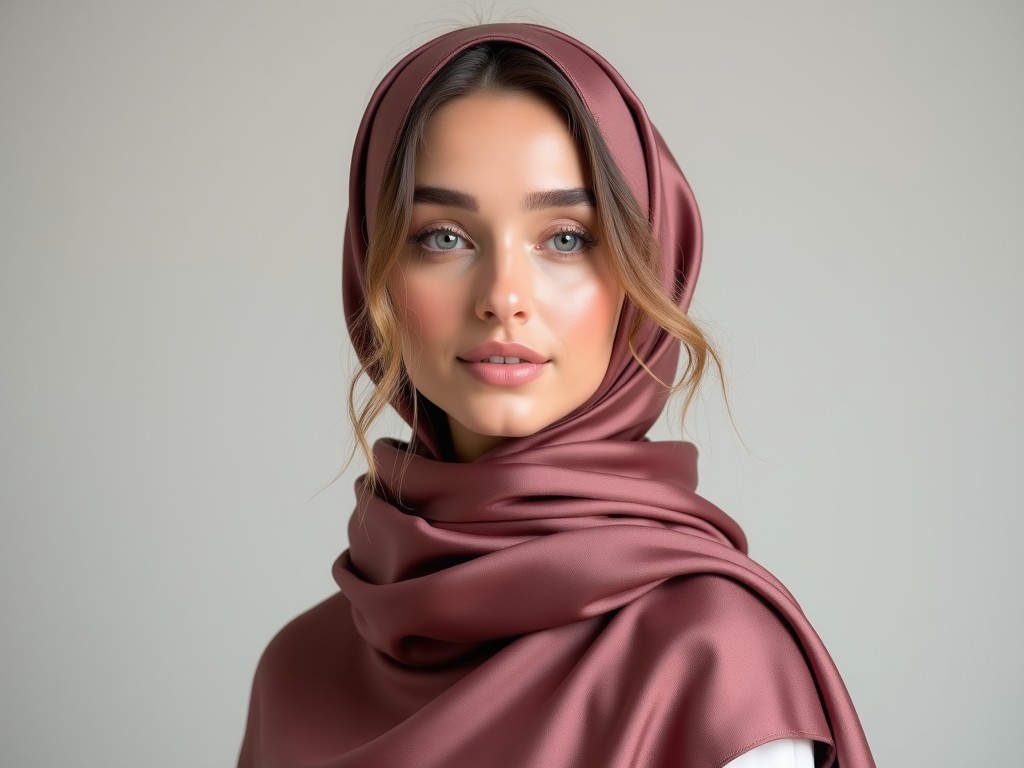
Satin Hair Wrap Scarf Top Factory
Industrial buyers sourcing satin hair wrap scarf tops require consistent dimensional stability, surface finish control, and material traceability to meet downstream apparel or personal care product
Satin Hair Wrap Scarf Top Manufacturing for B2B Supply
Industrial buyers sourcing satin hair wrap scarf tops require consistent dimensional stability, surface finish control, and material traceability to meet downstream apparel or personal care product specifications. This page outlines the technical considerations, manufacturing capabilities, and quality controls relevant to bulk production of these components.
Material Construction and Performance Characteristics
Satin hair wrap scarf tops are typically produced using polyester filament yarns with a satin weave structure, where the float length determines luster and hand feel. A 5-end or 8-end satin weave provides the characteristic smooth surface with minimal light scattering, measured as gloss units >70 at 60° angle under standardized lighting. The fabric weight ranges from 60 to 100 gsm depending on end-use, with tensile strength maintained above 25 N/wrap in both warp and weft directions to resist tearing during use.
Yarn denier selection directly impacts drape and durability; 75D/36F or 100D/48F filaments are common for balancing softness with abrasion resistance. The fabric undergoes heat setting at 180–200°C for 90 seconds to stabilize dimensions, limiting post-production shrinkage to under 2% after five wash cycles at 40°C. Colorfastness to washing and light is evaluated per AATCC standards, with minimum ratings of 4 for staining and 3–4 for fading.
Dimensional Tolerances and Cutting Precision
Finished scarf tops are die-cut or laser-cut to precise diameters, typically ranging from 18 cm to 28 cm for consumer sizing. Tolerances are held to ±1.5 mm on outer diameter and ±1.0 mm on inner aperture (if applicable), verified using optical comparators or CMM systems. Edge finishing methods—such as ultrasonic sealing, heat cutting with tapered nozzles, or narrow overlock stitching—are selected to prevent fraying while maintaining a flat lay profile.
For wrapped designs, the scarf top includes an integrated tail or tie section, with length consistency controlled to ±3 mm across production lots. Registration marks or laser etching may be applied during cutting to align patterns or logos, particularly when custom prints are required. These features ensure compatibility with automated assembly lines in downstream packaging or garment integration processes.
Customization Options and Technical Constraints
Customization extends beyond color to include width variations in the wrap tail (typically 1.5–4 cm), edge treatments (rolled hem, folded edge, or elastic insertion), and surface treatments such as antimicrobial or UV-stabilizing finishes. Print methods include sublimation for full-color designs on polyester, requiring precise temperature (200°C) and pressure (0.3 MPa) control during transfer to avoid dye migration or gloss reduction.
Minimum order quantities for custom dye lots start at 50 kg of base fabric, equivalent to approximately 5,000–8,000 units depending on size. Lead times for material sourcing and sampling average 10–14 days, with production lead times of 18–25 days after approval. Tooling costs for custom dies or screens are amortized over orders exceeding 20,000 units.
Quality Control and Inspection Protocol
Incoming yarn is tested for tenacity, elongation, and linear density before weaving. Greige fabric undergoes inspection for pick density, ends per inch, and visual defects using 4-point or 10-point systems under 300 lux lighting. Finished units are sampled per ANSI/ASQ Z1.4 standards, with AQL limits set at 0.65 for critical defects (e.g., holes, stains) and 1.5 for major defects (e.g., dimensionally out-of-tolerance, poor edge seal).
Each batch includes a test report covering dimensional stability, color delta-E (<1.5 vs. approved sample), and seam strength where applicable. Traceability is maintained via lot numbers linking to yarn source, dye batch, and machine settings. Packaging is designed to prevent creasing—typically flat-folded in polybags with rigid inserts or rolled on cores—depending on customer specifications for automated feeding systems.
Typical Applications in Supply Chains
These components are integrated into sleepwear sets, beauty kits, or premium personal care bundles where hair protection and aesthetic presentation are key. The satin finish reduces friction against hair cuticles, minimizing breakage compared to cotton or rougher synthetics—a property validated through tensile testing of hair strands after repeated wrapping cycles. Distributors value the component’s lightweight nature (<2 g per unit) and compact packaging, reducing warehousing and shipping costs.
OEMs in the cosmetics and loungewear sectors specify these parts for private-label programs, requiring consistent color matching across seasonal runs. Industrial buyers benefit from supplier capabilities in managing dye lot variability through spectrophotometer-controlled re-dyeing or inventory buffering of neutral base colors for over-dyeing.
| Parameter | Typical Range | Test Method / Standard |
|---|---|---|
| Fabric Weight | 60–100 gsm | ASTM D3776 |
| Tensile Strength (Warp/Weft) | >25 N | ASTM D5035 |
| Gloss (60°) | >70 GU | ASTM D523 |
| Dimensional Stability (Wash) | <2% shrinkage | AATCC 135 |
| Colorfastness to Washing | Rating ≥4 | AATCC 61 |
| Outer Diameter Tolerance | ±1.5 mm | Caliper / CMM |
Engineering Considerations for Procurement
When evaluating suppliers, request detailed process flowcharts showing yarn tracing, dye lot segregation, and cutting calibration logs. Assess whether the facility uses automated tension control on wrapping stations to ensure consistent tail length—manual processes introduce variability difficult to correct in high-volume orders. Inquire about environmental controls in printing and drying zones, as humidity fluctuations >60% RH can affect dye uptake and fabric hand.
For long-term supply agreements, negotiate sample approval procedures that include accelerated aging tests (e.g., 48 hours at 40°C/75% RH) to predict real-world performance. Confirm that the supplier maintains a first-article inspection protocol for every new tooling or color change, with documentation available for audit. These practices reduce the risk of batch rejection and support just-in-time inventory models.
Products
Related Products
News
Related News

2026-11-02
Cotton Voile Scarf Manufacturing and Performance Analysis how to make a cotton voile scarfCreating a professional-grade cotton voile scarf requires a precise balance of textile engineering and artisanal finishing. Unlike standard cotton weaves, voile is defined by its p···
2026-10-28
chiffon hijab Technical Production and Performance AnalysisSelecting the right fabric for a hijab involves a delicate balance between modesty, breathability, and aesthetic drape. For many women in Southeast Asia and the Middle East, the ma···

2026-10-26
custom silk scarf textile manufacturing and performance analysisSelecting a high-quality scarf is no longer just about color matching; it is an exercise in understanding how textile weight, drape, and print scale interact with individual facial···