Satin Hair Scarf For Sleeping






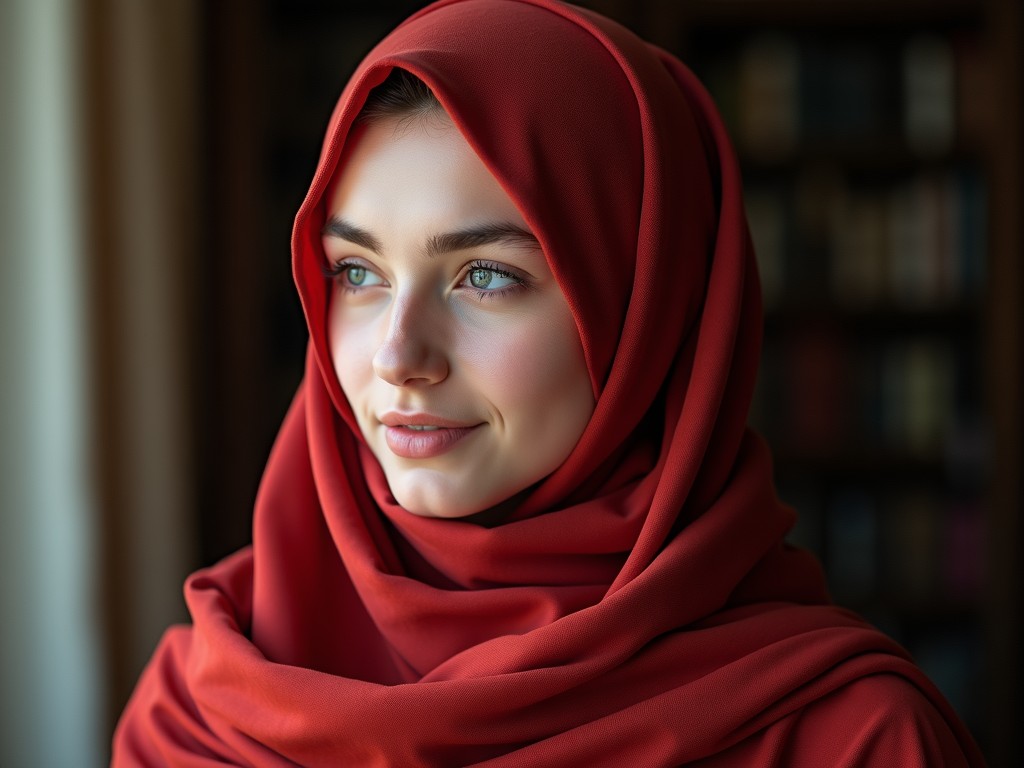
Satin Hair Scarf For Sleeping
A satin hair scarf for sleeping is a textile accessory designed to reduce friction between hair and pillowcase during rest. It functions by creating a smooth, low-resistance interface that minimizes
Satin Hair Scarf for Sleeping
A satin hair scarf for sleeping is a textile accessory designed to reduce friction between hair and pillowcase during rest. It functions by creating a smooth, low-resistance interface that minimizes mechanical stress on hair strands throughout the sleep cycle.
Unlike cotton or polyester alternatives, satin weaves exhibit a surface roughness (Ra) typically below 0.8 μm due to their long float threads, which significantly decreases abrasive forces compared to plain-weave fabrics (Ra > 3.0 μm). This characteristic helps preserve hair integrity by reducing cuticle damage and split-end formation over repeated use.
Material Composition and Construction
The primary material used is 100% polyester filament yarn with a satin weave structure, selected for its consistent dimensional stability and resistance to moisture absorption (<0.5% regain at 65% RH). This ensures the scarf maintains its smooth surface properties even in humid sleeping environments.
Thread count ranges from 120 to 180 threads per inch (TPI) in both warp and weft directions, providing adequate coverage without excessive weight. The fabric weight is typically 60–80 GSM, balancing drape with breathability to prevent heat buildup during prolonged wear.
Edge finishing employs a 3-thread overlock stitch with a stitch density of 8–10 stitches per cm, preventing fraying while maintaining a low-profile seam that does not create pressure points against the scalp or hairline during sleep.
Dimensional Specifications
| Parameter | Typical Range | Tolerance |
|---|---|---|
| Length (flat) | 60–70 cm | ±2 cm |
| Width (flat) | 15–20 cm | ±1 cm |
| Circumference (when tied) | 50–58 cm | ±2 cm |
| Seam width | 0.3–0.5 cm | ±0.1 cm |
Dimensions are optimized to accommodate various head circumferences (typically 52–58 cm) while allowing secure tying without excessive tension. The flat dimensions ensure sufficient fabric overlap to maintain coverage throughout nocturnal movement.
Functional Benefits for Hair Health
The low coefficient of friction (COF) of satin against hair keratin—typically 0.2–0.3 compared to 0.4–0.6 for cotton—reduces tensile stress on hair follicles during positional changes during sleep. This minimizes traction-induced breakage, particularly beneficial for chemically treated, curly, or fine hair types.
By preventing moisture wicking from hair to pillowcase, the scarf helps retain natural oils and applied treatments (e.g., leave-in conditioners, serums) near the hair shaft. This reduces nocturnal dehydration, which can increase brittleness and friction-related damage over time.
Thermal regulation is maintained through the fabric’s moderate air permeability (approximately 8–12 mm/s), preventing localized overheating that could exacerbate sebum production or scalp irritation while still providing sufficient insulation against ambient temperature drops.
Quality Control and Testing
Each batch undergoes visual inspection under 500 lux illumination to detect surface defects such as snags, yarn breaks, or inconsistent sheen. Acceptable quality limit (AQL) is set at 1.0 for major defects and 2.5 for minor defects per ISO 2859-1.
Dimensional stability is verified after 5 wash cycles at 40°C using ISO 6330, with maximum allowable shrinkage of 3% in length and width. Colorfastness to rubbing (dry/wet) meets ISO 105-X12 grade 3 or higher, ensuring no transfer to pillowcase or skin during use.
Seam strength is tested via ASTM D1683, requiring a minimum rupture force of 15 N to withstand repeated tying and untying cycles without failure. These controls ensure long-term usability under typical consumer handling conditions.
Applications and Use Cases
Industrial buyers source these scarves for private-label distribution in beauty, personal care, and sleep hygiene product lines. They are commonly bundled with overnight hair treatments or sold as standalone accessories in retail channels targeting consumers with textured, damaged, or high-maintenance hair.
Beyond consumer retail, they are utilized in professional settings such as salons and spas as protective wraps during overnight conditioning treatments, where maintaining product efficacy and preventing transfer to linens is critical. Their reusability supports sustainability goals in service-based businesses.
In institutional environments like long-term care facilities, they assist in reducing hair trauma for patients with limited mobility, minimizing nursing interventions related to hair breakage or tangling during sleep cycles.
Customization Options
- Width: Adjustable from 12–25 cm to accommodate different styling preferences or hair volume
- Length: Customizable from 50–80 cm for varied tying methods or head sizes
- Color: Available in standard shades (black, navy, beige, blush) or custom Pantone matches
- Edge finish: Options include rolled hem, blind stitch, or ultrasonic sealing for seamless edges
- Packaging: Individual polybag, folded card insert, or bulk pack (50–100 units per carton)
Customization requires technical specifications including yarn denier, weave density, and finish type. Minimum order quantities typically start at 1,000 units for modified dimensions or 3,000 units for custom coloration, subject to material availability.
Comparison with Alternative Materials
| Property | Satin (Polyester) | Cotton | Silk |
|---|---|---|---|
| Coefficient of Friction (vs. hair) | 0.2–0.3 | 0.4–0.6 | 0.15–0.25 |
| Moisture Regain (% at 65% RH) | <0.5 | 7–8 | 9–11 |
| Weight (GSM) | 60–80 | 100–140 | 40–60 |
| Wash Stability (5 cycles) | <3% shrinkage | 4–8% shrinkage | <2% shrinkage (delicate cycle) |
| Cost Factor (Relative) | 1.0 | 0.7–0.9 | 3.0–5.0 |
While silk offers lower friction, its high moisture absorption and cost limit practicality for frequent washing. Cotton, though affordable, increases friction and draws moisture from hair. Polyester satin provides an optimal balance of low friction, moisture resistance, durability, and cost-effectiveness for repeated nocturnal use.
Packaging and Shipping
Standard packaging involves individual folding and placement in a 50μm polyethylene bag with a suction hole to prevent moisture entrapment. Bags are labeled with product SKU, material composition, and care instructions in accordance with textile labeling regulations.
Cartons are constructed from single-wall corrugated fiberboard (150 gsm liner, 120 gsm medium) with dimensions optimized for palletization (e.g., 40×30×25 cm for 100 units). Each carton includes a desiccant packet (<5g silica gel) to maintain <10% relative humidity during transit.
Shipping marks include handling instructions (“Keep Dry,” “This Side Up”) and country of origin. Lead time for standard orders is 15–20 working days after sample approval and deposit receipt, with FOB or CIF terms available upon request.
Care Instructions and Longevity
Machine washable at 30–40°C on gentle cycle using neutral pH detergent (6–8). Avoid bleach, fabric softeners, and high-temperature drying, which can degrade polyester surface integrity and increase friction over time. Tumble dry low or line dry away from direct sunlight.
With proper care, the scarf maintains its low-friction properties for 50+ wash cycles. Visual inspection for thinning, pilling, or loss of sheen indicates end of useful life. Ironing is not recommended; if necessary, use lowest heat setting with a pressing cloth.
Storage in a cool, dry place away from direct UV exposure prevents yellowing and embrittlement. The product is designed for repeated use over 6–12 months under typical nightly wear conditions before performance degradation becomes noticeable.
Inquiry and Ordering
For technical specifications, sample requests, or quotation details, please provide your requirements including desired dimensions, quantity, color, and packaging preferences. Our engineering team will review your needs and respond with a formal proposal within 2 business days.
All inquiries are treated confidentially. We do not share customer data with third parties. To initiate contact, use the provided link below.
Request Technical Specification or SampleProducts
Related Products
News
Related News

2026-11-02
Cotton Voile Scarf Manufacturing and Performance Analysis how to make a cotton voile scarfCreating a professional-grade cotton voile scarf requires a precise balance of textile engineering and artisanal finishing. Unlike standard cotton weaves, voile is defined by its p···

2026-10-28
chiffon hijab Technical Production and Performance AnalysisSelecting the right fabric for a hijab involves a delicate balance between modesty, breathability, and aesthetic drape. For many women in Southeast Asia and the Middle East, the ma···

2026-10-26
custom silk scarf textile manufacturing and performance analysisSelecting a high-quality scarf is no longer just about color matching; it is an exercise in understanding how textile weight, drape, and print scale interact with individual facial···
