Oem Stay On Satin Large Scarf



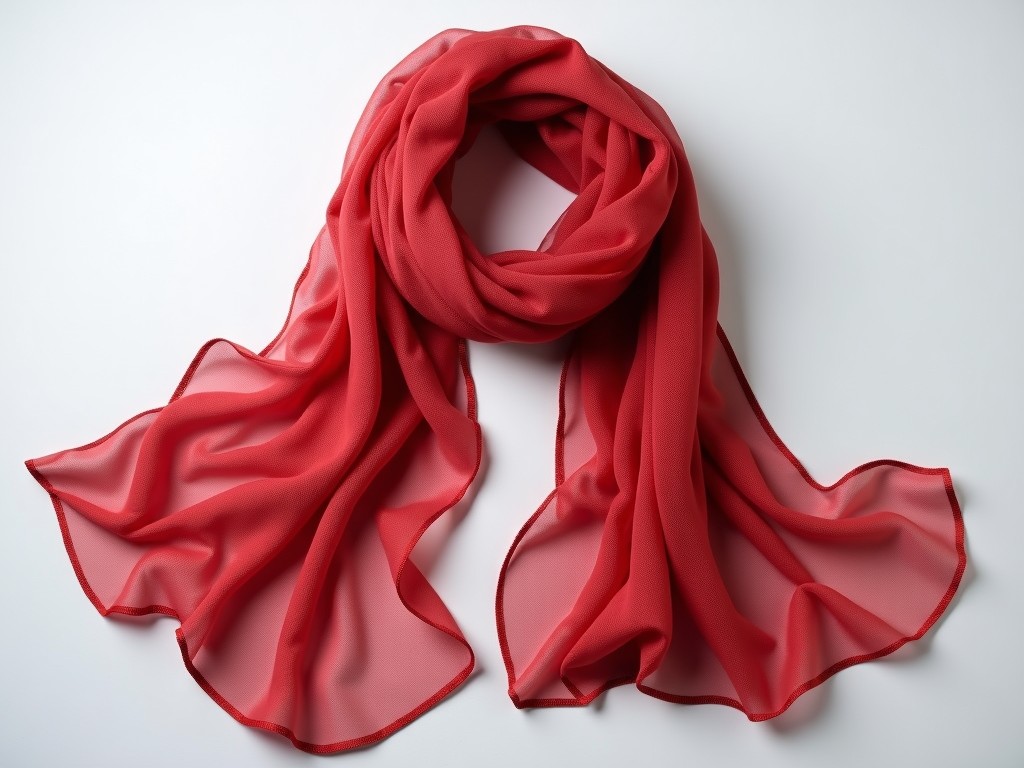

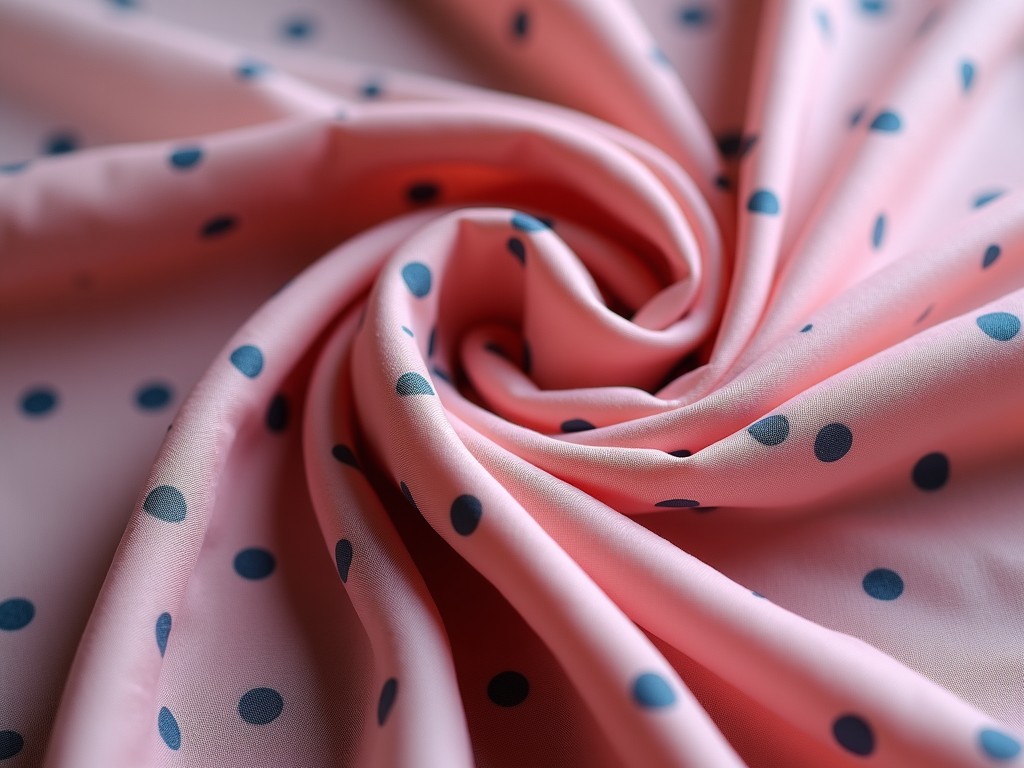

Oem Stay On Satin Large Scarf
An OEM stay-on satin large scarf is a specialized textile component designed for industrial applications where fabric retention, surface finish, and dimensional stability are critical. Unlike
OEM Stay-On Satin Large Scarf
An OEM stay-on satin large scarf is a specialized textile component designed for industrial applications where fabric retention, surface finish, and dimensional stability are critical. Unlike standard decorative scarves, this product is engineered to remain securely positioned during handling, processing, or end-use without slipping, fraying, or losing its satin sheen.
The term "stay-on" refers to integrated mechanical or chemical features that prevent displacement—such as edge bonding, silicone backing, or woven-in grippers—that maintain positional integrity under vibration, tension, or repeated handling. The satin finish is achieved through a specific weave structure (typically 4-end or 8-end satin) that produces a smooth, lustrous face with minimal light scatter, measured by gloss units above 60 GU at 60° incidence.
Large format dimensions—commonly exceeding 90 cm in width and 180 cm in length—are specified to accommodate coverage needs in industrial laminating, insulation wrapping, or surface protection tasks where smaller fabrics would require excessive seaming, increasing failure points and labor time.
Material Composition and Construction
The base fabric is typically constructed from continuous filament polyester or nylon 6,6, selected for tensile strength (>45 N/tex), low moisture regain (<0.4%), and resistance to UV degradation. Filament denier ranges from 75D to 150D per yarn, balanced to achieve a target fabric weight of 80–120 GSM without compromising drape or hand feel.
The satin weave is engineered with a warp-to-weft ratio of 4:1 or 8:1, creating long floats that reflect light uniformly. This construction inherently reduces surface friction compared to plain or twill weaves, which is beneficial in applications requiring low-resistance sliding over mating surfaces—but necessitates the stay-on feature to counteract inherent slip tendencies.
Stay-on functionality is implemented via one of three methods: (1) a micro-dot silicone coating applied to the reverse side (5–10 g/m² weight add-on), (2) thermoplastic edge welding that creates a slightly raised, non-slip perimeter bead, or (3) monofilament polyester grippers woven into the selvage at 25 mm intervals. Each method is selected based on compatibility with adjacent materials and processing temperatures.
Dimensional Stability and Performance Characteristics
Dimensional stability is critical for OEM integration. The fabric undergoes heat setting at 180–200°C for 90 seconds to relieve internal stresses from weaving, resulting in residual shrinkage of less than 0.5% in both warp and weft directions after 3 cycles of washing at 60°C. This ensures consistent fit in automated cutting and assembly lines.
Tear strength (Elmendorf method) exceeds 8 N in warp and 6 N in weft, preventing propagation of nicks during handling. Abrasion resistance (Martindale) ranges from 15,000 to 25,000 cycles before noticeable surface change, sufficient for moderate-contact industrial environments but not for high-wear applications like conveyor belts.
Gloss retention is maintained above 50 GU after 50 hours of xenon arc weathering (ISO 105-B02), indicating suitability for indoor or shaded outdoor use. The silicone-based stay-on layer, when used, remains effective from -20°C to 80°C; thermoplastic edges withstand up to 120°C before deformation.
Industrial Applications and Use Cases
In automotive interior trim manufacturing, this scarf is used as a protective wrap for foam headliners during transportation and storage. The stay-on feature prevents shifting within packaging stacks, while the satin face avoids marring delicate vinyl or leather surfaces. The large format reduces the number of wraps needed per part, decreasing labor by an estimated 30% compared to narrower fabrics.
For industrial insulation installers, the product serves as a vapor barrier outer layer on ductwork or piping. The low permeability of the tight satin weave (typically <5 g/m²/24h WVTR) combined with the stay-on edge ensures the barrier remains sealed at joints without tape or adhesive, reducing installation time and long-term delamination risk.
In textile laminating operations, it functions as a release layer or surface protector for adhesive-coated rolls. The consistent low friction of the satin face allows smooth roll-to-roll transfer, while the stay-on selvage prevents lateral drift that could cause misalignment or wrinkling in multi-layer laminates.
Customization Options
Width is customizable from 60 cm to 150 cm in 5 cm increments; length is supplied as continuous rolls (typically 50–200 lm) or cut-to-length pieces with tolerance ±3 mm. Custom lengths require confirmation of cutting method—ultrasonic, hot knife, or cold cut—based on edge sealing requirements.
Stay-on mechanism can be tailored: silicone coating density adjusted for specific substrate energies (e.g., higher add-on for low-surface-energy plastics), thermoplastic bead height modified for compression set requirements, or gripper spacing altered to match handling equipment pitch.
Color is achievable via solution dyeing (for polyester) or piece dyeing (for nylon), with standard options including black, white, gray, and navy. Custom Pantone matching is available for orders exceeding 300 lm, subject to lab dip approval. Fabric weight can be adjusted between 60–140 GSM by changing denier or pick count, affecting drape and opacity.
| Parameter | Typical Range | Notes |
|---|---|---|
| Fabric Weight | 80–120 GSM | Adjustable based on denier and weave density |
| Width | 60–150 cm | Custom in 5 cm increments |
| Stay-On Type | Silicone dot / Thermoplastic edge / Monofilament gripper | Selected per application temperature and substrate |
| Gloss Level (60°) | 60–80 GU | Measured on satin face; decreases slightly with abrasion |
| Operating Temp. (Silicone) | -20°C to 80°C | Thermoplastic edges: up to 120°C |
Quality Control and Inspection
Incoming filament is tested for tenacity and elongation at break; batches with CV >5% are rejected. During weaving, pick count and warp tension are monitored via automated sensors to maintain weave consistency—variations >3% trigger machine stoppage for adjustment.
Post-finishing, 100% of roll width is scanned for gloss uniformity using a reflectance spectrophotometer; areas below 55 GU are flagged. Edge integrity is verified by 100% visual inspection under 3x magnification for silicone coating continuity or thermoplastic bead height uniformity.
Dimensional stability is validated per lot via shrinkage test on three 50x50 cm specimens after ISO 6330 washing procedure. Roll length is measured via laser encoder with tolerance ±0.5%. All test data is retained for 36 months and available upon request.
Packaging and Handling
Fabric is wound onto corrugated cores with inner diameter 76 mm, using tension control to prevent telescoping or edge damage. Outer wrapping consists of polyethylene film (50 µm) with UV inhibitor, sealed at ends to prevent moisture ingress. Rolls are stacked horizontally on pallets with intermediate corrugated sheets to avoid point loading.
For cut-to-length pieces, items are folded flat with interleaving acid-free tissue to prevent creasing, then placed in rigid cartons with corner protection. Each package includes a label with lot number, dimensions, stay-on type, and storage recommendations: store below 25°C, away from direct sunlight, and avoid contact with solvents or oils.
Handling instructions recommend using roll lifts or balanced unwind stands to prevent edge stretching. If stored for >6 months, a visual inspection for blocking or discoloration is advised before use.
Environmental and Compliance Notes
The polyester and nylon filaments are certified to Oeko-Tex Standard 100 Class II, confirming absence of harmful substances. Silicone coatings are platinum-cured and free of volatile organic compounds (VOCs) after curing. Thermoplastic edges use virgin polyethylene or polypropylene, not regrind.
The product does not contain PFAS, formaldehyde, or heavy metals. Recyclability depends on local facilities; the fabric itself is monomaterial and can be processed in textile recycling streams if uncontaminated by adhesives or coatings. Packaging materials are widely recyclable (PE film, cardboard).
Carbon footprint data is available upon request, calculated using PEF methodology for cradle-to-gate production. No ozone-depleting substances are used in manufacturing.
Products
Related Products
News
Related News

2026-11-02
Cotton Voile Scarf Manufacturing and Performance Analysis how to make a cotton voile scarfCreating a professional-grade cotton voile scarf requires a precise balance of textile engineering and artisanal finishing. Unlike standard cotton weaves, voile is defined by its p···
2026-10-28
chiffon hijab Technical Production and Performance AnalysisSelecting the right fabric for a hijab involves a delicate balance between modesty, breathability, and aesthetic drape. For many women in Southeast Asia and the Middle East, the ma···

2026-10-26
custom silk scarf textile manufacturing and performance analysisSelecting a high-quality scarf is no longer just about color matching; it is an exercise in understanding how textile weight, drape, and print scale interact with individual facial···