Oem Satin Scarfs For Women

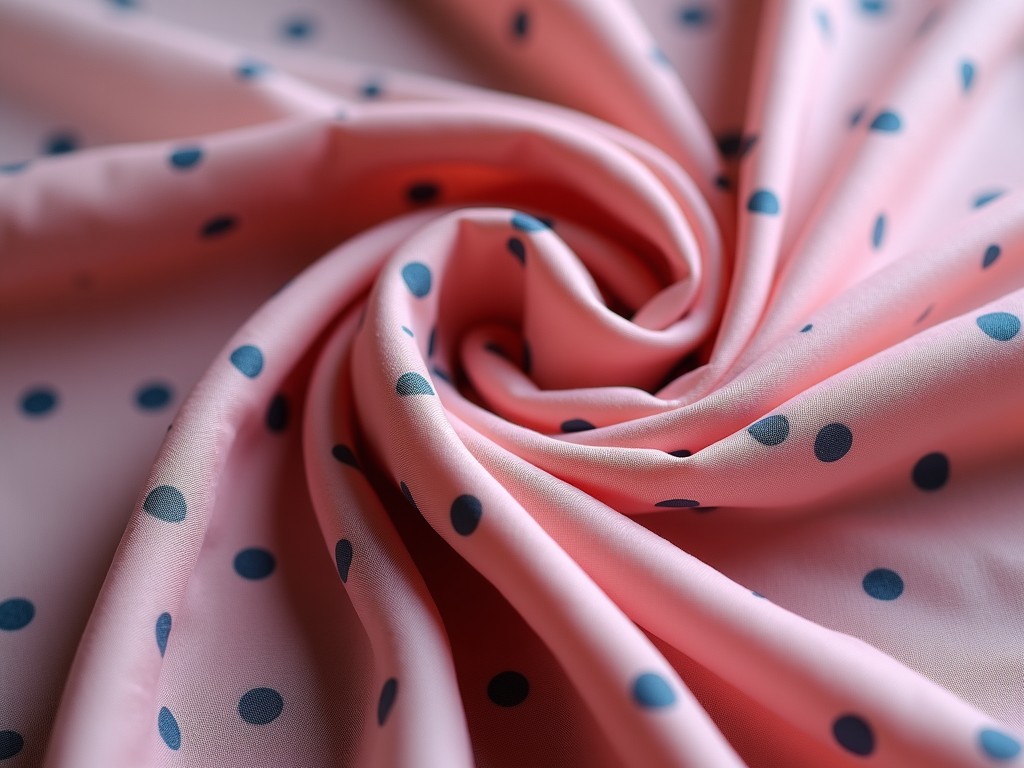
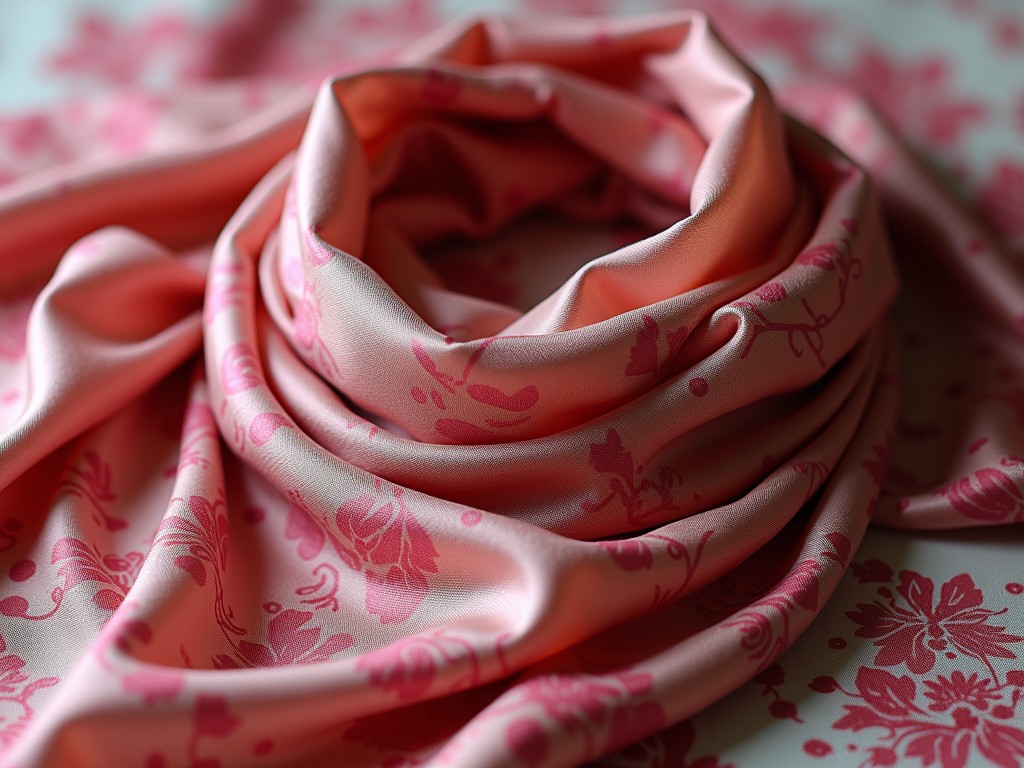
Oem Satin Scarfs For Women
OEM satin scarfs for women are manufactured to precise dimensional and material specifications provided by brand owners or distributors. These products are produced under contract manufacturing
OEM Satin Scarfs for Women
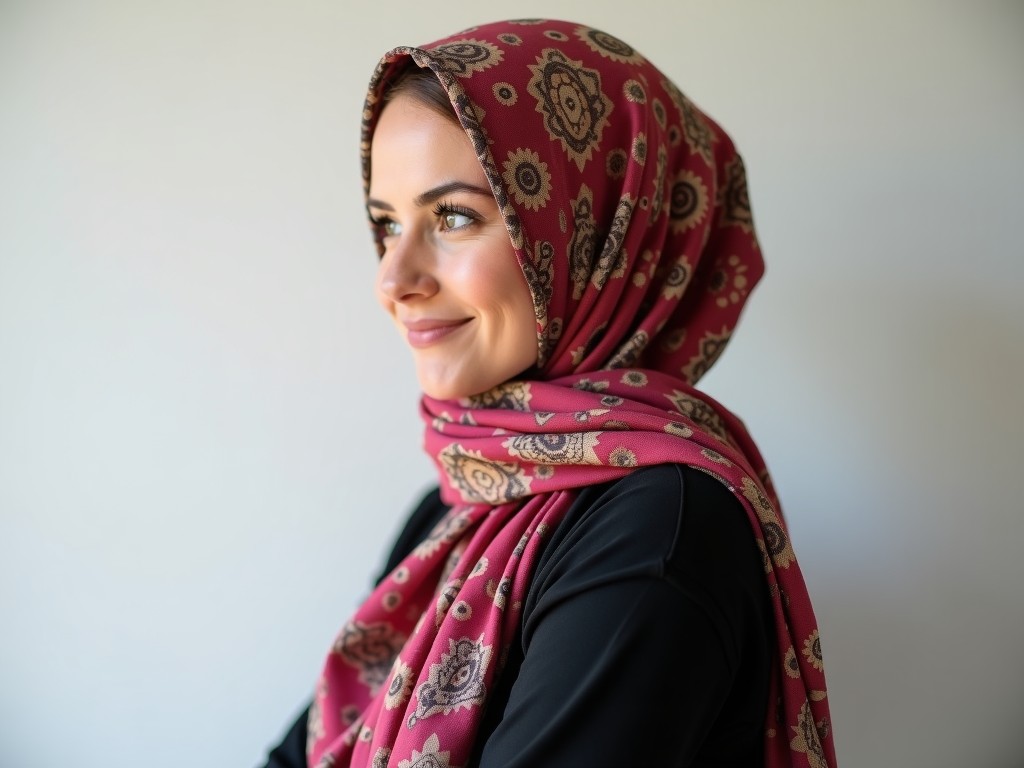
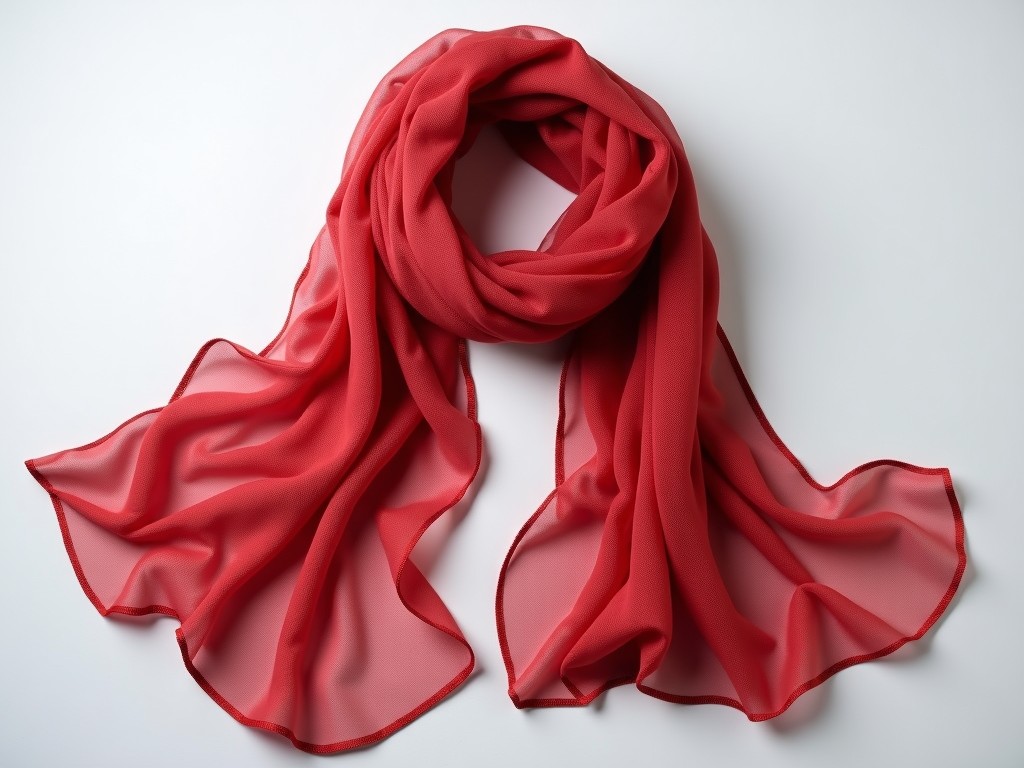
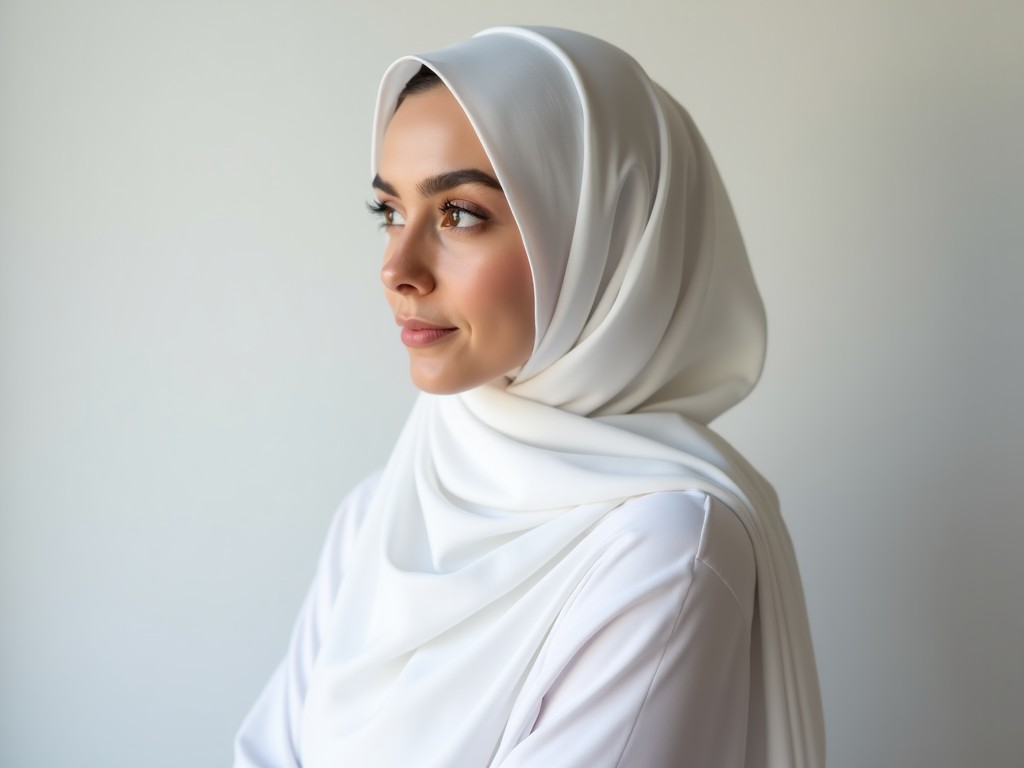
OEM satin scarfs for women are manufactured to precise dimensional and material specifications provided by brand owners or distributors. These products are produced under contract manufacturing agreements where the buyer defines fabric composition, weave structure, finish, color, and labeling requirements. The term "satin" refers to a specific weave pattern—typically a 4-harness or 5-harness satin weave—that creates a smooth, lustrous surface by maximizing float length of warp or weft yarns. Unlike retail scarfs, OEM versions are not sold under the manufacturer’s brand but are customized for private label distribution. This model allows buyers to maintain full control over product identity while outsourcing production to specialized textile manufacturers.
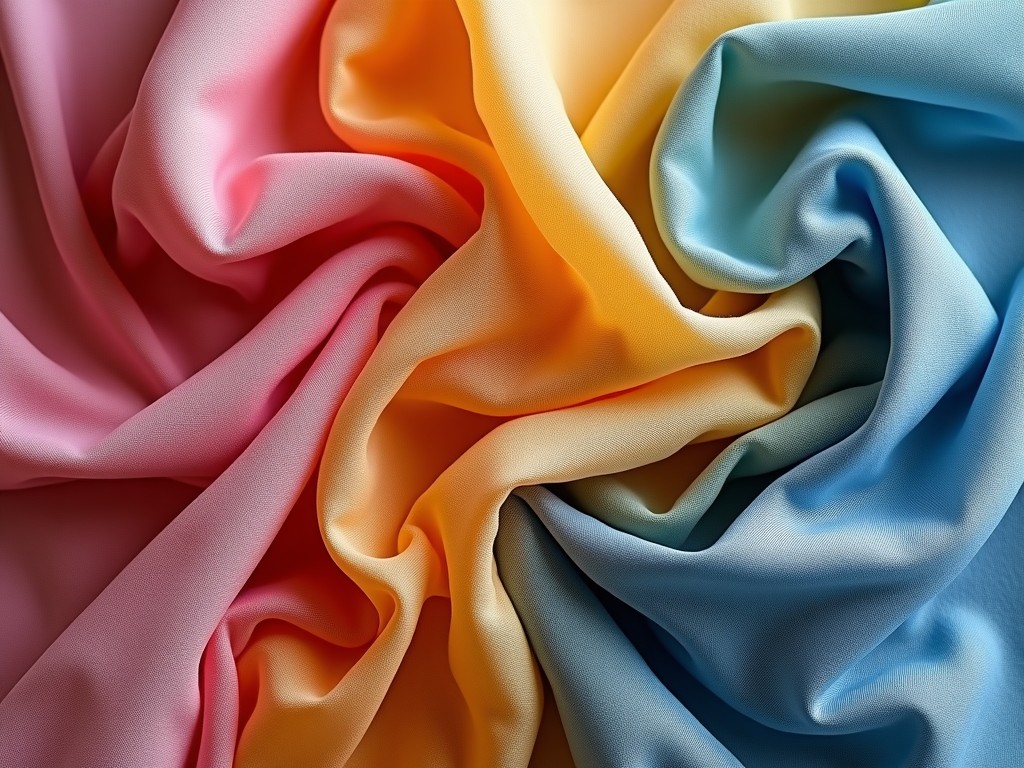
The primary technical advantage of satin weave in scarf applications lies in its surface geometry. The long floats minimize interlacing points, reducing light scattering and creating a reflective, silk-like appearance even when using synthetic fibers. This optical property is critical for fashion accessories where visual appeal drives consumer perception. Additionally, the reduced friction surface enhances drape and flow, allowing the scarf to conform naturally to body contours without stiffness. For OEM buyers, this means the final product meets aesthetic expectations without relying on expensive natural fibers like silk, enabling cost-effective scaling while maintaining premium visual characteristics.
Material Specifications and Performance Characteristics
Common base materials for OEM satin scarfs include polyester filament, nylon 6,6, viscose rayon, and blended constructions. Polyester filament is most frequently selected due to its dimensional stability, resistance to shrinkage (<2% after 5 wash cycles at 40°C), and ability to achieve high luster through heat setting. Denier typically ranges from 75D to 150D per filament, with finer deniers (e.g., 50D) used for lighter, more fluid draping. Thread count in the satin weave construction generally falls between 120 and 200 ends per inch (EPI) in warp and 60 to 100 picks per inch (PPI) in weft, depending on desired weight and opacity. These parameters directly influence hand feel, durability, and light transmission—key factors evaluated during sample approval.
Colorfastness is a critical quality parameter in OEM production. Reactive or disperse dyes are applied based on fiber type, with fixation processes calibrated to achieve minimum grade 4 on the ISO 105-B02 scale for washing and grade 3-4 for light exposure (ISO 105-B02). pH stability is maintained between 4.5 and 6.5 during dyeing to prevent fiber degradation, especially in viscose blends. Dimensional stability is verified through AATCC Test Method 135, with acceptable skew and torque limited to ±3% after home laundering. These specifications are not arbitrary; they directly impact product longevity, return rates, and brand reputation—factors OEM buyers prioritize during supplier qualification.
Customization Options and Manufacturing Constraints
OEM scarf production allows full customization of physical dimensions, edge finishing, and decorative elements. Standard finished sizes range from 60 cm x 60 cm (square) to 70 cm x 180 cm (rectangular), though custom lengths up to 220 cm are feasible with increased material yield considerations. Width is typically constrained by loom capacity—most narrow-width looms operate up to 160 cm, requiring seaming for wider formats, which may introduce visible seams unless matched-thread overlocking or blind stitching is used. Fringe, rolled hem, or heat-cut sealed edges are common finishes; each affects fray resistance and hand feel. For example, a 3-mm rolled hem adds approximately 6 g/m² to weight and slightly stiffens the edge, while ultrasonic sealing provides a clean edge without added mass but may alter surface reflectance under direct light.
Custom branding is applied via woven labels, printed tags, or direct transfer printing. Woven labels require minimum 40 denier polyester yarn and are typically sewn into the side seam or corner, adding 0.5–1.5 g per label. Printed labels use silicone-based inks for flexibility and wash resistance, with curing at 160°C for 90 seconds. Direct transfer printing (sublimation) is limited to polyester-based fabrics and requires precise temperature (180–200°C), pressure (0.3–0.4 MPa), and time (45–60 s) parameters to avoid ghosting or color shift. These processes are not interchangeable; selecting the wrong method for the substrate leads to defects that only appear after washing or wear, increasing post-delivery risk.
Quality Control and Inspection Protocol
Quality assurance for OEM satin scarfs follows a tiered inspection system aligned with AQL 2.5 for major defects and 4.0 for minor defects under ISO 2859-1. Critical checkpoints include fabric inspection per 4-point system (ASTM D5430) before cutting, in-line monitoring of dye uniformity via spectrophotometer (ΔE < 1.5 acceptable), and 100% visual inspection of finished goods for snags, runs, staining, or misprinting. Dimensional verification is conducted on a random sample of 10% of each batch using calibrated templates, with tolerance typically set at ±3% for length and width. Weight is monitored at 5 g/m² increments; deviations beyond ±5% from spec trigger investigation into yarn tension or weave density inconsistencies during knitting or weaving.
Packaging is treated as a quality control extension. Scarfs are typically folded to a standard size (e.g., 15 cm x 20 cm) and placed in polypropylene bags with 40–60 µm thickness, often infused with anti-static agents to prevent clinging during handling. Each bag includes a silica gel packet (5g) to maintain relative humidity below 50% during transit. Carton dimensions are optimized for palletization—standard export cartons hold 48–72 units depending on scarf weight and folding efficiency. Corner protectors and edge guards are added for shipments exceeding 1.2m stack height to prevent compression damage. These details are not cosmetic; they directly influence defect rates upon arrival, especially in humid climates or long-haul shipments where moisture absorption can cause dye migration or mildew spotting.
| Parameter | Typical Range | Inspection Method |
|---|---|---|
| Fabric Weight | 45–80 g/m² | ASTM D3776, 5 samples per lot |
| Width Tolerance | ±3% | Steel ruler, 3 points per scarf |
| Color Difference (ΔE) | < 1.5 | Spectrophotometer, D65 illuminant |
| Tensile Strength (Warp) | ≥18 N/tex | ASTM D5034, 50 mm gauge length |
| Skew/Torque | ≤±3% | AATCC Test Method 179 |
| Formaldehyde Content | ≤75 ppm | ISO 14184-1 |
Lead time for OEM satin scarfs is influenced by fabric sourcing, dye lot size, and finishing complexity. Greige fabric lead time averages 10–14 days for standard polyester filament, extending to 21–28 days for specialty fibers like Tencel™ or recycled PET. Dyeing and finishing add 7–10 days, assuming minimum lot size of 500 kg to ensure shade consistency. Cutting, sewing, and labeling require 5–7 days for batches under 5,000 units. Sampling for approval adds 5–7 days per iteration, with physical samples typically shipped via express courier to enable tactile and visual evaluation. Total cycle time from PO approval to shipment readiness ranges from 25 to 45 days, excluding sea freight transit. Buyers are advised to confirm yarn availability and dye capacity early in the quoting process to avoid delays caused by material substitution or subcontractor scheduling conflicts.
Minimum order quantities (MOQs) are determined by loom efficiency and dye vat economics. For standard polyester satin, MOQs typically start at 300 pieces per color/size combination, reflecting the need to achieve stable tension and beat-up during weaving. Smaller runs increase the risk of uneven weft density or starting marks due to frequent machine stops and starts. For custom dyes or specialty finishes (e.g., anti-pilling, UV coating), MOQs may rise to 500–1,000 units to justify setup costs and waste absorption. Some manufacturers offer lower MOQs for stock fabric programs, but these limit color and size flexibility. Buyers should evaluate whether their annual volume justifies dedicated tooling or if flexible manufacturing with higher per-unit cost better aligns with risk mitigation strategies.
For technical consultation, sample requests, or to discuss custom specifications including fabric construction, color matching, labeling, or packaging requirements, contact our engineering team. Provide your target dimensions, intended use case, annual volume, and any required test standards (e.g., OEKO-TEX®, REACH) to receive a detailed feasibility assessment and quotation. We operate under strict confidentiality protocols for all OEM designs and do not reuse or disclose customer-specific patterns, colorways, or construction details without explicit written authorization.
Request Technical Specification SheetProducts
Related Products
News
Related News

2026-11-02
Cotton Voile Scarf Manufacturing and Performance Analysis how to make a cotton voile scarfCreating a professional-grade cotton voile scarf requires a precise balance of textile engineering and artisanal finishing. Unlike standard cotton weaves, voile is defined by its p···
2026-10-28
chiffon hijab Technical Production and Performance AnalysisSelecting the right fabric for a hijab involves a delicate balance between modesty, breathability, and aesthetic drape. For many women in Southeast Asia and the Middle East, the ma···

2026-10-26
custom silk scarf textile manufacturing and performance analysisSelecting a high-quality scarf is no longer just about color matching; it is an exercise in understanding how textile weight, drape, and print scale interact with individual facial···