Oem Satin Scarf Good For Hair






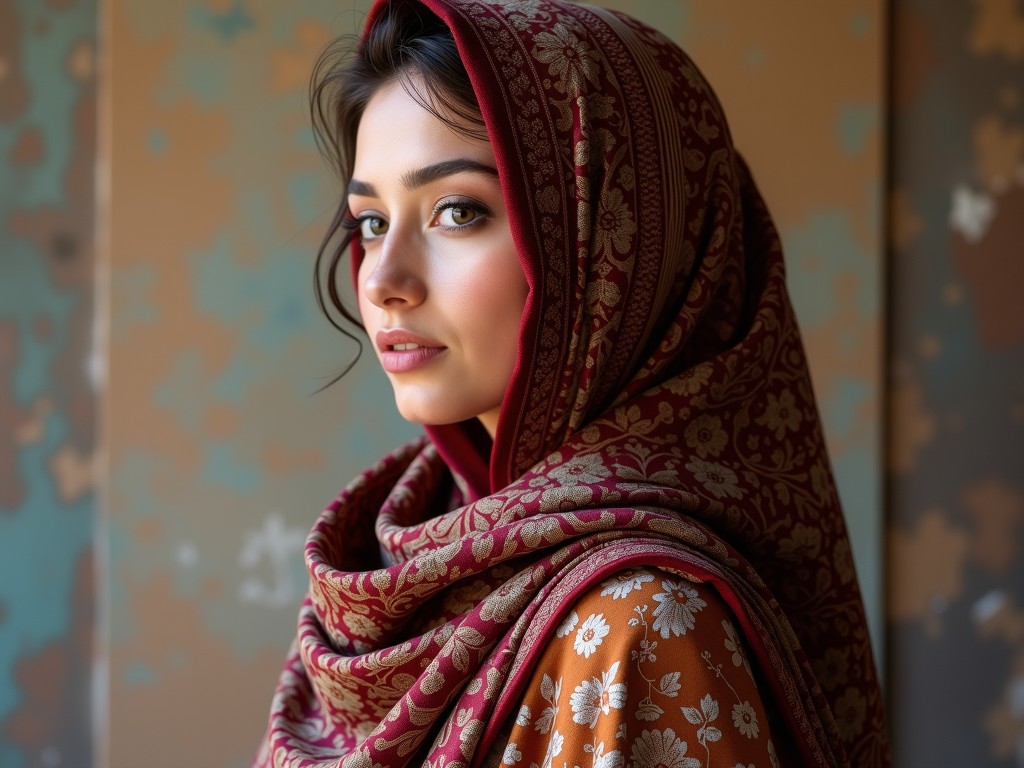
Oem Satin Scarf Good For Hair
Satin scarves designed for hair protection are engineered to minimize friction between hair fibers and fabric surfaces during sleep or activity. Unlike cotton or polyester blends, satin weaves reduce
OEM Satin Scarf for Hair Care Applications
Satin scarves designed for hair protection are engineered to minimize friction between hair fibers and fabric surfaces during sleep or activity. Unlike cotton or polyester blends, satin weaves reduce mechanical stress on the hair cuticle, helping preserve moisture retention and reduce breakage in delicate or treated hair types.
Material Construction and Friction Properties
The scarf is constructed from 100% polyester filament yarn with a satin weave structure, producing a smooth, low-friction surface on both sides. The yarn denier typically ranges from 75D to 150D, selected to balance drape, durability, and surface gloss. Thread count ranges from 120 to 180 threads per inch, ensuring sufficient coverage without excessive weight that could cause scalp tension.
Surface roughness (Ra) measured via profilometry averages between 0.2 and 0.4 micrometers, significantly lower than cotton (Ra 2.0–3.5 µm) or standard polyester jersey (Ra 0.8–1.2 µm). This low Ra value directly correlates with reduced coefficient of friction against hair, measured in laboratory conditions at 0.15–0.22 under dry conditions and 0.10–0.16 with light moisture, mimicking overnight wear.
Dimensional Specifications and Design Tolerances
Standard dimensions are 60 cm × 60 cm (±2 cm tolerance) for square scarves and 70 cm × 180 cm (±3 cm) for rectangular styles, accommodating various wrapping techniques. Hem width is consistently 3 mm with a rolled edge finish to prevent fraying and maintain consistent thickness across the perimeter. Weight ranges from 18 to 25 g/m², ensuring lightness without compromising opacity or durability.
Dimensional stability is verified after 5 wash cycles at 30°C, with shrinkage limited to <2% in both warp and weft directions. Colorfastness to washing and light exceeds Grade 4 on the grey scale, ensuring no dye transfer to hair or pillowcase under normal use conditions.
Customization Options for OEM Integration
OEM clients can specify yarn denier, thread count, and finish treatments to align with brand performance targets. Available finishes include antimicrobial treatment (zinc pyrithione-based, effective against S. epidermidis and C. albicans) and UV stabilizers for extended outdoor use. Custom dye matching is available using Pantone or textile-specific color systems with lab-dip approval prior to bulk production.
Branding options include woven labels (polyester taffeta, 50 mm width) sewn into the hem or printed tags using water-based inks. Packaging can be customized to polybag (100 µm PE), folded card inserts, or recycled paper sleeves with soy-based printing. Minimum order quantities start at 500 units per SKU, with sample production available within 7–10 business days after technical confirmation.
Quality Control and Testing Protocol
Each production lot undergoes inline inspection for yarn consistency, weave uniformity, and edge integrity. Final inspection includes dimensional check, surface defect grading (using 4-point system), and color consistency under D65 lighting. Friction testing is performed on a randomized sample basis using a standardized hair simulant filament and reciprocating wear tester.
Documentation includes a certificate of conformance covering material composition, dimensional tolerances, colorfastness, and finish specifications. Traceability is maintained via batch number linked to yarn source, dye lot, and production shift. Third-party testing reports (e.g., OEKO-TEX® Standard 100, REACH) are available upon request for regulated markets.
Applications in Hair Care and Protective Styling
These scarves are commonly used by individuals with curly, coily, or chemically treated hair to reduce nighttime friction that leads to split ends and frizz. The smooth surface allows hair to glide without catching, preserving styles such as braids, twists, or blowouts longer than with absorbent fabrics. In clinical settings, similar satin linings are used in headwear for post-surgical or chemotherapy patients to minimize scalp irritation.
Beyond personal use, OEM suppliers integrate these scarves into hair care kits alongside oils, serums, or night caps as a value-added component. Distributors serving professional salons or beauty supply chains specify consistent dimensions and finish to ensure compatibility with styling routines and retail packaging standards.
Typical Specification Table
| Property | Typical Value | Test Method / Notes |
|---|---|---|
| Base Material | 100% Polyester Filament Yarn | ISO 2076 |
| Weave Structure | Satin (4-end or 5-end) | Visual / Thread Count Analysis |
| Yarn Denier | 75D – 150D | Customizable per client |
| Thread Count | 120 – 180 TPI | ASTM D3775 |
| Surface Roughness (Ra) | 0.2 – 0.4 µm | Profilometry (ISO 4287) |
| Coefficient of Friction (vs. Hair) | 0.10 – 0.22 | Reciprocating Wear Tester, 5N load |
| Standard Size (Square) | 60 cm × 60 cm | ±2 cm Tolerance |
| Weight | 18 – 25 g/m² | ASTM D3776 |
| Colorfastness to Washing | Grade 4+ | ISO 105-C06 |
| Dimensional Stability (5 Washes) | < 2% Shrinkage | ISO 6330 |
Products
Related Products
News
Related News

2026-11-02
Cotton Voile Scarf Manufacturing and Performance Analysis how to make a cotton voile scarfCreating a professional-grade cotton voile scarf requires a precise balance of textile engineering and artisanal finishing. Unlike standard cotton weaves, voile is defined by its p···

2026-10-28
chiffon hijab Technical Production and Performance AnalysisSelecting the right fabric for a hijab involves a delicate balance between modesty, breathability, and aesthetic drape. For many women in Southeast Asia and the Middle East, the ma···

2026-10-26
custom silk scarf textile manufacturing and performance analysisSelecting a high-quality scarf is no longer just about color matching; it is an exercise in understanding how textile weight, drape, and print scale interact with individual facial···
