Oem Matte Satin Silk Shawl Hijab

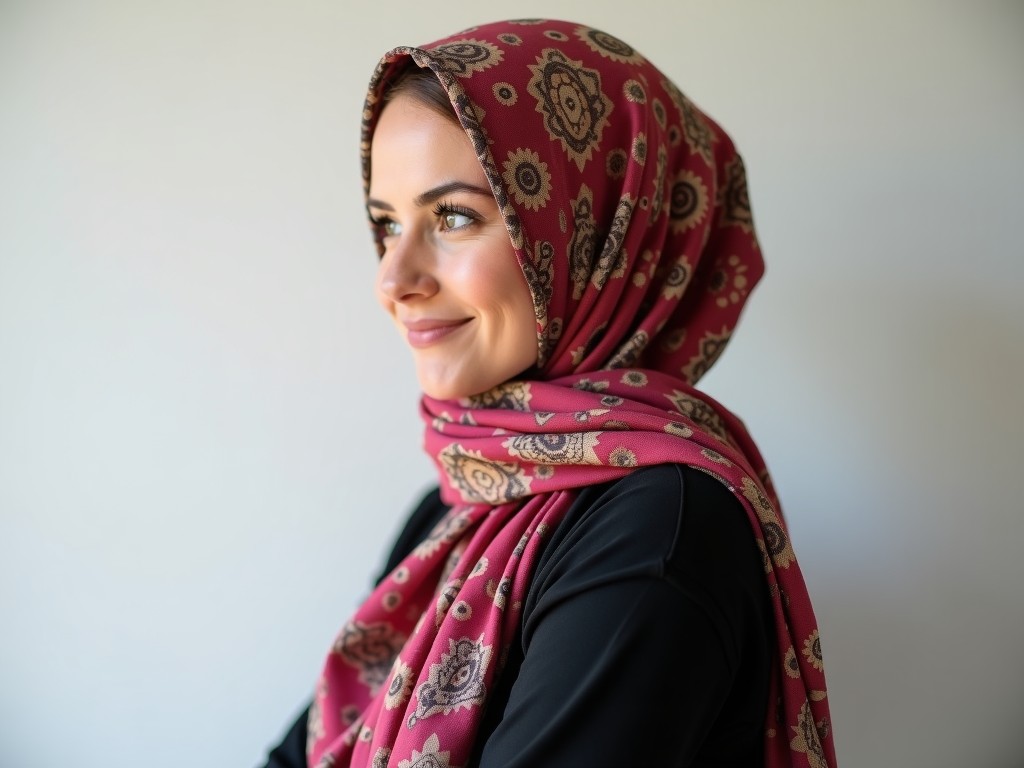
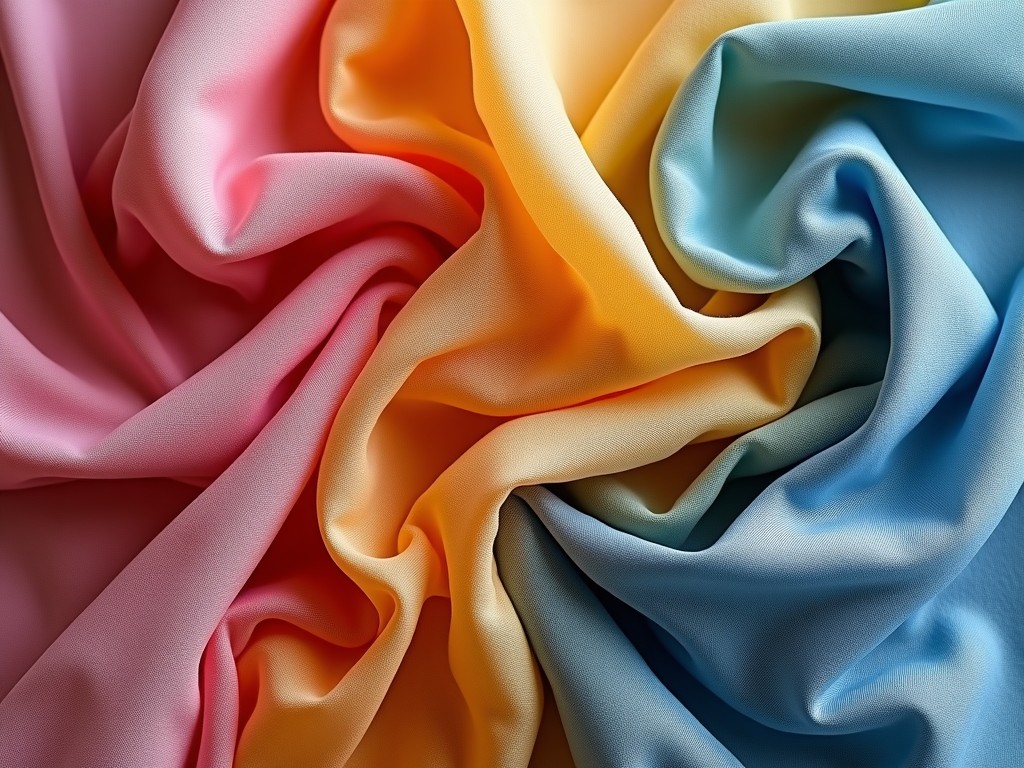
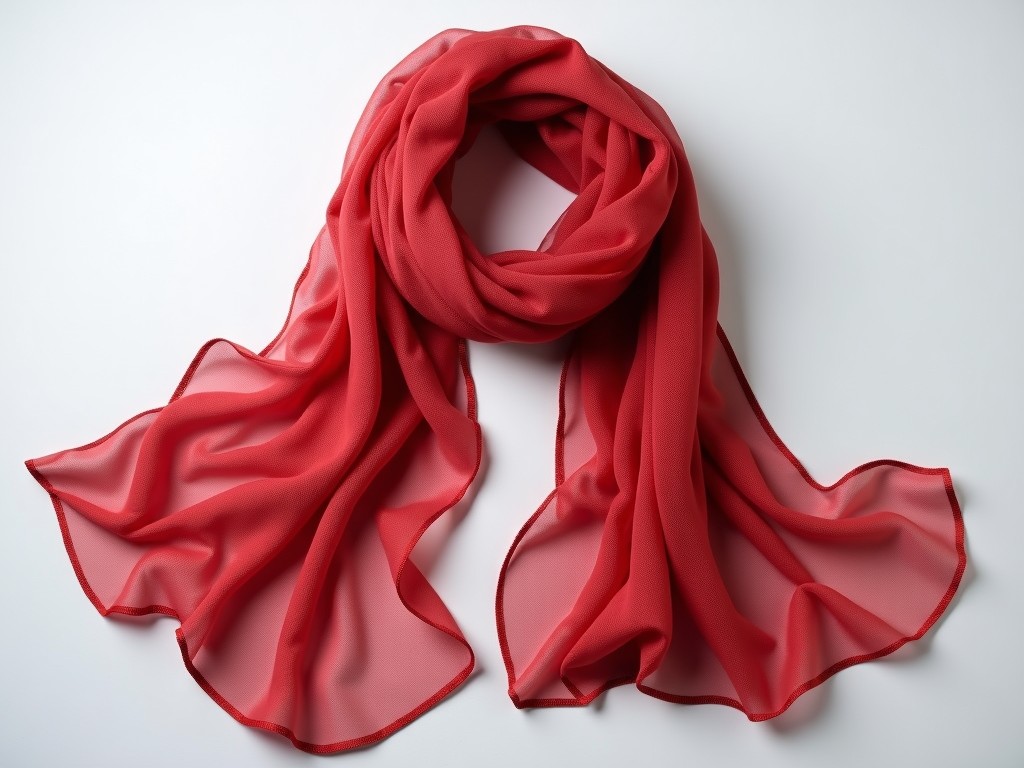
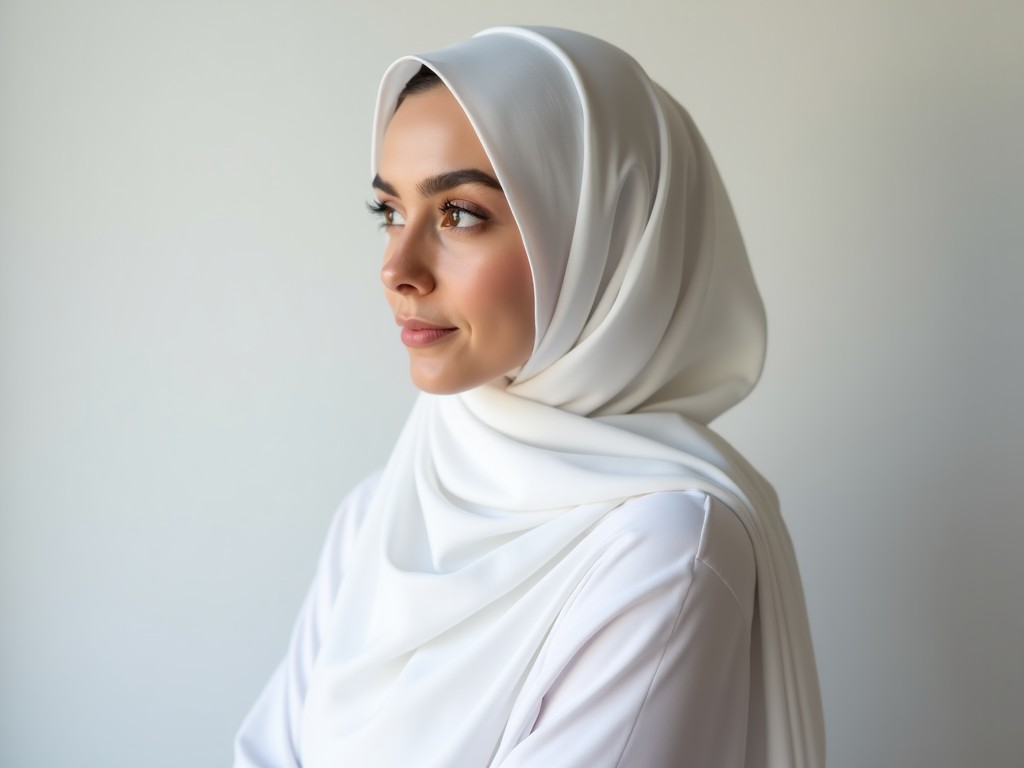
Oem Matte Satin Silk Shawl Hijab
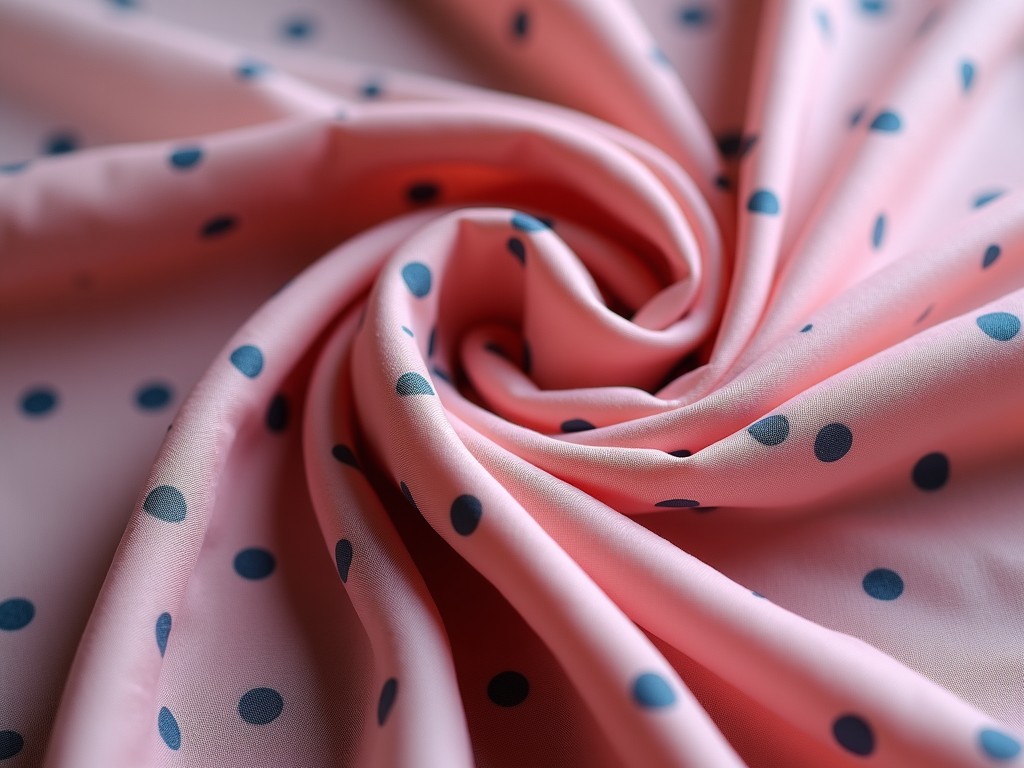
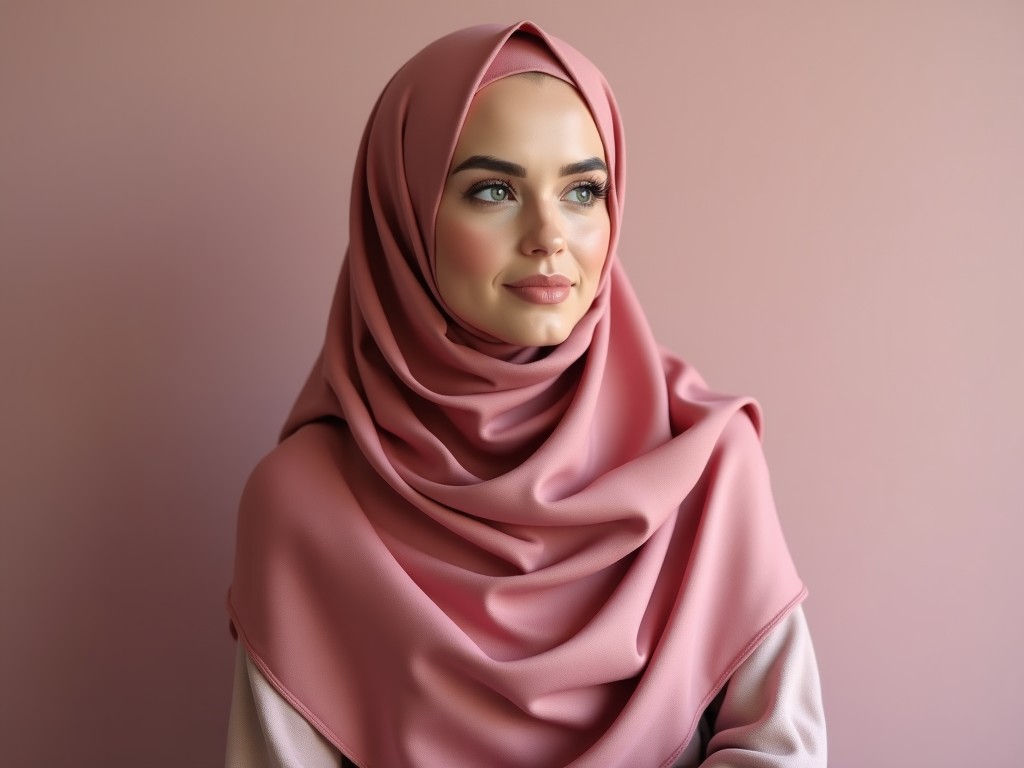
An OEM matte satin silk shawl hijab combines the natural protein structure of mulberry silk with a specialized finishing process to achieve a low-luster surface while maintaining the fiber’s inherent
OEM Matte Satin Silk Shawl Hijab
An OEM matte satin silk shawl hijab combines the natural protein structure of mulberry silk with a specialized finishing process to achieve a low-luster surface while maintaining the fiber’s inherent tensile strength and drape characteristics. This product is engineered for bulk production where consistent surface appearance, dimensional stability, and fiber integrity are critical for downstream garment assembly.
The matte satin weave is constructed using a 4-harness satin pattern with filament yarns in both warp and weft, where the weft threads are deliberately selected for their slight irregularity in cross-section to scatter light and reduce specular reflection. This construction avoids the high-gloss finish typical of standard satin while preserving the smooth hand feel associated with silk filament.
Silk fibroin provides a natural UV resistance and moisture regain of approximately 11% at standard atmospheric conditions, contributing to wearer comfort in variable climates. The matte finish does not alter these inherent properties but requires careful control during dyeing and finishing to prevent surface crystallization or uneven pigment absorption.
Material Composition and Fiber Specifications
The base material is 100% mulberry silk (Bombyx mori) with a nominal filament size of 20–22 denier per filament, yielding a total yarn count of approximately 80–100 Nm in the finished yarn. This range ensures sufficient tenacity (typically 3.5–4.5 g/d) for sewing and handling while maintaining the flexibility required for draping over shoulders and head without stiffness.
Sericin content is reduced to 2–4% through controlled degumming, balancing fiber softness with sufficient residual protein to maintain surface integrity during abrasion. Fully degummed silk (below 1% sericin) tends to exhibit excessive slip and reduced cohesion in satin weaves, leading to yarn slippage at seams.
The matte effect is achieved through a mechanical embossing process using patterned rollers with a micro-textured surface (Ra 8–12 μm) rather than chemical matting agents, which can weaken silk fibroin over time. This physical method preserves the fiber’s molecular structure and avoids introducing foreign substances that could affect dye uptake or long-term aging.
Dimensional Stability and Construction Parameters
Standard dimensions for the shawl hijab are 180 cm in length and 70 cm in width, with a tolerance of ±2% in both axes after finishing. These dimensions are based on ergonomic studies of head coverage and shoulder drape for diverse anthropometric profiles, ensuring adequate coverage without excessive bulk.
The fabric density is maintained at 120–130 warp ends per cm and 90–100 weft picks per cm in the greige state, increasing slightly post-finishing due to consolidation. This density provides a balance between opacity (typically 85–90% light blockage) and air permeability (approximately 8–10 mm/s) for comfort during extended wear.
Edge finishing options include a 3-mm rolled hem or a 6-mm folded and stitched hem, both using silk thread of matching dye lot. The rolled hem minimizes edge stiffness and prevents fraying without adding bulk, while the folded hem offers greater durability for high-abrasion applications.
Colorfastness and Dyeing Considerations
Dyeing is performed using acid or metal-complex dyes suitable for protein fibers, with fixation achieved through controlled pH (4–5) and temperature (95–100°C) cycles. The matte surface requires extended dye penetration time compared to glossy satin due to light-scattering surface topology, which can reduce effective dye diffusion rate by approximately 15–20%.
Typical colorfastness ratings after ISO 105-B02 (light exposure) are 4–5 for darker shades and 3–4 for pastels, while ISO 105-C06 (washing) yields 4–5 for all shades when using neutral pH detergents below 40°C. Reactive dye systems are avoided due to silk’s sensitivity to alkaline conditions, which can cause fibril cleavage and strength loss.
Color matching is conducted under D65 daylight simulator with a tolerance of ΔE < 1.5 to ensure batch consistency. Bulk orders are dyed in single-lot lots to eliminate metamerism risks, particularly important for neutral tones like beige, dove gray, or soft black where undertones are perceptible under varying lighting.
Quality Control and Inspection Protocol
Each roll undergoes 100% visual inspection under 500 lux daylight-equivalent lighting for surface defects such as skip floats, double picks, or oil spots. Acceptable defect levels are limited to Class B per ISO 105-A02: no more than 2 major defects per 100 linear meters, where a major defect is defined as a flaw visible at 1 meter that affects garment usability.
Dimensional verification is performed every 25 meters using laser width gauges and digital length meters, with automatic rejection if width deviates beyond ±3 cm or length beyond ±5 cm from nominal. Tensile strength is tested on grab samples per ISO 13937-2, requiring a minimum of 25 N in warp and 20 N in weft directions to ensure seam integrity during sewing.
The matte finish uniformity is assessed using a reflectance meter at 45° angle, with acceptable gloss units (GU) ranging from 5–15 GU at 60° wavelength. Values above 20 GU indicate insufficient matting, while below 3 GU suggest over-processing that may compromise fiber integrity.
Customization Options for OEM Partners
OEM clients can specify custom dimensions within a range of 160–200 cm length and 60–80 cm width without requiring tooling changes, as the cutting process is laser-guided and programmable. Width adjustments beyond 80 cm may require loom reconfiguration and are subject to minimum order quantities.
Color customization is available using Pantone Textile Cotton eXtended (TCX) references or physical swatches, with lab-dip approval required before bulk production. Custom finishes such as anti-static treatment (surface resistivity < 10¹¹ Ω) or mild antimicrobial finish (zinc pyrithione-based, < 50 ppm) can be applied post-dyeing without affecting the matte appearance.
Packaging options include flat folding in polybags with silica gel desiccant (5g per unit) or rolled on acid-free tubes with corrugated outer cartons. Labeling can be customized with woven care labels (ISO 3758) or heat-transfer prints for size, fiber content, and country of origin.
Applications in Apparel and Modest Wear Manufacturing
This product is specifically suited for manufacturers producing modest fashion lines where a non-reflective surface is desired to avoid visual distraction under studio lighting or in professional environments. The matte finish reduces glare in video conferencing, photography, and retail displays, ensuring consistent appearance across media.
The silk’s natural thermoregulatory properties make it appropriate for year-round use in temperate climates, providing warmth in cooler conditions without overheating in warmer settings due to its moisture-wicking ability. Unlike synthetic alternatives, silk does not generate static charge, reducing cling and improving comfort during prolonged wear.
Distributors serving boutique brands, uniform suppliers, and private-label modesty wear lines benefit from the product’s consistency in bulk lots, reducing rejection rates during cutting and sewing. The fabric’s stability minimizes shrinkage after washing (typically < 2% after three cycles at 30°C), ensuring dimensional accuracy in finished garments.
Packaging and Logistics Considerations
Each unit is individually folded to dimensions of 25 cm × 20 cm × 2 cm and placed in a polyethylene bag with 5g silica gel to maintain relative humidity below 50% during transit. Master cartons hold 50 units (approximately 8 kg gross weight) and are constructed from single-wall corrugated board (B-flute, 150 gsm) with burst strength > 200 kPa.
For ocean freight, cartons are stacked on EPAL-certified pallets (120 cm × 80 cm) with a maximum height of 160 cm and secured using polyolefin strapping (12 mm width, 550 N break strength). Corner protectors are applied to all vertical edges to prevent compression damage during handling.
Lead time for standard colors is typically 14–18 days from approved lab-dip to ex-factory, with air freight options available for urgent orders. Samples are provided as cuttings from production rolls (20 cm × 20 cm) with associated dye lot documentation, allowing buyers to verify color and finish before committing to bulk production.
For technical specifications, customization requests, or sample inquiries, contact our OEM team to discuss your project requirements.
Request OEM Specification SheetProducts
Related Products
News
Related News

2026-11-02
Cotton Voile Scarf Manufacturing and Performance Analysis how to make a cotton voile scarfCreating a professional-grade cotton voile scarf requires a precise balance of textile engineering and artisanal finishing. Unlike standard cotton weaves, voile is defined by its p···
2026-10-28
chiffon hijab Technical Production and Performance AnalysisSelecting the right fabric for a hijab involves a delicate balance between modesty, breathability, and aesthetic drape. For many women in Southeast Asia and the Middle East, the ma···

2026-10-26
custom silk scarf textile manufacturing and performance analysisSelecting a high-quality scarf is no longer just about color matching; it is an exercise in understanding how textile weight, drape, and print scale interact with individual facial···