Oem Evolve Satin Scarf



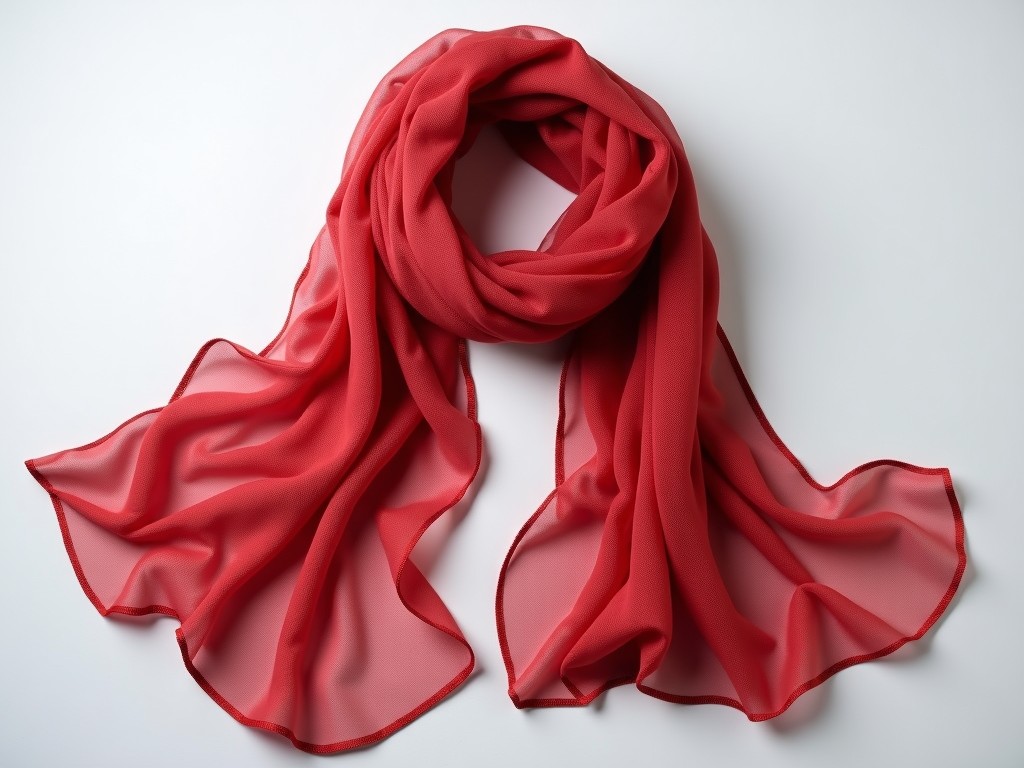

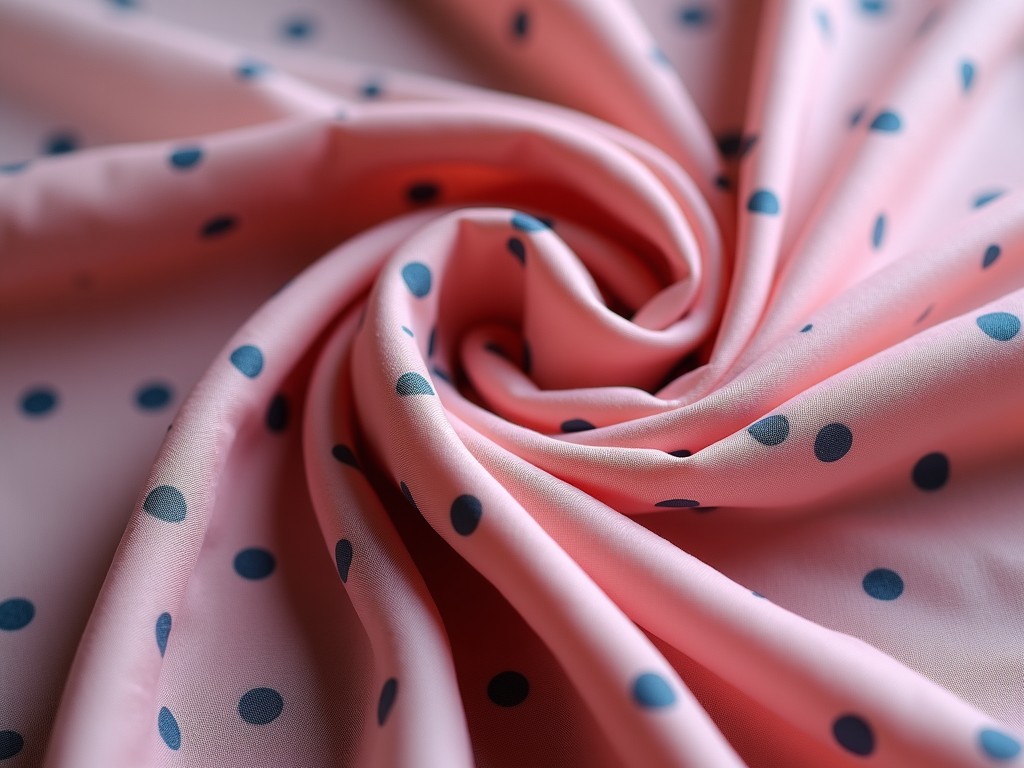

Oem Evolve Satin Scarf
The OEM Evolve Satin Scarf is a precision-engineered textile component designed for integration into high-end apparel, automotive interior trim, and luxury packaging systems. It combines controlled
OEM Evolve Satin Scarf
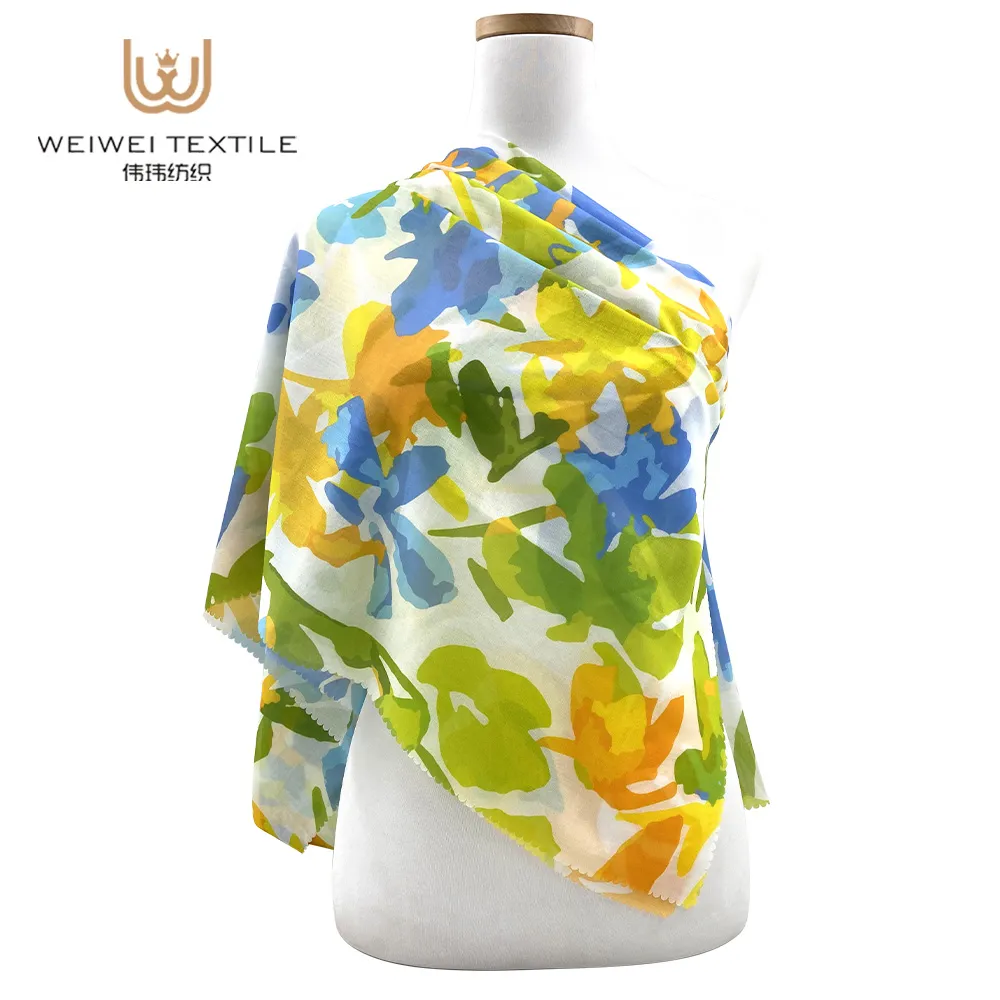
The OEM Evolve Satin Scarf is a precision-engineered textile component designed for integration into high-end apparel, automotive interior trim, and luxury packaging systems. It combines controlled luster, consistent drape, and dimensional stability to meet OEM specifications where aesthetic performance and functional reliability are both critical.
Unlike decorative scarves, this product is manufactured under tight tolerances for width, weight, and surface reflectance to ensure seamless integration into automated assembly lines and consistent visual outcomes across large production batches.
Each scarf is produced from continuous filament polyester or silk-blend yarns, selected for their ability to maintain dimensional integrity under varying humidity and temperature conditions encountered during downstream processing.
Material Construction and Performance Characteristics
The Evolve Satin Scarf utilizes a 5-end satin weave structure, where four warp threads float over a single weft thread, creating a smooth, reflective surface with minimal light scattering. This construction achieves a typical surface gloss of 60–80 GU (Gloss Units) at 60° angle, measured per ASTM D523.
The base yarn is typically 100% polyester filament (150–300 denier) or a 65/35 polyester-silk blend, chosen for its low moisture regain (<0.4%) and high tensile strength (4.5–6.0 g/denier). These properties minimize shrinkage and distortion during heat-setting or dyeing processes.
Edge integrity is maintained through ultrasonic or thermal sealing, preventing fraying without adding stiffness. Typical edge seal width is 0.5–1.0 mm, ensuring compatibility with automated cutting and folding equipment.
Dimensional Specifications and Tolerances
Standard widths range from 150 mm to 1800 mm in 50 mm increments, with a width tolerance of ±1.5 mm. Custom widths outside this range are available upon request, subject to loom constraints and minimum order quantities.
Length is supplied as continuous rolls, typically 50–200 linear meters per roll, with length tolerance of ±2%. Rolls are wound on 76 mm diameter cores with inner plug stops to prevent telescoping during handling.
Areal density (weight per unit area) ranges from 60 to 180 g/m², depending on yarn denier and weave tightness. Thickness, measured under 2 kPa pressure per ASTM D1777, typically falls between 0.18 and 0.45 mm.
Surface Finish and Optical Properties
The satin weave produces a directional reflectance profile, meaning gloss varies with viewing angle. This characteristic is intentional for applications requiring dynamic visual depth, such as automotive door panels or premium gift packaging.
Color consistency is controlled via spectrophotometer monitoring (ΔE < 1.5 CIELAB) against Pantone or RAL standards. Dyeing occurs at the yarn stage (solution dyeing for polyester) or piece dyeing under tightly controlled pH and temperature to ensure batch-to-batch uniformity.
Surface roughness (Ra) is maintained below 2.0 μm to prevent snagging during high-speed sewing or lamination processes. This is verified using contact profilometry on every production lot.
Applications in Industrial and Commercial Systems
In automotive interiors, the Evolve Satin Scarf is used as a decorative overlay on door panels, console trim, and headliner accents, where its controlled luster enhances perceived quality without interfering with functional layers such as foam or adhesive bonds.
In luxury goods manufacturing, it serves as a lining or wrap material for watch boxes, jewelry pouches, and premium garment bags, where its smooth surface prevents abrasion of delicate items and its drape conforms precisely to complex contours.
For industrial packaging, it functions as a protective interleaf between stacked components (e.g., optical lenses, polished metal parts), reducing micro-scratching during transit while adding a premium unboxing experience.
Customization Options and Engineering Support
Width, length, color, and finish can be customized to match specific OEM requirements. Common modifications include anti-static treatment (surface resistivity < 10¹¹ Ω/sq), UV stabilizers for outdoor exposure, or flame retardancy (meeting UL 94 V-2 or MVSS 302).
Custom edge treatments — such as heat-cut, laser-sealed, or woven selvage — are available to prevent fraying and ensure compatibility with downstream automation. These options are validated through accelerated abrasion and flex testing.
Technical data sheets, including tensile elongation, tear resistance (Elmendorf), and colorfastness to light (ISO 105-B02), are provided upon request. Sample evaluation kits can be dispatched within 5–7 business days for validation.
Quality Control and Traceability
Every roll undergoes 100% visual inspection for defects such as missing picks, double ends, or discoloration using automated optical scanners with 0.1 mm resolution. Statistical process control (SPC) is applied to width, weight, and gloss across each production batch.
Each roll is labeled with a unique batch ID, production date, and specifications, enabling full traceability back to yarn lot and machine settings. This supports root cause analysis in the event of field performance concerns.
Inspection reports, including gloss maps, width variance charts, and color deviation data, are available for review prior to shipment. Third-party lab certification (e.g., OEKO-TEX® Standard 100) can be arranged upon request.
Packaging and Logistics
Rolls are wrapped in polyethylene film to prevent moisture ingress, then placed in rigid cardboard cores with end caps to maintain shape during transit. Each package includes a desiccant pack and humidity indicator card for long-term storage monitoring.
Standard pallet configuration holds 16–20 rolls, depending on width and diameter, secured with stretch film and corner boards. Export packaging complies with ISPM 15 for wooden pallets and includes clear handling labels (e.g., “Keep Dry,” “Do Not Crush”).
Lead time for standard configurations is typically 10–15 business days. Custom orders require 18–25 days, depending on tooling and material availability. Expedited options are available for critical production schedules.
For technical inquiries, sample requests, or to discuss custom specifications for your OEM application, contact our engineering team.
Request Technical Specification or SampleProducts
Related Products
News
Related News
2026-11-02
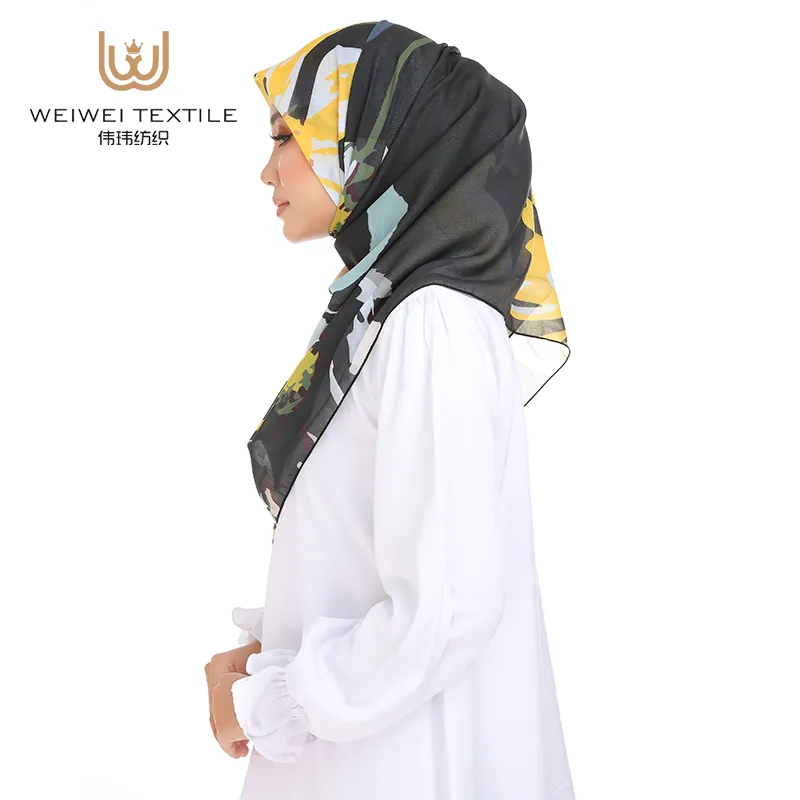
Cotton Voile Scarf Manufacturing and Performance Analysis how to make a cotton voile scarfCreating a professional-grade cotton voile scarf requires a precise balance of textile engineering and artisanal finishing. Unlike standard cotton weaves, voile is defined by its p···
2026-10-28
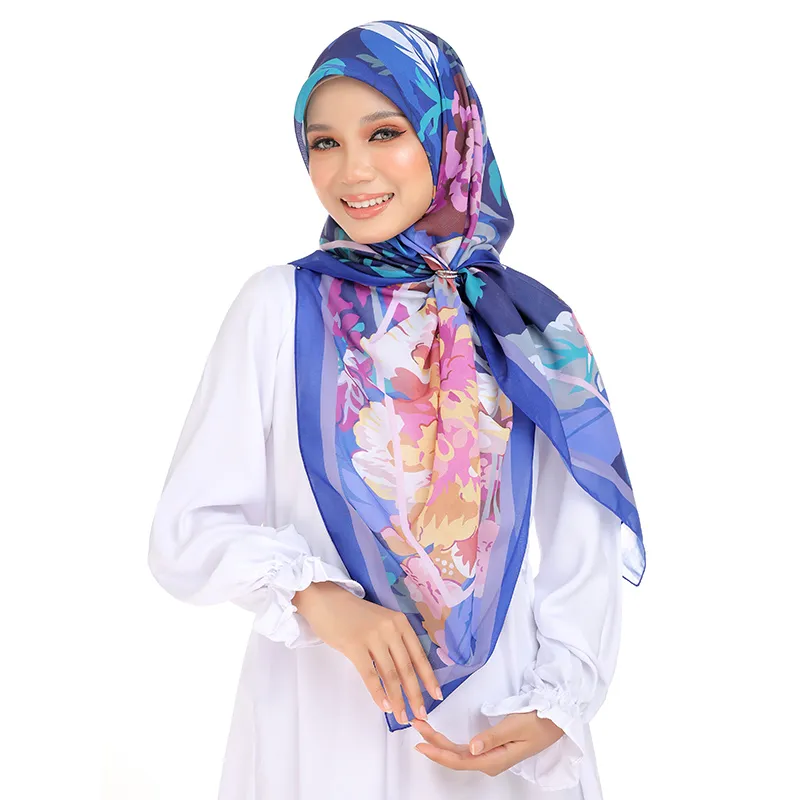
chiffon hijab Technical Production and Performance AnalysisSelecting the right fabric for a hijab involves a delicate balance between modesty, breathability, and aesthetic drape. For many women in Southeast Asia and the Middle East, the ma···
2026-10-26
custom silk scarf textile manufacturing and performance analysisSelecting a high-quality scarf is no longer just about color matching; it is an exercise in understanding how textile weight, drape, and print scale interact with individual facial···