Oem 100 Silk Scarf For Hair






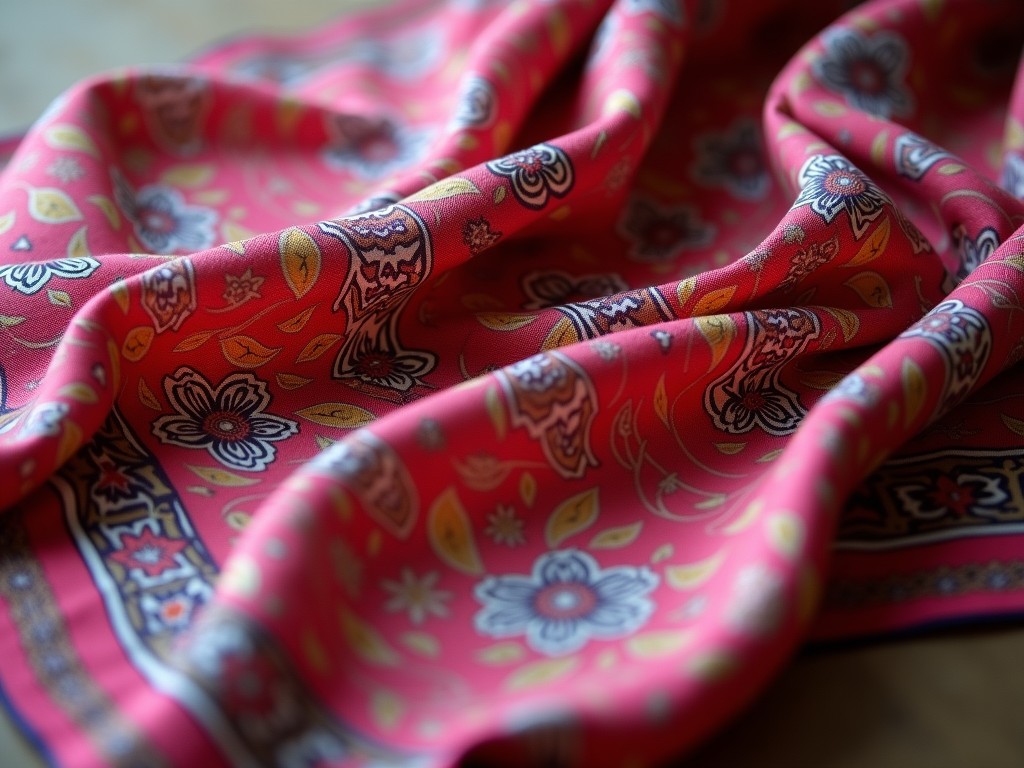
Oem 100 Silk Scarf For Hair
A 100% mulberry silk scarf designed specifically for hair care applications offers measurable benefits in friction reduction, moisture retention, and cuticle protection. Unlike cotton or synthetic
OEM 100 Silk Scarf for Hair
A 100% mulberry silk scarf designed specifically for hair care applications offers measurable benefits in friction reduction, moisture retention, and cuticle protection. Unlike cotton or synthetic alternatives, silk’s smooth fibroin structure minimizes mechanical stress on hair strands during sleep or styling, reducing breakage and split ends. This product is engineered for OEM integration into premium hair care lines, where material consistency and biocompatibility are critical for brand differentiation.
Material Properties and Performance Characteristics
The scarf is constructed from 19 momme (28 g/m²) 100% Grade A mulberry silk, with a tensile strength of approximately 3.5–4.0 g/denier and elongation at break of 15–20%. These values reflect the natural protein polymer structure of fibroin, which provides both durability and elasticity under repeated use. The fabric’s low coefficient of friction (0.2–0.3 against keratin) is significantly lower than cotton (0.4–0.5) or polyester (0.35–0.45), directly translating to reduced hair abrasion during movement.
Silk’s hygroscopic nature allows it to absorb up to 30% of its weight in moisture without feeling damp, helping maintain optimal hydration levels in hair and scalp. This property is particularly beneficial for curly, chemically treated, or dry hair types prone to moisture loss. The fabric is naturally hypoallergenic and resistant to dust mite accumulation, making it suitable for sensitive skin applications.
Dimensional Specifications and Tolerances
Standard dimensions are 60 cm × 60 cm (±2 mm) for square formats and 180 cm × 10 cm (±3 mm) for long, narrow styles commonly used for braiding or wrapping. These tolerances are maintained through precision cutting on CNC-guided rotary tables with laser edge verification. The hem is rolled to 2 mm width using a 3-thread overlock stitch, ensuring no loose fibers that could shed onto hair or pillowcases.
Weight per unit averages 5.5 g for the square format and 3.2 g for the long format, allowing for lightweight packaging and reduced shipping volume. Dimensional stability is confirmed after 5 wash cycles at 30°C, with shrinkage limited to <1.5% in both warp and weft directions due to pre-sanforization treatment.
Customization Options for OEM Integration
OEM clients can specify momme weight between 16–25, affecting drape, opacity, and cost. Lower weights (16–19 mm) offer greater breathability and lower cost, suitable for seasonal lines; higher weights (22–25 mm) provide increased durability and luxury perception for premium positioning. Color options are limited to natural ivory, undyed silk, or low-impact fiber-reactive dyes certified to OEKO-TEX® Standard 100, ensuring no harmful residues remain on the fabric.
Custom branding is available via jacquard weaving (minimum 500 units) or water-based pigment printing (minimum 200 units), both methods preserving the fabric’s integrity without stiffening or cracking. Packaging can be tailored to include recycled paper sleeves, biodegradable polybags, or custom-printed boxes with insert cards detailing care instructions and material origin.
Quality Control and Testing Protocols
Each batch undergoes objective testing for pilling resistance (Martindale tester, 2000 cycles), colorfastness to washing and light (ISO 105-B02, 105-C06), and seam strength (ASTM D2261). Microbial resistance is verified via AATCC Test Method 100 for antibacterial properties against Staphylococcus aureus and Klebsiella pneumoniae, though silk’s natural resistance is inherent due to its protein composition and low moisture retention.
Visual inspection is conducted under 5000 lux daylight simulation to detect shade variation, yarn defects, or finishing inconsistencies. Only lots with <0.5% defect rate proceed to packaging. Traceability is maintained through batch-specific QR codes linking to test reports, dye lot numbers, and silk farm origin data, supporting audit readiness for ESG compliance.
Applications in Hair Care and Wellness Industries
These scarves are used as overnight hair protectors to preserve styles, reduce tangling, and minimize moisture loss—particularly effective for curly, coily, and textured hair types where mechanical disruption during sleep is a leading cause of breakage. In clinical settings, they are recommended post-chemical treatment (e.g., keratin smoothing, bleaching) to reduce mechanical stress on weakened cuticles.
Beyond sleep use, they serve as styling aids for braiding, twisting, or wrapping techniques that require a low-friction surface to prevent snagging. Salon professionals use them during chemical processing to shield hairlines and ears from dye or relaxer contact. The biocompatible nature of silk also supports use in sensory therapy products for individuals with tactile sensitivities.
Packaging, Labeling, and Logistics
Standard packaging includes individual folding into a 10 cm × 10 cm × 2 cm envelope made from FSC-certified recycled paper, with a biodegradable cellulose window for product visibility. Each unit is labeled with a woven care tag specifying hand wash in cold water, pH-neutral detergent, and air drying away from direct sunlight—critical to preserving silk’s protein structure.
Carton configurations hold 100 units (60 cm × 40 cm × 30 cm, 8.5 kg gross weight) for efficient palletization. Shipping documentation includes material safety data sheets (MSDS), country of origin certification, and silk content verification via burn test or microscopic fiber analysis upon request. Lead time is typically 3–4 weeks for standard specifications, with expedited options available for approved tooling.
For technical specifications, customization requests, or sample evaluation, contact our OEM team to discuss your project requirements.
Request OEM Specification SheetProducts
Related Products
News
Related News

2026-11-02
Cotton Voile Scarf Manufacturing and Performance Analysis how to make a cotton voile scarfCreating a professional-grade cotton voile scarf requires a precise balance of textile engineering and artisanal finishing. Unlike standard cotton weaves, voile is defined by its p···

2026-10-28
chiffon hijab Technical Production and Performance AnalysisSelecting the right fabric for a hijab involves a delicate balance between modesty, breathability, and aesthetic drape. For many women in Southeast Asia and the Middle East, the ma···

2026-10-26
custom silk scarf textile manufacturing and performance analysisSelecting a high-quality scarf is no longer just about color matching; it is an exercise in understanding how textile weight, drape, and print scale interact with individual facial···
