Mens Satin Scarf Top Factory






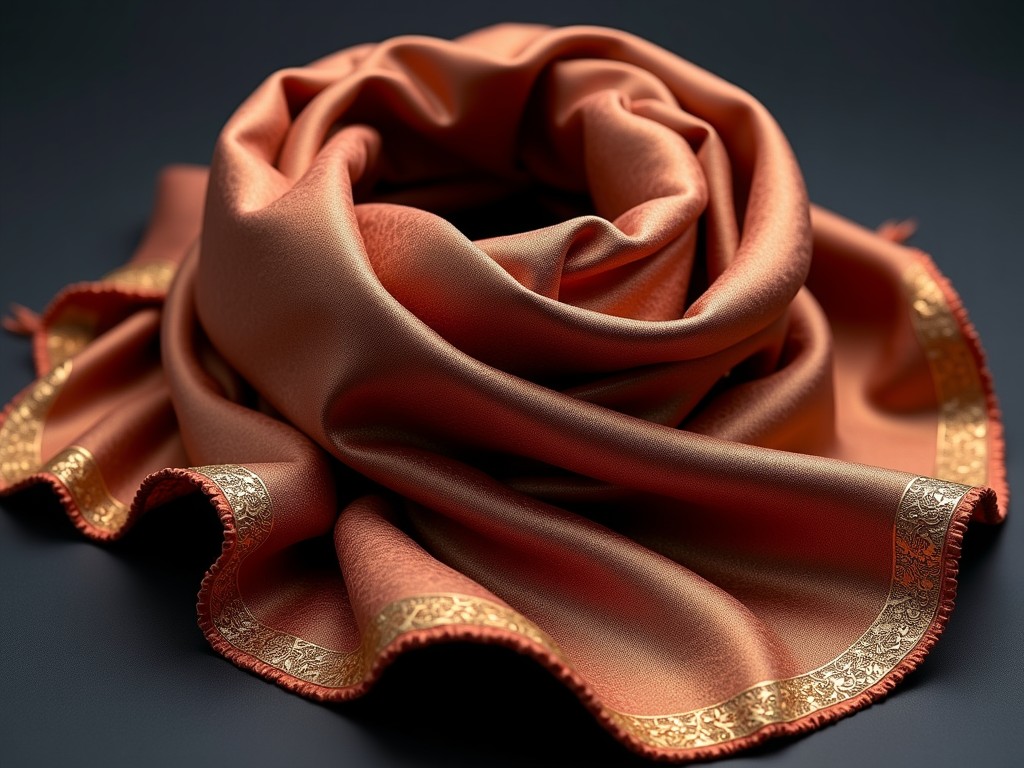
Mens Satin Scarf Top Factory
This page details the manufacturing capabilities for men's satin scarf tops, focusing on material specifications, production processes, and quality control relevant to industrial procurement.
Mens Satin Scarf Top Factory
This page details the manufacturing capabilities for men's satin scarf tops, focusing on material specifications, production processes, and quality control relevant to industrial procurement. Understanding these technical aspects enables buyers to assess supplier suitability for consistent, specification-compliant output.
Satin scarf tops for men typically utilize filament polyester or silk-blend fabrics with a satin weave structure, producing a smooth, lustrous face and dull back. The weave pattern influences drape, hand feel, and light reflection—critical factors in garment performance and appearance.
Factory production involves precision cutting, seaming, and finishing operations tailored to lightweight, slippery fabrics. Process control prevents issues like seam puckering, fabric distortion, or inconsistent tension during assembly.
Material Specifications and Construction
Fabric selection directly impacts the scarf top's durability, care requirements, and aesthetic longevity. Common constructions include 100% polyester filament (150D/36F or 200D/48F) or silk-polyester blends (e.g., 80/20 or 60/40 ratio), chosen based on end-use demands for sheen, breathability, and cost.
Satin weave density typically ranges from 80 to 120 ends per inch (EPI) and 60 to 100 picks per inch (PPI), affecting fabric stability and resistance to snagging. Higher counts improve dimensional stability but increase material cost and may reduce drape flexibility.
Finishing treatments such as heat setting or softening agents are applied to stabilize dimensions and improve hand feel. These processes must be calibrated to avoid over-softening, which can reduce seam strength, or excessive heat setting, which may cause brittleness in polyester filaments.
Production Process and Quality Control
Cutting is performed using heated blades or ultrasonic systems to seal edges and prevent fraying on slippery satin surfaces. Pattern nesting is optimized to minimize waste while accounting for fabric nap direction and pattern matching requirements.
Sewing employs polyester or nylon thread with needle sizes 60/8 to 70/10 and balanced tension settings to avoid puckering. Overlock or rolled hem finishes are common for edges, with stitch density maintained between 10-12 stitches per inch for durability without stiffness.
Quality control includes 100% visual inspection for defects such as snags, stains, or uneven dye lots, plus dimensional checks against tolerances (typically ±3mm for length/width). Seam strength is tested via grab testing (ASTM D5034) to ensure minimum 5N/cm resistance under stress.
Customization Options
Buyers can specify fabric type, weight, color (via Pantone or lab dip), dimensions, and edge finishing. Custom labels, tags, or packaging are available upon request. Minimum order quantities typically start at 300 pieces per style/color, depending on fabric availability and complexity.
Lead times range from 2-4 weeks for stock fabrics to 6-8 weeks for custom-dyed materials, inclusive of sampling and approval. Sample development usually requires 5-7 business days after receipt of detailed specifications and payment of sample fees.
| Parameter | Typical Range / Option | Notes |
|---|---|---|
| Fabric Weight | 80-120 GSM | Lighter weights for drape; heavier for stability |
| Width (Flat) | 14-18 inches | Measured before folding/rolling |
| Length | 60-70 inches | Standard men's scarf length; customizable |
| Seam Type | French seam, rolled hem, overlock | Selected based on fabric weight and end use |
| Color Fastness | Grade 3-4 (ISO 105-B02) | Minimum for light exposure; higher grades available |
Applications for men's satin scarf tops span formalwear, performance attire, and ceremonial uniforms where a smooth, reflective surface is desired. The fabric’s drape allows for elegant folding or knotting techniques, while its lightweight nature supports layering without bulk.
Industrial buyers prioritize suppliers with documented process controls for slippery fabrics, consistent dye lot matching, and traceable quality records. Factories offering in-house testing for seam strength, colorfastness, and dimensional stability reduce risk in long-term supply agreements.
Transparent communication regarding tolerances, material sourcing, and production capacity enables informed decision-making. Requesting detailed specification sheets and sample evaluations before commitment helps align expectations and prevent costly revisions.
Products
Related Products
News
Related News

2026-11-02
Cotton Voile Scarf Manufacturing and Performance Analysis how to make a cotton voile scarfCreating a professional-grade cotton voile scarf requires a precise balance of textile engineering and artisanal finishing. Unlike standard cotton weaves, voile is defined by its p···

2026-10-28
chiffon hijab Technical Production and Performance AnalysisSelecting the right fabric for a hijab involves a delicate balance between modesty, breathability, and aesthetic drape. For many women in Southeast Asia and the Middle East, the ma···

2026-10-26
custom silk scarf textile manufacturing and performance analysisSelecting a high-quality scarf is no longer just about color matching; it is an exercise in understanding how textile weight, drape, and print scale interact with individual facial···
