Creme Of Nature Satin Scarf Factory

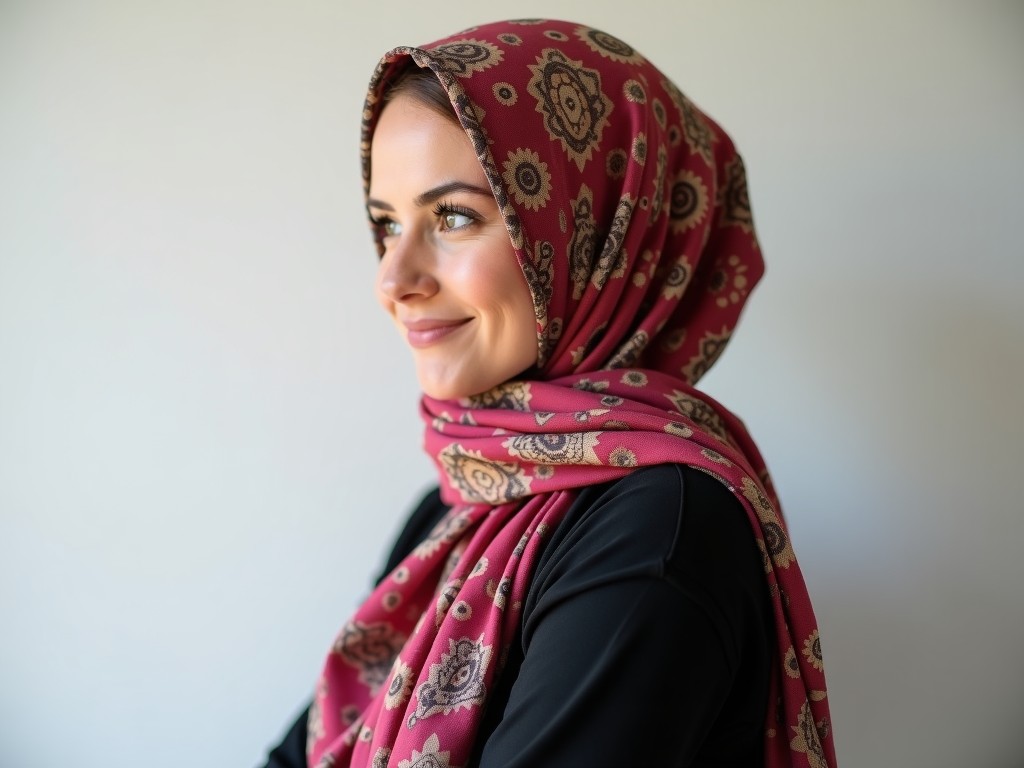

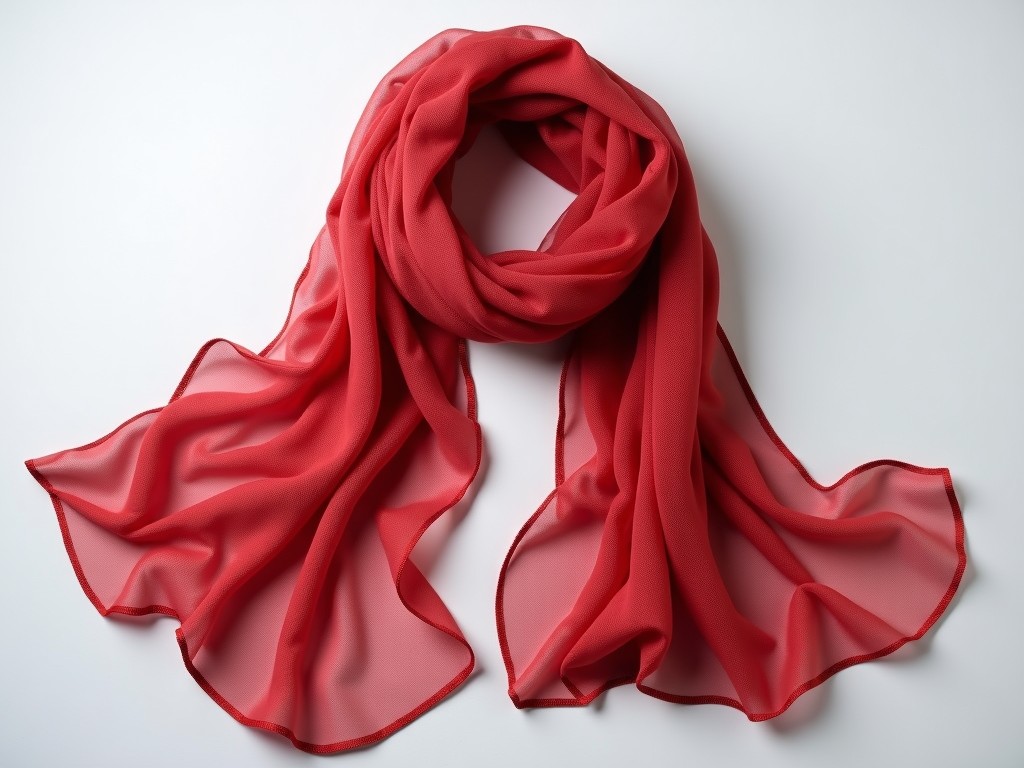

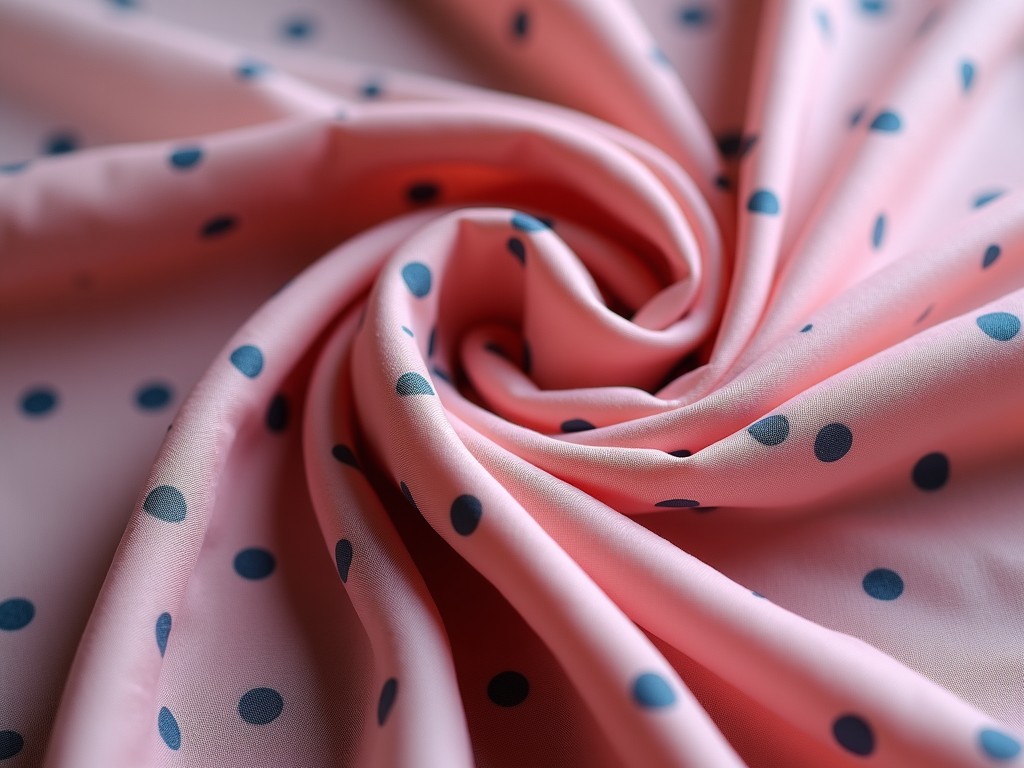

Creme Of Nature Satin Scarf Factory
This document details the manufacturing capabilities and technical specifications for producing Creme of Nature satin scarves at industrial scale. The focus is on material consistency, dimensional
Creme of Nature Satin Scarf Factory: Industrial Production Specifications
This document details the manufacturing capabilities and technical specifications for producing Creme of Nature satin scarves at industrial scale. The focus is on material consistency, dimensional control, and finishing processes required to meet commercial textile standards for bulk procurement.
Material Composition and Yarn Specifications
The base fabric is constructed from 100% polyester filament yarn with a denier range of 75D to 150D, selected for its lustre, drape, and resistance to pilling under repeated handling. Yarn tensile strength typically falls between 3.5 and 5.0 g/denier, ensuring durability during cutting, sewing, and packaging operations. The satin weave structure employs a 4-end or 5-end float pattern, producing a smooth face with a gloss reflectance value of 65–85% measured at 45° incidence under standard lighting (D65).
Colorfastness is achieved through disperse dyeing at 130–135°C, with typical ratings of 4–5 on the grey scale for washing (ISO 105-C06) and light exposure (ISO 105-B02). Dye lot variation is controlled within ΔE < 1.5 CIELAB units to ensure batch-to-batch consistency for large-volume orders. Anti-static finishes are applied via pad-dry-cure methods, adding 0.5–1.5% wet pick-up to reduce clinging during high-speed processing.
Dimensional Tolerances and Cutting Precision
Finished scarves are produced to nominal dimensions of 70 cm × 180 cm, with allowable tolerances of ±0.5 cm in length and ±0.3 cm in width, measured under 2 N/cm tension after 24 hours of conditioning at 20°C and 65% RH. These tolerances are maintained through computer-controlled rotary cutters with laser-guided alignment, minimizing skewing and ensuring perpendicular weft alignment within 1.5° of the selvage edge.
Edge finishing options include rolled hems (0.3 cm fold, 2-stitch overlock) or flat fused seams using ultrasonic welding, both maintaining edge integrity without adding bulk. Hem width variation is held to ±0.1 mm across production runs, critical for automated packaging line compatibility. Shrinkage after three wash cycles at 40°C does not exceed 1.2% in either direction, verified via AATCC Test Method 135.
Surface Finish and Functional Treatments
The satin face undergoes calendaring at 180–200°C with 200 kN pressure to enhance gloss and reduce surface roughness (Ra < 0.8 μm). This process improves light reflection uniformity and provides a smooth hand feel, measured via KES-FB system with average coefficient of friction (COF) of 0.18–0.22 against stainless steel. Optional treatments include antimicrobial finishes (silver-ion based, 50 ppm active) or UV stabilizers (hindered amine light stabilizers, 0.5–1.0 owf) for outdoor-facing applications.
Flame retardancy can be incorporated via additive-free phosphorus-nitrogen compounds, achieving LOI ≥ 26% (Limiting Oxygen Index) without altering hand or drape. All finishes are applied post-dyeing and pre-calendaring to ensure uniform penetration and durability through 15+ wash cycles. Breathability, measured as air permeability, ranges from 80 to 120 mm³/(m²·s·Pa) depending on yarn density and weave tightness.
Quality Control and Inspection Protocol
Each production lot undergoes 100% visual inspection under 500 lux illumination for defects such as snags, yarn breaks, dye streaks, or missing picks, classified according to the 4-point system. Critical defects (holes, open seams, major stains) trigger lot hold; minor defects (slubs, slight shade variation) are tracked for trend analysis. Fabric width is monitored every 10 meters via infrared sensors, with alerts triggered at ±0.5 cm deviation.
Dimensional stability is verified on the first and last roll of each batch using laser scanning, with results logged against control charts. Color consistency is checked via spectrophotometer every 30 meters, with batch acceptance requiring ΔE < 1.0 from the approved standard. Final audit includes 5% random sampling for seam strength (min. 12 N/cm), pilling resistance (ISO 12945-2, rating ≥ 3 after 5000 cycles), and fold endurance (min. 20,000 cycles without rupture).
Packaging and Logistics Considerations
Scarves are folded to a uniform size of 25 cm × 15 cm × 1.5 cm using automated folding tables with vacuum-assisted alignment, ensuring consistent orientation for carton packing. Each unit is wrapped in low-density polyethylene (LDPE) film, 25 μm thickness, with anti-static additive to prevent dust adhesion. Cartons are standard export size (60 cm × 40 cm × 30 cm), holding 48 units per layer, with stacking strength tested to 800 N base load (ISTA 1A).
Humidity indicators (cobalt chloride-free) and desiccant sachets (5g silica gel) are included per carton to maintain RH below 60% during transit. Labels include barcode, lot number, yarn count, finish type, and care instructions in multiple languages. Lead time from approved sample to first shipment is typically 25–35 days, dependent on dye lot size and finishing complexity.
| Parameter | Typical Range | Test Method |
|---|---|---|
| Yarn Denier | 75D – 150D | ASTM D1907 |
| Tensile Strength | 3.5 – 5.0 g/denier | ASTM D2256 |
| Gloss Reflectance | 65% – 85% | ASTM D523 |
| Length Tolerance | ±0.5 cm | AATCC 172 |
| Width Tolerance | ±0.3 cm | AATCC 172 |
| Shrinkage (3x wash) | ≤1.2% | AATCC 135 |
| Air Permeability | 80 – 120 mm³/(m²·s·Pa) | ASTM D737 |
| Seam Strength | ≥12 N/cm | ASTM D1683 |
| Pilling Resistance | ≥3 (after 5000 cycles) | ISO 12945-2 |
All specifications are subject to adjustment based on project-specific requirements, including custom dimensions, special finishes, or private labeling. Technical data sheets and sample swatches are available upon request to support evaluation and qualification processes.
Products
Related Products
News
Related News

2026-11-02
Cotton Voile Scarf Manufacturing and Performance Analysis how to make a cotton voile scarfCreating a professional-grade cotton voile scarf requires a precise balance of textile engineering and artisanal finishing. Unlike standard cotton weaves, voile is defined by its p···
2026-10-28
chiffon hijab Technical Production and Performance AnalysisSelecting the right fabric for a hijab involves a delicate balance between modesty, breathability, and aesthetic drape. For many women in Southeast Asia and the Middle East, the ma···

2026-10-26
custom silk scarf textile manufacturing and performance analysisSelecting a high-quality scarf is no longer just about color matching; it is an exercise in understanding how textile weight, drape, and print scale interact with individual facial···