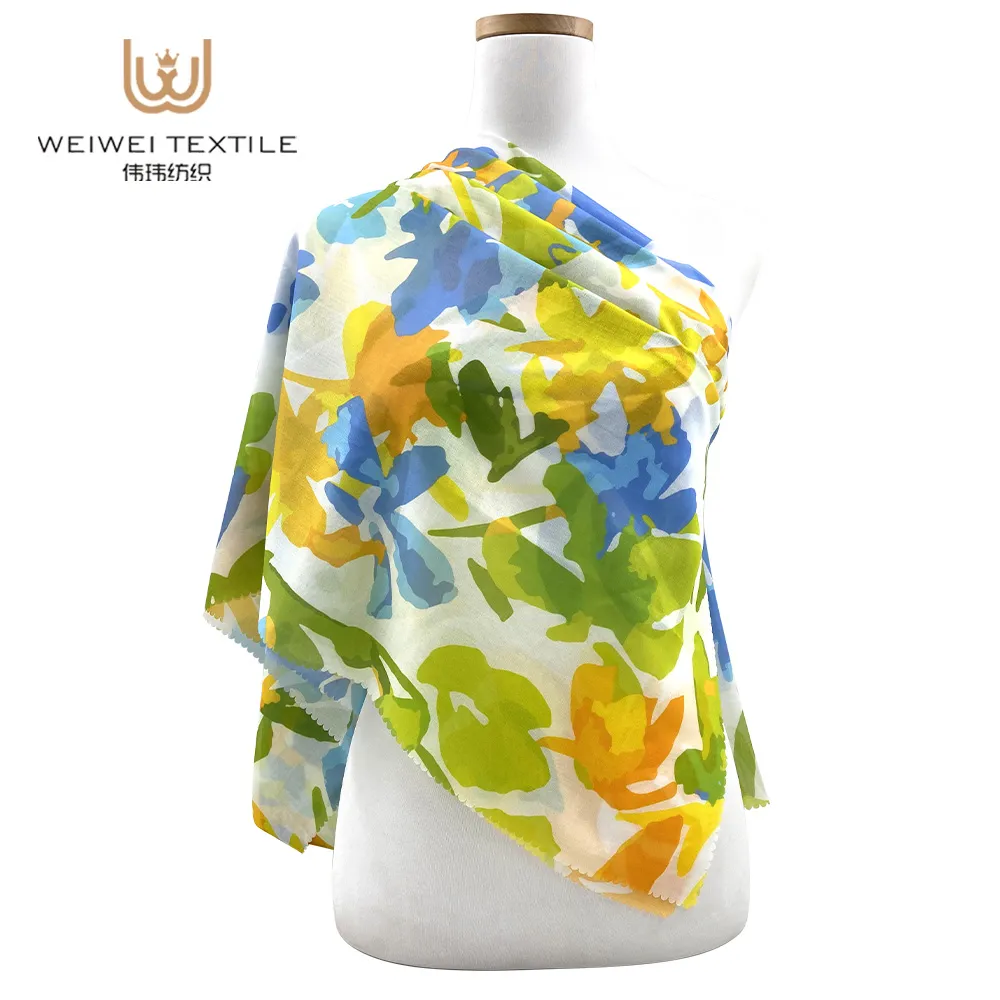
China Matte Satin Square Scarf



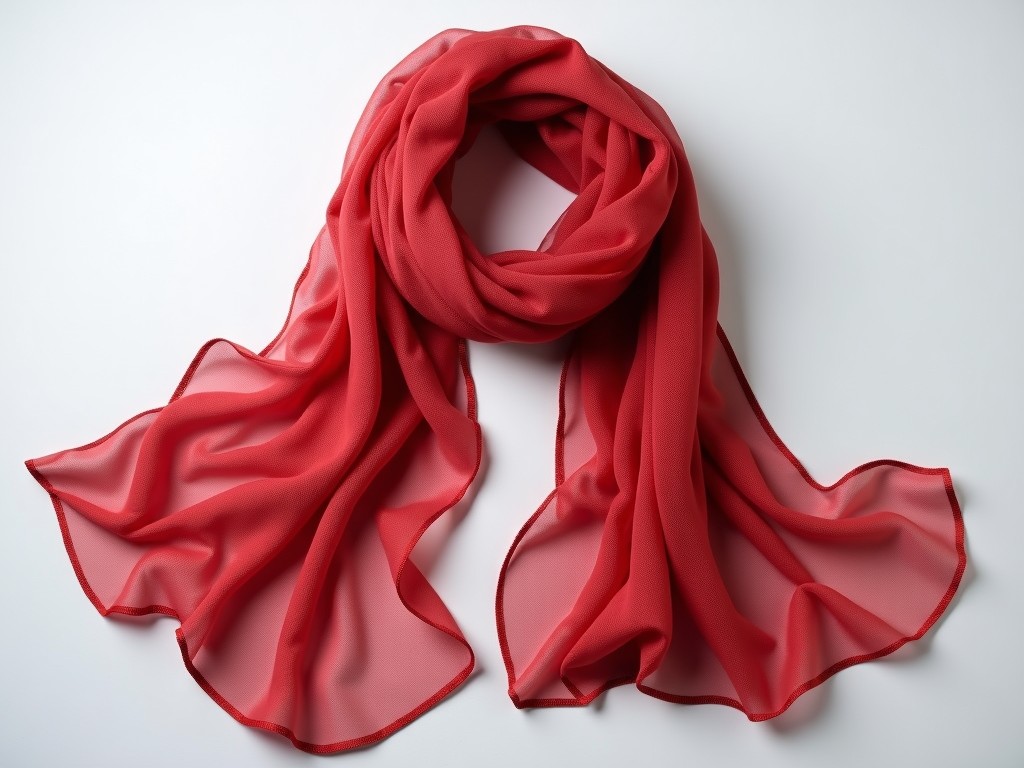

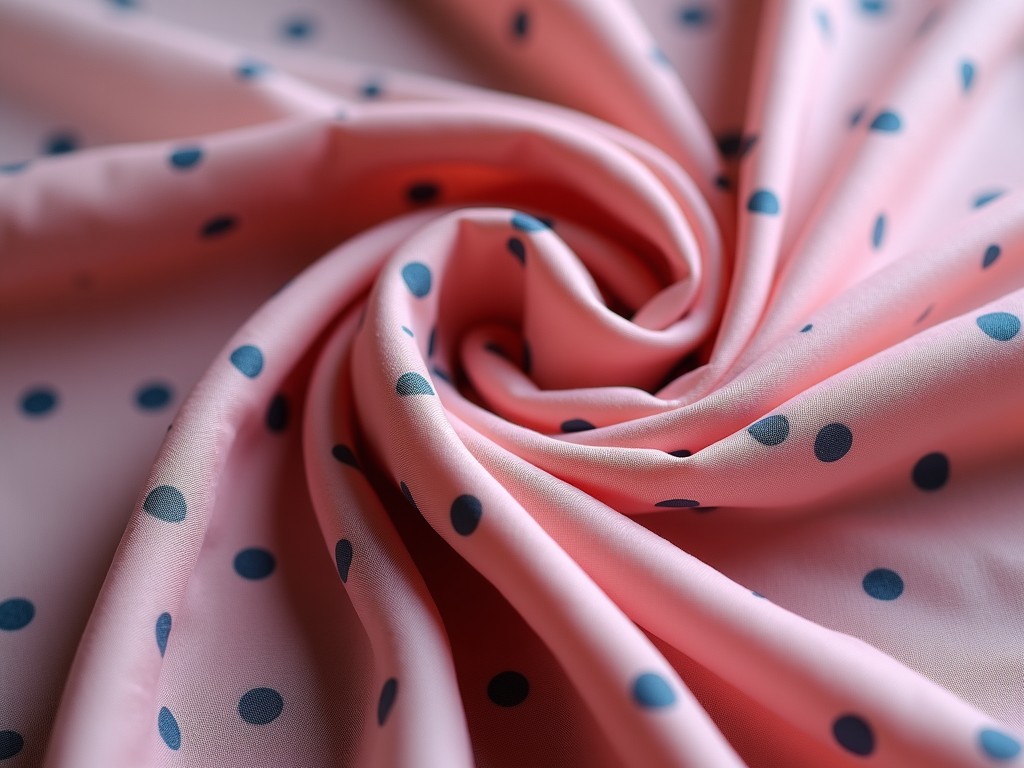

China Matte Satin Square Scarf
Industrial buyers sourcing textile components require precise material specifications to ensure compatibility with downstream manufacturing processes. This document details the technical
China Matte Satin Square Scarf
Industrial buyers sourcing textile components require precise material specifications to ensure compatibility with downstream manufacturing processes. This document details the technical characteristics, production considerations, and application suitability of matte satin square scarves manufactured in China, focusing on measurable properties relevant to B2B procurement decisions.
Material Construction and Weave Specifications
Matte satin fabric achieves its surface appearance through a specific warp-faced weave structure where warp yarns float over multiple weft yarns before interlacing. Unlike glossy satin, the matte variant uses twisted multifilament polyester or viscose yarns with a linear density of 75D/144F to 150D/288F, reducing light reflectance through surface micro-irregularities. The square scarf format typically employs a balanced construction of 133 warp ends and 72 weft picks per inch, yielding a fabric weight between 85–110 gsm depending on yarn count and finish.
Dimensional Stability and Edge Finishing
Dimensional stability is critical for scarf applications where consistent sizing affects folding, packaging, and end-use presentation. Post-weaving, the fabric undergoes controlled relaxation drying at 120–130°C for 90 seconds to minimize residual shrinkage, typically limiting longitudinal and transverse shrinkage to ≤2% after three wash cycles at 40°C. Edges are finished via either narrow overlock stitching (2–3 mm width) or ultrasonic sealing, the latter preferred for synthetic blends to prevent fraying without adding bulk.
Colorfastness and Surface Performance
Color retention under industrial handling conditions depends on dye chemistry and fixation efficiency. Reactive dyes are standard for cellulose-based yarns, achieving wash fastness ratings of 4–5 (ISO 105-C06) and light fastness of 4–6 (ISO 105-B02) after proper fixation at 60–80°C with alkali. The matte finish reduces visible pilling compared to glossy variants due to lower surface friction; Martindale abrasion testing typically shows ≤10% weight loss after 5,000 cycles at 12 kPa pressure.
Comparison of Common Scarf Finishes
| Property | Matte Satin | Glossy Satin | Plain Weave |
|---|---|---|---|
| Surface Reflectance (GL@45°) | 8–12% | 25–35% | 5–8% |
| Drape Coefficient | 0.45–0.55 | 0.50–0.60 | 0.30–0.40 |
| Yarn Slippage Resistance (N) | 18–22 | 15–18 | 25–30 |
| Typical End Uses | Lining, decorative accessories, promotional wear | Evening wear, luxury accessories | Workwear, utility garments, interlinings |
Customization Parameters for Industrial Procurement
Scarf dimensions are defined by finished edge-to-edge length, with standard square sizes ranging from 45 cm to 90 cm in 5 cm increments. Custom dimensions require minimum order quantities (MOQ) of 300 pieces per size due to loom setup and cutting die constraints. Yarn composition can be adjusted between 100% polyester, 65/35 polyester-viscose, or 100% viscose, affecting moisture regain (0.4%, 1.1%, and 13% respectively) and ironing temperature limits (180°C, 150°C, and 120°C).
Quality Control and Inspection Protocol
Incoming fabric rolls are inspected under 6500K daylight simulation at 3x magnification for defects including yarn breaks, thick/thin places, and dye streaks using a 4-point system. Finished scarves undergo 100% visual inspection for edge integrity, corner mitering accuracy (±2 mm tolerance), and dimensional conformity. Random sampling (AQL 2.5) tests colorfastness to washing, rubbing, and perspiration, with test reports available upon request. All batches include a traceability code linking to loom number, dye lot, and inspection date.
Packaging and Logistics Considerations
Scarves are folded to a uniform 10 cm × 10 cm square using automated folding tables with vacuum assistance to minimize creasing. Primary packaging consists of polyethylene bags (50μm thickness) with optional silica gel desiccant packs for humidity-controlled shipment. Carton dimensions are standardized at 40 cm × 30 cm × 25 cm (L×W×H), accommodating 100–200 units depending on scarf thickness, with gross weight not exceeding 15 kg per carton to comply with standard palletizing and handling equipment.
Applications in Industrial and Commercial Sectors
The matte satin square scarf functions as a lightweight interfacial layer in garment assembly, reducing friction between outer fabrics and linings during sewing operations. Its low reflectance minimizes visual distraction in high-speed inspection environments, while the smooth surface facilitates clean release from adhesives in laminated constructions. Promotional goods manufacturers utilize the consistent surface for screen printing and heat transfer applications, where ink adhesion requires a surface energy of 38–42 mN/m, achievable through corona or plasma pretreatment if needed.
For technical inquiries, custom specifications, or sample requests, contact our engineering team to discuss material compatibility, dimensional tolerances, or finishing requirements specific to your production process.
Products
Related Products
News
Related News
2026-11-02
Cotton Voile Scarf Manufacturing and Performance Analysis how to make a cotton voile scarfCreating a professional-grade cotton voile scarf requires a precise balance of textile engineering and artisanal finishing. Unlike standard cotton weaves, voile is defined by its p···
2026-10-28
chiffon hijab Technical Production and Performance AnalysisSelecting the right fabric for a hijab involves a delicate balance between modesty, breathability, and aesthetic drape. For many women in Southeast Asia and the Middle East, the ma···
2026-10-26
custom silk scarf textile manufacturing and performance analysisSelecting a high-quality scarf is no longer just about color matching; it is an exercise in understanding how textile weight, drape, and print scale interact with individual facial···