Burgundy Butterfly Satin Head Scarf

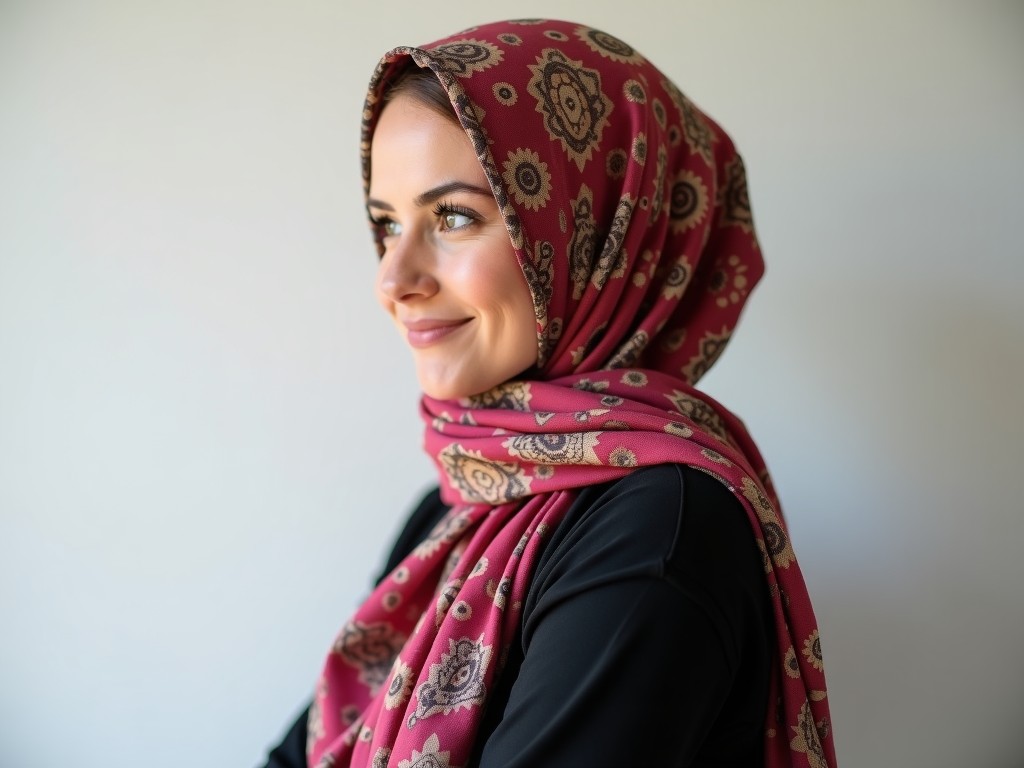
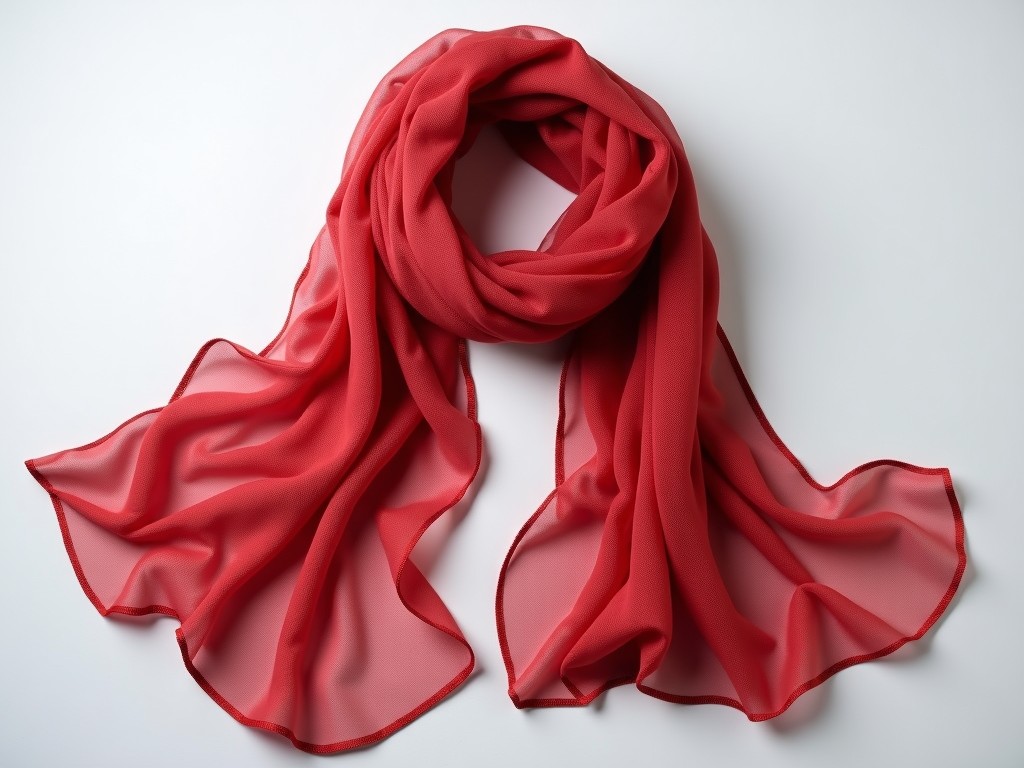
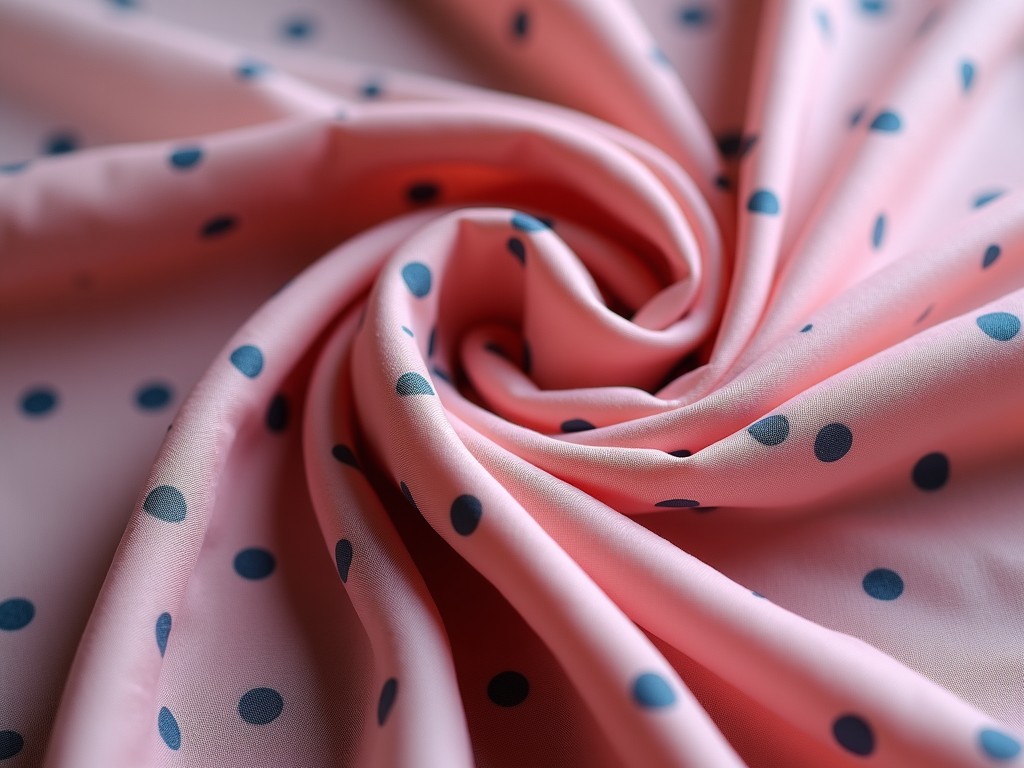

Burgundy Butterfly Satin Head Scarf
The scarf is constructed from 100% polyester satin with a thread count of 180T, providing a smooth, lustrous surface on one side and a slightly matte reverse. The weave structure uses a 4-harness
Burgundy Butterfly Satin Head Scarf
Material Composition and Construction
The scarf is constructed from 100% polyester satin with a thread count of 180T, providing a smooth, lustrous surface on one side and a slightly matte reverse. The weave structure uses a 4-harness satin pattern, which minimizes fiber interlacing to maximize light reflection and surface uniformity.
The burgundy color is achieved through disperse dyeing at 220°C, ensuring colorfastness to washing (ISO 105-C06: ≥4) and light exposure (ISO 105-B02: ≥4). The dye penetration is uniform across the yarn cross-section, preventing fading or streaking under prolonged UV exposure.
The butterfly motif is applied via digital sublimation printing, where ink transitions directly from solid to gas at 200°C under pressure, embedding the design into the polymer matrix. This method ensures the print does not crack, peel, or stiffen the fabric, maintaining drape and flexibility.
Dimensional Specifications and Shape
The scarf measures 70 cm × 70 cm when laid flat, with a tolerance of ±2 mm per edge. This square format allows for multiple folding and tying configurations while maintaining proportional symmetry in the butterfly pattern.
The butterfly design is centrally positioned, spanning 45 cm horizontally and 30 cm vertically, with the wings extending to within 12.5 cm of each edge. This placement ensures the motif remains visible when folded into common headscarf styles such as the triangle fold, neck wrap, or turban style.
The hem is finished with a 3 mm double-folded blind stitch, using polyester thread matching the base color. This prevents fraying without adding bulk or stiffness to the edge, preserving the scarf’s fluid drape during wear.
Performance Characteristics
The satin finish provides a coefficient of friction of 0.25–0.30 against skin and hair, reducing snagging and friction-related discomfort during extended wear. This is particularly beneficial for users with sensitive scalps or those wearing the scarf under wigs, helmets, or protective headgear.
The fabric exhibits a tensile strength of 45–55 MPa in the warp direction and 40–50 MPa in the weft, with elongation at break of 25–35%. This balance allows the scarf to retain shape after repeated folding and unfolding while accommodating natural head movement without constriction.
Thermal resistance is low (0.08 m²·K/W), making the scarf suitable for layering in temperate climates or as a lightweight barrier in air-conditioned environments. It does not retain moisture, with a moisture regain of 0.4% at 65% RH, preventing discomfort from sweat accumulation.
Applications in Professional and Personal Use
The scarf is commonly used in healthcare settings by patients undergoing chemotherapy or radiation therapy, where its smooth surface minimizes irritation to sensitive scalps and its secure fit prevents slippage during movement. The burgundy tone offers a subdued, professional appearance suitable for clinical environments.
In hospitality and uniformed service industries, the scarf functions as a compliant accessory under dress codes requiring head coverage, offering a non-slip, wrinkle-resistant alternative to cotton or silk. Its dimensional stability ensures consistent presentation across shifts.
For personal use, the scarf serves as a protective layer against UV exposure during outdoor activities, with the dyed polyester blocking approximately 90% of UVA and UVB wavelengths (UPF 20+). The satin surface also reduces static buildup compared to synthetic alternatives, minimizing flyaway hair in dry conditions.
Quality Control and Inspection Protocol
Each batch undergoes 100% visual inspection under 5000K daylight simulation lighting to detect color variation, print misregistration, or surface defects such as snags, oil spots, or yarn breaks. Acceptance criteria follow AQL 2.5 for major defects and 4.0 for minor.
Dimensional accuracy is verified using automated vision systems with 0.1 mm precision, measuring edge-to-edge length and diagonal symmetry. Any deviation beyond ±3 mm triggers batch hold for investigation.
Colorfastness is tested per ISO 105-X12 (rubbing) and ISO 105-E04 (perspiration), with results archived for traceability. Fabric hand feel is assessed by trained panelists using a 1–5 scale for smoothness and flexibility, with a minimum score of 4.0 required for release.
Packaging and Handling
Each scarf is folded to a 15 cm × 15 cm square using a standardized tri-fold method to minimize creasing and placed in a 20 µm polyethylene sleeve. The sleeve is sealed with a heat-bonded flap to prevent moisture ingress and particulate contamination during storage and transit.
Outer packaging consists of 5-layer corrugated cardboard cartons (flute profile B), containing 50 units per carton. Cartons are printed with batch codes, care instructions, and country of origin using water-based inks. Edge protectors and corner reinforcements are included for cartons exceeding 8 kg gross weight.
Storage recommendations: maintain at 15–25°C and 40–60% relative humidity, away from direct sunlight and ozone sources. Avoid compression beyond 50 kPa to prevent permanent set in the satin finish.
Care Instructions and Longevity
Machine washable at 30°C on a gentle cycle using neutral pH detergent (6–8). Avoid bleach, fabric softeners, and tumble drying. Line dry in shade or tumble dry on no-heat air fluff setting for ≤5 minutes to restore drape.
Ironing is permitted at 110°C maximum (polyester setting) using a pressing cloth. Direct contact with the iron may cause localized melting or gloss variation. Steam ironing is not recommended due to risk of water spotting on satin surfaces.
With proper care, the scarf maintains color integrity and structural performance for 50+ wash cycles. Accelerated aging tests (equivalent to 2 years of weekly use) show no significant degradation in tensile strength, colorfastness, or hand feel.
| Parameter | Typical Value | Test Standard |
|---|---|---|
| Fabric Weight | 95 g/m² | ISO 3801 |
| Thread Count | 180T | ASTM D3775 |
| Tensile Strength (Warp) | 50 MPa | ISO 13937-2 |
| Elongation at Break | 30% | ISO 13937-2 |
| Colorfastness to Light | ≥4 (Blue Wool Scale) | ISO 105-B02 |
| UPF Rating | 20+ | AS/NZS 4399 |
Customization Options
Color variations are available upon request using Pantone-matched disperse dyes, with minimum order quantities of 300 units per shade. Custom butterfly designs or alternative motifs can be submitted as vector files (AI, EPS, SVG) for sublimation printing, with artwork resolution ≥300 dpi.
Dimensions can be adjusted between 50 cm × 50 cm and 90 cm × 90 cm in 5 cm increments, with proportional scaling of the butterfly motif. Hem finishes include rolled edge, overlock, or decorative piping in contrasting satin or grosgrain.
Packaging can be customized to include branded tissue paper, recycled cardboard inserts, or biodegradable polybags. Private labeling options are available for hangtags, care labels, and outer cartons, with low minimum quantities for pilot runs.
Ready to Discuss Your Requirements?
If you need technical drawings, material safety data sheets, or samples for evaluation, contact our technical team. Provide your intended use case, order volume, and any specification constraints to receive a tailored quotation and lead time estimate.
Request Technical ConsultationProducts
Related Products
News
Related News
2026-11-02
Cotton Voile Scarf Manufacturing and Performance Analysis how to make a cotton voile scarfCreating a professional-grade cotton voile scarf requires a precise balance of textile engineering and artisanal finishing. Unlike standard cotton weaves, voile is defined by its p···
2026-10-28
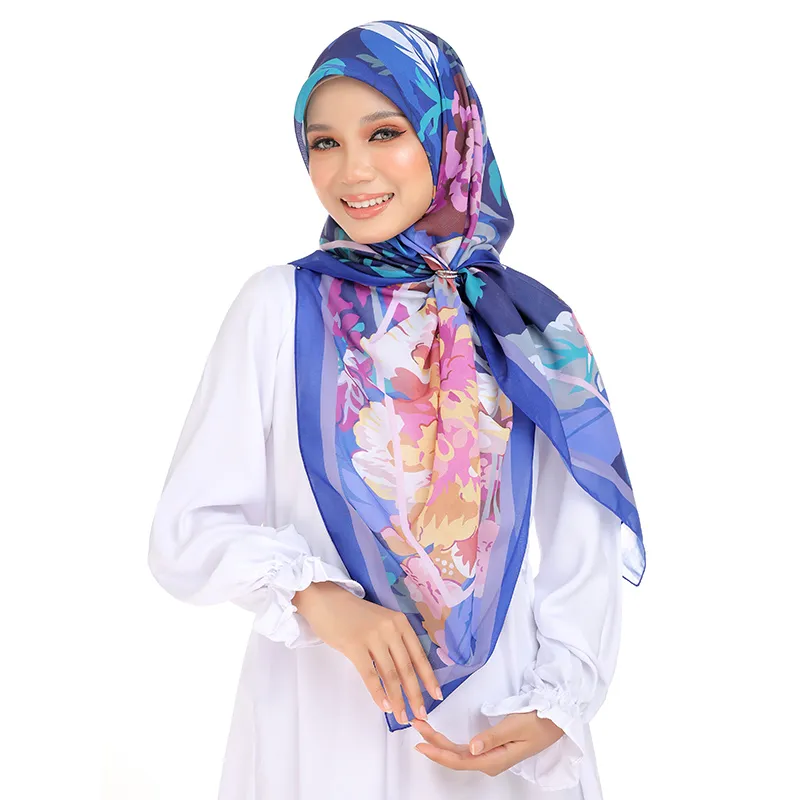
chiffon hijab Technical Production and Performance AnalysisSelecting the right fabric for a hijab involves a delicate balance between modesty, breathability, and aesthetic drape. For many women in Southeast Asia and the Middle East, the ma···
2026-10-26
custom silk scarf textile manufacturing and performance analysisSelecting a high-quality scarf is no longer just about color matching; it is an exercise in understanding how textile weight, drape, and print scale interact with individual facial···