Wholesale Square Scarf For Men






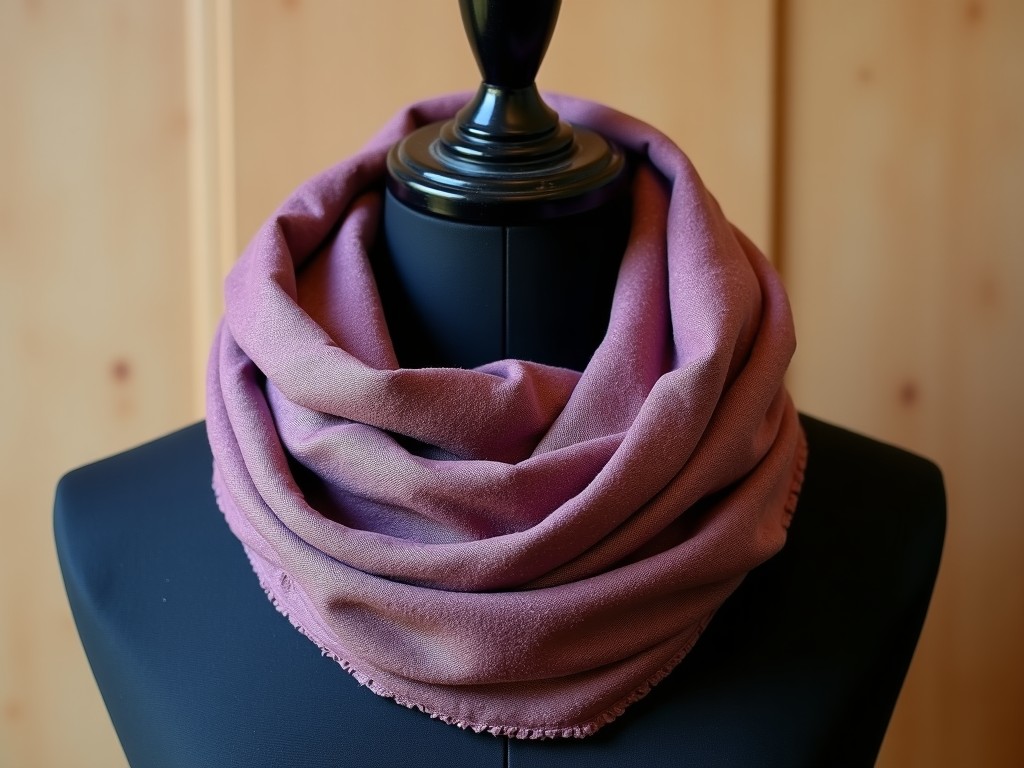
Wholesale Square Scarf For Men
Men’s square scarves are typically constructed from woven or knitted textiles with dimensions ranging from 50 cm to 90 cm per side. The square format allows for multiple folding techniques—such as
Wholesale Square Scarf for Men
Men’s square scarves are typically constructed from woven or knitted textiles with dimensions ranging from 50 cm to 90 cm per side. The square format allows for multiple folding techniques—such as the triangle fold, pocket square, or neck loop—each affecting coverage, drape, and visual symmetry. Unlike rectangular scarves, square designs distribute fabric evenly across both axes, minimizing bias stretch and ensuring consistent performance when folded or tied.
Common materials include 100% cotton voile for breathability in warm climates, medium-weight wool blends (60% wool, 40% acrylic) for thermal regulation in temperate zones, and polyester-silk mixtures (80% polyester, 20% silk) for wrinkle resistance and subtle sheen. Fabric weight is measured in grams per square meter (GSM), with typical values: cotton voile at 80–120 GSM, wool blends at 200–280 GSM, and polyester-silk at 130–180 GSM. These specifications directly influence drape, insulation, and durability under repeated use.
Edge finishing significantly impacts longevity and appearance. Common methods include rolled hems (2–3 mm width, hand- or machine-rolled), overlocked edges (3–5 mm width, serged for fray prevention), and folded double hems (5–8 mm width, topstitched for reinforcement). Rolled hems preserve the fabric’s hand and are preferred for lightweight materials like silk or voile, while double hems add structure suitable for heavier weaves. The choice of finish affects both aesthetic refinement and resistance to unraveling after washing.
Colorfastness and dye penetration are critical for wholesale applications where scarves may undergo industrial laundering or prolonged sun exposure. Reactive dyes bond covalently with cellulose fibers (cotton, viscose), offering excellent wash and light fastness (typically rating 4–5 on the ISO 105 scale). Disperse dyes are used for polyester, requiring high-temperature fixation to achieve comparable durability. Scarves intended for outdoor or uniform use should specify dye type and fastness ratings to ensure color stability over 20+ wash cycles.
| Property | Typical Range | Test Standard |
|---|---|---|
| Fabric Weight (GSM) | 80–280 | ISO 3801 |
| Colorfastness to Washing | 4–5 (ISO 105) | ISO 105-C06 |
| Colorfastness to Light | 4–5 (ISO 105) | ISO 105-B02 |
| Dimensional Stability (Wash) | ±3% | ISO 5077 |
| Tear Strength (Warp/Weft) | 8–15 N | ISO 13937-2 |
Wholesale procurement requires attention to lot consistency. Variations in shade between dye lots can exceed ΔE 3.0 on the CIELAB scale, visible under controlled lighting. To maintain uniformity, buyers should request lab-dipped swatches from each production batch and specify maximum allowable ΔE tolerance (commonly ≤2.0 for premium applications). Cutting alignment also matters—patterns must be oriented to minimize skew when folded, particularly for printed designs with directional motifs. Suppliers should provide cutting diagrams upon request to ensure repeatable results across units.
Applications extend beyond fashion accessories. In industrial settings, square scarves are used as sweat bands in high-heat environments (e.g., foundries, welding stations) when made from moisture-wicking polyester blends. In healthcare, antimicrobial-treated cotton or modal scarves serve as neck gaiters for staff in patient-care zones. Culinary professionals use tightly woven cotton squares as neckerchiefs to absorb sweat and maintain hygiene under chef jackets. Each use case imposes distinct demands on absorbency, abrasion resistance, and ease of cleaning.
Customization options include screen printing, discharge printing, or jacquard weaving for logos or patterns. Screen printing applies ink atop the fabric, suitable for bold graphics but may reduce breathability in thick layers. Discharge printing removes dye to create soft-hand prints ideal for light fabrics. Jacquard weaving integrates the pattern into the weave structure, offering superior durability but requiring higher minimums (typically 500+ units per design). Embroidery is feasible on stable grounds like wool felt or dense cotton but risks puckering on lightweight voile.
Packaging for wholesale orders typically involves flat folding and bundling in polyethylene bags (50–100 microns thickness) with optional cardboard inserts to prevent creasing. For long-distance shipping, scarves are packed in cartons with internal dividers or tissue layers to reduce friction damage. Humidity indicators may be included for moisture-sensitive materials like silk. Labeling includes SKU, fiber content, care instructions, and country of origin—required for customs compliance in most export markets.
Lead times depend on fabric sourcing and decoration method. Greige (undyed) cotton or polyester scarves ship in 10–14 days after order confirmation. Piece-dyed lots add 7–10 days for dyeing and finishing. Printed or embroidered items require an additional 5–8 days for setup and production. Air freight reduces transit time to 3–5 days internationally but increases cost; sea freight averages 20–30 days. Buyers should confirm incoterms (e.g., FOB, CIF) and port of loading to calculate total landed cost accurately.
Quality assurance includes visual inspection under 6500K daylight simulation (per ASTM D1729), dimensional checks using calibrated templates, and seam strength testing via grab tensile method (ASTM D5034). Acceptable quality limits (AQL) are typically set at 2.5% for major defects (e.g., holes, misprints, uneven hems) and 4.0% for minor defects (e.g., slight shade variation, loose threads). Suppliers should provide inspection reports upon request, ideally from third-party labs like SGS or Intertek for added credibility.
To initiate a wholesale inquiry, provide: target quantity, preferred material (e.g., 100% cotton, wool blend), desired dimensions (e.g., 60 cm × 60 cm), color specifications (Pantone or fabric swatch reference), edge finish type, and any customization needs (logo, pattern, packaging). Include required delivery date and destination port to enable accurate lead time and freight quoting. Samples are available upon request—typically shipped via express courier with charges credited toward the first order.
Products
Related Products
News
Related News

2026-11-02
Cotton Voile Scarf Manufacturing and Performance Analysis how to make a cotton voile scarfCreating a professional-grade cotton voile scarf requires a precise balance of textile engineering and artisanal finishing. Unlike standard cotton weaves, voile is defined by its p···

2026-10-28
chiffon hijab Technical Production and Performance AnalysisSelecting the right fabric for a hijab involves a delicate balance between modesty, breathability, and aesthetic drape. For many women in Southeast Asia and the Middle East, the ma···

2026-10-26
custom silk scarf textile manufacturing and performance analysisSelecting a high-quality scarf is no longer just about color matching; it is an exercise in understanding how textile weight, drape, and print scale interact with individual facial···
