Wholesale Polka Dot Scarf Mens

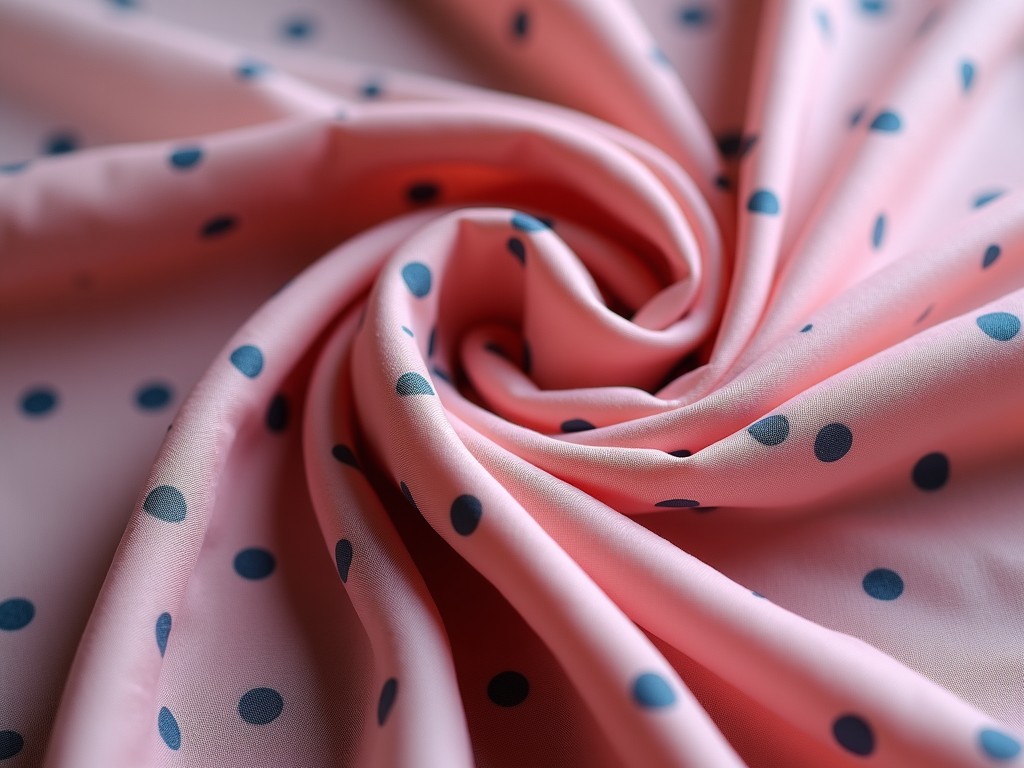
Wholesale Polka Dot Scarf Mens
Polka dot patterns in men's accessories are evaluated for visual consistency, dye stability, and fabric compatibility when sourced at scale. This guide outlines the technical considerations for
Wholesale Polka Dot Scarf for Men
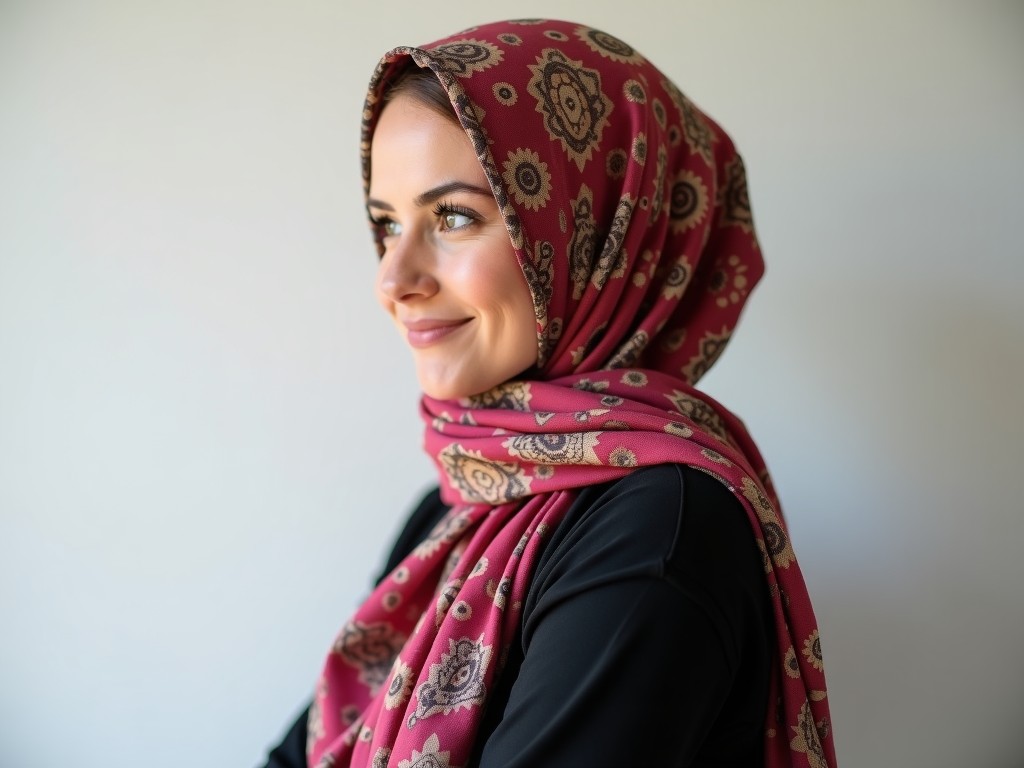
Polka dot patterns in men's accessories are evaluated for visual consistency, dye stability, and fabric compatibility when sourced at scale. This guide outlines the technical considerations for wholesale procurement of menswear scarves featuring polka dot motifs, focusing on material behavior, pattern repeat accuracy, and production tolerances relevant to B2B buyers.
Material Composition and Fabric Performance
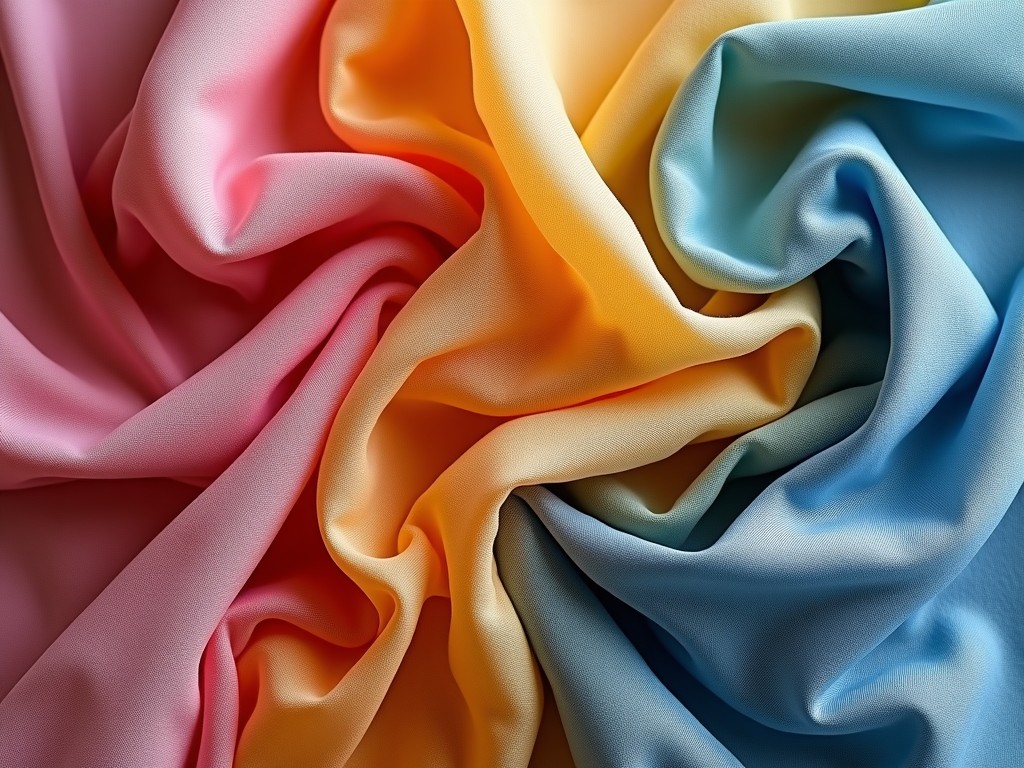
The base fabric determines drape, wrinkle resistance, and colorfastness under repeated handling. Common constructions include 100% cotton voile for breathability, polyester-cotton blends (65/35) for reduced shrinkage, and modal blends for enhanced softness. Each variant exhibits distinct dimensional stability: cotton voile typically shows 2-3% shrinkage after three wash cycles at 40°C, while polyester blends maintain width variation under 1%. Yarn count influences surface smoothness—higher counts (e.g., 60s) reduce yarn visibility in the pattern, improving dot edge definition.
Polka Dot Pattern Specification and Repeat Accuracy
Pattern integrity is critical in wholesale acceptance. Dots are defined by diameter (typically 5–15 mm), spacing (center-to-center 15–25 mm), and registration tolerance. Screen or digital printing must maintain dot circularity within ±0.5 mm and positional drift under 1 mm across a 1.5-meter length. Misregistration beyond these thresholds causes visual distortion, especially in contrasting color combinations (e.g., white dots on navy). Repeat length is standardized at 64 cm for seamless alignment during cutting, minimizing pattern waste in batch production.
Colorfastness and Dye Migration Testing
Industrial buyers require verified resistance to fading and bleed. Reactive dyes on cellulose fibers achieve ISO 105-B02 lightfastness ratings of 6–8, while disperse dyes on polyester typically rate 4–5. Crocking (wet/dry rub) tests must exceed ISO 105-X12 grade 3–4 to prevent transfer to adjacent garments. Dye migration is assessed via accelerated aging: samples stored at 40°C and 75% RH for 72 hours show no measurable dot-to-ground color shift when using stabilized pigment systems. Salt and alkali resistance are evaluated per AATCC TM161 for coastal or industrial laundering environments.
Dimensional Standards and Cut Tolerances
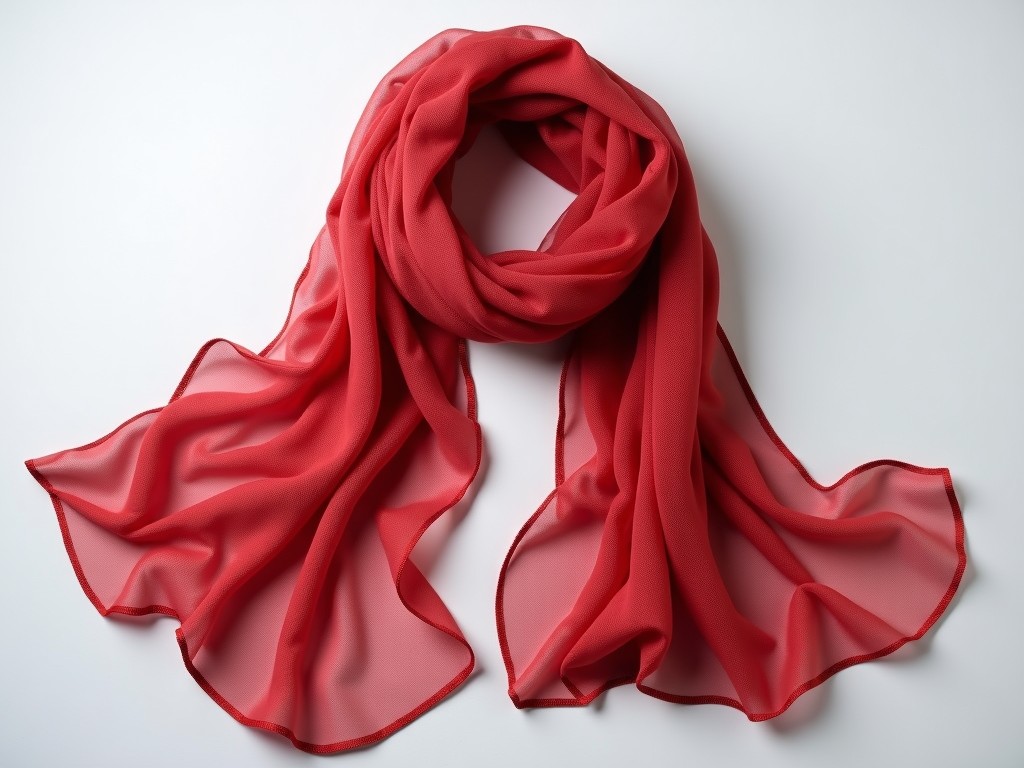
Standard dimensions for menswear polka dot scarves are 180 cm in length and 25 cm in width, with a tolerance of ±2% in both axes. This allows for consistent folding, packaging, and display on retail fixtures. Hemming is typically a 3-mm double-fold blind stitch, adding 6 mm to the final width. Length variation beyond ±3.6 cm affects visual balance when worn, particularly in patterned designs where symmetry is expected. End-to-end pattern matching is verified during sample approval—dots must align within 2 mm at the scarf’s midpoint when folded lengthwise.
Quality Control Checkpoints
- Dot diameter uniformity: sampled every 10 linear meters, standard deviation <0.3 mm
- Color difference (ΔE) between batches: measured under D65 lighting, target <1.5
- Print adhesion: tape test per ASTM D3359, no delamination
- Yarn integrity: no broken filaments >2 mm in length per square decimeter
- Final inspection: 100% visual check for stains, misprints, or uneven tension
Packaging and Logistics Considerations
Wholesale units are packed in polyethylene bags (50 µm thickness) with silica gel desiccant to mitigate moisture during transit. Standard cartons hold 100 pieces (50 cm × 30 cm × 20 cm), optimized for palletization. Each scarf is folded to a 15 cm × 10 cm rectangle to prevent creasing across the pattern axis. Carton labeling includes PO number, SKU, colorway, dot size, and country of origin. For export, fumigation-compliant packaging is available upon request, and humidity indicators are included in shipments to tropical climates.
Customization Options for B2B Buyers
Wholesale orders allow adjustments to dot scale, color contrast, and fabric base without altering core construction. Minimum order quantities typically start at 500 units per SKU. Lead time for standard materials is 3–4 weeks; custom dye lots add 7–10 days for lab dip approval. Artwork must be submitted as vector files with spot color definitions (Pantone or CMYK). Sample development includes two physical strikes: one for color approval, one for print registration. Changes to width or length beyond standard dimensions require retooling of cutting dies and may affect MOQ.
| Parameter | Standard Range | Measurement Method |
|---|---|---|
| Dot Diameter | 5–15 mm | Caliper, 10 samples per meter |
| Dot Spacing (Center-to-Center) | 15–25 mm | Optical comparator |
| Fabric Width | 25 cm ±2% | Measured relaxed, 24h post-conditioning |
| Length | 180 cm ±2% | Steel tape, tension 2 N |
| Colorfastness to Light | ISO 105-B02 ≥6 | Xenon arc, 40 AFU |
| Crooking (Wet) | ISO 105-X12 ≥3 | White cotton cloth, 10 cycles |
Procurement teams should evaluate suppliers based on process control data rather than visual samples alone. Requesting batch-specific test reports for colorfastness, dimensional stability, and pattern registration reduces risk in long-term sourcing. Consistent performance across multiple lots indicates robust printing calibration and fabric pretreatment—key indicators of a manufacturer capable of meeting industrial wholesale demands.
Request Technical Specifications or Submit a Wholesale Inquiry
Products
Related Products
News
Related News
2026-11-02
Cotton Voile Scarf Manufacturing and Performance Analysis how to make a cotton voile scarfCreating a professional-grade cotton voile scarf requires a precise balance of textile engineering and artisanal finishing. Unlike standard cotton weaves, voile is defined by its p···
2026-10-28
chiffon hijab Technical Production and Performance AnalysisSelecting the right fabric for a hijab involves a delicate balance between modesty, breathability, and aesthetic drape. For many women in Southeast Asia and the Middle East, the ma···
2026-10-26
custom silk scarf textile manufacturing and performance analysisSelecting a high-quality scarf is no longer just about color matching; it is an exercise in understanding how textile weight, drape, and print scale interact with individual facial···