Wholesale Muslim Mens Head Covering






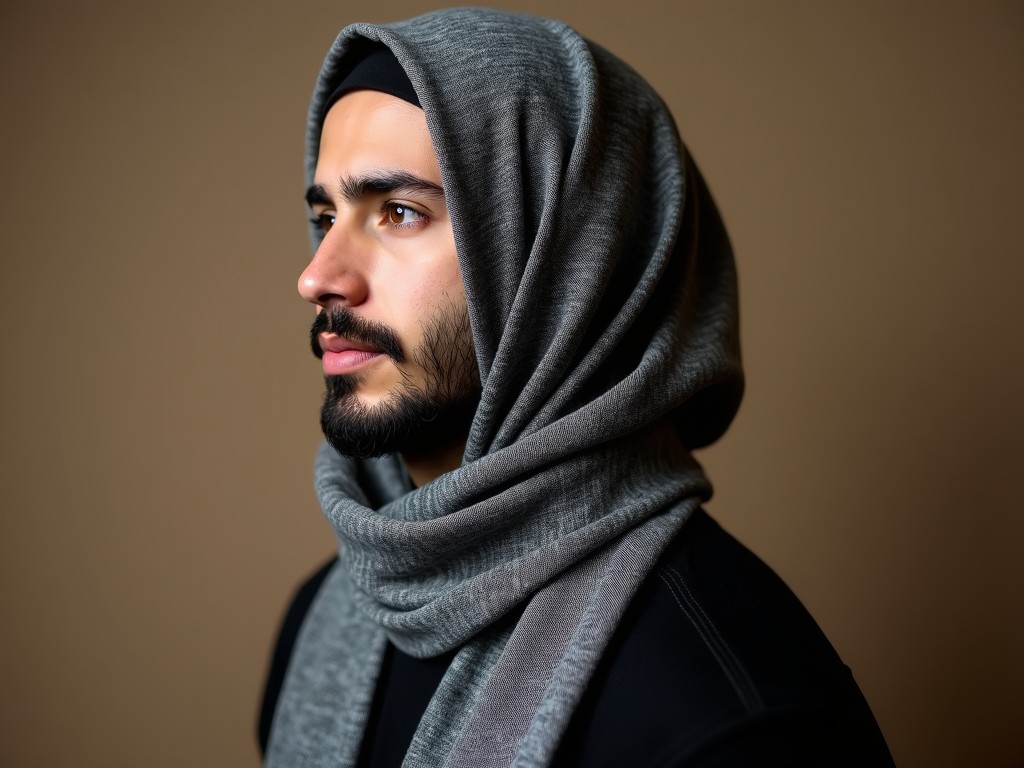
Wholesale Muslim Mens Head Covering
Muslim men's head coverings, commonly referred to as kufis, taqiyahs, or prayer caps, serve religious, cultural, and practical functions across diverse regions. These garments are worn during daily
Wholesale Muslim Men's Head Covering
Muslim men's head coverings, commonly referred to as kufis, taqiyahs, or prayer caps, serve religious, cultural, and practical functions across diverse regions. These garments are worn during daily prayers, formal occasions, and as part of traditional attire. In industrial wholesale contexts, they are procured for distribution to retailers, mosques, community centers, and institutional buyers requiring consistent sizing, material compliance, and bulk availability. Understanding their construction, material behavior, and regional variations is essential for informed procurement decisions.
Material Composition and Performance Characteristics
The performance of a head covering depends directly on fiber selection, yarn construction, and finishing processes. Common materials include cotton blends (typically 65% cotton/35% polyester for wrinkle resistance), pure cotton for breathability in hot climates, and wool or acrylic blends for cooler environments. Cotton offers moisture absorption rates of 8–10% under standard conditions, while polyester reduces shrinkage to under 3% after five wash cycles at 40°C. Fabric weight typically ranges from 120 to 180 GSM, influencing drape, opacity, and suitability for seasonal use.
Seam construction affects durability and comfort. Flatlock or overlock stitching minimizes skin irritation during extended wear, particularly important for daily prayer use. Stitch density of 8–10 stitches per cm ensures seam integrity under repeated stretching. Some designs incorporate a reinforced brim or structured crown to maintain shape after washing, achieved through interfacing or double-layer construction in the frontal panel. These features are not decorative but functional responses to user-reported wear patterns.
Design Variants and Regional Adaptations
Head covering styles vary significantly by region, reflecting cultural preferences and climatic needs. In Southeast Asia, rounded, snug-fitting kufis in cotton piqué are common, often featuring subtle ribbed textures for elasticity. North African variants tend toward taller, cylindrical taqiyahs with stiffened bases to maintain upright posture. West African styles may include embroidered bands or geometric patterns along the hem, though wholesale versions often minimize decoration to reduce cost and increase versatility. These differences impact sizing charts and folding efficiency in bulk packaging.
Size standardization is critical for wholesale fulfillment. Most manufacturers use head circumference as the primary metric, ranging from 54 cm (youth) to 62 cm (large adult), with incremental steps of 2 cm. Unlike apparel, head coverings rely on radial stretch rather than length adjustment, so knit structure and yarn recovery properties are more relevant than cut-and-sew tolerance. Buyers should request fabric relaxation test data (e.g., width recovery after 24-hour rest) to predict long-term fit stability.
Quality Control and Inspection Protocols
Industrial buyers require objective criteria to assess consistency across large orders. Key inspection points include fabric weight verification (using GSM cutters and precision scales), colorfastness to washing (ISO 105-C06 standards, targeting Grade 4 or higher), and dimensional stability after laundering. AQL 2.5 is commonly applied for major defects such as holes, skipped stitches, or misaligned seams, while AQL 4.0 governs minor issues like slight shade variation within a dye lot. These thresholds balance quality assurance with production feasibility.
Labeling and packaging also fall under quality control. Each unit should bear a permanent label indicating fiber content, care instructions (e.g., machine wash 40°C, tumble dry low), and size. Packaging typically uses polybags of 10–25 units, bundled into cartons of 200–500 pieces depending on weight and dimensions. Carton markings must include PO number, SKU, country of origin, and net/gross weight for customs compliance. Failure to meet these specifications can delay clearance or trigger rejection at destination ports.
Customization Options and Supply Chain Considerations
Wholesale buyers often require modifications to standard designs to meet regional branding or institutional needs. Common customizations include embroidery of logos or text on the front panel (limited to 40mm height to avoid stiffness), custom dye lots for corporate colors (Pantone-matched, with lab dip approval required), and alternate packaging configurations (e.g., hanging packs for retail display). Lead times for custom orders typically extend by 10–14 days due to sample approval and dye batching. Minimum order quantities for custom work usually start at 1,000 units per variant.
Fabric sourcing impacts both cost and lead time. Cotton prices fluctuate based on global harvest cycles, while polyester stability makes blended fabrics more predictable for long-term contracts. Buyers should consider fabric hedging or forward contracts when securing annual supply agreements. Nearshoring to regions with vertical integration (e.g., Pakistan, Bangladesh, Egypt) can reduce transit times by 15–25 days compared to Far East sourcing, though minimum volumes may be higher. Transparency in mill origin and dyeing process supports ESG compliance and traceability audits.
Applications in Institutional and Commercial Settings
Beyond individual use, these head coverings serve specific roles in organized environments. Mosques and Islamic centers purchase them in bulk to provide for visitors who may not bring their own, ensuring accessibility during prayer times. Educational institutions with Muslim student populations may include them in uniform provisions or cultural accommodation programs. Healthcare facilities sometimes offer disposable or single-use variants (non-woven polypropylene, 15–20 GSM) for surgical or hygiene-sensitive areas, though reusable fabric versions remain standard for general wear.
Retail distributors stock them as seasonal items, particularly ahead of Ramadan and Eid periods, when demand can increase by 200–300% compared to baseline. Successful inventory planning requires forecasting based on historical sales data, regional demographic trends, and lead time awareness. Unlike fashion apparel, these items have low trend volatility but high sensitivity to religious calendar timing, making just-in-time delivery less viable than predictable, scheduled replenishment. Wholesale suppliers must align production cycles with Hijri calendar projections to avoid stockouts.
| Parameter | Typical Range | Notes |
|---|---|---|
| Fabric Weight (GSM) | 120–180 | Lower for hot climates, higher for structure |
| Head Circumference | 54–62 cm | In 2 cm increments; youth to adult |
| Shrinkage (5 washes @ 40°C) | <3% (polyester blend) | Cotton-only: up to 8% without treatment |
| Stitch Density | 8–10 stitches/cm | Flatlock or overlock seams |
| Colorfastness (Washing) | ISO 105-C06 Grade 4+ | AQL 2.5 for major defects |
Procurement teams should evaluate suppliers based on their ability to provide consistent material documentation, flexible customization terms, and reliable on-time delivery performance. Requesting pre-production samples (PPS) and conducting wear trials with end-users can uncover fit or comfort issues not visible in laboratory testing. Long-term value is derived not from initial unit cost alone, but from reduced return rates, extended product life, and alignment with user expectations across diverse climatic and cultural contexts.
For wholesale inquiries, custom specifications, or sample requests, contact our technical sales team to discuss material options, sizing charts, and production timelines. Provide your target quantity, preferred fabric type, and any branding or packaging requirements to receive a detailed quotation and lead time estimate.
Request Wholesale QuoteProducts
Related Products
News
Related News

2026-11-02
Cotton Voile Scarf Manufacturing and Performance Analysis how to make a cotton voile scarfCreating a professional-grade cotton voile scarf requires a precise balance of textile engineering and artisanal finishing. Unlike standard cotton weaves, voile is defined by its p···

2026-10-28
chiffon hijab Technical Production and Performance AnalysisSelecting the right fabric for a hijab involves a delicate balance between modesty, breathability, and aesthetic drape. For many women in Southeast Asia and the Middle East, the ma···

2026-10-26
custom silk scarf textile manufacturing and performance analysisSelecting a high-quality scarf is no longer just about color matching; it is an exercise in understanding how textile weight, drape, and print scale interact with individual facial···
