Wholesale Custom Luxury Arab Yashmagh Shemagh






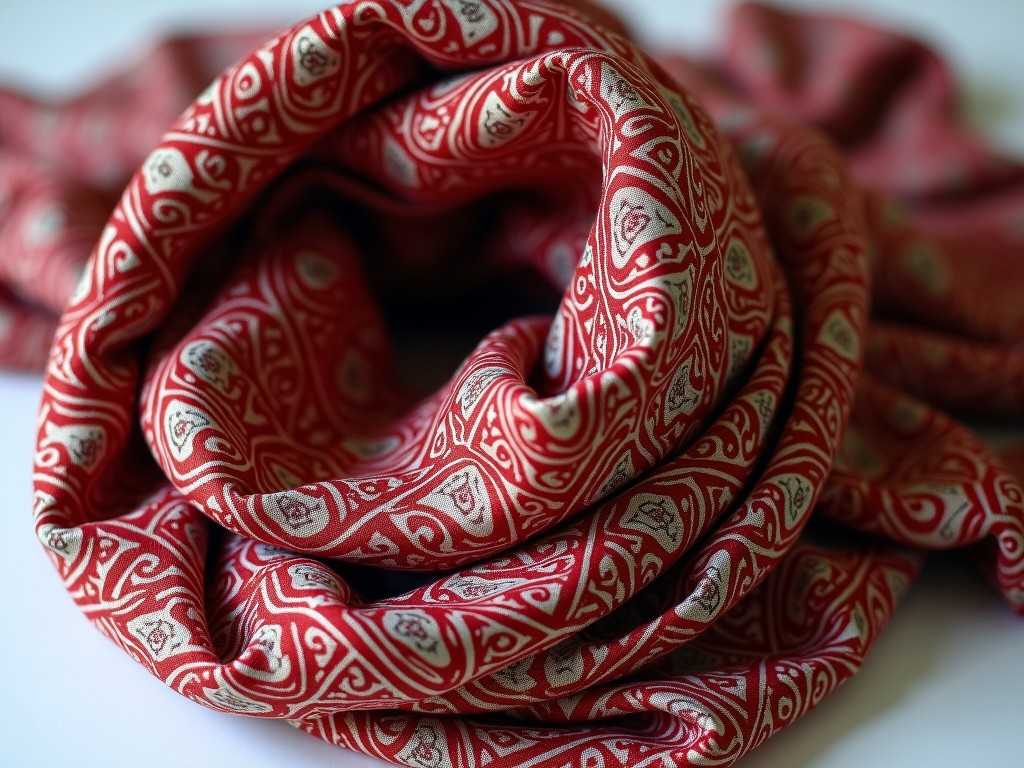
Wholesale Custom Luxury Arab Yashmagh Shemagh
The yashmagh, also known as a shemagh or keffiyeh, is a traditional headscarf worn across the Arabian Peninsula for protection against sun, wind, and sand. Its functional design—typically a square of
Wholesale Custom Luxury Arab Yashmagh Shemagh
The yashmagh, also known as a shemagh or keffiyeh, is a traditional headscarf worn across the Arabian Peninsula for protection against sun, wind, and sand. Its functional design—typically a square of woven cotton—has evolved into a garment of cultural significance, worn in both daily life and formal settings. For industrial buyers sourcing in bulk, understanding the material properties, weave structure, and finishing techniques is essential to ensure the product meets both performance expectations and cultural authenticity.
Material Composition and Weave Structure
Luxury yashmagh for wholesale customization begins with raw material selection. The base fabric is predominantly 100% combed cotton, chosen for its breathability, moisture absorption, and softness against skin. Combing removes short fibers and impurities, resulting in a smoother yarn with higher tensile strength and reduced pilling. Typical yarn counts range from 20s to 40s Ne (Number English), where higher numbers indicate finer yarn and a lighter, more refined hand feel. For premium variants, blends with up to 20% silk or viscose may be used to enhance drape and luster, though pure cotton remains standard for traditional authenticity and durability.
The weave is almost always a plain weave, providing balanced strength and dimensional stability. Thread density typically falls between 80 to 120 ends per inch (EPI) and 60 to 100 picks per inch (PPI), creating a fabric that is lightweight yet resistant to tearing under tension. This construction allows the scarf to be folded, wrapped, and secured without slipping, while maintaining airflow in high-temperature environments. Some luxury versions incorporate a subtle dobby or jacquard pattern during weaving to add texture or cultural motifs without compromising the fabric’s integrity.
Customization Options for Industrial Orders
Wholesale buyers can specify exact dimensions, with standard sizes ranging from 110 cm × 110 cm to 130 cm × 130 cm. Tolerances are held to ±2 cm to ensure consistency across large batches. Customization extends to color, pattern, and finishing. Traditional colorways include white/red, white/black, or solid earth tones, achieved through reactive dyeing for excellent wash and light fastness (typically rating 4–5 on the Blue Wool Scale). Patterns such as the classic checkerboard (hatawi) are woven directly into the fabric using dyed yarns, ensuring the design does not fade or peel.
Additional finishes include hem detailing—options range from a simple rolled edge to a 1–2 cm fringe, or a reinforced selvage with decorative stitching. For corporate or institutional clients, logos or emblems can be incorporated via jacquard weaving (for permanence) or embroidery (for surface detail), with placement and size defined by the buyer. All customization is subject to minimum order quantities, typically starting at 500 pieces per design, to ensure efficient loom setup and dye lot consistency.
Quality Control and Inspection Protocol
Industrial buyers require confidence in batch-to-batch consistency. Quality control begins with yarn testing for count, twist, and tensile strength before weaving. During production, fabric is inspected at 10-meter intervals using a 4-point system to detect flaws such as broken picks, misends, or dye streaks. Final inspection occurs after cutting and finishing, where each piece is checked for dimensional accuracy, color uniformity, and defect frequency. Acceptable quality limit (AQL) standards are typically set at 2.5 for major defects and 4.0 for minor defects, aligned with international textile benchmarks.
Color matching is verified under D65 daylight simulation to ensure adherence to Pantone or Lab* specifications provided by the buyer. Dimensional stability is assessed via ISO 6330 washing tests, with shrinkage limited to ≤3% after five cycles. These tests are not performed on every item but are conducted per lot, with reports available upon request. Packaging is also inspected—each unit is folded to a standardized size and placed in polybags or cardboard cartons to prevent creasing and contamination during transit.
Applications in Professional and Cultural Contexts
Beyond personal use, luxury yashmagh serve functional roles in industries where environmental protection and professional presentation intersect. In construction, oil and gas, and security sectors operating in arid climates, the shemagh provides effective shielding from UV radiation and particulate matter while maintaining a professional appearance. Its ability to wick sweat and allow airflow makes it preferable to synthetic alternatives in prolonged outdoor use.
In diplomatic, hospitality, and aviation environments, the yashmagh is often part of formal attire, symbolizing respect for regional customs. Here, the emphasis shifts to aesthetic precision—consistent pattern alignment, immaculate finishes, and color fidelity become critical. Industrial suppliers serving these markets must ensure that custom orders reflect not only technical correctness but also cultural nuance, as variations in pattern or color can carry unintended connotations.
Packaging and Logistics for Bulk Orders
Efficient packaging protects product integrity and simplifies distribution. Standard packaging involves folding each yashmagh to a uniform size (typically 25 cm × 25 cm) and enclosing it in a clear polypropylene bag to guard against moisture and dust. These individual units are then packed into export cartons, with quantities optimized for palletization—commonly 50 or 100 pieces per carton, depending on fabric weight and dimensions.
Cartons are labeled with buyer-specific information, including PO number, size, color, and country of origin. For long-haul shipments, cartons may be stacked on fumigated wooden pallets and secured with stretch wrap or strapping. Lead times vary based on customization complexity but typically range from 4 to 8 weeks after sample approval and deposit receipt. Air freight options are available for urgent orders, though sea freight remains the most cost-effective method for large volumes.
| Parameter | Typical Range / Option | Notes |
|---|---|---|
| Fabric Composition | 100% combed cotton; optional silk/viscose blend | Higher cotton count = finer hand feel |
| Yarn Count | 20s to 40s Ne | Affects weight, drape, and durability |
| Thread Density (EPI × PPI) | 80–120 × 60–100 | Balances strength and breathability |
| Standard Dimensions | 110 cm × 110 cm to 130 cm × 130 cm | Tolerance: ±2 cm |
| Color Fastness (Wash/Light) | Typically 4–5 (Blue Wool Scale) | Reactive dyeing for longevity |
| Minimum Order Quantity | 500 pieces per design | Ensures dye lot and loom efficiency |
| Packaging Unit | Polybag + export carton | 50–100 pcs/carton; palletized |
For procurement teams, the decision to source custom yashmagh wholesale hinges on more than unit cost. It requires confidence in the supplier’s ability to deliver consistent quality, adhere to specifications, and understand the product’s functional and cultural role. By focusing on measurable attributes—yarn count, weave density, color fastness, and dimensional tolerance—buyers can evaluate offers objectively and reduce the risk of non-conformance.
To begin a quotation request, please provide your target specifications: desired size, material preference, color pattern, finish type, and annual volume. Our technical team will respond with a detailed breakdown of feasibility, lead time, and pricing based on your inputs. We recommend requesting a pre-production sample to validate critical parameters before full-scale production.
Request a Custom QuotationProducts
Related Products
News
Related News

2026-11-02
Cotton Voile Scarf Manufacturing and Performance Analysis how to make a cotton voile scarfCreating a professional-grade cotton voile scarf requires a precise balance of textile engineering and artisanal finishing. Unlike standard cotton weaves, voile is defined by its p···

2026-10-28
chiffon hijab Technical Production and Performance AnalysisSelecting the right fabric for a hijab involves a delicate balance between modesty, breathability, and aesthetic drape. For many women in Southeast Asia and the Middle East, the ma···

2026-10-26
custom silk scarf textile manufacturing and performance analysisSelecting a high-quality scarf is no longer just about color matching; it is an exercise in understanding how textile weight, drape, and print scale interact with individual facial···
