Wholesale Arab Male Head Wrap






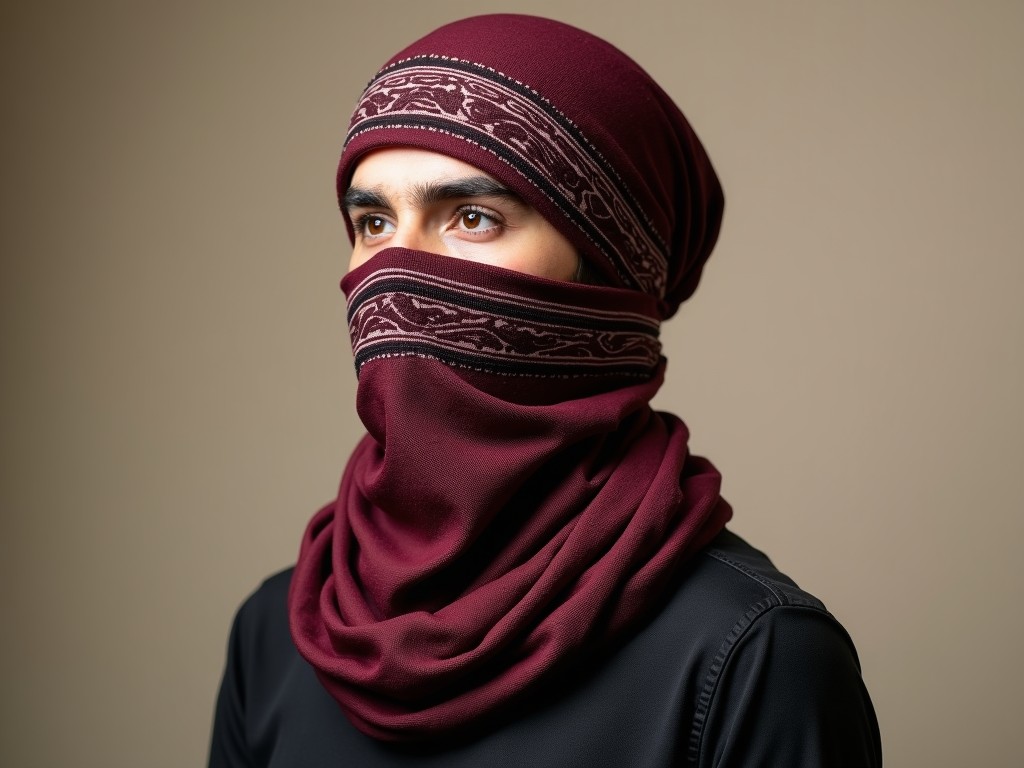
Wholesale Arab Male Head Wrap
Industrial buyers sourcing traditional headwear for regional distribution require precise specifications on material behavior, dimensional stability under repeated use, and compliance with regional
Wholesale Arab Male Head Wrap
Industrial buyers sourcing traditional headwear for regional distribution require precise specifications on material behavior, dimensional stability under repeated use, and compliance with regional textile standards. This page details the engineering considerations for wholesale arab male head wrap production, focusing on factors that impact long-term value and supply chain reliability.
Material Composition and Performance Characteristics
The primary material selection for arab male head wraps centers on breathability, moisture management, and shape retention after extended wear. Common constructions use 100% combed cotton or cotton-polyester blends where the cotton content exceeds 65% to maintain hygroscopic properties essential for arid climates. Fabric weight typically ranges from 120 to 160 GSM, balancing drape with resistance to tearing during folding and securing. Thread count falls between 120 and 160 threads per square inch, influencing both surface smoothness and resistance to pilling after multiple wash cycles.
Dye stability is critical; reactive dyes are preferred for cotton bases due to their covalent bond with cellulose fibers, minimizing fading under UV exposure and repeated washing. Colorfastness ratings should meet or exceed ISO 105-B02 standards for light exposure and ISO 105-C06 for washing. Shrinkage control is achieved through sanforization or pre-shrinking processes, limiting dimensional change to under 3% after five wash cycles at 40°C.
Dimensional Standards and Functional Design
Standard dimensions for wholesale arab male head wraps are engineered to accommodate varied head circumferences and wrapping techniques while minimizing material waste. The typical rectangular format measures 110 cm in length and 110 cm in width, providing sufficient fabric for multiple wrapping styles without excess bulk. Hemming is executed with a 3-mm double-fold stitch to prevent fraying and maintain clean edges during handling.
Edge finish options include plain hem, rolled hem, or decorative piping, each affecting the product’s suitability for different end-use scenarios. Plain hems are standard for bulk distribution due to lower production complexity and cost. Rolled hems offer a softer edge profile preferred in premium segments. Decorative piping adds structural reinforcement to corners but increases material usage by approximately 8% and requires additional processing steps.
Manufacturing Considerations and Quality Control
Production consistency relies on controlled cutting tolerances and sewing precision. Laser or rotary cutting systems maintain dimensional accuracy within ±2 mm across large batches. Sewing operations use lockstitch machines with 8 to 10 stitches per inch, ensuring seam strength exceeds 15 N under tensile testing. Quality control checkpoints include fabric inspection prior to cutting, inline stitch monitoring, and final product verification for dimensions, color uniformity, and defect frequency.
Defect thresholds are typically set at no more than 2 major defects per 100 units, where major defects include holes, broken stitches, or color variation exceeding Delta E 3.0. Minor defects such as slight shade variation or thread loosening are allowed up to 5 per 100 units. Packaging is standardized in bales of 50 or 100 units, wrapped in polyethylene film and placed in corrugated cartons with edge protection to prevent compression damage during transit.
Customization Options and Supply Chain Flexibility
Wholesale procurement often requires adaptation to regional preferences or private labeling needs. Customization pathways include color matching to Pantone or RAL standards, embroidery of logos or motifs along borders, and adjustments to fabric weight or weave pattern. Lead times for standard orders range from 14 to 21 days after sample approval, while customized variants may extend to 28–35 days depending on dye lot availability and embroidery complexity.
Minimum order quantities (MOQs) typically start at 500 units per SKU for stock fabrics, reducing to 1,000 units when custom dyeing is involved. Sampling protocols involve lab-dipped swatches for color approval and pre-production samples for construction validation. All custom specifications require detailed technical packages including CAD patterns, stitch diagrams, and care instructions to ensure alignment between buyer expectations and production output.
Applications and End-Use Performance
Arab male head wraps serve functional roles beyond cultural expression, including protection from solar radiation, wind-blown particulates, and temperature fluctuations. In industrial or labor-intensive environments, the wrap’s ability to wick sweat and allow evaporative cooling contributes to wearer comfort during prolonged outdoor exposure. The fabric’s drape and grip characteristics enable secure wrapping without frequent readjustment, reducing distraction in operational settings.
Distribution channels include regional wholesalers, uniform suppliers, and institutional buyers serving hospitality, security, and workforce sectors. The product’s longevity is enhanced by resistance to abrasion from repeated folding and unfolding, with typical service life exceeding 50 wash cycles when cared for according to manufacturer guidelines. Buyers should verify that supplied textiles meet local regulatory requirements for skin contact and flammability where applicable.
| Parameter | Typical Range | Notes |
|---|---|---|
| Fabric Weight | 120–160 GSM | Balances breathability and durability |
| Thread Count | 120–160 TPI | Influences smoothness and pilling resistance |
| Length/Width | 110 cm × 110 cm | Standard size for versatile wrapping |
| Shrinkage (5 washes) | <3% | After sanforization or pre-shrink |
| Colorfastness (Light) | ISO 105-B02 ≥4 | Minimum acceptable rating |
| MOQ (Stock Fabric) | 500 units/SKU | Lower for basic colors |
Technical transparency reduces procurement risk by enabling buyers to evaluate performance against actual operational demands rather than relying on generic claims. Understanding the interplay between material properties, dimensional stability, and manufacturing controls allows for informed decisions that align with long-term supply chain goals. For wholesale arab male head wrap, value is derived from consistent conformity to specifications that support both functional use and regional expectations.
To discuss your specific requirements, including material options, dimensional tolerances, or customization details, please use the contact form to initiate a quotation request. Provide your target quantity, preferred specifications, and intended use case to receive accurate lead times and pricing.
Request QuotationProducts
Related Products
News
Related News

2026-11-02
Cotton Voile Scarf Manufacturing and Performance Analysis how to make a cotton voile scarfCreating a professional-grade cotton voile scarf requires a precise balance of textile engineering and artisanal finishing. Unlike standard cotton weaves, voile is defined by its p···

2026-10-28
chiffon hijab Technical Production and Performance AnalysisSelecting the right fabric for a hijab involves a delicate balance between modesty, breathability, and aesthetic drape. For many women in Southeast Asia and the Middle East, the ma···

2026-10-26
custom silk scarf textile manufacturing and performance analysisSelecting a high-quality scarf is no longer just about color matching; it is an exercise in understanding how textile weight, drape, and print scale interact with individual facial···
