What Is A Men S Scarf Called






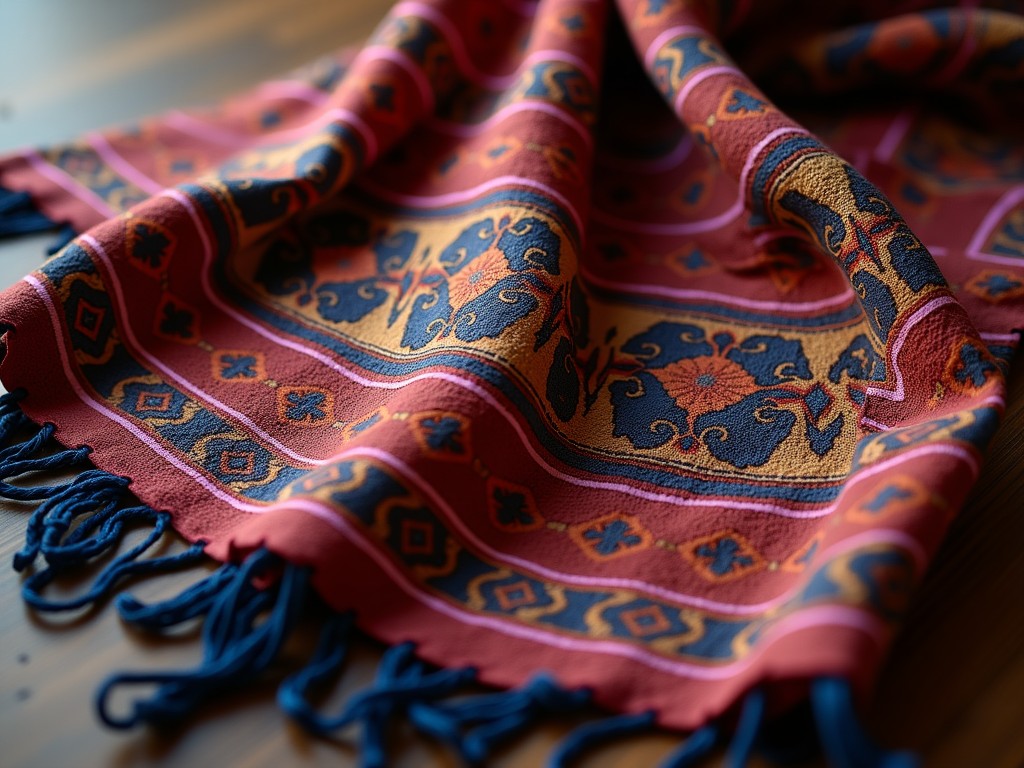
What Is A Men S Scarf Called
In industrial and technical textile contexts, a men's scarf is typically referred to as a neck gaiter, technical neck wrap, or performance neck accessory, depending on its construction, material, and
What Is a Men's Scarf Called?
In industrial and technical textile contexts, a men's scarf is typically referred to as a neck gaiter, technical neck wrap, or performance neck accessory, depending on its construction, material, and intended function. These terms distinguish functional workwear from fashion-oriented scarves and align with specifications used in personal protective equipment (PPE), cold-weather gear, and occupational safety standards.
The terminology varies based on design features: a seamless, tubular knit designed for thermal regulation is often called a neck gaiter; a version with moisture-wicking, antimicrobial, or flame-resistant treatments may be classified as a technical neck wrap; and when integrated into layered PPE systems for wind, particulate, or splash protection, it may be specified as a performance neck accessory in procurement documentation.
Material Composition and Technical Specifications
Men's neck gaiters used in industrial environments are engineered from specific textile blends to meet performance requirements. Common materials include polyester microfiber (85–95%), elastane (5–15%) for stretch recovery, and occasionally merino wool or bamboo viscose for natural moisture management. These compositions are selected based on ASTM F1291 thermal insulation standards and ISO 11092 water vapor resistance (Ret) metrics.
For high-risk environments, variants may incorporate modacrylic or aramid fibers to comply with NFPA 70E (electrical arc flash) or EN ISO 11612 (heat and flame) standards. The fabric weight typically ranges from 140 to 220 GSM, balancing insulation with breathability, and is evaluated using guarded hot plate and sweating guarded hot plate test methods.
Functional Design Variants
Design variations are defined by intended use case and environmental exposure. A basic neck gaiter provides passive insulation and wind protection through its tubular construction, which eliminates seams that could chafe under PPE harnesses or helmets. A balaclava-style extension offers full head and neck coverage, often featuring a molded nose bridge and adjustable drawcord for fit compliance with ANSI/ISEA 110 head protection guidelines.
Some models include integrated particulate filters (rated to N95 or FFP2 equivalents) or splash barriers laminated to the inner layer, transforming the accessory into a hybrid respiratory or facial protection component. These are not classified as standalone respirators but may supplement NIOSH-approved devices under OSHA 29 CFR 1910.134 when used in conjunction with proper fit testing and maintenance protocols.
Comparison of Common Types
| Type | Primary Function | Typical Material | Standard Compliance |
|---|---|---|---|
| Neck Gaiter | Thermal insulation, wind barrier | Polyester/elastane blend | ASTM F1291, ISO 11092 |
| Technical Neck Wrap | Moisture management, odor control | Antimicrobial polyester, merino wool | ISO 20743, AATCC 100 |
| Performance Neck Accessory | Particulate/splash defense, arc flash | Modacrylic, aramid, laminated layers | NFPA 70E, EN ISO 11612, ANSI/ISEA 110 |
Applications in Industrial Sectors
In outdoor utility and telecommunications work, neck gaiters prevent cold-induced vasoconstriction that can impair dexterity during cable splicing or terminal tightening, directly supporting compliance with ACGIH TLV® guidelines for cold stress. The seamless design avoids snagging on tools or lanyards, reducing foreign object debris (FOD) risks in aerospace maintenance environments.
In metalworking and foundry operations, flame-resistant variants protect against radiant heat and slag splatter during pouring or grinding, with thermal protective performance (TPP) ratings measured per ASTM F1930. For pharmaceutical or cleanroom personnel, low-linting, autoclavable versions minimize particulate shedding, meeting ISO 14644-1 Class 5–8 requirements when used under bouffants or hoods.
Winter road maintenance and logistics teams use high-visibility (HV) neck gaiters with retro-reflective tape compliant to ANSI/ISEA 107-2020, enhancing conspicuity in low-light conditions without compromising helmet integration or hearing protection compatibility.
Customization and Procurement Considerations
Industrial buyers specify customizations based on site-specific hazard assessments. Options include adjustable cord locks for tension control, flatlock seam placement to avoid pressure points under hard hats, and laser-etched logos for identification without compromising fabric integrity. Dimensional tolerances are typically held to ±3 mm in width and ±5 mm in length, verified via optical comparators or CMM inspection.
Colorfastness is tested per AATCC 61 (laundering) and AATCC 16E (light exposure), with minimum ratings of 4.0 on the gray scale required for repeated industrial wash cycles. Antimicrobial efficacy, when specified, is validated via ISO 20743 quantitative methods, demonstrating >99.9% reduction of Staphylococcus aureus and Klebsiella pneumoniae after 50 washes.
For technical specifications, material data sheets, or to discuss application-specific requirements for men's neck gaiters in industrial environments, please contact our engineering team.
Request Technical ConsultationProducts
Related Products
News
Related News

2026-11-02
Cotton Voile Scarf Manufacturing and Performance Analysis how to make a cotton voile scarfCreating a professional-grade cotton voile scarf requires a precise balance of textile engineering and artisanal finishing. Unlike standard cotton weaves, voile is defined by its p···

2026-10-28
chiffon hijab Technical Production and Performance AnalysisSelecting the right fabric for a hijab involves a delicate balance between modesty, breathability, and aesthetic drape. For many women in Southeast Asia and the Middle East, the ma···

2026-10-26
custom silk scarf textile manufacturing and performance analysisSelecting a high-quality scarf is no longer just about color matching; it is an exercise in understanding how textile weight, drape, and print scale interact with individual facial···
