Ways To Wear A Men S Scarf



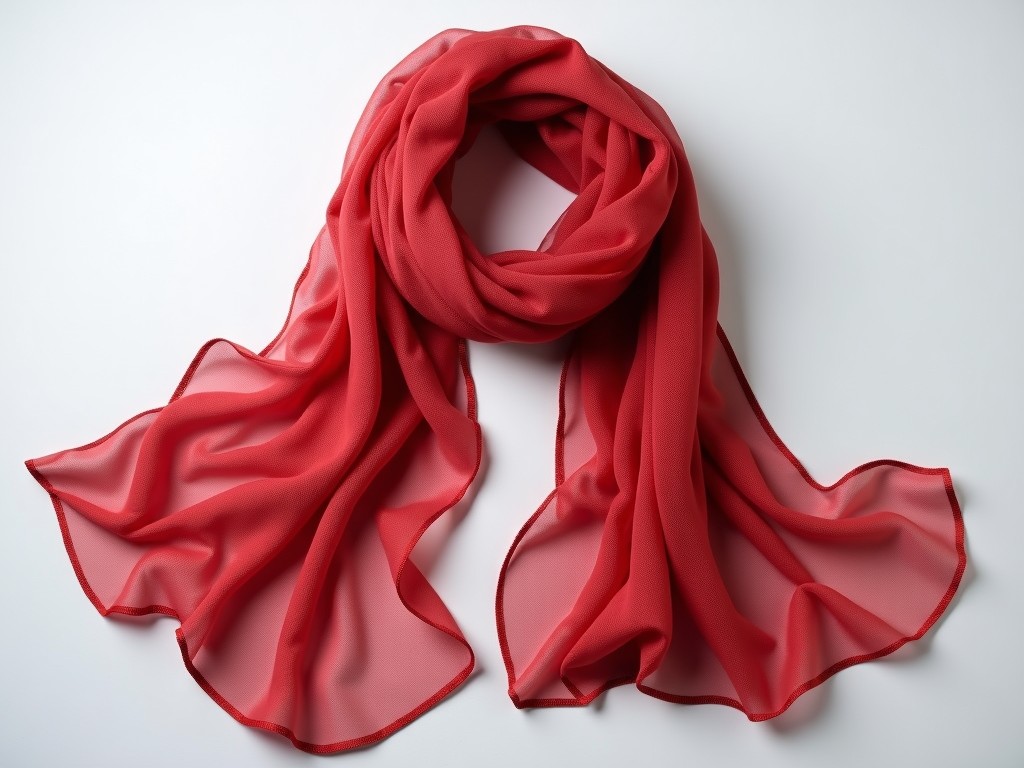


Ways To Wear A Men S Scarf
In industrial settings, a men's scarf serves functional purposes beyond aesthetics. It provides thermal regulation, protects against airborne particulates, and offers minor abrasion resistance in
Ways to Wear a Men's Scarf: Practical Applications in Industrial Environments
In industrial settings, a men's scarf serves functional purposes beyond aesthetics. It provides thermal regulation, protects against airborne particulates, and offers minor abrasion resistance in specific work zones. Understanding proper wearing techniques ensures effectiveness while maintaining safety compliance.
Primary Wearing Methods for Worksite Use
The drape method involves placing the scarf evenly around the neck with equal length on both sides, allowing quick adjustment for ventilation or added insulation. This technique minimizes entanglement risk near rotating machinery when kept snug but not tight. It is commonly used in maintenance bays and outdoor utility work where temperature fluctuates.
The once-around loop reduces excess fabric by pulling one end through the other at the neck, creating a single layer that stays secure during movement. This method lowers the chance of snagging on tools or equipment compared to longer drapes. It is preferred in confined spaces like valve pits or ductwork where mobility is restricted.
The reverse drape positions the scarf with the knot or loop at the back of the neck, keeping the ends forward over the chest. This configuration shields the sternum and upper abdomen from wind-driven debris or light splashes while allowing full neck mobility. It is often selected in material handling zones or open-yard operations.
Material Considerations for Industrial Scarves
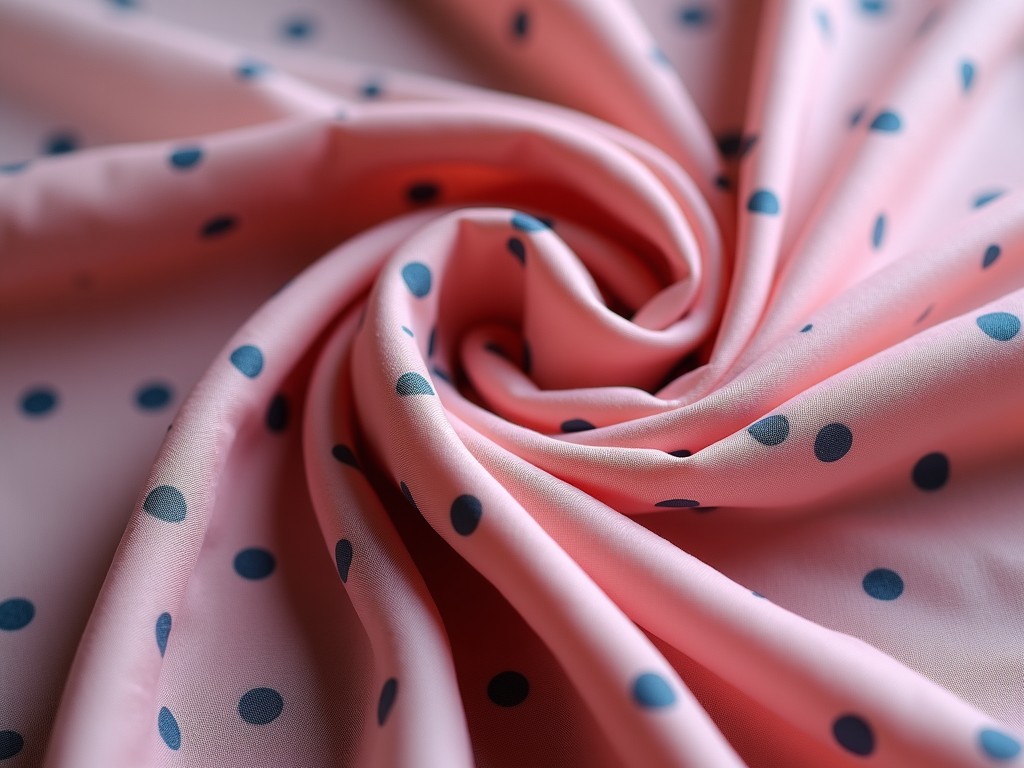
Wool blends retain insulating properties even when damp, making them suitable for refrigerated warehouse environments or outdoor winter shifts. Synthetic fibers like polyester resist moisture absorption and dry quickly after exposure to sweat or light precipitation, reducing skin irritation risk. Cotton variants offer breathability but lose thermal efficiency when wet, limiting use to dry, controlled indoor areas.
Flame-resistant treatments are available for scarfs used near welding stations or heat-intensive processes, though these add weight and reduce flexibility. Anti-static finishes prevent electrostatic discharge in electronics assembly areas but require periodic reapplication to maintain effectiveness. Always verify material compatibility with site-specific safety protocols before deployment.
Safety and Compatibility Guidelines
Scarf length should not exceed 140 cm when worn in proximity to conveyor belts, pulleys, or exposed shafts to minimize entanglement hazards. Ends must be secured or tucked when working near open flames or hot surfaces to prevent ignition. Regular inspection for fraying, thinning, or contamination is required; damaged units should be removed from service immediately.
In cleanroom or pharmaceutical environments, lint-free materials such as microfiber or tightly woven nylon are necessary to avoid particulate shedding. Color coding may be implemented to designate zones or roles—for example, high-visibility orange for traffic control personnel or navy blue for quality inspectors. These practices support visual management systems without compromising safety.
| Wearing Method | Best Use Case | Key Advantage | Risk Mitigation |
|---|---|---|---|
| Even Drape | Fluctuating outdoor temps | Quick adjustability | Keep ends <60cm each |
| Once-Around Loop | Confined spaces | Reduced snag risk | Ensure no loose ends |
| Reverse Drape | Wind/debris exposure | Front torso coverage | Avoid over-tightening |
| Knotted Chest | Static-sensitive areas | Controlled fabric placement | Use anti-static treated material |
Selection should align with task-specific environmental factors, including temperature range, airborne contaminants, and proximity to moving parts. Consult your site’s PPE guidelines or safety officer to confirm acceptable materials and wearing styles. For custom dimensions, treatments, or bulk orders, contact our technical team to discuss specifications.
Proper use of industrial scarves enhances worker comfort and protection without introducing avoidable risks. By matching the wearing method to the operational context, facilities can support both safety compliance and workforce well-being. Refer to internal training materials or request a site-specific assessment for optimal implementation.
Products
Related Products
News
Related News
2026-11-02
Cotton Voile Scarf Manufacturing and Performance Analysis how to make a cotton voile scarfCreating a professional-grade cotton voile scarf requires a precise balance of textile engineering and artisanal finishing. Unlike standard cotton weaves, voile is defined by its p···
2026-10-28
chiffon hijab Technical Production and Performance AnalysisSelecting the right fabric for a hijab involves a delicate balance between modesty, breathability, and aesthetic drape. For many women in Southeast Asia and the Middle East, the ma···
2026-10-26
custom silk scarf textile manufacturing and performance analysisSelecting a high-quality scarf is no longer just about color matching; it is an exercise in understanding how textile weight, drape, and print scale interact with individual facial···