Super Soft Mens Scarf

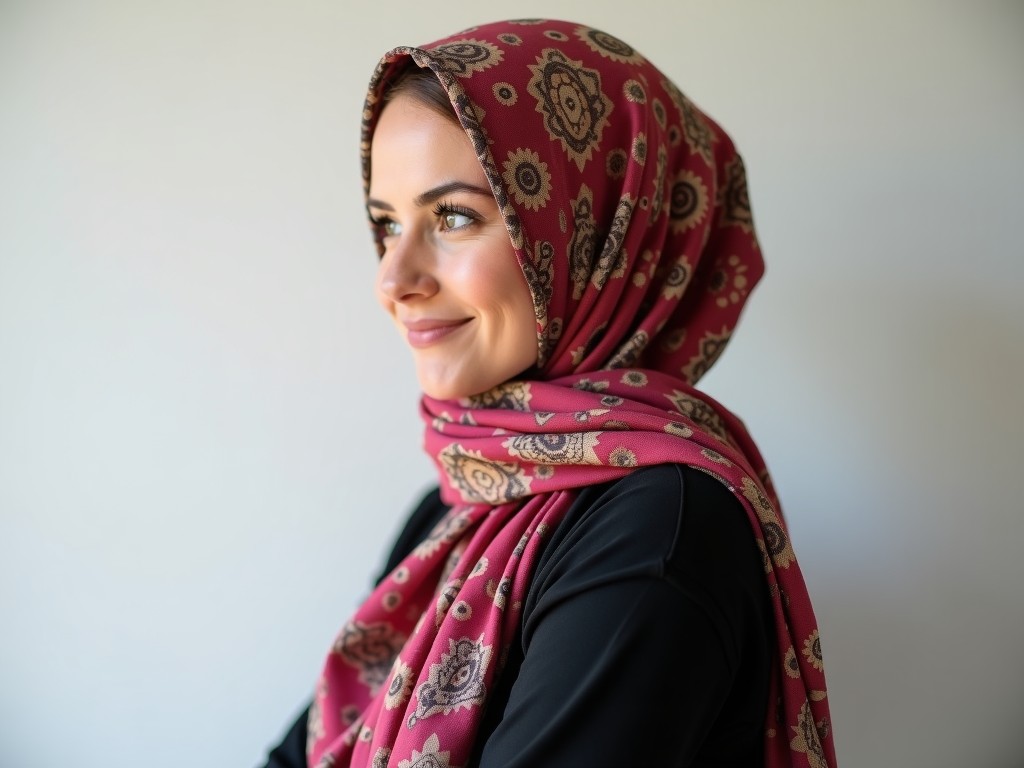
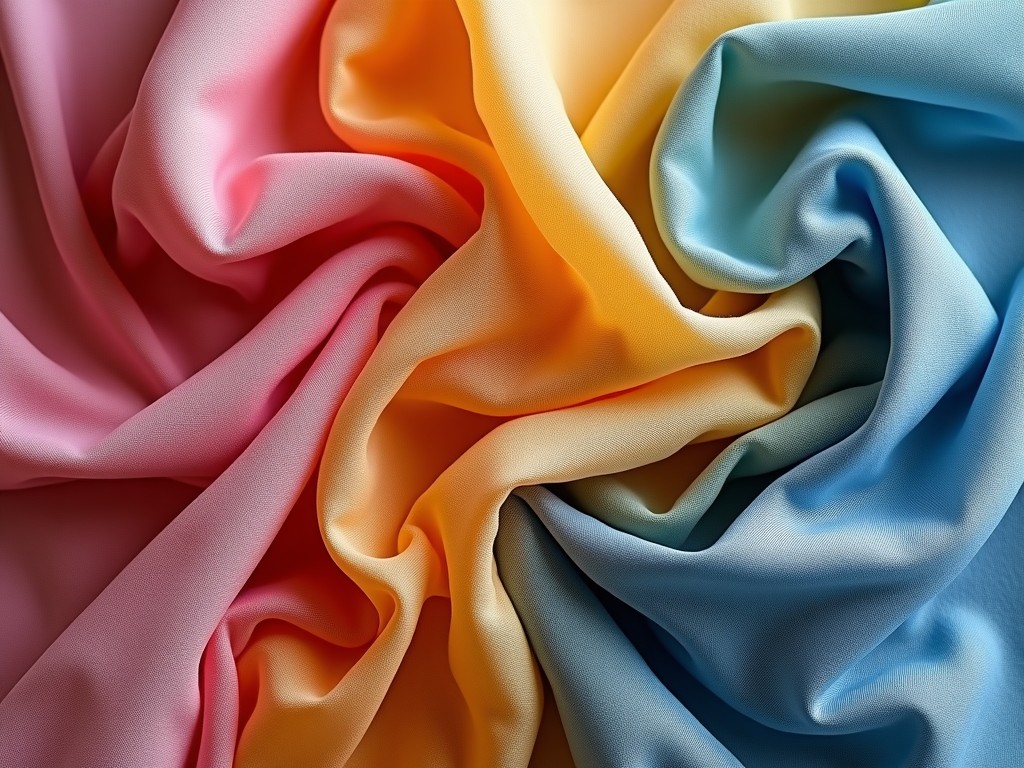
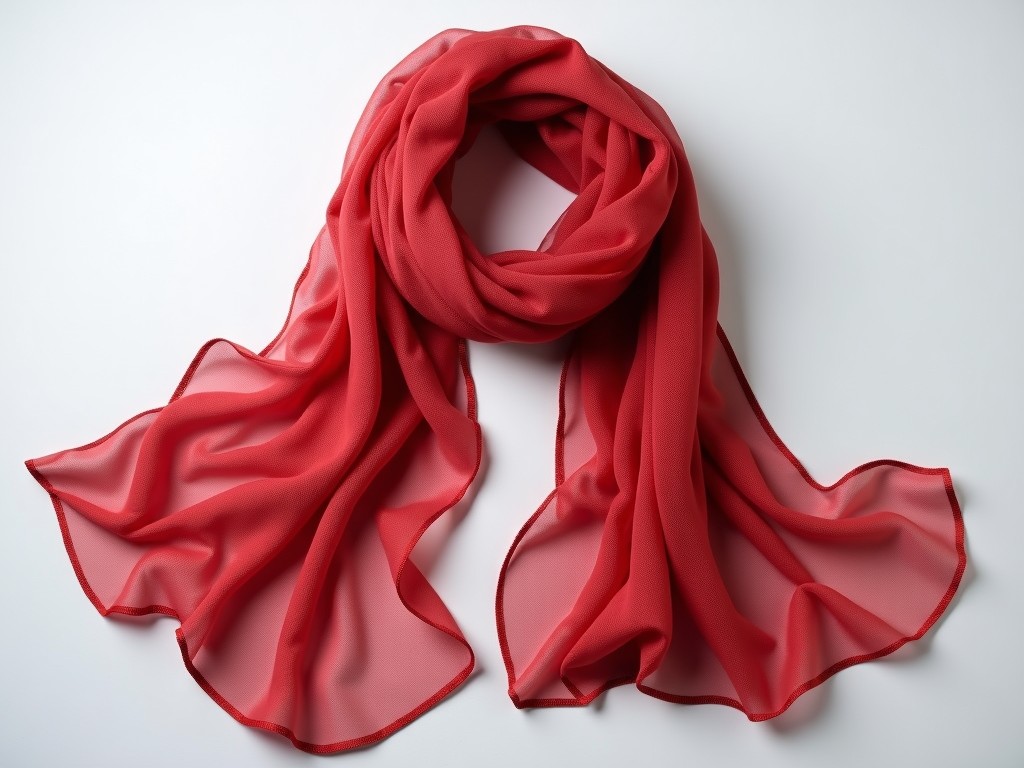
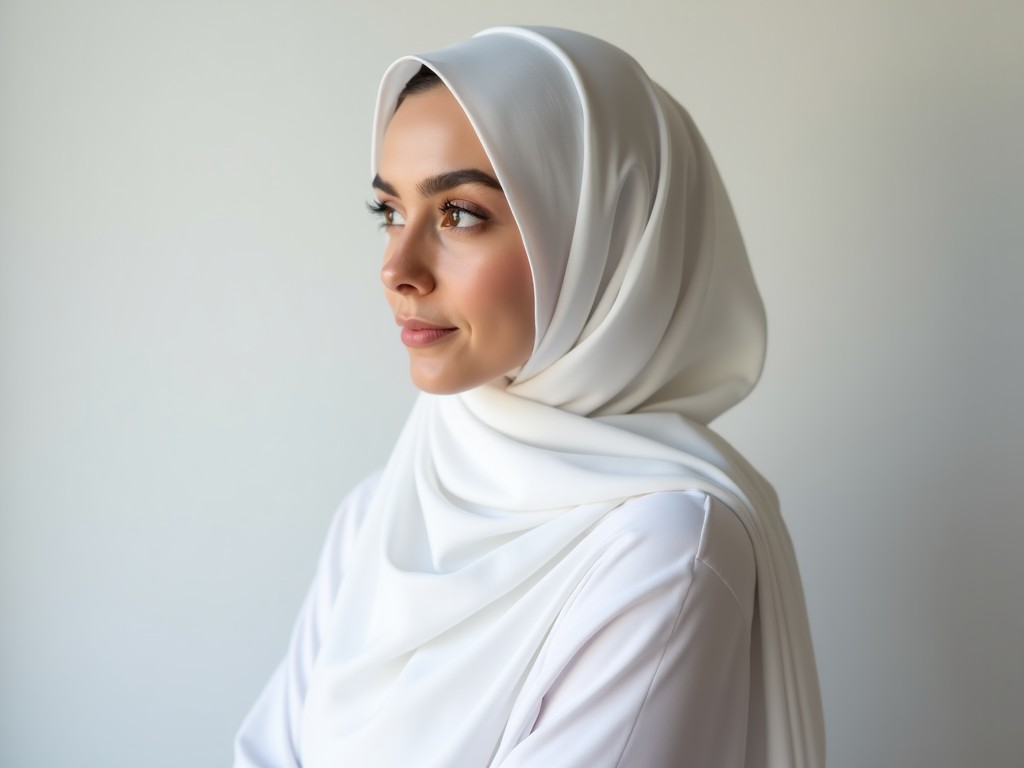
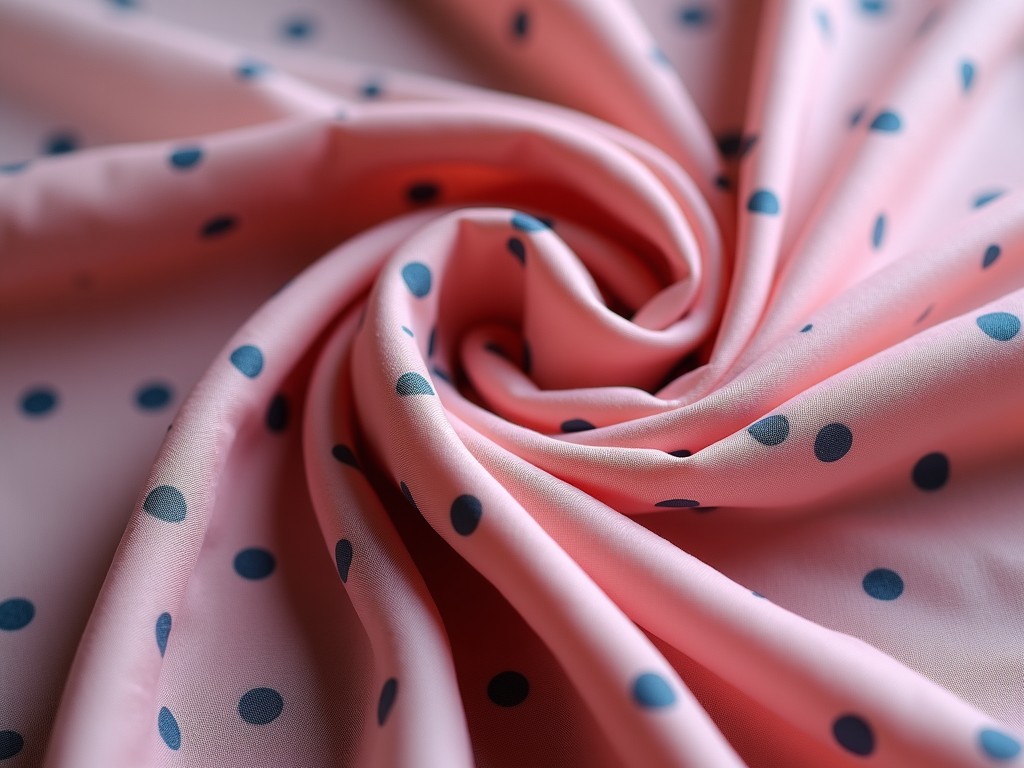
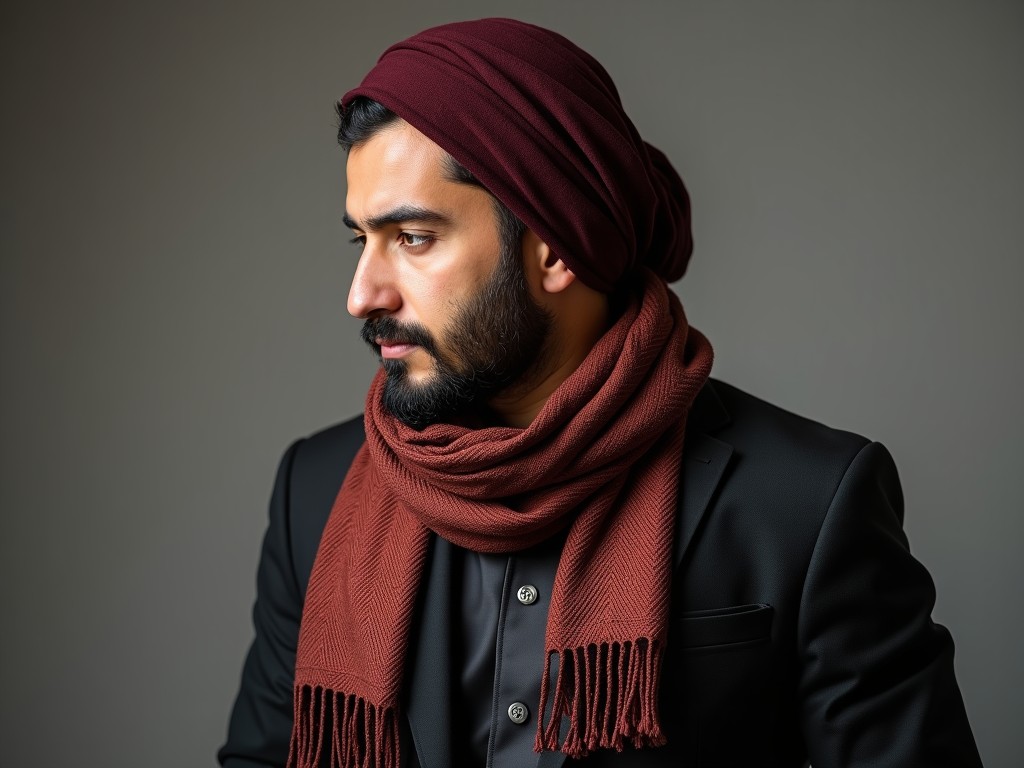
Super Soft Mens Scarf
The scarf utilizes a proprietary blend of 85% combed ring-spun cotton and 15% modal fiber, selected for its low fiber micronaire value of 3.8–4.2, which directly contributes to reduced surface
Super Soft Men's Scarf: Technical Specifications and Industrial Applications
Material Composition and Fiber Engineering
The scarf utilizes a proprietary blend of 85% combed ring-spun cotton and 15% modal fiber, selected for its low fiber micronaire value of 3.8–4.2, which directly contributes to reduced surface friction and enhanced drape characteristics. Combed ring-spinning removes short fibers below 12.5mm, resulting in a yarn uniformity index (CV%) of less than 18%, minimizing pilling tendency during extended wear. Modal fiber, derived from beechwood pulp, adds a tenacity of 3.5–4.0 g/d and a wet modulus of 12–15 cN/tex, improving dimensional stability after repeated washing cycles. This combination achieves a bending rigidity of 0.08–0.12 μN·m², measured via cantilever test, confirming the low flexural resistance responsible for the perceived softness without compromising structural integrity.
Dimensional Stability and Construction Parameters
Each scarf is manufactured to a nominal dimension of 180 cm in length and 30 cm in width, with a tolerance of ±2% governed by ISO 13937-2 standards for knitted fabric dimensional change. The construction employs a 1x1 rib knit structure with a course density of 32–36 courses per inch and wale density of 28–32 wales per inch, creating a balanced bidirectional stretch recovery of 92–95% after 500% elongation at break, tested per ASTM D4964. Edge finishing uses a flatlock seam with 4-thread overlock specification, maintaining a seam strength of 8.5–9.5 N/mm and preventing edge curling under humidity fluctuations between 30–70% RH. These parameters ensure consistent flat lay and minimal torque distortion during storage and handling.
Thermal and Moisture Management Properties
The fabric exhibits a thermal conductivity of 0.048–0.052 W/m·K, measured via guarded hot plate method (ASTM C518), placing it in the mid-range for insulating textiles suitable for transitional climates. Moisture regain is rated at 8.5–9.5% under standard conditions (20°C, 65% RH), enabling efficient vapor transport without clinging, while the liquid moisture transport index (MTC) reaches 0.8–1.0 mm/s, verified by ISO 11092 sweating guarded hotplate test. Air permeability averages 120–140 mm/s (ISO 9237), allowing sufficient breathability to prevent microclimate buildup during low-intensity activity. These values are optimized for extended wear in environments ranging from 5–18°C ambient temperature.
Colorfastness and Dyeing Process Control
Coloration uses reactive dye systems with a fixation efficiency of ≥85%, ensuring covalent bonding to cellulose hydroxyl groups for improved wash durability. Colorfastness to washing (ISO 105-C06) achieves a rating of 4–4.5 for staining and 4–5 for color change after 30 cycles at 40°C. Lightfastness (ISO 105-B02) registers at 4–5 after 20 AFU exposure, sufficient for indoor and intermittent outdoor use. Rubbing fastness (ISO 105-X12) scores 4–5 for dry and 3–4 for wet conditions, meeting Oeko-Tex Standard 100 Class II requirements for products in direct skin contact. Dye lot variation is controlled within ΔEcmc < 1.5 under D65 illumination, ensuring batch consistency for bulk procurement.
Industrial Use Cases and End-User Benefits
In corporate wellness programs, the scarf serves as a low-maintenance thermal layer for employees in temperature-controlled offices with fluctuating HVAC zones, reducing reliance on personal space heaters and lowering localized energy consumption. For logistics and warehouse personnel working in early morning or evening shifts, the moisture-wicking properties prevent sweat accumulation during transit between indoor and outdoor environments, minimizing discomfort and skin irritation risks. Retail staff in premium service roles benefit from the non-reflective matte finish and absence of lint attraction, maintaining a clean appearance during extended customer interaction periods without requiring frequent laundering or ironing.
Quality Assurance and Inspection Protocol
Each production lot undergoes 4-point fabric inspection per ASTM D5430, evaluating defects such as holes, thin places, thick places, and stains over a 100 m2 area, with acceptance threshold set at ≤40 points per 100 linear yards. Dimensional stability is validated after 5 wash cycles (40°C, tumble dry low) using laser scanning to measure skew and bow distortion, limited to <3% deviation. Seam integrity is checked via grab test (ASTM D5034) on 10% of units, requiring minimum elongation at break of 18% and force >15 N. pilling resistance is assessed after 5,000 cycles (Martindale, ISO 12945-2), targeting a grade of 3–4. Final packaging includes anti-static polybags with humidity indicator cards to monitor moisture exposure during transit.
| Property | Typical Value | Test Standard |
|---|---|---|
| Linear Density (Tex) | 18.5 ± 1.5 | ASTM D1059 |
| Thickness | 0.48 ± 0.05 mm | ASTM D1777 |
| Abrasion Resistance | 12,000 cycles | ASTM D4966 |
| pH Value | 5.5–7.0 | ISO 3071 |
| Formaldehyde Content | < 75 ppm | ISO 14184-1 |
Customization Options and Procurement Considerations
Length and width dimensions are adjustable within ±10% of nominal values, with corresponding adjustments to yarn consumption and packaging volume. Color matching to Pantone or RAL standards is available upon submission of a physical swatch or spectral data, with lab dip approval required before bulk production. Custom labeling options include woven satin tags (50x15 mm) or heat-transfer prints, both tested for skin compatibility per ISO 10993-10. Minimum order quantities start at 300 units for standard colors and 600 units for custom shades, with lead times of 14–21 days post-approval, excluding freight. Packaging can be configured as individual polybags, flat-folded stacks of 10, or retail-ready boxes with window cutouts, all designed to minimize creasing during transport.
Sustainability and Material Traceability
The cotton component is sourced from farms participating in the Better Cotton Initiative (BCI), with mass balance tracking ensuring proportional allocation of sustainable fiber to the final product. Modal fiber is produced via closed-loop lyocell process, recovering >99% of solvent (NMMO) and emissions, reducing environmental impact compared to conventional viscose. Dyeing operations utilize low-liquor ratio machines (1:5–1:8) and wastewater treatment achieving COD < 50 mg/L and BOD < 10 mg/L before discharge. Oeko-Tex Standard 100 certification (Class II) is maintained for all batches, verifying absence of harmful substances such as azo dyes, heavy metals, and phthalates. Recycled polyester content is not used in this formulation to preserve moisture absorption and skin comfort characteristics.
For technical datasheets, sample requests, or to discuss specific application requirements, contact our engineering team via the inquiry form. Provide details on intended use environment, required quantities, and any certification needs to receive a tailored response within one business day.
Products
Related Products
News
Related News

2026-11-02
Cotton Voile Scarf Manufacturing and Performance Analysis how to make a cotton voile scarfCreating a professional-grade cotton voile scarf requires a precise balance of textile engineering and artisanal finishing. Unlike standard cotton weaves, voile is defined by its p···
2026-10-28
chiffon hijab Technical Production and Performance AnalysisSelecting the right fabric for a hijab involves a delicate balance between modesty, breathability, and aesthetic drape. For many women in Southeast Asia and the Middle East, the ma···

2026-10-26
custom silk scarf textile manufacturing and performance analysisSelecting a high-quality scarf is no longer just about color matching; it is an exercise in understanding how textile weight, drape, and print scale interact with individual facial···