Scarf For Men In Winter



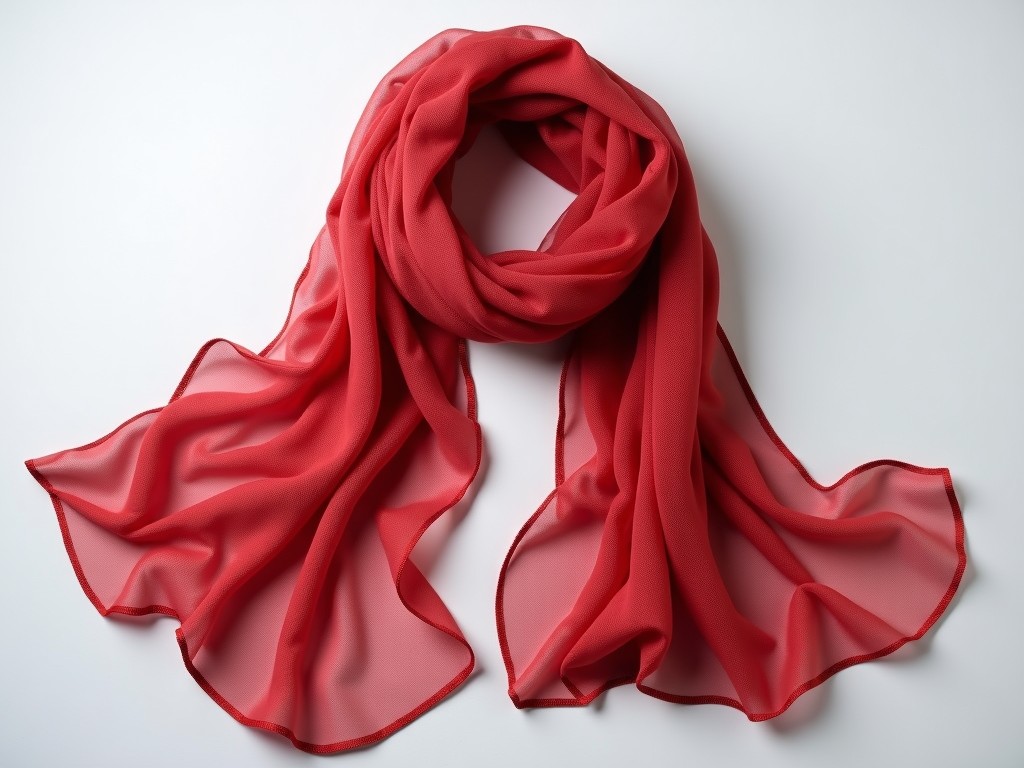


Scarf For Men In Winter
Men's winter scarves designed for industrial and outdoor work environments require specific thermal performance characteristics to maintain operational effectiveness in cold conditions. Unlike
Winter Scarf for Men: Technical Specifications and Industrial Applications
Men's winter scarves designed for industrial and outdoor work environments require specific thermal performance characteristics to maintain operational effectiveness in cold conditions. Unlike fashion-oriented accessories, these products are evaluated based on measurable heat retention properties, moisture management capabilities, and durability under repeated mechanical stress. The primary function is to prevent convective heat loss from the neck and upper torso while allowing sufficient vapor transmission to avoid condensation buildup during physical exertion.
Thermal resistance (R-value) is the critical performance metric, typically ranging from 0.35 to 0.60 m²·K/W for effective winter protection in temperatures down to -15°C. This range corresponds to materials with sufficient loft and fiber density to trap stagnant air layers without excessive bulk that would interfere with safety equipment or mobility. Air permeability must be balanced—low enough to reduce wind chill effects (<5 mm/s) but high enough to permit moisture vapor transfer (>800 g/m²/24h) to prevent skin cooling from sweat accumulation.
Material Composition and Structural Design
Industrial winter scarves commonly utilize either synthetic fleece (100% polyester, 200-300 gsm) or Merino wool blends (60-80% wool, 20-40% synthetic). Polyester fleece provides consistent thermal performance when wet, retains 80% of dry R-value at 50% moisture content, and dries within 2-3 hours under ambient conditions. Merino wool offers superior odor resistance and maintains thermal efficiency across wider humidity ranges but requires more careful laundering to prevent felting.
Construction methods significantly affect performance. Double-layer knitted structures with brushed interiors create higher effective R-values than single-layer equivalents at identical weights due to increased trapped air volume. Flatlock seams reduce bulk and prevent chafing points, while reinforced end treatments (typically 2-3 cm of folded and stitched hem) prevent fraying during prolonged use. Optimal dimensions for industrial use are 160-180 cm length and 20-25 cm width—sufficient for multiple wrapping configurations without creating entanglement hazards near machinery.
Performance Testing and Validation Criteria
Quality assurance for industrial thermal accessories follows standardized testing protocols. Thermal resistance is measured using ASTM F1291 or ISO 11092 equivalents on conditioned specimens (20°C, 65% RH). Air permeability adheres to ASTM D737, and moisture vapor transmission rate (MVTR) follows ASTM E96 B procedure. Dimensional stability after 5 washing cycles at 40°C must remain within ±3% to ensure consistent fit and performance over the product lifecycle.
Abrasion resistance is evaluated per ASTM D3884 (Taber Abrader) with a target of >10,000 cycles before noticeable surface degradation for products intended for high-contact environments. Colorfastness to light (ISO 105-B02) and washing (ISO 105-C06) must achieve minimum ratings of 4 on the grey scale to maintain professional appearance. These metrics provide objective baselines for comparing material options and validating manufacturer claims.
Application-Specific Selection Logic
In utility maintenance and telecommunications work, where workers frequently transition between heated vehicles and outdoor exposure, moisture management becomes paramount. Synthetic fleece is preferred here due to its rapid drying characteristics and consistent insulation when damp from snow or light rain. The ability to maintain thermal performance after repeated wetting/drying cycles reduces the need for frequent garment changes during shifts.
For stationary outdoor roles such as security monitoring or traffic control in sub-zero conditions, maximum thermal resistance takes priority. Dense Merino wool blends or high-pile fleece constructions (300-400 gsm) provide superior static insulation, though they require scheduled drying intervals during prolonged use. Workers in these roles often benefit from scarves with adjustable tension systems (e.g., integrated cord locks) to optimize fit without compromising circulation.
In environments with potential spark exposure (welding vicinities, grinding operations), material flammability ratings become critical. Modacrylic-treated synthetics or inherently flame-resistant wool blends meeting ASTM F1506 or NFPA 70E standards are specified, even if they carry a slight thermal performance trade-off. The reduction in ignition risk justifies the minor decrease in R-value for these high-hazard applications.
Comparative Material Properties
| Property | Polyester Fleece (200 gsm) | Merino Wool Blend (70/30) | High-Pile Fleece (300 gsm) |
|---|---|---|---|
| Dry R-value (m²·K/W) | 0.42 | 0.48 | 0.55 |
| R-value at 50% moisture | 0.34 | 0.41 | 0.45 |
| MVTR (g/m²/24h) | 950 | 800 | 700 |
| Air permeability (mm/s) | 4.2 | 3.8 | 3.1 |
| Abrasion resistance (k cycles) | 12.0 | 8.5 | 15.0 |
| Drying time (hrs, 20°C/65% RH) | 2.5 | 4.0 | 3.0 |
Typical values based on standardized testing; actual performance varies with specific construction and finishing treatments. All materials assume 100% polyester face unless otherwise noted for wool blends.
Customization and Procurement Considerations
Industrial buyers can specify dimensions within standard ranges (length: 150-200 cm; width: 18-30 cm) to accommodate different wrapping techniques or compatibility with specific PPE systems. Weight options typically span 180-400 gsm, allowing thermal performance tuning without redesigning the base construction. End treatments include plain hem, rolled edge with bar tack, or integrated fleece tabs for secure fastening—each affecting both durability and donning speed.
Color selection follows functional rather than aesthetic priorities. High-visibility options (fluorescent yellow/orange with reflective strips meeting EN ISO 20471) are available for roadside or low-light operations. Darker colors (navy, charcoal, black) minimize visible soiling in industrial environments but absorb more solar radiation—relevant for intermittent sun exposure scenarios. Custom logos or identifiers can be applied via embroidery or thermal transfer, provided the process does not compromise the fabric's breathability or thermal integrity in the decorated area.
Minimum order quantities for customized specifications typically start at 100 units, with lead times of 3-4 weeks for standard materials and 5-6 weeks for specialty flame-resistant or high-visibility variants. Sample evaluation is recommended prior to bulk purchase, focusing on real-world wear trials rather than laboratory metrics alone to validate comfort and functional suitability in actual working conditions.
Quality Assurance and Lifecycle Management
Industrial procurement requires verifiable quality control beyond initial product receipt. Recommended incoming inspection includes random sampling for dimensional verification (±2% tolerance), spot testing of MVTR using portable vapor permeability kits, and visual inspection for stitch integrity (maximum 3 loose threads per 10 cm seam). Ongoing performance tracking through user feedback logs helps identify degradation patterns—such as pilling rates exceeding 5% after 20 wash cycles—or seam failure under specific stress conditions.
Expected service life ranges from 12-24 months under regular industrial use, depending on material choice and exposure severity. Polyester fleece typically shows gradual performance decline due to fiber matting, while wool blends may exhibit edge fraying before significant thermal loss. Replacement schedules should correlate with observed performance metrics rather than fixed intervals, using measurable indicators like R-value retention below 80% of original or MVTR dropping under 500 g/m²/24h as actionable thresholds.
Technical Inquiry and Specification Support
Engineering teams requiring detailed material data sheets, test reports, or assistance with thermal modeling for specific environmental conditions should contact technical specialists directly. Provide operational parameters including average ambient temperature, wind exposure levels, activity intensity (metabolic rate), and duration of continuous exposure for accurate performance projections. Documentation such as ISO 9001 certification, material safety data sheets (where applicable), and test method summaries are available upon request to support supplier qualification processes.
For integration into broader PPE systems or uniform programs, compatibility testing with hard hat liners, balaclavas, or jacket collars can be arranged to ensure no interference with fit or function. Volume pricing structures exist for recurring orders, with price breaks typically at 500, 1000, and 2500 units. All specifications are subject to validation against the end-use risk assessment to ensure the selected solution adequately addresses the identified thermal hazards without introducing secondary risks.
Products
Related Products
News
Related News
2026-11-02
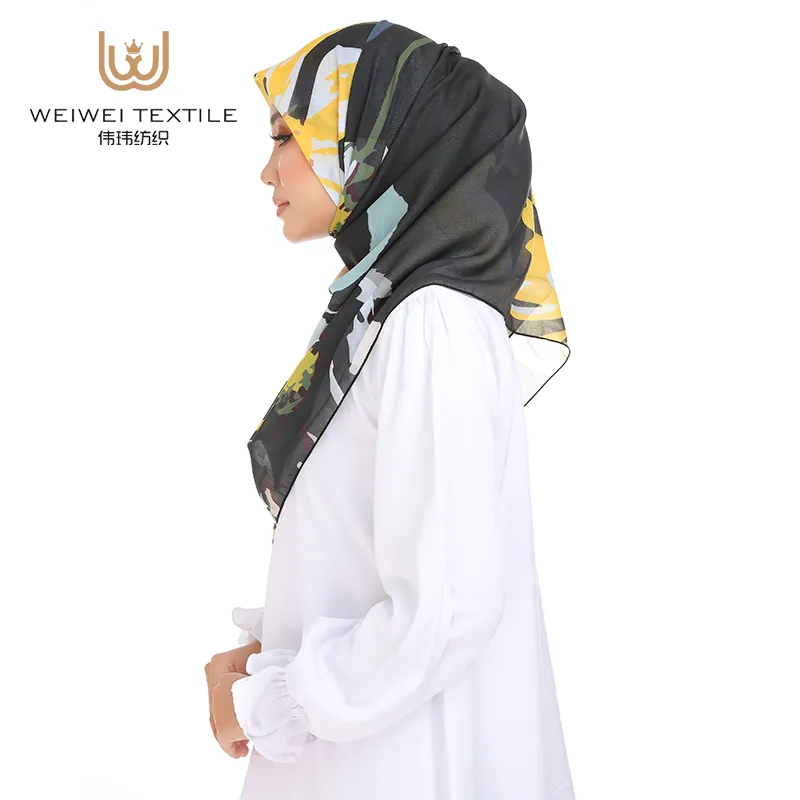
Cotton Voile Scarf Manufacturing and Performance Analysis how to make a cotton voile scarfCreating a professional-grade cotton voile scarf requires a precise balance of textile engineering and artisanal finishing. Unlike standard cotton weaves, voile is defined by its p···
2026-10-28
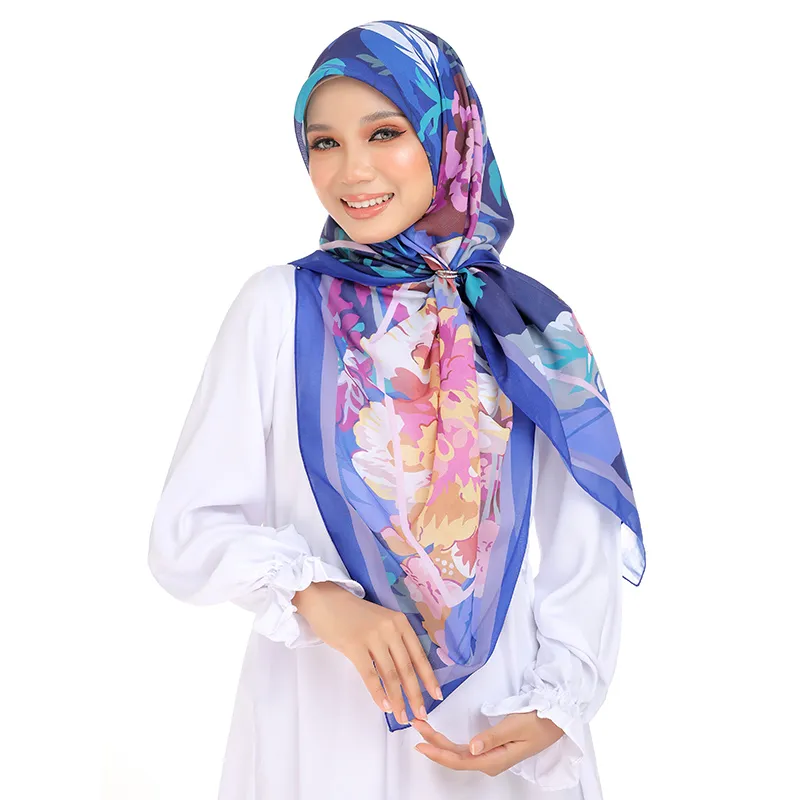
chiffon hijab Technical Production and Performance AnalysisSelecting the right fabric for a hijab involves a delicate balance between modesty, breathability, and aesthetic drape. For many women in Southeast Asia and the Middle East, the ma···
2026-10-26
custom silk scarf textile manufacturing and performance analysisSelecting a high-quality scarf is no longer just about color matching; it is an exercise in understanding how textile weight, drape, and print scale interact with individual facial···