Printed Scarf For Men

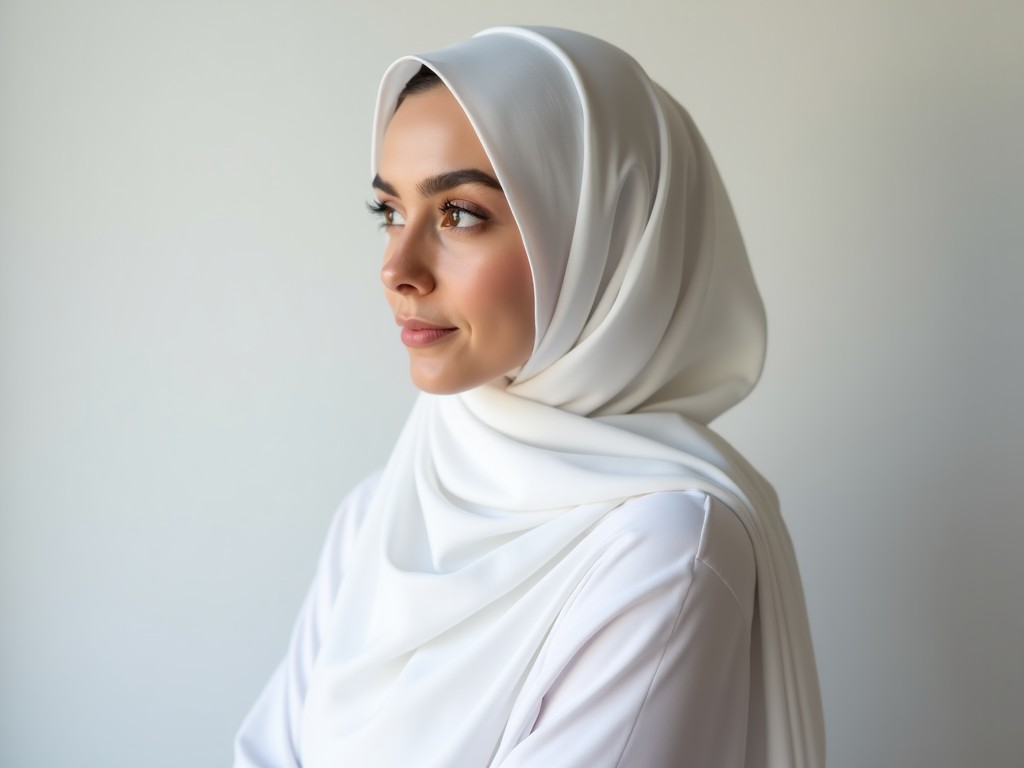
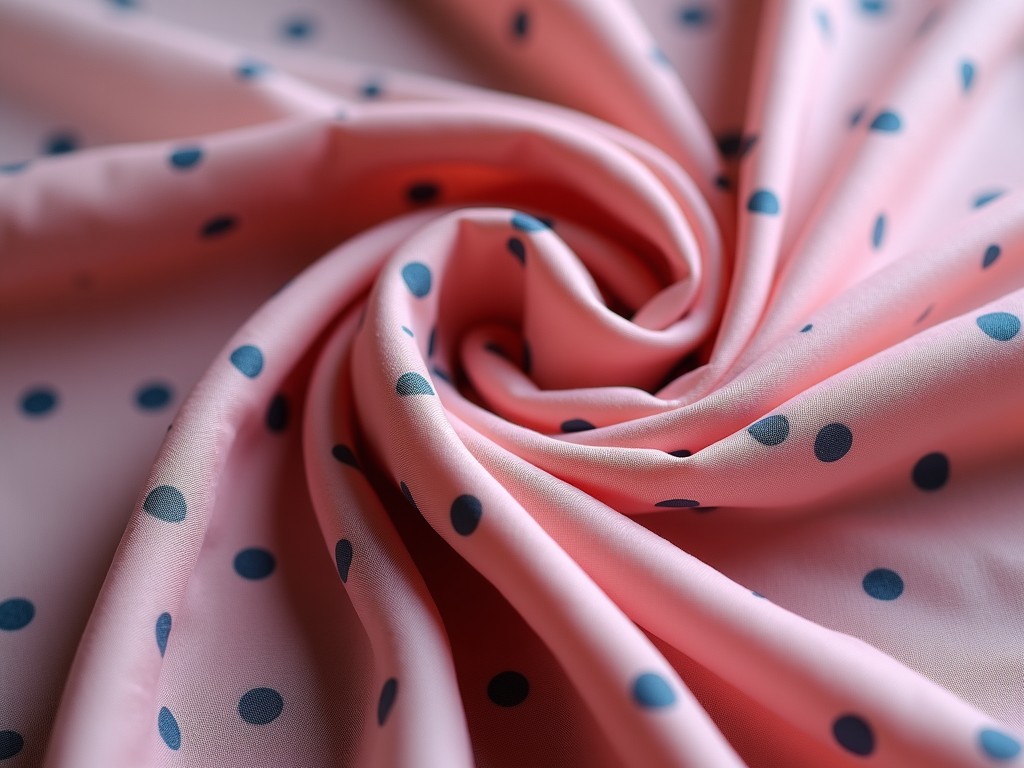
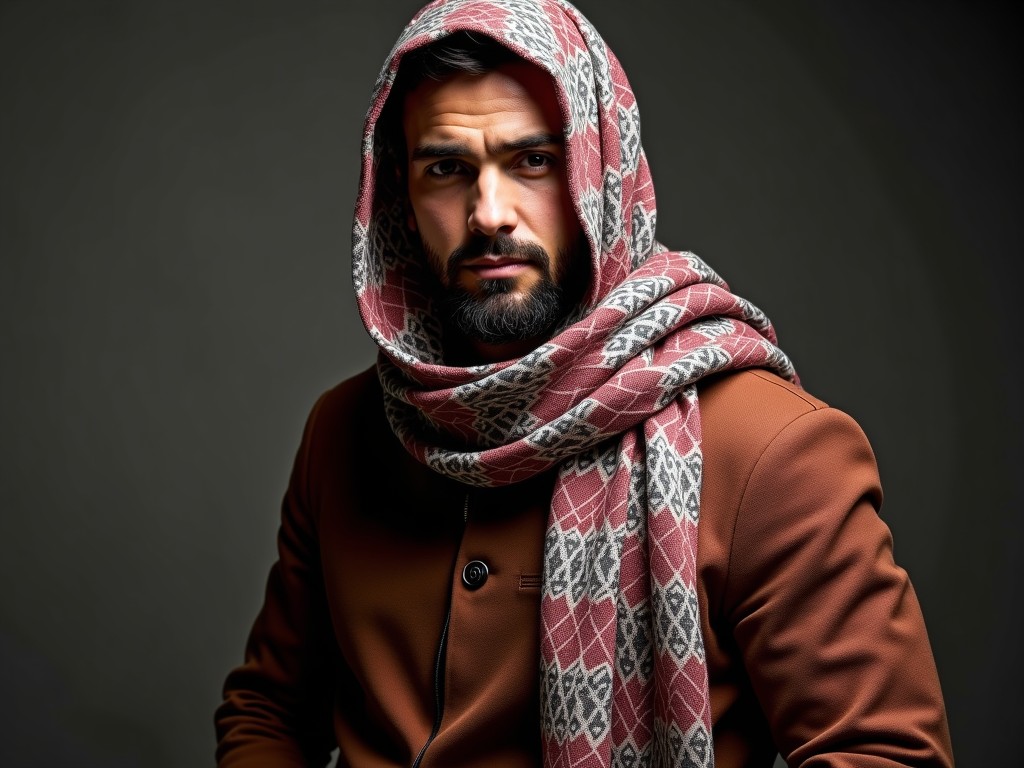
Printed Scarf For Men
Men's printed scarves are textile accessories designed for thermal regulation, UV protection, and visual identification in professional and industrial environments. Unlike fashion-focused variants,
Printed Scarf for Men
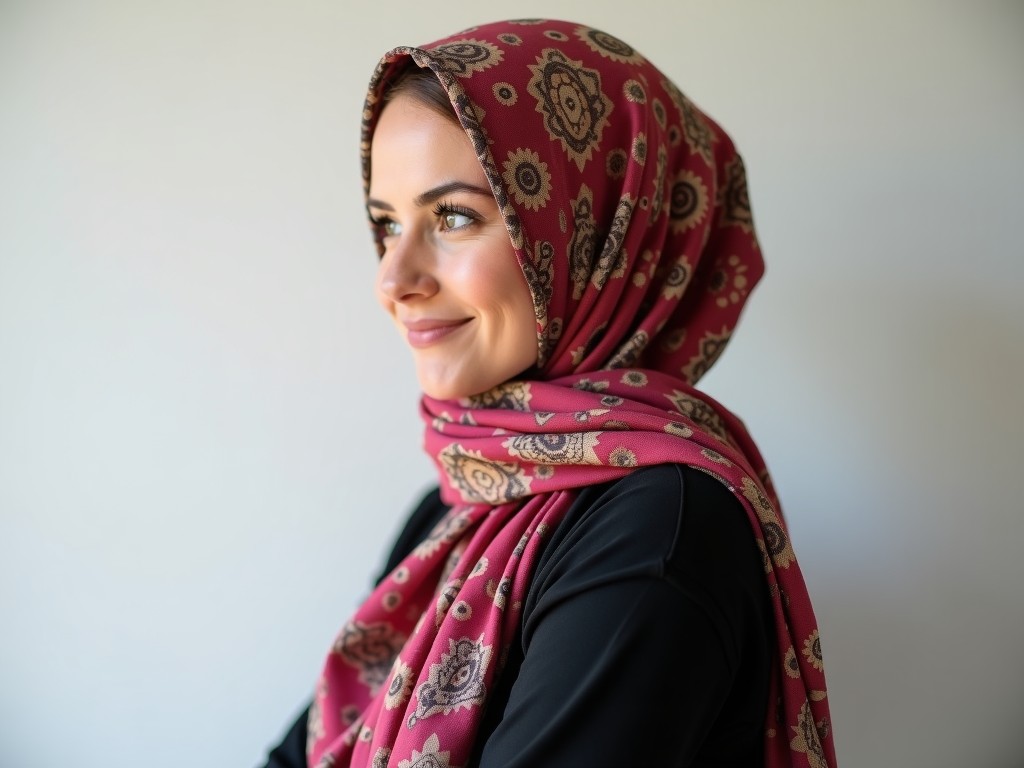
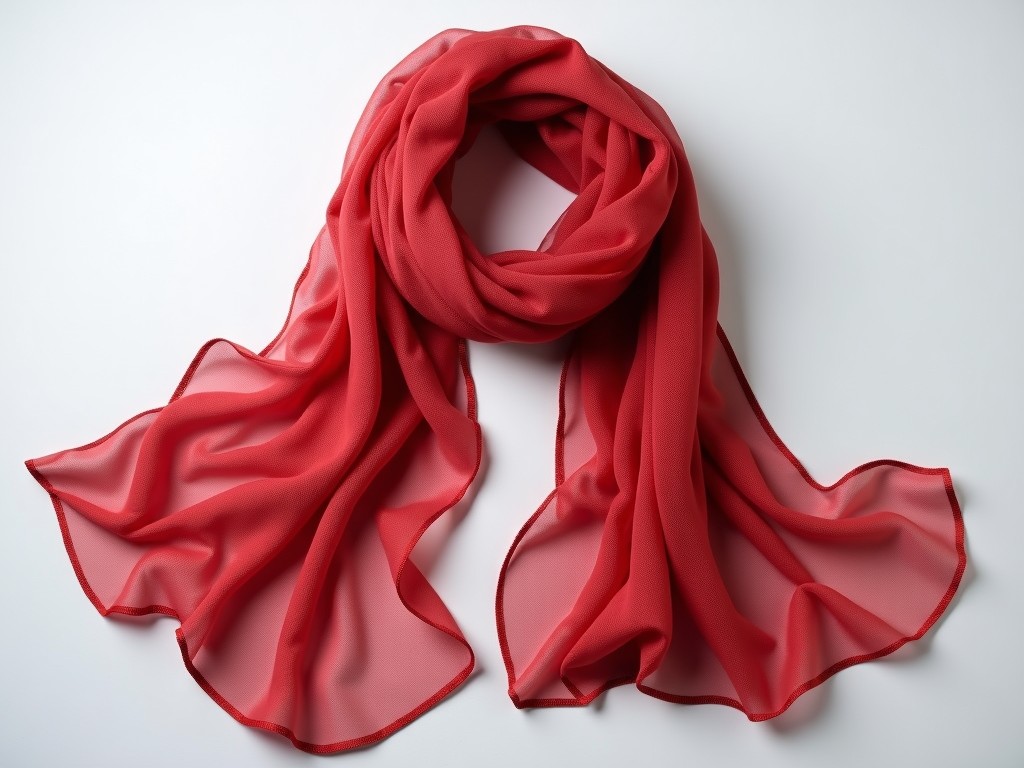
Men's printed scarves are textile accessories designed for thermal regulation, UV protection, and visual identification in professional and industrial environments. Unlike fashion-focused variants, industrial-grade printed scarves prioritize dimensional stability, colorfastness under exposure, and compatibility with layered workwear systems. The printing process integrates pigment or dye directly into the fiber structure to prevent delamination, cracking, or fading during repeated washing, abrasion, or prolonged outdoor use. Material selection and print methodology are determined by the operational hazards and environmental conditions of the intended application.
These scarves serve as functional components in personal protective equipment (PPE) ensembles where visibility, identification, or contamination control is required. In logistics, printing enables rapid visual sorting of personnel by zone or role without relying on verbal communication. In cleanroom or laboratory settings, printed patterns can indicate hygiene status or shift rotation while maintaining low-linting properties. The design avoids loose threads, bulky seams, or non-breathable laminates that could compromise safety or comfort during extended wear. Each specification is evaluated for its impact on mobility, heat stress, and interface with other PPE such as respirators, hard hats, or safety glasses.
Durability is measured by standardized test methods including ISO 105-B02 for lightfastness, ISO 105-C06 for washing resistance, and ISO 105-X12 for rubbing fastness. A rating of 4 or higher on the gray scale indicates minimal color change after 20+ wash cycles or 80+ hours of UV exposure. Tensile strength retention after washing must exceed 80% of baseline to ensure structural integrity. These metrics are critical for procurement decisions where replacement frequency and lifecycle cost directly affect operational budgets. Scarves failing to meet these thresholds are unsuitable for industrial reuse programs.
Material Construction and Performance
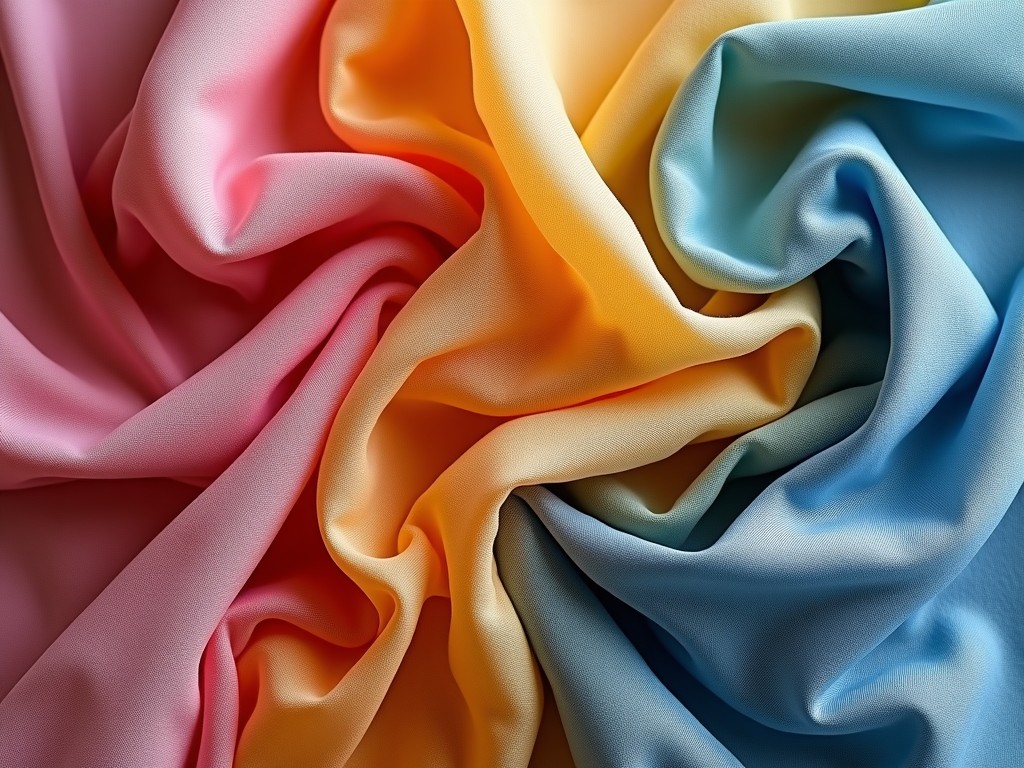
Base fabrics are selected based on breathability, moisture management, and resistance to specific contaminants. Common options include 100% combed cotton (140–180 gsm) for moderate climates, polyester-cotton blends (65/35, 160–200 gsm) for wrinkle resistance and quick drying, and technical aramid-modacrylic blends for flame-resistant environments. Each fabric undergoes pre-treatment to remove oils and stabilizers that could inhibit dye bonding. The weight and weave tightness are chosen to balance airflow with opacity — typically 80–120 threads per inch warp and weft — to prevent translucency under bright light while maintaining comfort.
Printing methods vary by fiber type and required permanence. Reactive dye printing is used on cellulose fibers (cotton, viscose) for covalent bonding that resists fading and bleeding. Disperse dye sublimation is applied to polyester-rich blends, where ink transitions to gas and bonds within the polymer matrix under heat and pressure. Pigment printing with thermoplastic binders is used for multi-fiber fabrics when dye compatibility is limited, though it requires a curing step to achieve adequate wash resistance. All methods are evaluated for crocking (dry/wet transfer) using AATCC Test Method 8, with acceptable results showing no visible transfer after 10 cycles.
Edge finishing prevents fraying and maintains dimensional stability. Options include overlock stitching (3–4 thread, 5–6 mm width), ultrasonic sealing for synthetic fabrics, or heat-cutting with tapered edges for cleanroom use. Seam placement avoids high-flex zones such as the neck curve to reduce fatigue-induced tearing. Dimensional stability is verified via ISO 6330: after five wash cycles at 60°C, length and width change must remain under 3%. Any deviation beyond this threshold indicates inadequate pre-shrinking or unstable construction, increasing the risk of distortion during use.
Customization and Design Integration
Customization extends beyond aesthetics to include functional coding. Printed elements can encode QR codes for digital access to safety protocols, barcodes for inventory tracking, or standardized symbols (e.g., ISO 7010) for hazard communication. These are positioned in low-wear zones — typically the lower outer corner or along the hem — to minimize abrasion during handling. Line width and contrast ratio are optimized for machine readability: minimum 0.3 mm line thickness and 70% luminance difference between symbol and background under 500 lux illumination. Testing confirms readability after 30 wash cycles when using laser-engraved masters and UV-stable inks.
Color matching follows Pantone+ Solid Coated or RAL Classic systems to ensure consistency across production batches. Spectrophotometric verification (ΔE < 2.0) is conducted under D65 lighting to eliminate metamerism risks. For large orders, a lab-dip approval process is standard: a 10×10 cm swatch is produced and evaluated under controlled lighting before full-scale printing. This step prevents costly rework due to shade variation, particularly important when scarves are used for team identification where color consistency affects recognition accuracy.
Size scalability accommodates diverse anthropometrics. Standard dimensions range from 160×20 cm (youth/slim fit) to 180×25 cm (standard adult) and 200×30 cm (oversized for layering over bulky gear). Length is measured along the centerline; width is taken perpendicular at the midpoint. Tolerance is ±1.5 cm on length and ±1.0 cm on width. Custom lengths are available upon request for specialized applications such as full-torso coverage in arc-flash scenarios or neck gaiter conversion in high-wind environments. All sizes maintain aspect ratio to preserve print alignment and avoid distortion.
Quality Control and Testing Protocol
Quality assurance begins with raw material verification. Each fabric lot undergoes tensile strength (ASTM D5034), tear resistance (ASTM D1424), and pilling resistance (ASTM D3512) testing before cutting. Only materials meeting minimum thresholds — e.g., tensile strength > 25 N for cotton, > 35 N for polyester blends — are released to production. In-process checks include print registration accuracy (≤1.0 mm misalignment), ink density uniformity (measured via reflectance densitometer), and edge seal integrity. Any deviation triggers isolation of the batch for root cause analysis.
Finished goods are sampled per ANSI/ASQ Z1.4 (inspection level II, AQL 1.0 for major defects, 2.5 for minor). Major defects include color bleeding, incomplete print transfer, holes, or seam failure. Minor defects consist of slight shade variation (ΔE 2.0–3.5), isolated lint, or offset printing under 2.0 mm. Each batch is accompanied by a test report summarizing wash fastness (3 cycles at 40°C), lightfastness (80 hours xenon arc), and dimensional stability. Reports are retained for 36 months and available upon request for audit purposes.
Packaging protects against contamination and creasing during transit. Scarves are folded to a uniform 20×10 cm profile, interleaved with acid-free tissue if required, and packed in polyethylene bags (50–75 μm thickness) with desiccant packs for humidity control. Cartons are double-wall corrugated (ECT 32+), sealed with pressure-sensitive tape, and labeled with batch number, quantity, and handling instructions. For export, ISPM 15-compliant pallets are used, and corner boards prevent edge damage. Shock and tilt indicators may be added for high-value or sensitivity-critical shipments.
Applications in Industrial Environments
In manufacturing facilities, printed scarves support zone segregation by assigning specific patterns to production lines, reducing cross-contamination risk between processes. For example, a diagonal stripe may indicate assembly area access, while a solid color denotes packaging zone eligibility. This visual system reduces reliance on badges or verbal checks, improving throughput in high-noise environments where communication is impaired. The scarf’s low profile ensures it does not interfere with overhead conveyors or robotic arms.
Utilities and field service teams use printed scarves for role identification during outage response or maintenance operations. A high-visibility fluorescent base (e.g., neon yellow) with contrasting printed text (e.g., “ELECTRICAL”) allows rapid recognition from 10+ meters under low-light conditions. The print remains legible after exposure to rain, oil, or UV degradation due to the use of UV-stabilized pigments and hydrophobic fabric treatments. Unlike vests or jackets, scarves do not add significant bulk when layered under harnesses or tool belts.
Food processing and pharmaceutical plants utilize low-linting, bleach-resistant printed scarves as part of hygiene zoning protocols. Dark-colored bases (e.g., navy, charcoal) with light-colored printed identifiers (e.g., white or yellow) make lint accumulation visually apparent during inspection. The fabric withstands repeated exposure to chlorine-based sanitizers (50–200 ppm) without strength loss or discoloration. Printing avoids antimicrobial additives that could migrate into product zones, relying instead on physical barrier design and scheduled laundering for contamination control.
| Parameter | Typical Range | Test Standard |
|---|---|---|
| Fabric Weight | 140–200 gsm | ISO 3801 |
| Tensile Strength (Warp) | 25–45 N | ASTM D5034 |
| Colorfastness to Light | Gray Scale 4–5 | ISO 105-B02 |
| Colorfastness to Washing | Gray Scale 4–5 | ISO 105-C06 |
| Dimensional Change (After 5 Washes) | < 3% | ISO 6330 |
| Seam Strength | > 18 N | ASTM D1683 |
Lead time for standard printed scarves is typically 10–15 business days after artwork approval and lab-dip confirmation. Custom fabric sourcing, special finishes (e.g., flame retardant, antimicrobial), or complex multi-color registration may extend this to 18–25 days. Expedited options are available for critical projects, subject to production capacity and material availability. Sample requests require a technical specification sheet detailing intended use, exposure conditions, and required performance criteria. Samples are produced using the same processes as full production to ensure representativeness.
Minimum order quantities vary by fabric type and printing method. Reactive dye printing on cotton typically requires 50 units per design/colorway due to setup and cleaning cycles. Disperse sublimation on polyester allows lower minimums (20 units) as it uses digital transfer with minimal waste. Pigment printing accommodates runs as low as 10 units for prototyping but may require higher unit pricing due to batch inefficiencies. All MOQs are negotiable based on annual commitment and product standardization.
To initiate a quotation, provide: intended application, environmental exposure (UV, chemicals, temperature), required durability (wash cycles, abrasion), preferred fabric composition, print complexity (number of colors, detail level), and any regulatory requirements (e.g., OEKO-TEX, REACH, ISO 13688). Include artwork in vector format (AI, EPS, SVG) with Pantone or CMYK specifications. Raster images must be 300 DPI or higher at final size. Upon receipt, a feasibility review will confirm printability, material suitability, and estimated timeline before formal quoting.
Products
Related Products
News
Related News

2026-11-02
Cotton Voile Scarf Manufacturing and Performance Analysis how to make a cotton voile scarfCreating a professional-grade cotton voile scarf requires a precise balance of textile engineering and artisanal finishing. Unlike standard cotton weaves, voile is defined by its p···
2026-10-28
chiffon hijab Technical Production and Performance AnalysisSelecting the right fabric for a hijab involves a delicate balance between modesty, breathability, and aesthetic drape. For many women in Southeast Asia and the Middle East, the ma···

2026-10-26
custom silk scarf textile manufacturing and performance analysisSelecting a high-quality scarf is no longer just about color matching; it is an exercise in understanding how textile weight, drape, and print scale interact with individual facial···