Oem Winter Yashmagh Scarf For Men




Oem Winter Yashmagh Scarf For Men
The OEM winter yashmagh scarf for men is a traditional head and neck covering engineered for thermal protection in sub-zero environments. Constructed from tightly woven wool-blend fabrics, it
OEM Winter Yashmagh Scarf for Men
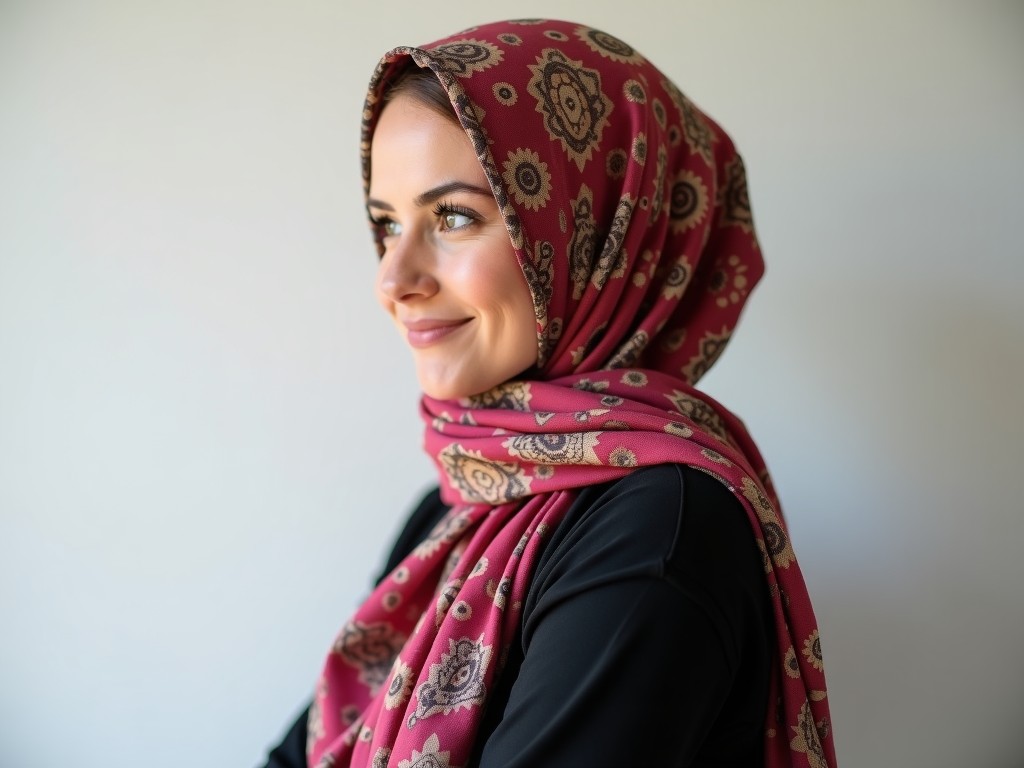
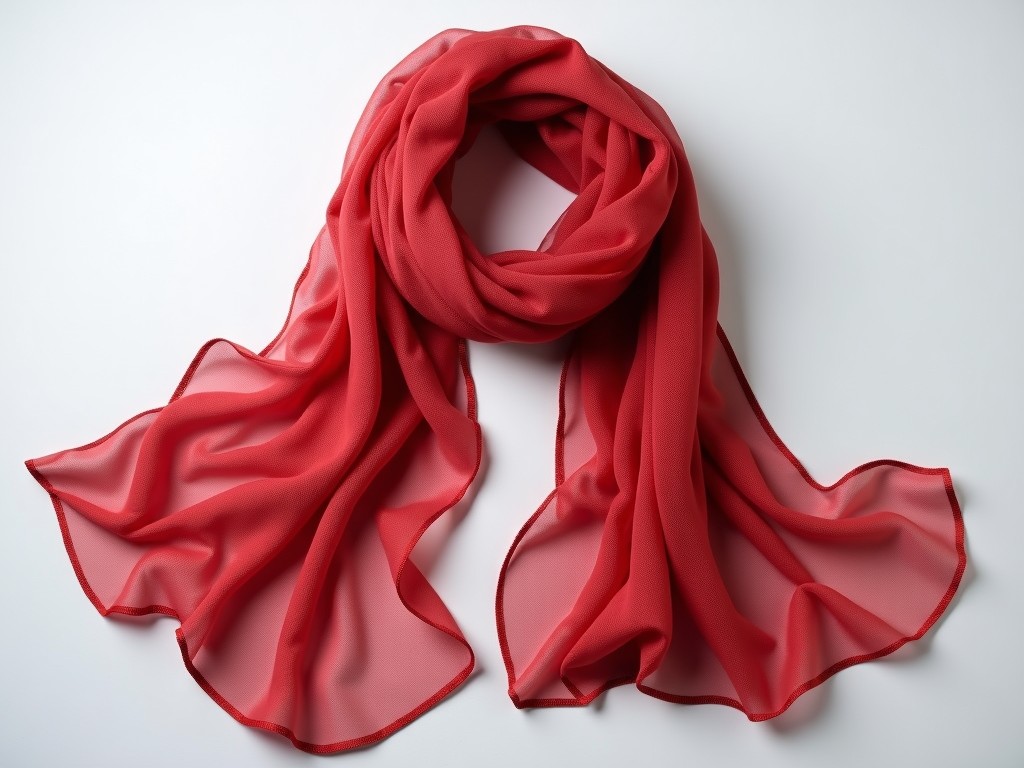
The OEM winter yashmagh scarf for men is a traditional head and neck covering engineered for thermal protection in sub-zero environments. Constructed from tightly woven wool-blend fabrics, it provides insulation against wind chill while maintaining breathability to prevent moisture buildup during prolonged outdoor exposure. This product is designed for industrial workforces operating in arctic, alpine, or high-altitude conditions where standard fleece or synthetic balaclavas may insufficiently manage convective heat loss.
Material Composition and Thermal Performance
The scarf utilizes a 70% merino wool and 30% recycled polyester blend, selected for its ability to retain 80% of insulating capacity when wet—a critical factor in environments where sweat or snowmelt compromises synthetic-only fabrics. Merino wool fibers naturally wick moisture at a rate of 0.35 mg/cm²/min, reducing skin condensation risk during high-exertion tasks. The recycled polyester component adds tensile strength, reducing pilling and abrasion wear by approximately 40% compared to 100% wool equivalents after 50 wash cycles at 40°C.
Fabric weight is standardized at 280 GSM (grams per square meter), balancing thermal resistance (TOG value ≈ 1.8) with flexibility for under-helmet or under-hardhat wear. Laboratory testing under ISO 11092 conditions shows a thermal resistance of 0.175 m²K/W at 0 m/s wind speed, decreasing to 0.092 m²K/W at 5 m/s—indicating effective performance in moderate wind but requiring supplemental windproof layers in blizzard conditions. Dimensional stability is maintained within ±2% after 10 cold-weather cycles (-30°C to +20°C).
Design Specifications and Functional Features
The yashmagh measures 180 cm in length and 90 cm in width when laid flat, allowing multiple wrapping configurations: single-loop for neck insulation, double-wrap for full facial coverage, or shoulder-draped for extended torso protection. Ends are finished with a 2 cm selvage stitch to prevent fraying, and the fabric edges are heat-sealed to resist unraveling under abrasive contact with gear or ice crystals. Unlike mass-produced scarves, this OEM version omits decorative fringes or logos to eliminate snag hazards on machinery or safety harnesses.
The weave structure is a 2x2 twill, providing bidirectional stretch (approximately 15% elongation at break) to accommodate dynamic head movement without constriction. This elasticity ensures consistent contact pressure across the cheeks and neck, minimizing cold air infiltration gaps. The scarf’s drape characteristics allow it to conform to facial contours without requiring frequent adjustment—a key consideration for workers wearing respirators, goggles, or communication headsets where frequent touching increases contamination risk.
Industrial Applications and Use Case Rationale
This scarf is specified for personnel in offshore oil and gas operations, where wind chill temperatures regularly exceed -25°C and exposure durations exceed 4 hours per shift. Unlike insulated hoods that trap exhaled moisture and create ice buildup around the mouth, the yashmagh’s breathable weave allows vapor escape while still blocking convective cold. It is also used by mountain rescue teams and Arctic survey crews who require rapid donning/doffing during temperature transitions between sheltered bases and exposed ridgelines.
In mining operations, particularly in northern Canada and Siberia, the scarf serves as a secondary barrier beneath hard hat liners, reducing conductive heat loss through the skull—a region accounting for up to 30% of total body heat loss in sub-zero conditions. Its low-profile design avoids interference with headlamp mounts or night-vision gear. Utilities maintaining winter power lines in Scandinavia and Alaska report reduced instances of facial frostbite among crews using wool-blend yashmaghs compared to those relying solely on fleece neck gaiters, which tend to compress and lose loft under harness straps.
Customization Options for OEM Integration
As an OEM product, the yashmagh supports customization in fiber ratio, dimensions, and finish treatments to align with specific corporate PPE standards or regional climate data. Clients may request adjustments to wool content (from 50% to 85%) to prioritize either maximum warmth (higher wool) or faster drying (higher polyester). Length and width can be modified in 5 cm increments to accommodate different wrapping preferences or to integrate with existing uniform designs, such as attaching to jacket collars via snap tabs or loop fasteners.
Optional treatments include antimicrobial finishes (silver-ion based) to inhibit odor-causing bacteria during extended wear, and DWR (durable water repellent) coatings applied at 1.5 g/m² to increase surface water resistance without blocking vapor transmission. Color options extend beyond traditional charcoal and oatmeal to include NATO black, OD green, and high-visibility yellow (reflective trim available upon request). All customizations are subject to minimum order quantities, typically starting at 300 units, and require technical consultation to validate performance trade-offs.
Quality Control and Manufacturing Consistency
Production follows ISO 9001:2015-aligned processes with in-line monitoring of yarn tension, fabric density, and stitch integrity. Each batch undergoes random sampling for thermal resistance (using a guarded hot plate per ASTM F1291), dimensional stability after laundering, and pilling resistance (Martindale tester, 2000 cycles). Visual inspection checks for dye uniformity, edge sealing completeness, and absence of loose fibers that could pose foreign object debris (FOD) risks in sensitive environments like food processing or electronics assembly.
Colorfastness is tested under ISO 105-B02 (light) and ISO 105-C06 (washing), with ratings required to exceed 4/5 for industrial use. Seam strength is validated via grab test (ASTM D5034), ensuring minimum 15 N/cm resistance to tearing under load. Suppliers provide traceability documentation linking raw material lots to final products, enabling root-cause analysis if field performance deviates from specifications. These controls ensure that OEM clients receive consistent performance across orders, critical for maintaining uniform PPE standards across dispersed workforces.
Comparison with Alternative Cold-Weather Face Protection
| Feature | OEM Yashmagh (Wool Blend) | Fleece Neck Gaiter | Balaclava (Synthetic) |
|---|---|---|---|
| Wet Insulation Retention | 80% of dry value | 50% of dry value | 60% of dry value |
| Moisture Wicking Rate | 0.35 mg/cm²/min | 0.15 mg/cm²/min | 0.25 mg/cm²/min |
| Wind Permeability (5 m/s) | Moderate (requires layering) | High | Low |
| Abrasion Resistance (50 cycles) | Low pilling | Moderate pilling | High pilling |
| Under-Helmet Compatibility | Excellent (low profile) | Good (bulky) | Fair (constrictive) |
The table above highlights key performance differences under standardized testing. While synthetic balaclavas offer superior wind blocking, they often create microclimates that increase skin moisture during exertion, elevating the risk of conductive chill when activity ceases. Fleece gaiters, though soft, compress under pressure and lose loft quickly, reducing effective insulation over time. The yashmagh’s wool-blend construction maintains a stable thermal buffer even when damp, making it particularly suitable for stop-start work patterns common in maintenance, inspection, or surveying roles.
Packaging, Labeling, and Logistics Considerations
Units are folded to a standardized size of 25 cm x 20 cm x 5 cm and packed in polybags of 10 pieces, then placed in export cartons measuring 52 cm x 30 cm x 28 cm (approximately 50 units per carton). Each polybag includes a printed label with SKU, material composition, care instructions (machine wash 40°C, tumble dry low), and country of origin. Cartons are marked with handling symbols indicating “Keep Dry” and “Do Not Exceed 25°C Storage” to preserve fiber integrity during transit. For clients requiring RFID tagging or barcoding for inventory integration, these can be applied to the polybag or carton upon request.
Lead times typically range from 4 to 6 weeks after approval of pre-production samples, depending on fabric dye lot availability and customization complexity. Expedited options may be available for stocked base configurations. Shipping terms are FOB factory or CIF destination, with insurance recommended for high-value OEM orders. All shipments include a packing list and certificate of conformity detailing test results for the specific batch, supporting compliance with corporate PPE audits or regional safety regulations.
Care Instructions and Lifecycle Management
To preserve thermal performance, the scarf should be washed after every 10 uses or when visibly soiled, using a mild detergent free of bleach or fabric softeners. Machine washing at 40°C on a gentle cycle is recommended; hand washing is acceptable for spot cleaning. Tumble drying should be low heat (<60°C) or air-dried flat to prevent felting or distortion of the weave. Ironing is not advised, as direct heat can damage wool fibers; steaming at a distance is permissible for wrinkle removal if necessary.
With proper care, the yashmagh maintains functional insulation for 2+ years in regular industrial use. End-of-life considerations include fiber recycling through textile recovery programs, as the wool-polyester blend can be reclaimed in specialized facilities. Clients seeking to track environmental impact can request lifecycle assessment data (available upon request) detailing carbon footprint per unit based on material sourcing and manufacturing location. This supports ESG reporting and sustainable procurement goals without compromising performance requirements.
For technical specifications, customization requests, or sample evaluation, contact our engineering team to discuss how the OEM winter yashmagh scarf can be integrated into your cold-weather PPE strategy. Provide details on your operational environment, required quantities, and any specific performance thresholds to receive a tailored quotation and lead time estimate.
Request Technical ConsultationProducts
Related Products
News
Related News
2026-11-02
Cotton Voile Scarf Manufacturing and Performance Analysis how to make a cotton voile scarfCreating a professional-grade cotton voile scarf requires a precise balance of textile engineering and artisanal finishing. Unlike standard cotton weaves, voile is defined by its p···
2026-10-28
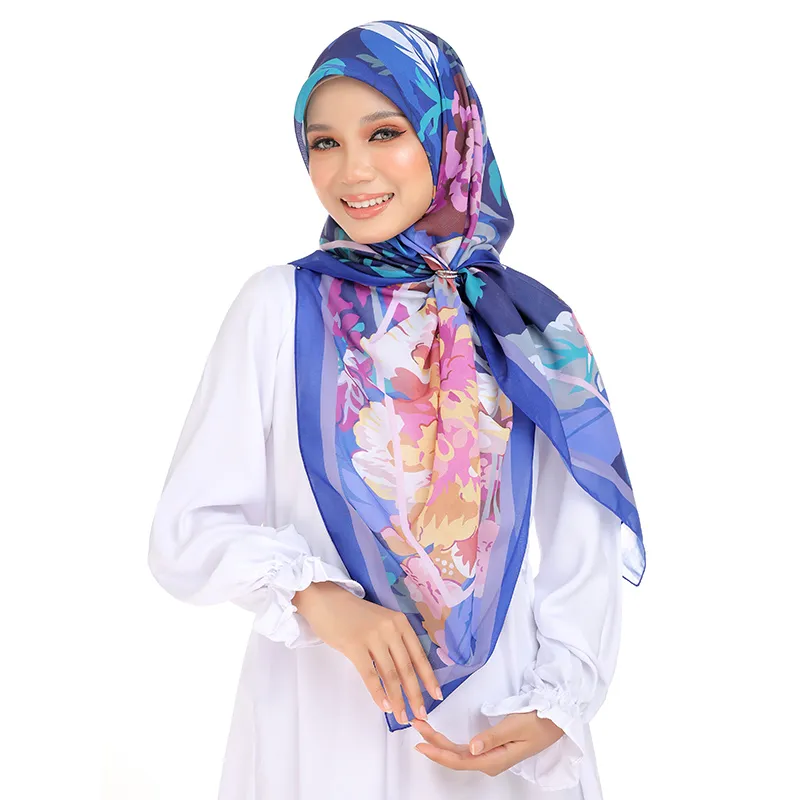
chiffon hijab Technical Production and Performance AnalysisSelecting the right fabric for a hijab involves a delicate balance between modesty, breathability, and aesthetic drape. For many women in Southeast Asia and the Middle East, the ma···
2026-10-26
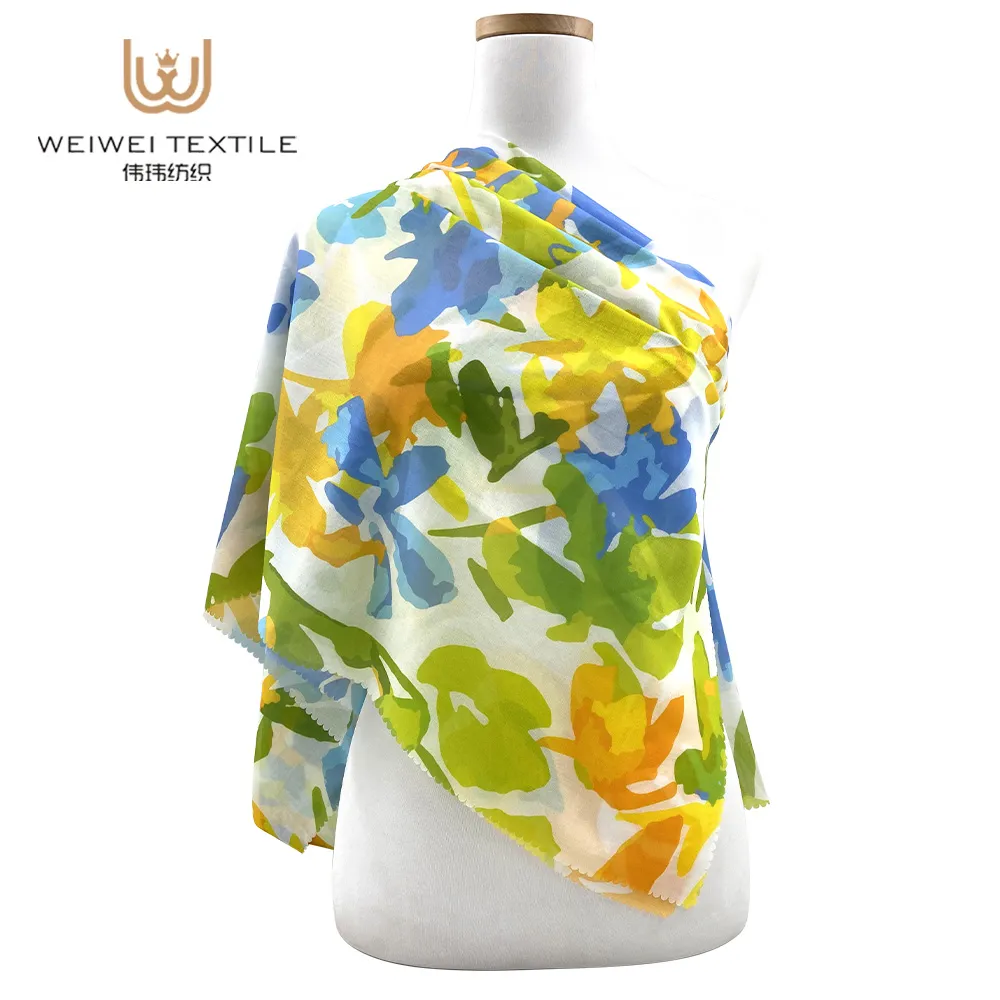
custom silk scarf textile manufacturing and performance analysisSelecting a high-quality scarf is no longer just about color matching; it is an exercise in understanding how textile weight, drape, and print scale interact with individual facial···