Mens Linen Summer Neck Scarf Supplier






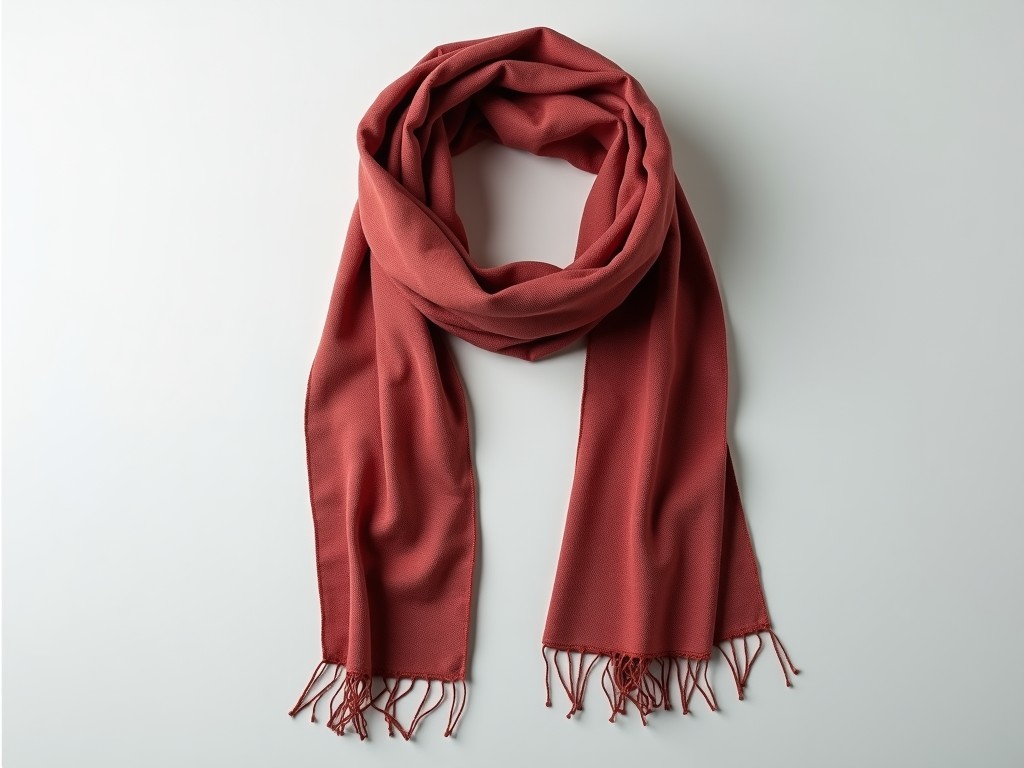
Mens Linen Summer Neck Scarf Supplier
Selecting a summer neck scarf for professional or industrial use requires understanding material behavior under heat, humidity, and repeated handling. Linen, derived from flax fibers, offers specific
Mens Linen Summer Neck Scarf Supplier
Selecting a summer neck scarf for professional or industrial use requires understanding material behavior under heat, humidity, and repeated handling. Linen, derived from flax fibers, offers specific thermal and moisture-management properties that differentiate it from cotton or synthetic alternatives in warm environments.
The fabric’s inherent breathability stems from its hollow fiber structure, which allows air circulation and facilitates sweat evaporation. Linen absorbs up to 20% of its weight in moisture before feeling damp, reducing skin discomfort during prolonged wear. This characteristic is particularly relevant for personnel working in outdoor settings, warehouses without climate control, or transportation roles where temperature regulation impacts comfort and focus.
Durability considerations are essential when specifying linen for workwear accessories. Flax fibers possess high tensile strength, increasing when wet, which contributes to longevity under frequent washing cycles. However, linen exhibits lower abrasion resistance compared to polyester blends, necessitating careful design of edges and seams to prevent fraying in high-contact areas such as the neckline or knot points.
Dimensional stability is another technical factor. Linen tends to shrink approximately 3-5% after the first wash if not pre-treated. Industrial suppliers often apply sanforization or mechanical pre-shrinking processes to minimize post-purchase dimensional change, ensuring consistent fit across batches. Buyers should verify whether scarves are labeled as “pre-shrunk” or “sanforized” to avoid sizing inconsistencies upon delivery.
Colorfastness under UV exposure and repeated laundering affects both appearance and compliance with workplace dress codes. Linen accepts natural and reactive dyes well, but darker shades may fade faster under prolonged sunlight. For applications requiring high visibility or corporate color matching, requesting dye lot certification and conducting accelerated weathering tests (e.g., ISO 105-B02) can predict long-term performance.
Construction details influence both functionality and safety. Scarves intended for industrial environments often feature rolled or hemmed edges to eliminate loose threads that could snag on machinery. Some designs incorporate bar-tacked ends or reinforced corner stitching to distribute stress during tying and untying. Width and length specifications—typically ranging from 14–18 cm in width and 140–160 cm in length—affect knotting versatility and coverage.
Packaging and labeling practices reflect supply chain readiness. Industrial buyers commonly require flat-folded packaging with individual polybags to prevent contamination during transit and storage. Labels should include fiber content (e.g., 100% linen), care instructions (machine wash cold, tumble dry low), country of origin, and batch traceability codes. For regulated industries, OEKO-TEX® Standard 100 certification confirms the absence of harmful substances, supporting workplace safety compliance.
Technical Specification Table
| Property | Typical Value | Test Method / Reference |
|---|---|---|
| Fiber Composition | 100% Flax Linen | ISO 1833 |
| Fabric Weight | 140–180 g/m² | ASTM D3776 |
| Moisture Regain | 8–12% (at 65% RH) | ASTM D2495 |
| Width | 14–18 cm | Customizable per order |
| Length | 140–160 cm | Customizable per order |
| Shrinkage (Post-Wash) | <3% (if sanforized) | ISO 6330 |
| Tensile Strength (Warp) | ≥35 N/tex | ISO 13934-1 |
| Colorfastness to Light | Grade 4+ (after 20 AFU) | ISO 105-B02 |
Applications extend beyond casual wear into sectors where thermal comfort and hygiene are operational priorities. In food processing facilities, linen’s low lint generation and ability to withstand high-temperature washing make it suitable for staff neckwear where contamination control is critical. Similarly, in pharmaceutical or cleanroom-adjacent environments, the fabric’s smooth surface and minimal particle shedding support ISO 14644-1 cleanliness goals when properly laundered.
For procurement teams evaluating suppliers, key technical inquiries should include: whether the linen is European flax-sourced (known for longer fiber length and consistency), if dyeing processes comply with ZDHC or bluesign® standards for wastewater management, and if the manufacturer maintains ISO 9001 certification for production consistency. Requesting fabric swatches with documented wash performance after 5, 10, and 20 cycles provides empirical data on shrinkage, color retention, and hand feel evolution.
Lead times and minimum order quantities (MOQs) vary based on customization level. Standard colors and dimensions typically ship within 2–3 weeks for orders over 100 units. Custom dye matching, branded labels, or special packaging may extend lead time to 4–6 weeks. Suppliers should provide pre-production samples for approval, especially when color accuracy or dimensional tolerance is critical to end-use requirements.
Ultimately, specifying a linen summer neck scarf involves balancing material science with practical workflow needs. By focusing on measurable properties—moisture regain, tensile strength, dimensional stability, and colorfastness—buyers can reduce uncertainty and select products that deliver consistent performance across seasons and use cases. The goal is not merely to source fabric, but to integrate a component that supports worker comfort, safety, and operational efficiency in warm-weather conditions.
Products
Related Products
News
Related News

2026-11-02
Cotton Voile Scarf Manufacturing and Performance Analysis how to make a cotton voile scarfCreating a professional-grade cotton voile scarf requires a precise balance of textile engineering and artisanal finishing. Unlike standard cotton weaves, voile is defined by its p···

2026-10-28
chiffon hijab Technical Production and Performance AnalysisSelecting the right fabric for a hijab involves a delicate balance between modesty, breathability, and aesthetic drape. For many women in Southeast Asia and the Middle East, the ma···

2026-10-26
custom silk scarf textile manufacturing and performance analysisSelecting a high-quality scarf is no longer just about color matching; it is an exercise in understanding how textile weight, drape, and print scale interact with individual facial···
