Men Wearing Head Scarf



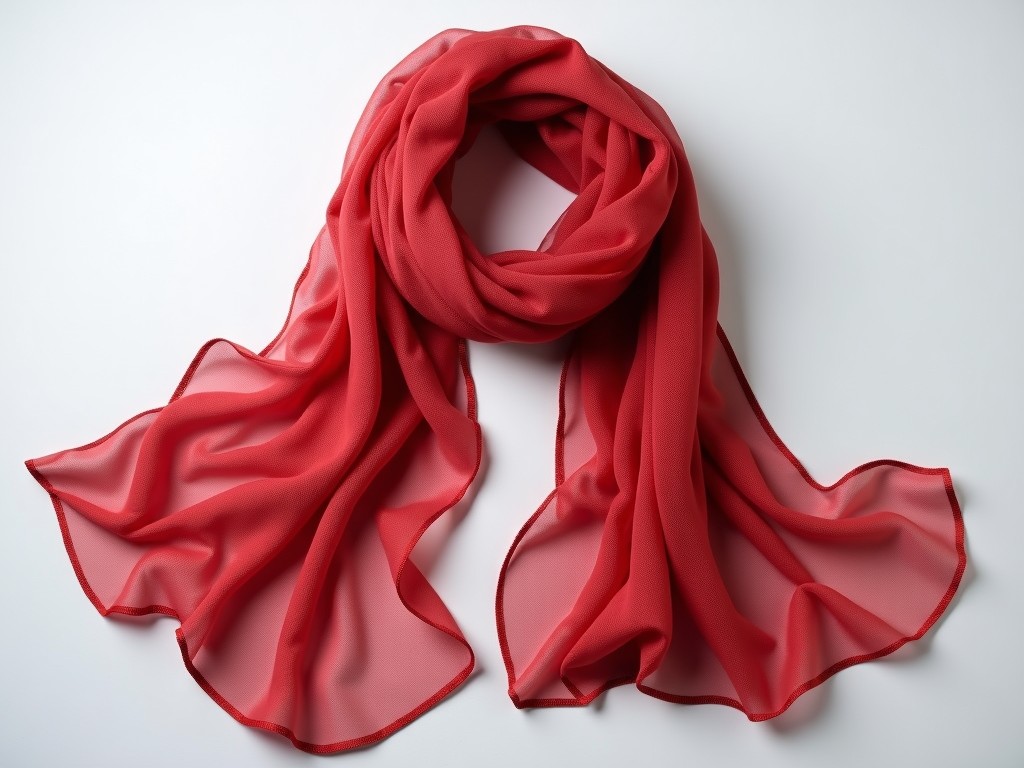

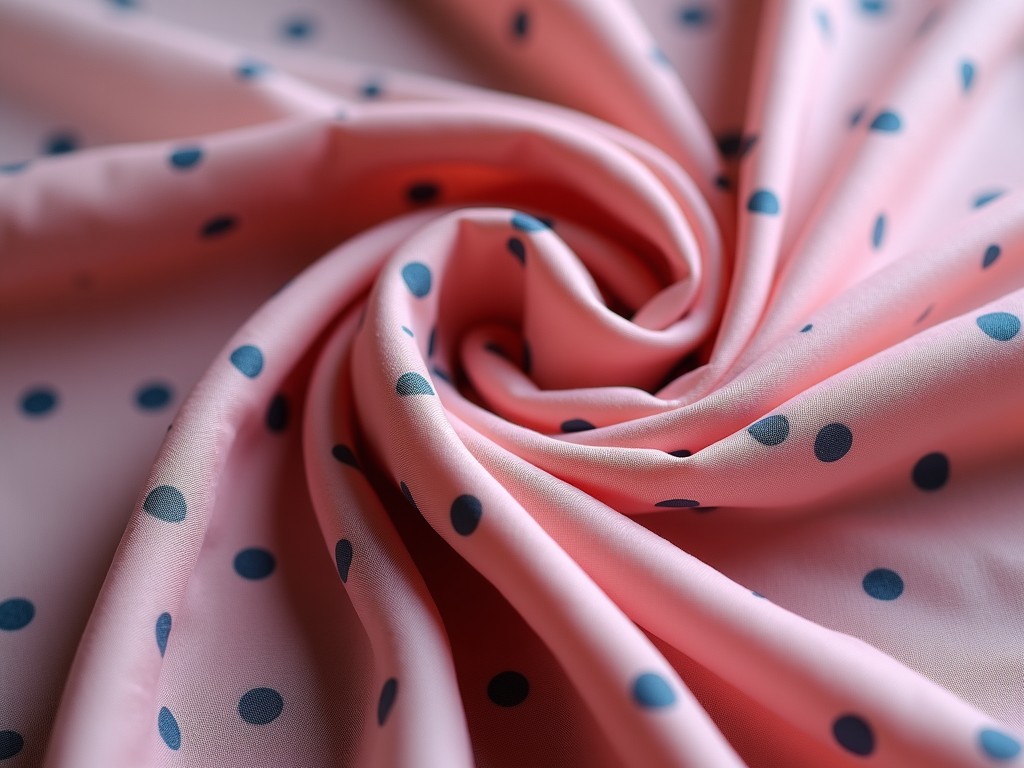

Men Wearing Head Scarf
A men’s industrial head scarf is a protective garment designed to cover the hair and scalp in environments where particulate contamination, heat, or chemical exposure poses a risk to worker safety or
Men’s Industrial Head Scarf
A men’s industrial head scarf is a protective garment designed to cover the hair and scalp in environments where particulate contamination, heat, or chemical exposure poses a risk to worker safety or product integrity. Unlike fashion accessories, these scarves are engineered for specific workplace hazards, balancing breathability with barrier performance to ensure compliance with occupational health standards while maintaining wearer comfort during extended shifts.
The primary function is to contain loose hair and prevent it from shedding into sensitive processes such as food production, pharmaceutical manufacturing, or electronics assembly. In high-heat settings like foundries or welding shops, specialized variants provide thermal protection without trapping excessive moisture. Selection depends on the dominant hazard—whether it’s particulate control, flame resistance, or chemical splash—and the scarf’s material construction directly determines its effectiveness in that role.
Industrial buyers evaluate these garments based on measurable attributes: filtration efficiency for airborne particles, air permeability for thermal comfort, tensile strength for durability, and resistance to degradation from laundering or chemical exposure. A scarf that fails to meet these criteria introduces avoidable risk—either through worker discomfort leading to non-compliance, or through inadequate protection causing contamination incidents or injury. Therefore, technical specifications take precedence over aesthetic considerations in procurement decisions.
Material Construction and Performance Characteristics
The performance of an industrial head scarf is dictated by its textile structure and fiber composition. Common base materials include 100% cotton for general particulate control in dry environments, polyester-cotton blends for enhanced durability and wrinkle resistance, and specialized synthetics like modacrylic or aramid blends for flame-resistant applications. Each material undergoes specific treatments—such as antimicrobial finishes or durable water repellent (DWR) coatings—to extend functionality in targeted use cases.
For particulate containment, the scarf’s weave density and fiber fineness are critical. A typical lightweight cotton scarf for food processing may have a thread count of 140–160 ends per inch and a pore size under 10 microns to effectively capture hair follicles and skin flakes. In contrast, a flame-resistant variant for metalworking might use an inherent modacrylic fiber with a limiting oxygen index (LOI) of 28% or higher, ensuring it self-extinguishes when removed from a flame source without relying on chemical treatments that can wash out over time.
Air permeability, measured in cubic feet per minute (cfm) per square foot, directly impacts wearer comfort. A scarf intended for 12-hour shifts in ambient temperatures above 25°C should maintain a permeability of at least 100 cfm to prevent heat buildup. Conversely, in cleanroom environments where laminar airflow is essential, permeability may be intentionally reduced to below 30 cfm to minimize particle shedding, trading comfort for stricter contamination control—a compromise justified only when the process demands it.
Design Features for Functional Utility
Beyond material selection, the scarf’s physical design influences both protection efficacy and user acceptance. Key design elements include coverage area, fastening mechanism, seam construction, and edge finishing. The garment must fully encapsulate the hairline, ears, and nape of the neck to prevent escape routes for particulates or exposure to splashes. Inadequate coverage—such as a scarf that stops above the ears—creates weak points that compromise the entire system, regardless of material quality.
Fastening methods vary by application. Elasticized bands provide consistent tension without knots that could snag or harbor contaminants, making them ideal for high-movement roles. Tie-back closures using flat, woven tapes allow for adjustable fit but require careful end treatment to prevent fraying. In sterile or high-hygiene zones, snap or magnetic closures may be preferred despite higher cost, as they eliminate loose ends and enable faster donning/doffing cycles during shift changes.
Seam placement and stitching type are often overlooked but critically important. Flatlock or covered seams minimize snagging and reduce particle entrapment points compared to raised, overlocked seams. Seams should be positioned away from high-flex zones like the temples to avoid premature wear. Additionally, hem edges are frequently folded and stitched twice or sealed with ultrasonic bonding to prevent fiber shedding—a detail that directly impacts long-term lint generation in controlled environments.
Application-Specific Selection Logic
Choosing the correct head scarf begins with mapping the workplace hazard to the garment’s protective properties. In food processing facilities compliant with FDA 21 CFR Part 110 or EU Regulation 852/2004, the priority is microbial and particulate barrier performance. Here, tightly woven cotton or polyester-cotton scarves with antimicrobial treatments are standard, as they withstand frequent industrial laundering at 75°C+ without significant degradation in filtration efficiency.
In pharmaceutical cleanrooms adhering to ISO 14644-1 Class 5–8, the scarf must minimize both particle emission and microbial shedding. Continuous filament polyester or tightly woven nylon with hydroentangled (spunlace) construction is often selected because it generates fewer loose fibers than spun yarns. These materials are evaluated not just for inward protection but for outward contamination control—meaning the scarf itself must not become a source of particulates.
For industries involving hot work—such as steel fabrication, glass manufacturing, or firefighting support—the scarf must resist ignition and provide thermal insulation. Materials like aramid blends or treated modacrylic are chosen based on their predicted burn time and heat transfer index (HTI) under radiant exposure. A scarf with an HTI24 of at least 8 seconds provides critical escape time in flash fire scenarios, a metric verified through standardized tests like ASTM F1930 or ISO 13506-1.
Chemical handling environments demand resistance to permeation and degradation. Scarves used in battery acid handling or solvent cleaning may feature polyvinyl alcohol (PVA) coatings or laminated polyethylene layers to block liquid penetration. However, such laminates reduce breathability significantly, so they are typically reserved for short-duration tasks or used in conjunction with active cooling systems. The breakthrough time—the duration before a chemical penetrates the material—is the key performance indicator here, with values exceeding 480 minutes often required for prolonged exposure scenarios.
Comparison of Common Variants
| Attribute | General Particulate Control (Cotton) | Flame-Resistant (Modacrylic Blend) | Cleanroom Low-Lint (Polyester Spunlace) |
|---|---|---|---|
| Base Material | 100% Combed Cotton | 65% Modacrylic / 35% Cotton | 100% Continuous Filament Polyester |
| Air Permeability (cfm/ft²) | 120–150 | 80–110 | 40–60 |
| Limiting Oxygen Index (LOI) | ~18 (untreated) | ≥28 (inherent) | ~20 (untreated) |
| Typical Use Case | Food processing, light manufacturing | Welding, metal pouring, electrical work | Pharmaceutical filling, semiconductor assembly |
| Laundry Cycles Before Performance Drop | 50+ (at 75°C) | 30+ (flame resistance retention) | 100+ (particle emission stability) |
Customization and Integration Considerations
While standard configurations address common needs, many industrial environments require tailored solutions. Customization options typically involve adjustments to dimensions, fastening systems, material layering, or the addition of functional zones—for example, integrating a sweatband made of moisture-wicking terry cloth along the forehead to improve comfort in high-heat zones without compromising the primary barrier layer.
Dimensional customization is essential for accommodating diverse head sizes and hairstyles. A scarf that is too tight causes discomfort and reduces wear time; one that is too loose risks slipping or creating gaps. Standard widths range from 22 to 26 inches, with lengths from 60 to 72 inches, but bespoke patterns can be developed based on anthropometric data from the workforce. This is particularly relevant in industries with high diversity in personnel, where one-size-fits-all approaches lead to inconsistent compliance.
Layered constructions allow for multi-hazard protection. For instance, a scarf designed for chemical splash resistance might incorporate an inner layer of absorbent cotton for comfort and an outer laminated barrier for chemical deflection. Such composites are evaluated not only for individual layer performance but for interfacial integrity—delamination under flex or heat can create failure points worse than a single-material alternative. Bonding methods (adhesive, thermal, ultrasonic) are selected based on the expected service environment.
Color coding is frequently implemented for zone segregation or role identification. In food plants, different colors may denote raw vs. ready-to-eat areas to prevent cross-contamination. These dyes must be tested for bleed resistance and stability under industrial washing conditions—fugitive dyes can stain products or equipment, introducing a new contamination risk. Colorfastness ratings of 4 or higher on the AATCC scale are typically specified for reusable industrial garments.
Quality Assurance and Lifecycle Management
Industrial procurement requires confidence in consistent performance over time. Quality assurance begins with incoming material testing—verifying fiber content, yarn count, and finish uniformity before cutting. In-process checks include seam strength testing (typically requiring a minimum of 5 N/mm for polyester threads) and dimensional stability checks after simulated wash cycles. Final inspection focuses on defect detection: holes, thin spots, incorrect stitching, or residual oils from manufacturing that could impair wicking or barrier properties.
Performance validation often involves real-world simulation. For particulate barriers, a mannequin-based fit test using sodium chloride aerosols measures inward leakage. For flame resistance, vertical flame tests (ASTM D6413) assess afterflame and char length. Cleanroom suitability is evaluated via helmet-mounted particle counters during walking tests to quantify emission rates. These tests are not one-time events; they are repeated periodically to monitor degradation from laundering or UV exposure.
Lifecycle management extends beyond the initial purchase. Manufacturers provide guidance on maximum recommended wash cycles based on accelerated aging data. Storage conditions are specified to prevent UV degradation—particularly important for aramid-containing fabrics, which lose tensile strength when exposed to sunlight. End-of-life protocols may include recycling instructions for polyester-based items or special handling for chemically contaminated garments, ensuring disposal does not create secondary hazards.
To discuss how our men’s industrial head scarves can be tailored to your specific operational hazards, laundering protocols, or workforce demographics, please reach out to our technical team. We provide detailed specification sheets, sample swatches for wear trials, and support in mapping garment performance to your risk assessment documentation.
Contact us for technical consultation and sample arrangement
Products
Related Products
News
Related News
2026-11-02
Cotton Voile Scarf Manufacturing and Performance Analysis how to make a cotton voile scarfCreating a professional-grade cotton voile scarf requires a precise balance of textile engineering and artisanal finishing. Unlike standard cotton weaves, voile is defined by its p···
2026-10-28
chiffon hijab Technical Production and Performance AnalysisSelecting the right fabric for a hijab involves a delicate balance between modesty, breathability, and aesthetic drape. For many women in Southeast Asia and the Middle East, the ma···
2026-10-26
custom silk scarf textile manufacturing and performance analysisSelecting a high-quality scarf is no longer just about color matching; it is an exercise in understanding how textile weight, drape, and print scale interact with individual facial···