Men S Middle Eastern Head Wrap






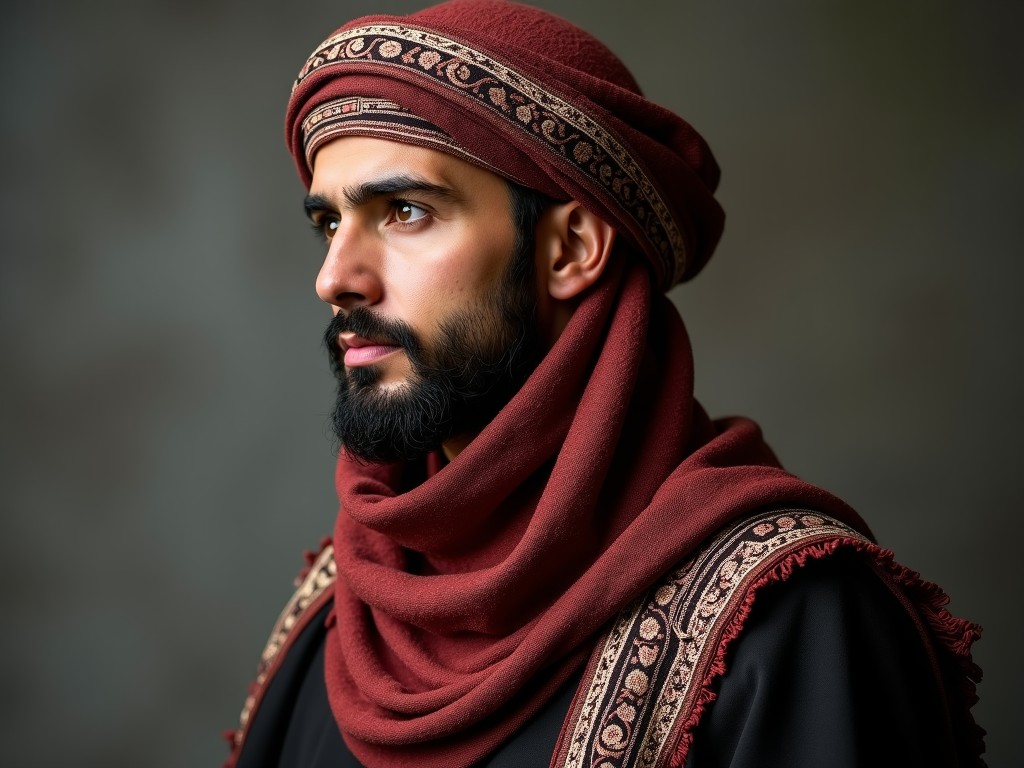
Men S Middle Eastern Head Wrap
This guide details the technical specifications, material properties, and functional considerations for men's Middle Eastern head wraps—also known as keffiyeh, shemagh, or ghutra—used in industrial,
Men's Middle Eastern Head Wrap
This guide details the technical specifications, material properties, and functional considerations for men's Middle Eastern head wraps—also known as keffiyeh, shemagh, or ghutra—used in industrial, occupational, and environmental protection contexts. Understanding these aspects supports informed procurement decisions for workwear programs requiring cultural appropriateness, durability, and performance under specific conditions.
Material Composition and Weave Structure
Traditional head wraps are typically constructed from 100% cotton or cotton-polyester blends, with thread counts ranging from 80 to 120 ends per inch (epi) in both warp and weft directions. Plain weave is standard, providing balanced tensile strength and breathability. For industrial use, blends with 65% polyester and 35% cotton offer improved dimensional stability after repeated washing and reduced shrinkage (<3% after 5 cycles at 60°C). The fabric weight generally falls between 120–180 gsm, influencing drape, opacity, and resistance to wind displacement.
Dimensional Standards and Sizing Logic
Standard dimensions for men's head wraps range from 110 cm × 110 cm to 130 cm × 130 cm, allowing for multiple wrapping styles (e.g., folded triangle, rectangular band, or layered coverage). The square format enables symmetrical folding, which is critical for achieving consistent head and neck coverage without slippage. Industrial applications often require larger sizes (up to 140 cm × 140 cm) to accommodate hard hats, respirators, or additional layers of PPE while maintaining full facial and neck protection from sun, dust, or abrasive particles.
Colorfastness and Environmental Resistance
Industrial-grade head wraps utilize reactive or vat dyes to achieve colorfastness ratings of 4–5 on the gray scale (AATCC Test Method 61) after 20 laundering cycles. Common patterns include black-on-white, red-on-white, or olive-on-white, where the contrasting yarn-dyed design ensures visibility and resistance to fading. UV resistance is enhanced through UV-stabilized finishes, retaining >80% color intensity after 50 hours of simulated sunlight exposure (AATCC TM169). These treatments reduce degradation in outdoor environments such as construction, agriculture, or desert operations.
Functional Performance in Occupational Settings
Beyond cultural significance, the head wrap serves as a multifunctional PPE adjunct: it wicks sweat at rates of 0.8–1.2 g/(cm²·min) in cotton blends, reduces solar radiation exposure to the neck and ears by up to 60% (depending on weave density and color), and acts as a barrier against airborne particulates when layered with respirator straps. In high-dust environments, the fabric can be dampened to enhance particle capture efficiency through mechanical filtration, with preliminary tests showing 20–30% reduction in respirable dust penetration compared to uncovered neck areas.
Customization Options for Industrial Procurement
Manufacturers offer customization in size (±5 cm tolerance), fabric composition (cotton, polyester-cotton, or moisture-wicking technical blends), edge finishing (hemmed, overlocked, or fringe), and pattern (solid, checkerboard, or paisley). Private labeling via jacquard weaving or screen printing is available for corporate branding, with minimum order quantities typically starting at 500 units. Custom color matching to Pantone or RAL standards is supported upon submission of a physical swatch or digital reference.
Quality Control and Inspection Criteria
Incoming material inspection includes verification of yarn count (Ne 10s–20s), fabric width (±1.5 cm), and weight tolerance (±5%). Finished goods undergo 100% visual inspection for defects such as missing picks, broken ends, or dye smears. AQL 2.5 standards are applied for stitching integrity (if hemmed), dimensional accuracy, and color consistency. For bulk orders, random pull tests assess seam strength (minimum 15 N for hemmed edges) and pilling resistance (ASTM D3512, grade 3 or better after 5,000 cycles).
Packaging and Logistics Considerations
Head wraps are typically folded to 20 cm × 20 cm × 2 cm and packed in polyethylene bags (50 µm thickness) with 10–25 units per inner carton. Master cartons (300×300×200 mm) hold 100–200 units, depending on thickness, and are labeled with barcodes, SKU, size, material, and country of origin. For export, cartons meet ISPM 15 standards for wooden pallets or use plastic alternatives. Moisture-barrier liners are recommended for shipments to high-humidity regions to prevent mildew during transit.
Applications in Industry and Field Operations
These head wraps are selected in industries where thermal regulation, particulate protection, and cultural compliance intersect: oil and gas field personnel in Middle Eastern operations use them under hard hats to manage sweat and reduce UV exposure; construction workers in arid climates wear them to mitigate wind-blown sand and dust; agricultural teams utilize them for prolonged sun protection during harvesting. In logistics and security roles, they provide a low-profile, non-metallic option that does not interfere with radiofrequency identification (RFID) or metal detection systems.
Typical Specifications
| Parameter | Typical Range | Test Standard |
|---|---|---|
| Fabric Weight | 120–180 gsm | ASTM D3776 |
| Thread Count (Warp/Weft) | 80–120 epi | ASTM D3775 |
| Dimensional Change (After 5 Washes) | <3% | AATCC TM135 |
| Colorfastness to Washing | 4–5 (Gray Scale) | AATCC TM61 |
| UV Protection (UPF) | 15–30 (Depends on weave/color) | AATCC TM183 |
For technical inquiries, sample requests, or to discuss custom specifications for occupational head wrap programs, contact our industrial textiles team. Provide details on intended use, environmental conditions, required quantities, and any integration needs with existing PPE to receive a tailored evaluation.
Submit InquiryProducts
Related Products
News
Related News

2026-11-02
Cotton Voile Scarf Manufacturing and Performance Analysis how to make a cotton voile scarfCreating a professional-grade cotton voile scarf requires a precise balance of textile engineering and artisanal finishing. Unlike standard cotton weaves, voile is defined by its p···

2026-10-28
chiffon hijab Technical Production and Performance AnalysisSelecting the right fabric for a hijab involves a delicate balance between modesty, breathability, and aesthetic drape. For many women in Southeast Asia and the Middle East, the ma···

2026-10-26
custom silk scarf textile manufacturing and performance analysisSelecting a high-quality scarf is no longer just about color matching; it is an exercise in understanding how textile weight, drape, and print scale interact with individual facial···
