Men Indian Head Scarf






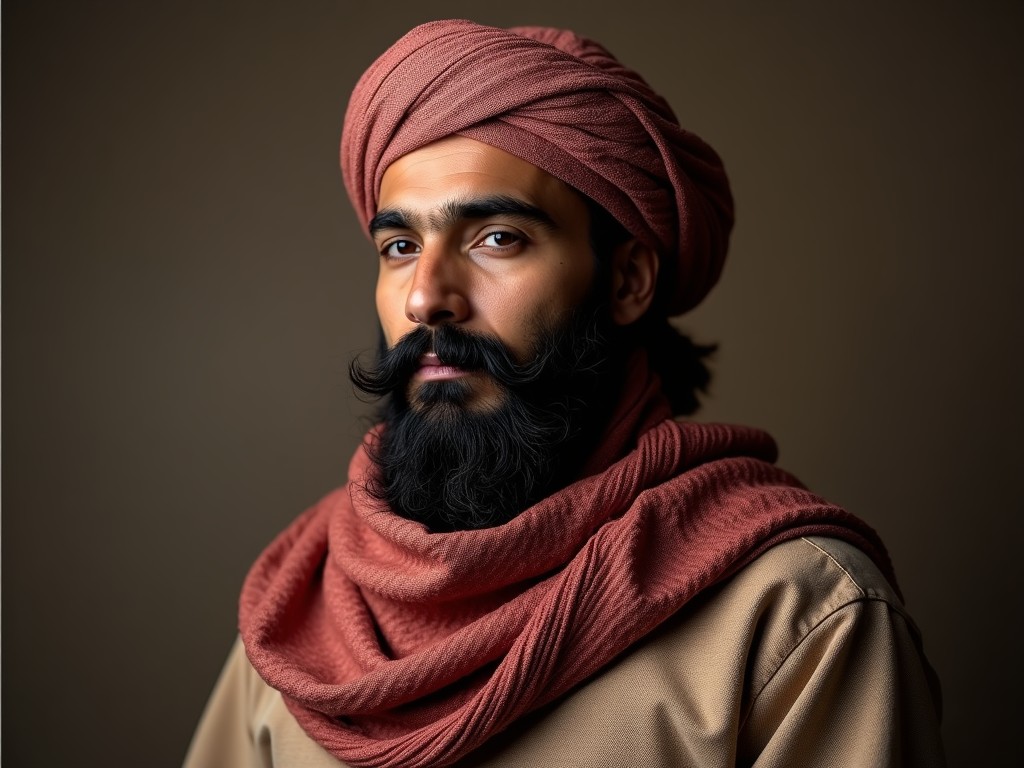
Men Indian Head Scarf
The men's Indian head scarf, commonly referred to as a pagri or safa in regional contexts, serves functional and cultural purposes across diverse environments. Constructed from lightweight,
Men's Indian Head Scarf: Technical Specifications and Industrial Applications
The men's Indian head scarf, commonly referred to as a pagri or safa in regional contexts, serves functional and cultural purposes across diverse environments. Constructed from lightweight, breathable textiles, it provides protection against solar radiation, wind-blown particulates, and thermal fluctuations while maintaining comfort during extended wear. Industrial adoption focuses on material performance, dimensional stability, and ease of maintenance under demanding conditions.
This document outlines the technical characteristics, material options, and application-specific considerations for procurement engineers and sourcing specialists evaluating headscarves for workforce use in outdoor, high-dust, or high-temperature operational settings.
Material Composition and Performance Properties
Primary materials include combed cotton, polyester-cotton blends (65/35 or 50/50), and lightweight viscose rayon. Combed cotton offers moisture absorption rates of 8–10% at 65% RH, reducing heat buildup during prolonged use. Polyester-cotton blends improve dimensional stability, with shrinkage typically under 3% after five wash cycles at 40°C, and increase tear strength by approximately 25% compared to 100% cotton.
Viscose rayon variants provide a silk-like hand feel with improved drape but exhibit lower wet strength, requiring careful handling during laundering. All materials are evaluated for colorfastness to light (ISO 105-B02, minimum grade 4) and washing (ISO 105-C06, minimum grade 3–4) to ensure visibility and appearance retention in field conditions.
Finishing treatments such as sanforization minimize residual shrinkage, while UV-stabilized dyes (where specified) extend color life under direct sunlight exposure. Flame-retardant treatments are available upon request for specific industrial zones, though they may alter hand feel and breathability.
Dimensional Standards and Wrapping Geometry
Standard dimensions range from 1.8 to 2.2 meters in length and 0.9 to 1.1 meters in width, allowing for multiple wrapping styles (e.g., single loop, double layer, or tapered fold) depending on coverage needs and worker preference. Length directly influences the number of secure wraps possible; a 2.0-meter length typically accommodates three to four layers around the head when folded to 0.25-meter width.
Width affects surface area coverage and heat dissipation. Narrower widths (0.8m) reduce material overlap but may require more precise wrapping technique, while wider widths (1.1m) increase scalp coverage and sweat absorption area. Tolerances are maintained within ±2% for length and ±1.5% for width during cutting to ensure consistency across batches.
Custom lengths and widths are available for specialized applications, such as high-visibility requirements or integration with protective headgear. Edge finishing options include plain cut, hemmed (single or double fold), or overlocked seams to prevent fraying during use and laundering.
Industrial Application Analysis
In agricultural and construction environments, the headscarf functions as a passive barrier against dust, pollen, and airborne debris, reducing eye irritation and respiratory exposure when worn properly. Its lightweight nature prevents overheating compared to enclosed head coverings, making it suitable for shifts exceeding eight hours in ambient temperatures above 30°C.
In food processing or pharmaceutical settings, solid-color, lint-free variants (e.g., combed cotton with tight weave) minimize particulate shedding. Darker colors (navy, charcoal, black) are preferred in low-light inspection zones to reduce glare, while high-visibility yellow or orange variants support safety compliance in mixed pedestrian-vehicle zones.
Integration with hard hats or bump caps requires consideration of scarf thickness and wrapping method; thinner fabrics (under 0.35 mm) and flat folding techniques minimize interference with headgear suspension systems. Some facilities specify scarves with corner tabs or loop attachments for secure fastening to helmets or straps.
Quality Control and Inspection Parameters
Incoming material inspection includes yarn count verification (Ne 20s–40s for cotton, 150D–300D for polyester), GSM measurement (typically 120–160 g/m² for standard weights), and shade matching against approved swatches under D65 lighting. Finished goods undergo dimensional checks, seam integrity testing (minimum 10 N/cm seam strength), and color bleed assessment during simulated wash cycles.
Packaging is evaluated for contamination control—scarves are folded and packed in polybags or cardboard cartons with desiccant packs in humid climates to prevent mildew. Lot traceability is maintained via barcode or RFID tags linking to material test reports and production shift data.
Third-party certifications such as OEKO-TEX® Standard 100 or ISO 9001 compliance are available upon request. For regulated industries, documentation of material safety data sheets (MSDS) and REACH conformity can be provided.
| Parameter | Typical Range | Test Method / Reference |
|---|---|---|
| Fabric Weight (GSM) | 120–160 g/m² | ISO 3801 |
| Length Tolerance | ±2% | Internal Measurement |
| Width Tolerance | ±1.5% | Internal Measurement |
| Moisture Regain (Cotton) | 8–10% @ 65% RH | ISO 2014 |
| Shrinkage (5x Wash @ 40°C) | <3% (PC Blend) | ISO 6330 |
| Tear Strength (Warp/Weft) | ≥12 N (Cotton) | ISO 9073-4 |
| Colorfastness to Light | Grade ≥4 | ISO 105-B02 |
Customization and Procurement Options
Customization encompasses material selection, dimensions, color, edge finish, and optional features such as sweat-absorbing liners (cotton terry, 150 g/m²) or antimicrobial treatments (zinc pyrithione-based, effective for 30+ washes). Corporate branding via screen printing or embroidery is feasible on one or both ends, with ink adhesion tested per ISO 105-X12 (minimum grade 3–4 after washing).
Packaging options include individual polybagging, bulk packing in cartons (50–100 units), or kitting with matching accessories (e.g., agal, pins). Lead times typically range from 2–4 weeks for standard configurations, extending to 6–8 weeks for custom dye lots or certified materials. Minimum order quantities vary by fabric type, generally starting at 500 units for stock colors and 1,000 units for custom shades.
Samples are available upon request, usually cut from production rolls to reflect actual material properties. Technical data sheets, test reports, and sample cards can be provided to support specification approval and quality agreement processes.
For technical inquiries, specification requests, or to discuss application-specific requirements, contact our engineering team.
Request Technical ConsultationProducts
Related Products
News
Related News

2026-11-02
Cotton Voile Scarf Manufacturing and Performance Analysis how to make a cotton voile scarfCreating a professional-grade cotton voile scarf requires a precise balance of textile engineering and artisanal finishing. Unlike standard cotton weaves, voile is defined by its p···

2026-10-28
chiffon hijab Technical Production and Performance AnalysisSelecting the right fabric for a hijab involves a delicate balance between modesty, breathability, and aesthetic drape. For many women in Southeast Asia and the Middle East, the ma···

2026-10-26
custom silk scarf textile manufacturing and performance analysisSelecting a high-quality scarf is no longer just about color matching; it is an exercise in understanding how textile weight, drape, and print scale interact with individual facial···
