Men Arabic Head Scarf

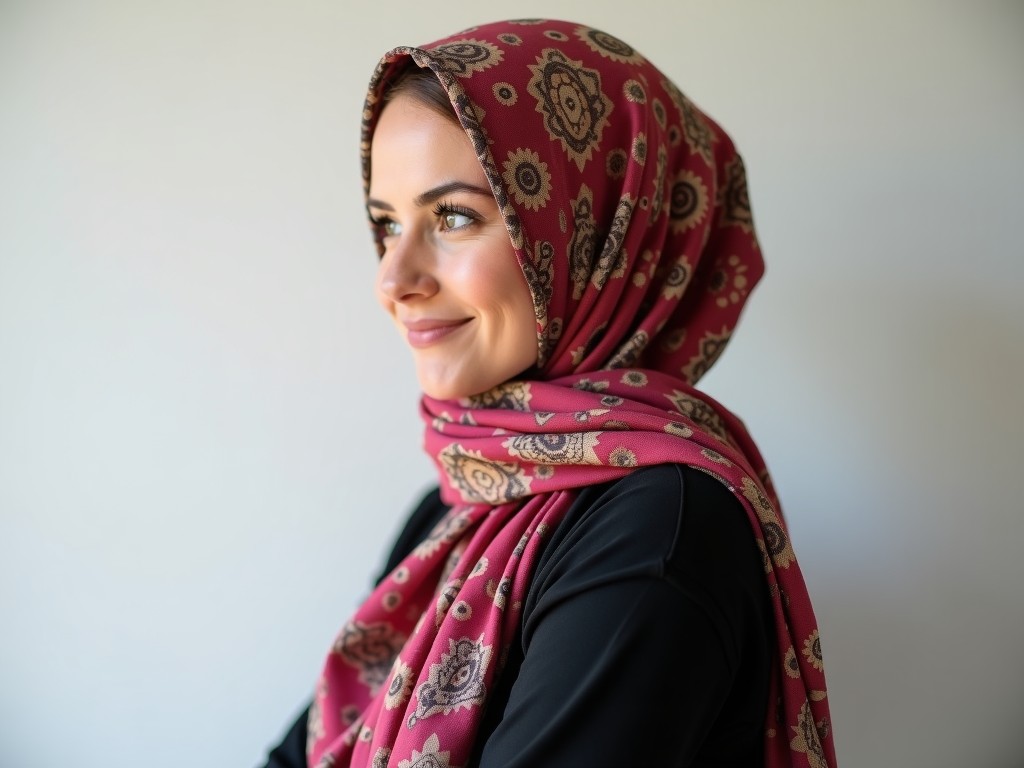
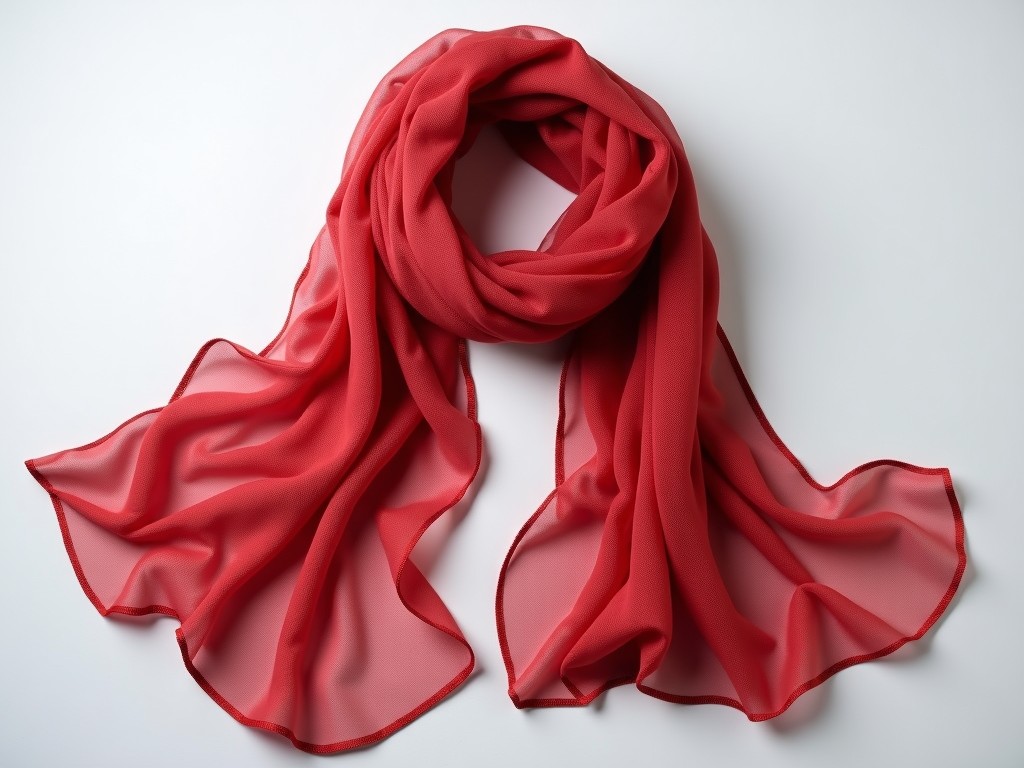
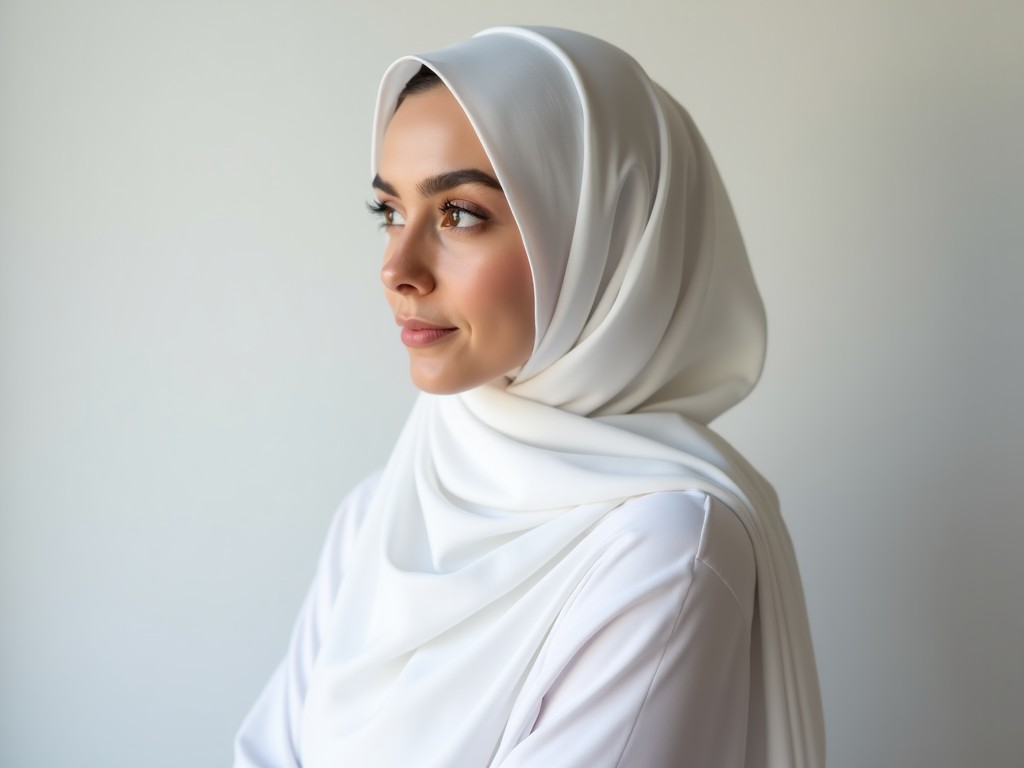
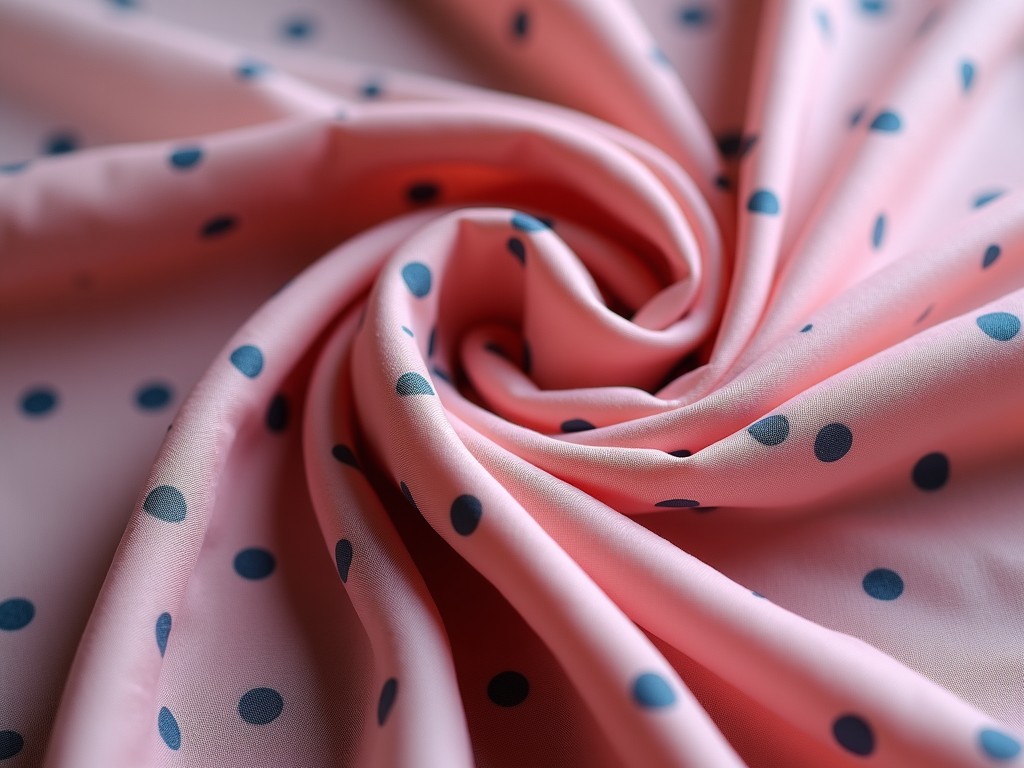
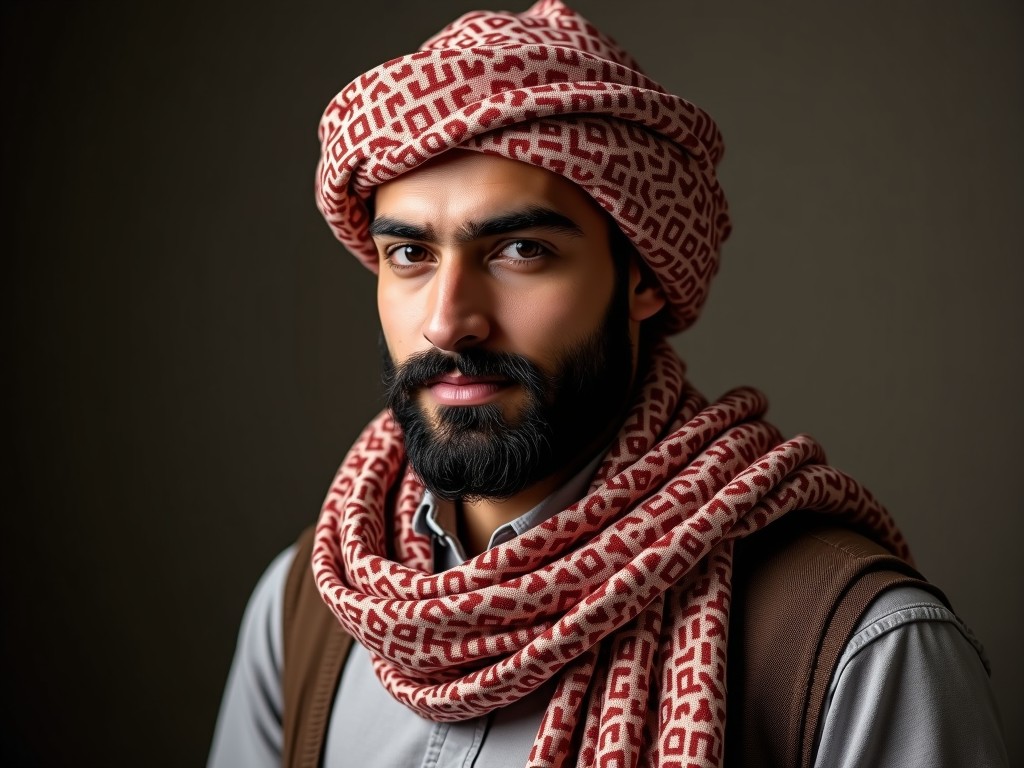
Men Arabic Head Scarf
Industrial procurement of traditional headwear requires understanding material properties, dimensional stability, and functional performance under varied environmental conditions. This guide details
Men's Arabic Head Scarf (Ghutra/Shemagh)
Industrial procurement of traditional headwear requires understanding material properties, dimensional stability, and functional performance under varied environmental conditions. This guide details the technical specifications relevant to bulk sourcing of men's Arabic head scarves for uniform programs, corporate gifting, or institutional use.
Material Composition and Construction
The base fabric is typically 100% combed cotton or a cotton-polyester blend (65/35 or 50/50) selected for breathability, moisture absorption, and dimensional stability after repeated washing. Combed cotton removes short fibers, reducing pilling and improving surface smoothness. Blends enhance wrinkle resistance and drying speed, critical for high-turnover institutional laundry cycles.
Yarn count ranges from 20s to 40s Ne (English cotton count), with higher counts indicating finer yarn and lighter weight. Standard construction uses a plain weave for balanced strength and drape. Thread density typically falls between 120-160 ends per inch (EPI) and 80-120 picks per inch (PPI), influencing opacity and durability.
Dimensional Specifications
Finished dimensions are critical for proper folding, wearing style, and compatibility with accessories like the agal (headband). Standard sizes are defined by flat measurements before folding.
| Specification | Typical Range | Unit |
|---|---|---|
| Width | 105 - 115 | cm |
| Length | 105 - 115 | cm |
| Weight per unit | 180 - 280 | gsm |
| Shrinkage (after 5 wash cycles) | < 5 | % |
Square construction (equal width and length) enables symmetrical folding into the traditional triangular shape. Tolerance on dimensions is typically ±1.5 cm due to fabric relaxation during cutting and sewing. Hemming uses a 3mm double-fold stitch with 6-8 stitches per cm to prevent fraying without adding stiffness.
Colorfastness and Dye Properties
Color retention under UV exposure and repeated washing is a key quality indicator. Reactive dyes are commonly used on cotton for covalent bonding with cellulose, offering superior wash fastness (typically 4-5 on the grey scale after 20 cycles). Disperse dyes are used for polyester blends. Lightfastness ratings generally achieve 4+ on the blue wool scale for standard colors like white, red, and black.
Dye lot consistency is critical for bulk orders; spectral reflectance measurements (using a spectrophotometer) ensure ΔE < 2.0 between batches. Indigo-dyed variants (common in red/black patterns) may exhibit controlled fading, which is sometimes acceptable per end-use specification.
Functional Performance Characteristics
The scarf’s primary functions are solar protection, dust filtration, and thermal regulation. Air permeability, measured per ISO 9237, typically ranges from 80 to 150 mm/s for standard constructions, allowing sufficient airflow while blocking particulate matter >10 microns. Thermal conductivity of dry cotton is approximately 0.06 W/m·K; moisture wicking increases effective cooling via evaporation.
Flammability resistance is not inherently treated; however, cotton chars rather than melts, reducing melt-drip hazard. For environments requiring flame resistance, inherent FR modacrylic blends or topical treatments (e.g., THPC-based) are available upon request, adding 15-25% to base cost.
Applications in Industrial and Institutional Contexts
Beyond cultural use, these scarves serve as practical PPE adjuncts in arid or dusty environments. Construction, mining, and logistics teams in GCC regions use them under hard hats to absorb sweat and reduce glare. In healthcare or food processing, white variants function as hair restraints meeting hygiene standards when properly secured.
Corporate procurement often specifies custom end-to-end weaving (e.g., jacquard logos) or screen printing for brand visibility. Minimum order quantities for custom dyeing or patterning typically start at 500 units due to setup costs for dye vats or screens. Lead times increase by 10-14 days for custom color development.
Quality Control and Inspection Points
Inspection follows AQL 2.5 for major defects (holes, tears, misprinting) and 4.0 for minor (stitch variation, slight shade difference). Critical checkpoints include:
- Fabric weight verification via GSM cutter and balance
- Dimensional check using calibrated template
- Color matching against Pantone or lab-dip under D65 lighting
- Seam strength (minimum 10 N/cm via grab test)
- pH value (4.5–7.5 to prevent skin irritation)
Finished goods undergo random roll inspection for linear defects. Packaging integrity is verified for moisture barrier properties when polybagging is specified.
Packaging and Logistics Considerations
Standard packaging uses 100% polyethylene bags (50μm thickness) with optional desiccant sachets for humidity control during transit. Carton dimensions are optimized for palletization: typically 40x30x25 cm (LxWxH) holding 50 units, weighing 8-12 kg gross. Carton strength meets ISTA 1A standards for general freight.
For long-term storage, ventilation gaps in cartons prevent mildew. Labeling includes country of origin, fiber content, care instructions (machine wash 40°C, tumble dry low), and batch traceability codes. RFID tags or barcodes are available for inventory integration at additional cost.
Customization Parameters
Industrial buyers can specify variables beyond stock offerings. Key customization levers include:
- Yarn type: combed cotton, organic cotton, recycled polyester blends
- Weave: plain, twill (for increased drape), or jacquard (for integrated patterns)
- Finish: mercerization (luster, strength), sanforization (shrink control), or stain-resistant treatment
- Decoration: embroidery (stitch count 15-20/sq cm), screen printing (max 4 colors), or heat transfer
- Packaging: individual polybag, banderol, or bulk pack
Each parameter affects MOQ, lead time, and unit cost. For example, adding mercerization increases tensile strength by ~15% and luster but adds 5-7 days to production. Stain-resistant treatments (fluoropolymer-based) add 8-12% cost but improve spill resistance.
Comparison: Cotton vs. Polyester-Cotton Blend
The following table outlines performance trade-offs to aid material selection based on end-use priorities.
| Property | 100% Combed Cotton | 65/35 Cotton-Polyester |
|---|---|---|
| Breathability | High | Moderate |
| Wrinkle Resistance | Low | High |
| Drying Time | Longer | Shorter |
| Color Vibrancy | Higher (initial) | Good |
| Durability (abrasion) | Good | Very Good |
| Cost Factor | Base | -5% to -10% |
Blends reduce ironing needs in high-volume laundry operations but may retain odors more than pure cotton. Selection should align with laundry infrastructure and wearer comfort priorities.
For technical inquiries, custom specifications, or sample requests, contact our engineering team to discuss material options, dimensional tolerances, or compliance with regional standards.
Products
Related Products
News
Related News

2026-11-02
Cotton Voile Scarf Manufacturing and Performance Analysis how to make a cotton voile scarfCreating a professional-grade cotton voile scarf requires a precise balance of textile engineering and artisanal finishing. Unlike standard cotton weaves, voile is defined by its p···
2026-10-28
chiffon hijab Technical Production and Performance AnalysisSelecting the right fabric for a hijab involves a delicate balance between modesty, breathability, and aesthetic drape. For many women in Southeast Asia and the Middle East, the ma···

2026-10-26
custom silk scarf textile manufacturing and performance analysisSelecting a high-quality scarf is no longer just about color matching; it is an exercise in understanding how textile weight, drape, and print scale interact with individual facial···