Male Head Scarf Muslim






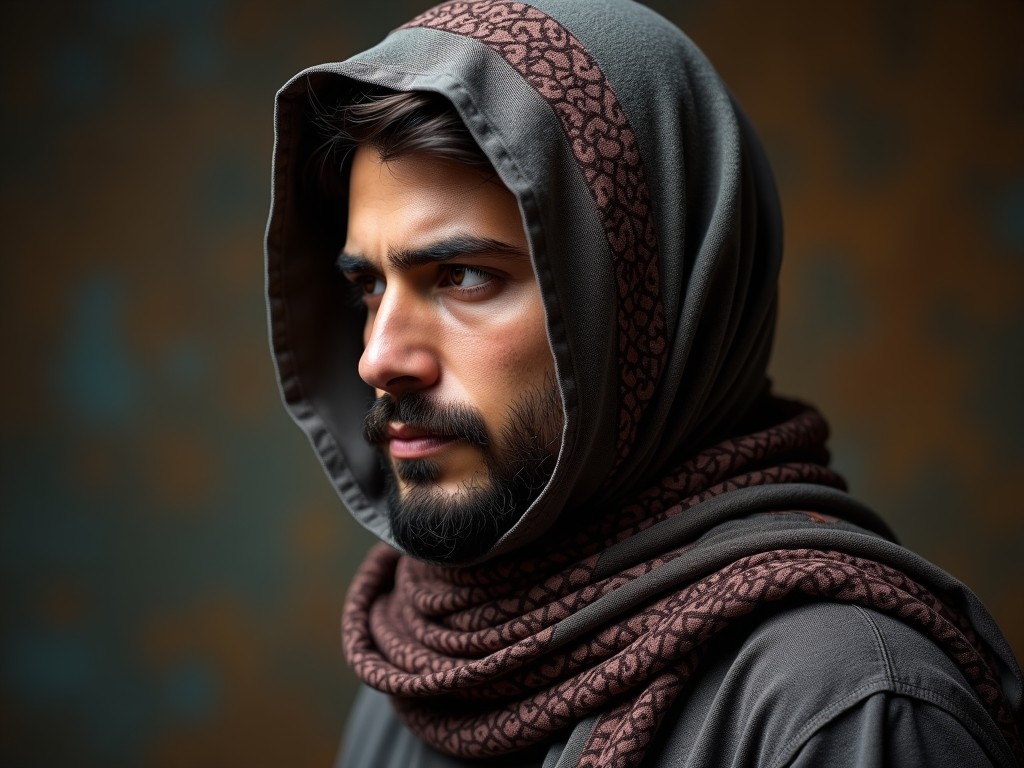
Male Head Scarf Muslim
Male head scarves, commonly referred to as kufis, taqiyahs, or emamahs depending on regional style, serve both religious and practical purposes in Muslim communities worldwide. For industrial buyers,
Male Head Scarf for Muslim Men: Technical Guide for Industrial Procurement
Male head scarves, commonly referred to as kufis, taqiyahs, or emamahs depending on regional style, serve both religious and practical purposes in Muslim communities worldwide. For industrial buyers, understanding the technical specifications, material behavior, and application-specific requirements is essential when sourcing these garments for workforce uniforms, employee welfare programs, or bulk distribution. This guide explains the engineering and material considerations that influence performance, durability, and user comfort in professional settings.
Material Composition and Functional Properties
The performance of a male head scarf in industrial or occupational environments depends primarily on fiber composition, weave structure, and finish treatments. Cotton remains the most widely used base material due to its moisture absorption (typically 8–10% regain at 65% RH), breathability, and hypoallergenic properties. For high-activity environments, blends with polyester (e.g., 65/35 cotton/poly) improve dimensional stability and reduce shrinkage to under 3% after 5 wash cycles at 40°C. Merino wool variants offer natural odor resistance and thermal regulation but require specialized care. Synthetic-only fabrics (e.g., 100% polyester) are generally avoided for prolonged wear due to low moisture wicking and potential heat retention, though they may be suitable for short-term or ceremonial use where minimal maintenance is prioritized.
Fabric weight, measured in grams per square meter (gsm), directly impacts usability. Lightweight options (100–140 gsm) are preferred in warm climates or indoor settings with HVAC control, offering minimal thermal burden. Mid-weight fabrics (150–180 gsm) balance durability and comfort for year-round use in temperate zones. Heavyweight constructions (>200 gsm) are reserved for cold environments or ceremonial garments requiring structural stiffness, though they may reduce airflow and increase perspiration buildup during extended wear.
Design Parameters and Fit Engineering
Proper fit is critical not only for comfort but also for safety and compliance in regulated environments. Head circumference is the primary sizing metric, typically ranging from 54 cm to 62 cm for adult males. Industrial suppliers should offer incremental sizing (e.g., S: 54–56 cm, M: 57–59 cm, L: 60–62 cm, XL: 63+ cm) with tolerance of ±1 cm to accommodate hair volume, head shape, and underlayers such as balaclavas or protective caps. Depth (vertical coverage) varies by style: traditional taqiyahs cover the crown only (8–12 cm depth), while full emamah-style wraps may extend 20–30 cm downward to cover the neck and ears, requiring adjustable fastening or elastic retention systems to prevent slippage during movement.
Seam construction influences both durability and irritation potential. Flatlock or coverstitch seams reduce profile and minimize friction against the skin, particularly important for wearers using the garment under helmets, respirators, or communication headsets. Thread selection matters: polyester-wrapped cotton or core-spun polyester provides strength and colorfastness, while 100% cotton thread may degrade faster under UV exposure or frequent laundering. Avoid overlocked edges unless trimmed and sealed, as raw ends can unravel and generate lint in cleanroom or food-processing environments.
Application-Specific Considerations
In food processing or pharmaceutical facilities, head scarves must comply with hygiene standards such as ISO 22000 or FDA 21 CFR Part 110. Here, the garment functions as part of a hair containment system. Key requirements include: lint-free construction (verified via ASTM D4970), non-shedding fibers, and ability to withstand repeated sanitization cycles (e.g., 60°C wash with chlorine-based detergents). Polyester-cotton blends with antimicrobial finishes (e.g., silver-ion treated) are often specified to inhibit bacterial growth, though buyers should validate efficacy claims with third-party test reports rather than relying on marketing terms.
For outdoor industrial work (e.g., construction, logistics, agriculture), UV resistance and colorfastness become critical. Darker colors (navy, black, deep gray) absorb more UV radiation but show less visible soiling; however, prolonged sun exposure can degrade cellulose-based fibers like cotton, reducing tensile strength by up to 40% after 200 hours of direct UV exposure (AATCC TM16). Solution-dyed polyester or UV-stabilized cotton blends offer superior retention, with color change (ΔE) under 3 units after 100 hours of xenon arc testing. Reflective trims or piping may be added for low-visibility environments, though placement must avoid interfering with religious styling norms.
In corporate or service sectors (e.g., hospitality, healthcare, transportation), head scarves may be part of a standardized uniform program. Here, consistency in color, texture, and appearance across large batches is essential. Buyers should request lab-dip approvals and bulk fabric swatches before production. Color variation (ΔE) between lots should not exceed 2.5 units under D65 lighting to ensure visual uniformity. Additionally, dimensional stability after 10 industrial wash cycles (per AATCC TM135) must be validated—especially for embroidered logos or branded elements, which can pucker if the base fabric shrinks unevenly.
Quality Control and Inspection Protocols
Reliable sourcing requires transparent quality assurance practices. Industrial buyers should verify that suppliers conduct standardized testing on fabric lots pre-cut. Key inspections include: gram weight (±5% tolerance), width stability (±1%), shrinkage (both warp and weft, target <3%), pilling resistance (ASTM D3512, minimum 3–4 rating after 5,000 cycles), and colorfastness to washing (ISO 105-C06, minimum 4), rubbing (ISO 105-X12, dry/wet ≥3–4), and light (ISO 105-B02, minimum 4 for indoor use, ≥5 for outdoor). Seam strength should meet or exceed 10 N/mm (ASTM D1683) to prevent failure under stress.
Final product inspection should assess: accurate sizing (via circumferential measurement), symmetry of panels, absence of stains or oil marks, correct thread color matching, and proper labeling (including care instructions, fiber content, and country of origin). For bulk orders, AQL 2.5 for major defects and 4.0 for minor defects is a common benchmark. Packaging must protect against moisture and contamination—polybags with silica gel desiccants are standard for sea freight, while ventilated cartons prevent mildew during storage. Always request a test report from an accredited lab (e.g., SGS, Intertek, Bureau Veritas) rather than relying on supplier self-certification.
Customization and Supply Chain Flexibility
Industrial procurement often requires adaptation to specific operational or branding needs. Common customization options include: embroidery or screen printing of logos (limited to <25 cm² area to avoid stiffness), addition of internal sweatbands (terry cotton or moisture-wicking polyester), adjustable rear straps (elastic or hook-and-loop), and tailored panel counts (e.g., 4-panel vs. 6-panel crown shapes for improved fit). Lead times vary: stock items ship in 5–7 business days; made-to-order typically requires 14–21 days for fabric sourcing and 25–35 days for full production, depending on order size and factory capacity. Minimum order quantities (MOQs) for custom dye lots usually start at 300–500 units per color, though some suppliers offer lower MOQs for white or natural undyed fabrics.
Logistics considerations are integral to total cost of ownership. Volume-based pricing tiers often apply: <500 units (sample/prototyping), 500–2,000 units (mid-volume), and >2,000 units (contract manufacturing). Freight terms (FOB, CIF, DDP) should be clarified early, especially for international shipments. Always confirm whether pricing includes packaging, labeling, and documentation for customs. For just-in-time inventory models, inquire about vendor-managed inventory (VMI) or consignment options, which some Tier-1 suppliers offer for recurring uniform programs.
Comparison of Common Configurations
| Parameter | Lightweight Cotton (120 gsm) | Cotton/Poly Blend (160 gsm) | Antimicrobial Treated (150 gsm) |
|---|---|---|---|
| Primary Use Case | Indoor, temperate climates | High-activity, frequent washing | Food/pharma, hygiene-sensitive |
| Moisture Regain (65% RH) | 8.5% | 6.0% | 6.2% |
| Shrinkage (3x wash @ 40°C) | 4–6% | 1.5–2.5% | 1.8–2.8% |
| UV Resistance (AATCC TM16, 100h) | Moderate (ΔE ~4–5) | Good (ΔE ~2.5–3.5) | Good (ΔE ~2.0–3.0) |
| Typical MOQ (Custom Color) | 500 units | 500 units | 500 units |
| Estimated Lead Time | 18–25 days | 20–30 days | 22–32 days |
Selecting the appropriate male head scarf involves balancing functional demands with wearer comfort and compliance requirements. There is no universal solution—optimal choice depends on environmental exposure, laundering frequency, skin sensitivity, and visibility needs. By focusing on measurable properties such as shrinkage, moisture regain, colorfastness, and seam strength, procurement teams can minimize uncertainty and ensure consistent performance across large-scale deployments. The next step is to engage suppliers with precise technical specifications rather than relying on generic descriptions.
Ready to discuss your specific requirements for male head scarves in industrial or organizational applications?
Submit Inquiry for Technical Specification and QuotationProducts
Related Products
News
Related News

2026-11-02
Cotton Voile Scarf Manufacturing and Performance Analysis how to make a cotton voile scarfCreating a professional-grade cotton voile scarf requires a precise balance of textile engineering and artisanal finishing. Unlike standard cotton weaves, voile is defined by its p···

2026-10-28
chiffon hijab Technical Production and Performance AnalysisSelecting the right fabric for a hijab involves a delicate balance between modesty, breathability, and aesthetic drape. For many women in Southeast Asia and the Middle East, the ma···

2026-10-26
custom silk scarf textile manufacturing and performance analysisSelecting a high-quality scarf is no longer just about color matching; it is an exercise in understanding how textile weight, drape, and print scale interact with individual facial···
