Keffiyeh Arabic Scarf Men

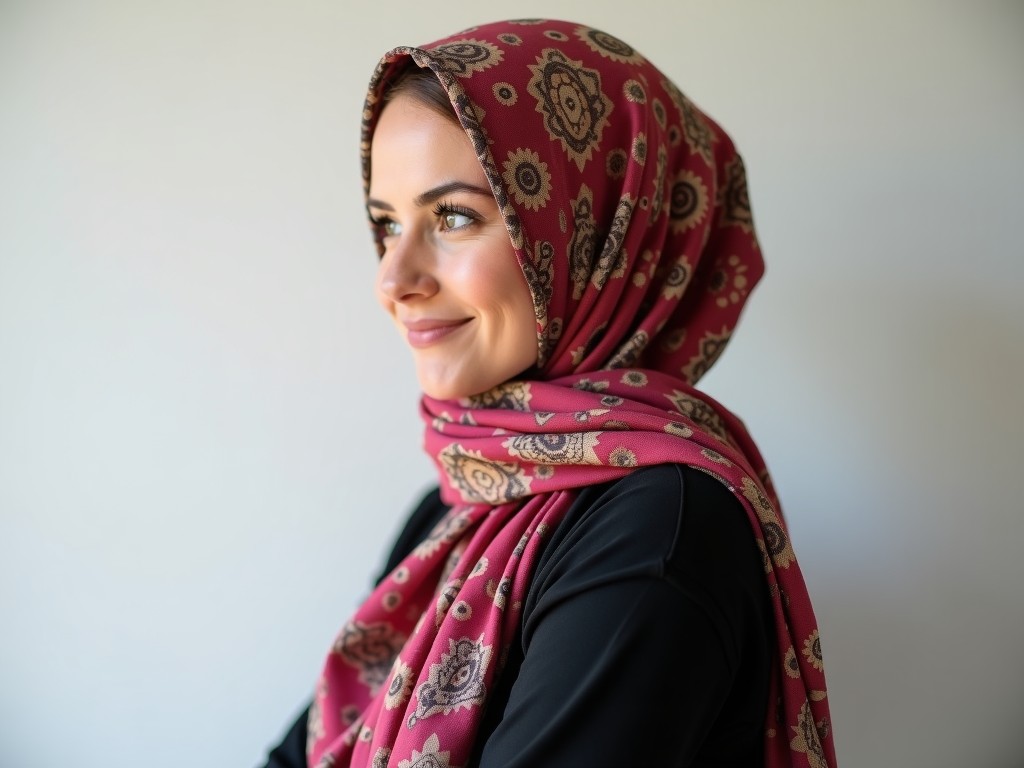
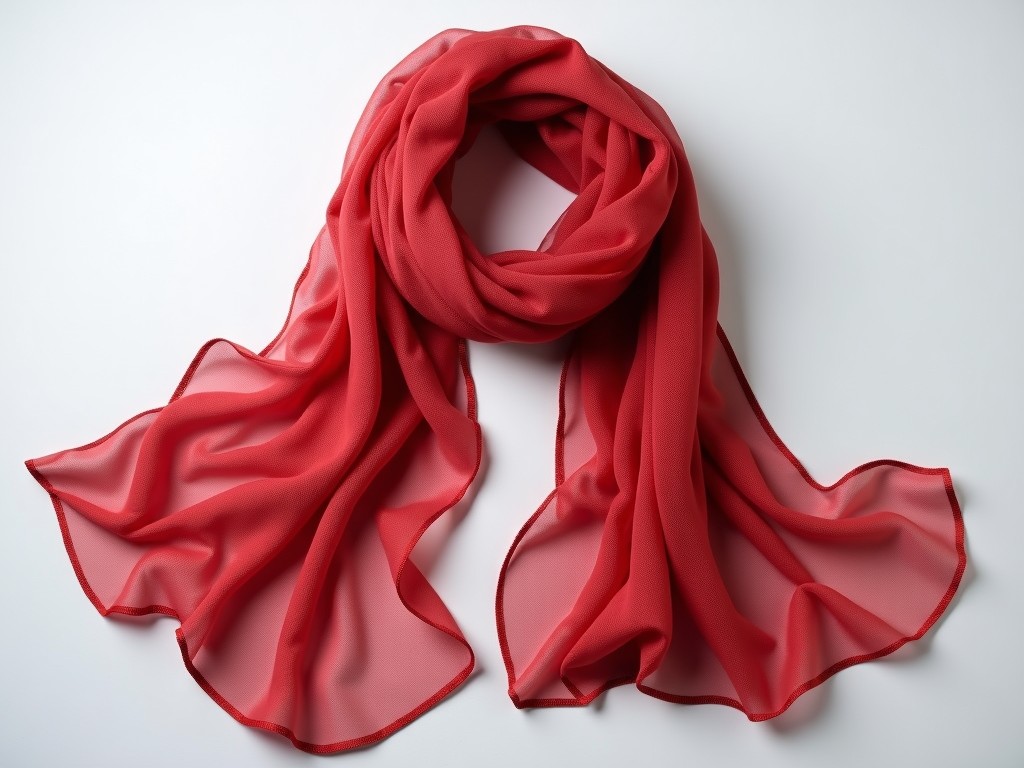
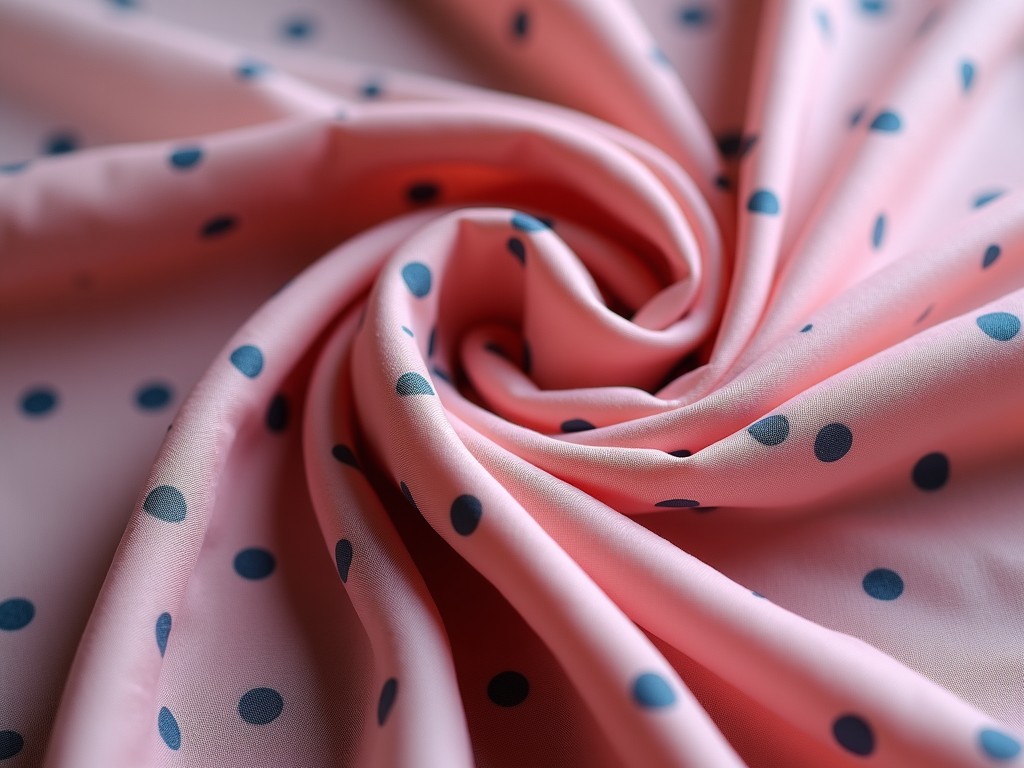

Keffiyeh Arabic Scarf Men
The keffiyeh, traditionally worn across the Middle East, is a square cotton or cotton-blend scarf folded and worn around the head or neck for protection against sun, wind, and dust. In industrial and
Keffiyeh Arabic Scarf for Men
The keffiyeh, traditionally worn across the Middle East, is a square cotton or cotton-blend scarf folded and worn around the head or neck for protection against sun, wind, and dust. In industrial and occupational settings, it serves as functional personal protective equipment (PPE) where lightweight, breathable head and neck coverage is required.
Modern adaptations maintain the cultural weave structure while selecting yarns and finishes suitable for demanding environments. The standard size is approximately 110 cm x 110 cm, allowing multiple wrapping configurations. Fabric weight typically ranges from 120 to 180 gsm, balancing durability with airflow.
Material Composition and Construction
The base fabric is usually 100% combed cotton or a 65/35 polyester-cotton blend. Combed cotton removes short fibers, resulting in a smoother surface with reduced linting and improved wash stability. Polyester blends add wrinkle resistance and faster drying, beneficial in high-humidity or frequent-use scenarios.
Yarn count typically falls between 20s and 30s Ne (English cotton count), indicating a medium-fine thread suitable for dense plain weave construction. The weave produces a tight, balanced structure with minimal stretch, ensuring the scarf maintains its shape after repeated folding and wear.
Fringe is often added during weaving, with lengths ranging from 2 to 4 cm on all four sides. This fringe is integral to the loom process, not sewn on afterward, reducing the risk of detachment. Dyeing uses reactive or direct dyes for cotton, selected for wash and light fastness ratings of at least 4 on the grey scale.
Functional Design Features
The square geometry allows the user to fold the scarf into a triangle, then wrap it around the head and neck, securing it with a simple knot or tuck. This method provides adjustable coverage without elastic or fasteners, reducing points of failure. The fabric’s drapability ensures it conforms to head and shoulder contours without binding.
Breathability is a key performance factor. Air permeability typically measures between 150 and 250 mm/s under standard testing (ISO 9237), sufficient for heat dissipation in warm environments. Moisture wicking is inherent to cotton, absorbing up to 8-10% of its weight in water before feeling damp.
UV protection varies with color and weave density. Darker shades (e.g., black, navy) and tighter weaves offer higher UPF (Ultraviolet Protection Factor), often ranging from UPF 15 to 30. Lighter colors reflect more solar radiation but provide less UV blockage.
Industrial and Occupational Applications
In construction, agriculture, and landscaping, the keffiyeh protects against airborne particulates, solar radiation, and wind-blown debris. Workers in open-pit mining or quarrying use it as a secondary barrier over respirators or face shields to reduce grit accumulation on equipment.
Oil and gas field personnel in arid regions wear it under hard hats or alongside neck flaps to manage sweat and prevent salt buildup on skin. Its low thermal retention helps mitigate heat stress when layered under other PPE. Unlike synthetic balaclavas, it does not melt or drip under high heat exposure.
Logistics and outdoor maintenance teams adopt it for its compact storage—folded, it occupies less than 100 cm³—and rapid deployment. It requires no sizing inventory; one size fits most adult head circumferences (52–60 cm). Laundering is straightforward: machine wash at 40°C, tumble dry low, or air dry.
Customization Options
While the traditional black-and-white or red-and-white checkerboard pattern remains common, solid colors, custom dyes, and jacquard-woven logos are available for corporate identification or team differentiation. Minimum order quantities for custom patterns typically start at 500 pieces.
Size adjustments are possible upon request, with dimensions ranging from 90 cm x 90 cm for compact storage to 120 cm x 120 cm for extended coverage. Weight can be adjusted by selecting finer or coarser yarn counts, affecting both drape and durability.
Fringe length, hem style (plain, rolled, or knotted), and edge finishing (overlocked or fray-resistant) can be specified. Packaging options include individual polybags, bulk bales of 50 or 100 pieces, or custom cartons with barcode labeling for warehouse integration.
| Attribute | Typical Range | Notes |
|---|---|---|
| Fabric Weight | 120–180 gsm | Balances durability and breathability |
| Yarn Count | 20s–30s Ne | Combed cotton or PC blend |
| Air Permeability | 150–250 mm/s | ISO 9237 standard |
| UPF Rating | 15–30 | Dependent on color and weave |
| Standard Size | 110 cm x 110 cm | Fringe adds 2–4 cm per side |
Quality Control and Testing
Incoming yarn is tested for tensile strength, evenness, and color consistency. Fabric inspection follows a 4-point system per ASTM D5430, focusing on defects such as holes, broken picks, stains, and misprints. Acceptable quality level (AQL) is typically set at 2.5 for major defects.
Dimensional stability is evaluated after five wash cycles at 40°C; shrinkage should not exceed 3% in either direction. Colorfastness to washing, light, and perspiration is assessed using ISO 105 series standards, with a minimum grade of 4 required for approval.
For orders requiring specific performance, additional tests such as pilling resistance (ISO 12945-2) or abrasion resistance (Martindale) can be conducted. Test reports are available upon request prior to shipment.
Packaging and Logistics
Standard packaging uses polyethylene bags (50–70 µm thickness) to prevent moisture ingress during transit. Each bag contains one folded scarf, labeled with size, material, and care instructions. Cartons are sized to optimize pallet utilization, typically holding 40–80 units depending on weight and folding method.
For export shipments, cartons are strapped and stretch-wrapped to secure units against shifting. Humidity indicators may be included for long-distance or sea freight. Lead time from order confirmation to readiness for shipment is generally 15–25 days, depending on customization and order volume.
Upon request, packaging can be modified to include recycled materials, reduced plastic usage, or custom inserts for retail display. All packaging complies with ISPM 15 standards for wood pallets when applicable.
Products
Related Products
News
Related News
2026-11-02
Cotton Voile Scarf Manufacturing and Performance Analysis how to make a cotton voile scarfCreating a professional-grade cotton voile scarf requires a precise balance of textile engineering and artisanal finishing. Unlike standard cotton weaves, voile is defined by its p···
2026-10-28
chiffon hijab Technical Production and Performance AnalysisSelecting the right fabric for a hijab involves a delicate balance between modesty, breathability, and aesthetic drape. For many women in Southeast Asia and the Middle East, the ma···
2026-10-26
custom silk scarf textile manufacturing and performance analysisSelecting a high-quality scarf is no longer just about color matching; it is an exercise in understanding how textile weight, drape, and print scale interact with individual facial···